
How to Book a Rwanda Gorilla Safari from Norway
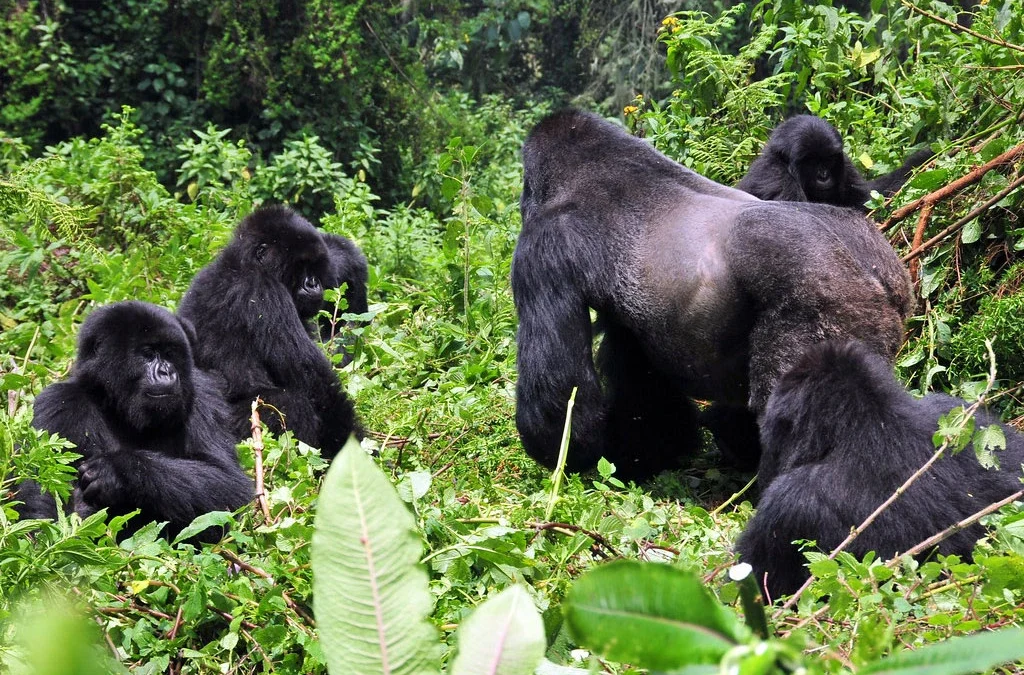
Are you planning a safari that pulls you away from Norway’s cold fjords and drops you into the warm, misty slopes of the Virunga Mountains? Picture this: thick fog rolling over bamboo forests, the low rumble of a silverback clearing his throat somewhere in the undergrowth, and your own heartbeat picking up as your guide raises a hand and whispers, “They’re close.” That’s what waits for you in Rwanda. Getting there from Norway takes some planning, but the payoff is a day you’ll talk about for the rest of your life. This guide walks you through flights, permits, timing, packing, and everything else you need to turn your gorilla trekking dream into a booked, real trip.
How Do You Travel from Norway to Rwanda by Air?
No direct flights connect Norway and Rwanda, so you’ll need at least one stopover. Most travelers fly out of Oslo Gardermoen (OSL) and connect through hubs like Brussels, Amsterdam, Doha, or Addis Ababa before landing at Kigali International Airport (KGL). Brussels Airlines and Ethiopian Airlines run some of the smoothest routes, and Qatar Airways via Doha works well if you want a longer layover to stretch your legs.
Total travel time usually runs between 14 and 20 hours, layovers included. Book your ticket early, especially if you’re traveling in June through September or December through February, since seat prices climb fast during Rwanda’s dry seasons. Once you land in Kigali, you’re only a short domestic transfer away from gorilla country.
What Makes Volcanoes National Park Special?
Volcanoes National Park sits in northwest Rwanda, cradled by five of the eight Virunga volcanoes. Dian Fossey spent nearly two decades here studying mountain gorillas, and her research station, Karisoke, still draws visitors who want to walk in her footsteps. The park covers roughly 160 square kilometers of rainforest and bamboo, and it shelters around a third of the world’s remaining mountain gorillas.
Beyond the gorillas, golden monkeys swing through the bamboo canopy, and Dian Fossey’s grave sits quietly near the old research camp. Farmland edges right up against the park boundary, so as you drive in, you’ll pass terraced hills bursting with potatoes and pyrethrum flowers before the forest swallows the road.
What Happens During Gorilla Trekking Day?
This is the day most travelers wait months for. It’s probably the single biggest highlight of your entire Rwanda trip.
Your day starts early. Wake up between 5:30 and 6:30am, grab breakfast, and head to Kinigi headquarters for a 7:30am briefing. Rangers walk you through the rules of the trek and split everyone into groups of eight, with each group assigned to a specific gorilla family. By 8:00am, your ranger guide leads you up into the bamboo-covered slopes of the Virunga Mountains.
The hike itself is unpredictable. It might last 1hour, or it might stretch to 5, depending entirely on where the gorillas decided to wander that morning. Porters are available to carry your bag and, honestly, to help pull you up the steeper, muddier sections. Take one if you’re unsure about your fitness level.
Once your guide spots the family, everything changes. You get one full hour with them, and it goes by faster than you’d expect. Here’s what that hour often looks like:
- Silverbacks beating their chests – a display of strength that echoes through the trees and reminds you exactly whose territory you’re standing in.
- Mothers nursing their babies – quiet, tender moments that feel oddly human.
- Juveniles tumbling through the vegetation – playful, clumsy, and endlessly entertaining to watch.
Cameras click constantly, but most people end up just staring, forgetting to shoot anything at all. That’s the moment this whole trip was built around.
When is the Best Time for Gorilla Trekking in Rwanda?
Rwanda’s dry seasons, June to September and December to February, offer the easiest trekking conditions. Trails stay firmer, rain holds off more often, and photography turns out clearer since less mist blankets the forest.
That said, gorilla trekking runs year-round, and the wet months bring their own rewards. Fewer tourists crowd the park, permit availability opens up a bit more, and the forest turns a deep, saturated green that photographs beautifully. Rain does make trails slippery and hikes tougher, so pack accordingly if you choose this window.
If you want to combine gorilla trekking with Kwita Izina, Rwanda’s annual baby gorilla naming ceremony, aim for September. The event draws conservationists and celebrities from around the world and adds a festival atmosphere to your trip.
How Do You Get to Volcanoes National Park from Kigali
The drive from Kigali to Volcanoes National Park covers about 116 kilometers and takes roughly 2 to 3 hours, depending on traffic and road conditions. Iconic Africa Safaris arrange a private 4×4 vehicle with a driver-guide, which makes the trip far more comfortable than public transport.
The route winds through Rwanda’s famous thousand hills, past roadside markets, tea plantations, and small towns where children wave as your vehicle passes. Many travelers break the drive with a stop at the Ntaruka viewpoint or a quick coffee at a local plantation near Musanze.
What Should You Pack for Gorilla Trekking?
Pack smart and your trek gets a lot more comfortable. The forest floor is muddy, the air shifts between cool and humid within minutes, and thorny vegetation grabs at loose clothing. Here’s what actually earns its place in your daypack:
- Waterproof hiking boots – ankle support matters on uneven, muddy terrain.
- Long-sleeved shirt and long trousers — protects your skin from nettles and biting insects.
- Gardening gloves – cheap, light, and genuinely useful when you’re grabbing branches for balance.
- Rain jacket – even during dry season, mountain weather changes fast.
- A daypack with water and snacks – treks can run long, and you’ll want energy on hand.
- A good camera with extra batteries – cold weather drains battery life quicker than you’d think.
- Binoculars – useful for spotting golden monkeys and birds along the trail.
Leave large suitcases at your hotel. Bring only a small daypack on the trek itself, and consider hiring a porter, since your money supports the local community directly.
What Else Can You Do in Rwanda Besides Gorilla Trekking?
Gorillas pull most travelers to Rwanda, but that single hour in the forest is only one chapter of a much bigger story. Give yourself a few extra days and you’ll find lakeside sunsets, canopy walks, genocide memorials, and savannah game drives all within a few hours of each other.
Kigali City Tour – One of the cleanest city in the world
Kigali deserves more than a quick layover. Spend time here before or after your trek. The Kigali Genocide Memorial sits at the top of most visitors’ lists, and walking through it gives you a sobering, essential understanding of what Rwanda survived and how far it’s come since 1994.
Afterward, balance that weight with something lighter. Head to Kimironko Market for fabric and crafts, stop by Inema Arts Center to see local painters at work, or grab a coffee at one of the city’s growing number of specialty cafés. Rwanda grows some genuinely excellent beans, and Kigali’s café scene shows it off well.
Nyungwe Forest National Park – Ancient rain-forest
Nyungwe Forest National Park, tucked into Rwanda’s southwest corner, holds one of Africa’s oldest rainforests. Here’s what makes it worth the trip:
- The canopy walk : A suspension bridge hanging 70 meters above the forest floor, giving you a bird’s-eye view over the treetops and, if you’re lucky, the chimpanzees moving through the branches below.
- Chimp tracking : Less crowded than gorilla trekking and just as thrilling, with troops that can number over 60 individuals.
- Birdwatching : Nyungwe hosts over 300 bird species, making it one of East Africa’s top spots for serious birders.
Lake Kivu – Perfect Place to Slow Down
From Nyungwe, most travelers roll straight into Lake Kivu, one of Africa’s Great Lakes and one of Rwanda’s most underrated destinations. After days of hiking and early mornings, Kivu is where you slow down. Rent a kayak, take a boat ride out to Napoleon Island, or just sit lakeside with a Mutzig beer and watch fishermen sing as they paddle out at dusk. Towns like Gisenyi and Kibuye offer relaxed lodges right on the water, and the whole stretch feels worlds away from the forest.
Akagera National Park – Classic Big-5 Game Safari
Akagera National Park, out east near the Tanzanian border, brings Rwanda’s classic safari side alive. Lions were reintroduced here in 2015, rhinos followed in 2017, and today Akagera holds the full big five alongside giraffes, hippos, and massive herds of buffalo.
Game drives here run early morning or late afternoon, when animals are most active and the light turns the savannah gold. Pair Akagera with your gorilla trek and you get two completely different Africas in one trip – misty mountain forest and open, sunburnt plains – all within a two-week itinerary.
Quick Questions Travelers Ask
- Do I need a visa to enter Rwanda from Norway?
Norwegian citizens can get a visa on arrival at Kigali International Airport, or apply online in advance through Rwanda’s immigration portal.
- How much does a gorilla permit cost?
Gorilla permits cost $1,500 per person for foreign non-residents, and they include the trekking fee, park entry and ranger guide services.
- Is gorilla trekking physically demanding?
It can be, depending on where your assigned gorilla family is that day. A reasonable fitness level helps, but porters are available for anyone who needs extra support.
- How close will I actually get to the gorillas?
Rangers keep visitors roughly 7-10 meters from the gorillas for safety, though the animals themselves don’t always respect that boundary and sometimes wander closer.
Booking Your Gorilla Safari in Rwanda
Ready to turn this into a real trip? Reach out through our booking form, email us at info@iconicafricasafaris.com, or tap the WhatsApp button in the bottom right corner of your screen for instant chat. Tell us your travel dates, how many people are in your group, whether you’re after Budget, Mid-Range, or Luxury accommodation, and how many days you have. From there, one of our local consultants builds a personalized, costed itinerary shaped around exactly what you want. We’re just a message away, 24 hours a day.
One last thing worth repeating: gorilla permits are limited, and they sell out fast. If you’re traveling during peak season, book 3 to 6 months ahead to lock in your spot. Rwanda’s mountains, and the gorillas living on them, are waiting. Start the conversation today, and let’s get your trek on the calendar.