
How Many Days You Need for a Safari in Kenya
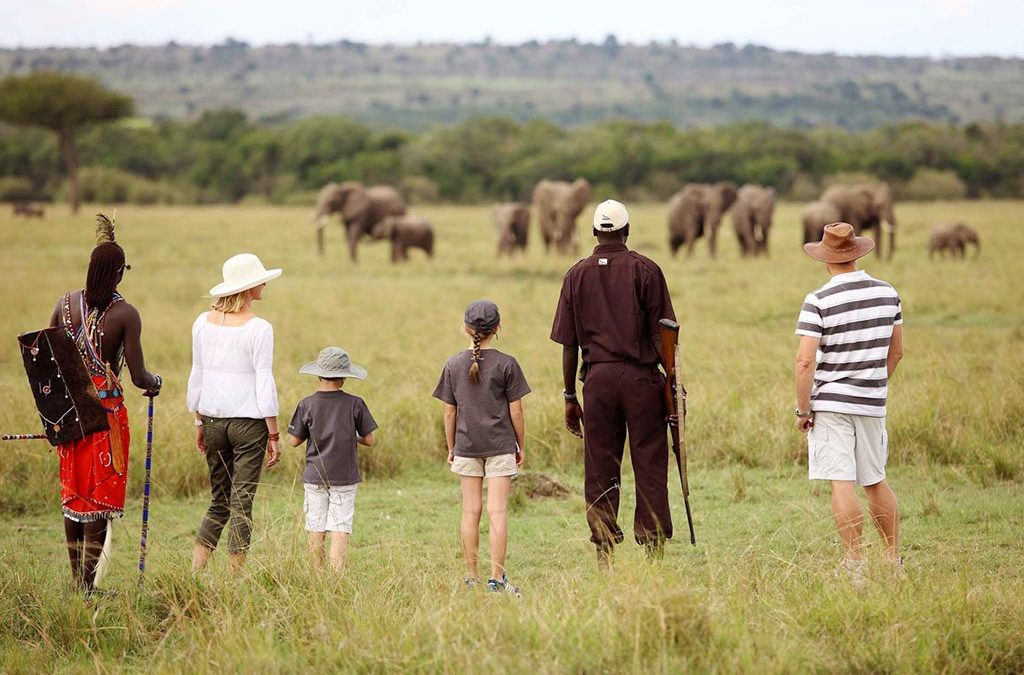
The Number of Days You Need for a Safari in Kenya
A typical safari in Kenya lasts between 5 to 10 days for most travelers. This duration gives you enough time to see the country’s famous wildlife and experience its stunning landscapes. Kenya offers incredible diversity, from the Great Migration in Masai Mara to the elephant herds of Amboseli National Park.
First-time visitors often wonder how long they should stay to make their trip worthwhile. The answer depends on several factors including your budget, interests, and travel goals. A shorter 5-7 day safari works well for people with limited time who want to see the highlights. Meanwhile, longer 10-14 day trips allow you to explore remote areas and enjoy more activities beyond game drives.
Your safari length also affects which parks you can visit and how much time you spend in each location. Additionally, the time of year you travel influences what you’ll see and do. Planning the right duration ensures you get the most value from your Kenyan adventure while staying within your budget and schedule.
Recommended Safari Durations
Short Safaris: 5-7 Days
A 5-7 day safari provides an excellent introduction to Kenya’s wildlife and landscapes. This duration works perfectly for travelers with limited vacation time or those taking their first African safari. You can comfortably visit 2-3 major parks during this period.
Most short safaris focus on the southern circuit, which includes Kenya’s most famous destinations. The Masai Mara National Reserve serves as the main highlight, offering exceptional game viewing year-round. You can then add either Lake Nakuru National Park for flamingo watching or Amboseli National Park for elephant photography.
Transportation between these parks takes less time compared to northern destinations. Therefore, you spend more time on actual game drives rather than traveling. Short safaris also cost less, making them ideal for budget-conscious travelers. However, you’ll need to choose your destinations carefully since you cannot see everything Kenya offers in just one week.
Extended Safaris: 10-14 Days
Extended safaris of 10-14 days open up Kenya’s full potential for wildlife enthusiasts. This duration allows you to visit both popular and remote destinations without feeling rushed. You can explore the northern parks like Samburu National Reserve, which offer unique species not found elsewhere.
Longer safaris also provide flexibility for various activities beyond game drives. You might visit local communities, enjoy walking safaris, or take boat rides on Kenya’s beautiful lakes. Additionally, you can include coastal time in Mombasa or Malindi for beach relaxation after your wildlife adventure.
The extra days allow for a more relaxed pace throughout your journey. You won’t feel pressured to pack everything into a tight schedule. Instead, you can spend quality time in each location and potentially witness special wildlife behaviors. Extended safaris work best for serious wildlife photographers and nature lovers who want comprehensive Kenya experiences.
Key Planning Factors
Choosing Your Parks and Regions
Kenya features over 20 national parks and reserves, each offering unique experiences. The southern circuit remains the most popular choice for first-time visitors. This region includes Masai Mara, Lake Nakuru, and Amboseli National Parks, which provide diverse wildlife viewing opportunities.
The northern circuit offers more adventurous experiences in places like Samburu, Meru, and Tsavo national parks. These areas receive fewer visitors, creating a more exclusive safari atmosphere. However, they require additional travel time and often cost more due to their remote locations.
Your park selection should match your interests and expectations. Wildlife photographers might prefer Amboseli for elephant photography, while bird watchers should include Lake Nakuru. Meanwhile, visitors hoping to see the Great Migration should time their trip for Masai Mara’s peak season.
Activity Considerations
Modern Kenyan safaris offer much more than traditional game drives. Cultural visits to Maasai villages provide insights into local traditions and lifestyles. Walking safaris let you experience the bush on foot with armed guides. Boat safaris on Lake Naivasha offer different perspectives on wildlife viewing.
Some travelers combine safari experiences with beach time along Kenya’s Indian Ocean coast. Others might include mountain climbing on Mount Kenya or exploring the Great Rift Valley’s geological wonders. Each additional activity requires extra time in your itinerary.
Consider your physical fitness level when choosing activities. Walking safaris and mountain climbing demand good health and endurance. Cultural visits work well for all age groups and fitness levels. Beach extensions provide relaxing conclusions to active safari adventures.
Transportation and Travel Time
Transportation significantly impacts your safari duration and experience quality. Road travel between parks can take several hours, sometimes requiring full travel days. Flying between destinations saves considerable time but increases costs substantially.
The condition of roads varies throughout Kenya, with some routes becoming challenging during rainy seasons. Northern parks often require longer drives on rougher roads. Southern circuit parks connect via better roads, reducing travel time and discomfort.
Budget travelers typically choose overland safaris using safari vehicles. This option costs less but requires more time for transportation. Visitors with higher budgets often prefer flying between destinations, maximizing their game viewing time while minimizing travel fatigue.
Budget Impact on Duration
Safari costs increase with duration, accommodation quality, and destination choices. Budget camping safaris cost significantly less than luxury lodge experiences. However, even budget options require substantial investment for international travelers.
Longer safaris spread fixed costs like flights across more days, potentially offering better value per day. Nevertheless, the total cost increases with additional nights and activities. Remote destinations typically cost more due to limited access and exclusive positioning.
Consider your total available budget when planning duration. Sometimes, shorter high-quality safaris provide better experiences than longer budget trips. Balance your desire for extended time with realistic financial limitations to ensure satisfaction with your chosen safari length.
Sample Safari Itineraries
5-7 Day Safari Example
A week-long safari might begin with three nights in Masai Mara National Reserve. This allows sufficient time for multiple game drives and potential Great Migration viewing. Next, spend two nights at Lake Nakuru National Park to see flamingos and rhinos.
Alternatively, replace Lake Nakuru with Amboseli National Park for elephant photography with Mount Kilimanjaro backgrounds. Both options provide different but equally rewarding experiences. Include one night in Nairobi at the beginning or end for international flight connections.
This itinerary balances game viewing with reasonable travel times. You experience Kenya’s most famous destinations without excessive rushing between locations.
10-14 Day Safari Example
Extended safaris might include additional northern destinations like Samburu National Reserve. Spend four nights in Masai Mara, three nights in Samburu, two nights each in Lake Nakuru and Amboseli, plus additional time for other activities.
Consider adding cultural experiences, walking safaris, or coastal extensions to create comprehensive Kenya adventures. This duration allows for spontaneous wildlife viewing opportunities and relaxed travel between destinations.
Longer itineraries provide flexibility for weather delays and unexpected wildlife sightings that deserve extra attention.