
Hidden Costs of Gorilla Trekking in Bwindi
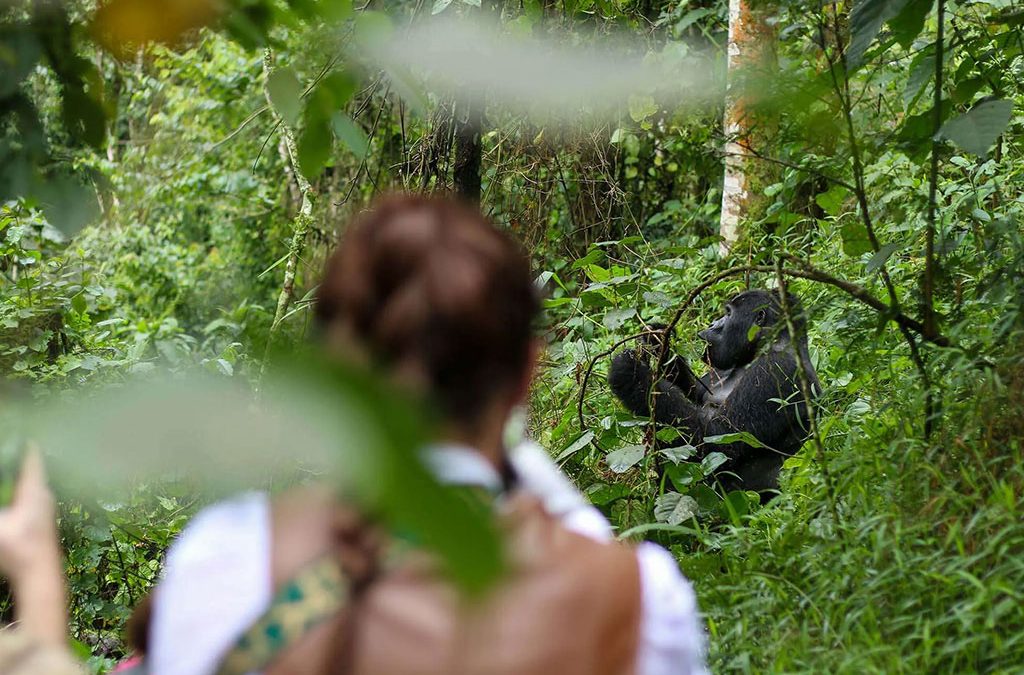
Are you planning an unforgettable trip to Uganda’s Bwindi Impenetrable Forest to meet the mountain gorillas face-to-face? This magical rainforest adventure often tops travelers’ bucket lists, promising a once-in-a-lifetime encounter with the world’s most endangered primates. While tour packages usually include gorilla permits, transportation, meals, accommodation, and bottled water, many visitors later realize there are extra costs not shown in the initial quotation. These hidden or optional expenses can quietly increase your total trip budget if you’re not prepared. Understanding these potential costs helps you plan better and enjoy your trek without any unexpected financial surprises.
The Real Cost Behind Your Gorilla Safari
Gorilla trekking in Bwindi offers a rare experience that goes beyond standard wildlife viewing. Each trekking permit costs $800 for foreign non-residents, giving you a one-hour encounter with a gorilla family. This permit alone makes up the largest portion of your safari budget since it supports conservation efforts and local communities. However, the total cost also includes transportation, fuel, accommodation, guiding fees, and meals arranged by your tour operator. What’s often not included are the personal extras—small expenses that can add up quickly during the trip. Before your departure, it’s wise to set aside a contingency fund for these items, ensuring a smooth and stress-free journey.
Do You Need a Porter?
During your gorilla trek, you’ll hike through thick forest, climb steep hills, and navigate slippery trails under humid conditions. Many travelers hire porters to help carry backpacks or camera gear, and this service costs around $20 to $25 per person per trek. The fee goes directly to local men and women who often rely on these jobs to support their families. Hiring a porter not only makes your trek easier but also creates meaningful employment for the surrounding community. Even if you’re physically fit, the terrain can be unpredictable, and porters provide steady support whenever trails get muddy or steep. It’s one of the most worthwhile optional costs you’ll happily pay once you’re deep in the jungle.
How to Handle Elderly or Disabled Travellers
Bwindi’s rugged terrain can be physically demanding, especially for elderly visitors or those with mobility challenges. Luckily, sedan chair services are available in all four trekking sectors. The chairs are carried by a team of strong local porters who safely transport visitors up and down the slopes. This service costs around $300 to $500 depending on trail length and difficulty, and it allows everyone, regardless of fitness level, to enjoy this once-in-a-lifetime experience. Advance booking is usually required, and it’s a great way to ensure accessibility for all travellers. Having this option makes gorilla trekking possible for guests who would otherwise find it too strenuous.
Do You Need to Budget for Tips?
Tipping might not be compulsory, but it is deeply appreciated and widely practiced throughout Uganda’s tourism industry. Your ranger guides, porters, and lodge staff work tirelessly to make your safari comfortable and memorable. A customary tip for porters is $10 to $15, while guides and drivers usually receive tips of $10 to $20 per traveller per day, depending on service quality. At your lodge, you can leave a small tip for the waitstaff or housekeepers as a token of gratitude. Travelers are encouraged to prepare small bills in Ugandan shillings or US dollars to make tipping easier. These acts of appreciation go a long way in supporting those who contribute behind the scenes of your amazing experience.
Souvenirs and Handicrafts Worth Carrying Home
After a long trek and emotional gorilla encounter, most visitors want to take home something uniquely Ugandan. Bwindi’s nearby communities offer a wonderful variety of handmade souvenirs—from woven baskets and wooden gorilla carvings to colorful fabrics and Batwa art pieces. Prices range from $5 to $50 depending on the item and the bargaining skill. While these purchases might seem optional, they help sustain the livelihoods of local artisans who depend on tourism income. Buying directly from villages not only ensures authenticity but also gives travelers the joy of connecting with real people and their stories. Carrying these tokens home brings memories of the misty forest and smiling faces back with you.
Packing Essentials You Can’t Afford to Forget
The climate and terrain in Bwindi can be challenging, especially during the rainy seasons. Packing the right gear is crucial, and in some cases, travelers find themselves buying essentials last-minute. A good pair of hiking boots, rain jacket, gardening gloves, walking stick, and gaiters are must-haves. Some lodges rent out walking sticks, but personal gear guarantees comfort. Travelers should also bring insect repellent, warm clothing for cool evenings, and a waterproof backpack for their electronics. High-quality hiking boots can cost $80 to $150 depending on brand and comfort level, while waterproof outerwear may add extra weight to your budget but ensures peace of mind on the trail.
Experience Add-Ons That Enhance Your Trip
Many travelers extend their gorilla trekking trip with additional experiences around Bwindi. These “add-ons” enrich your safari and reveal the region’s culture, scenery, and adventure spirit. Popular options include visiting Lake Bunyonyi or Lake Mutanda, known for canoeing, swimming, island hopping, and birdwatching. These sparkling lakes provide perfect relaxation spots after your strenuous jungle trek. Spending an extra night here costs roughly $150 to $250 per person, depending on the lodge. The scenery is breathtaking, with misty waters reflecting green hills and playful children paddling dugout canoes. It’s a serene way to end your wildlife adventure before heading back to the bustling city.
Discover the Batwa Cultural Encounters
Visiting the Batwa community—the indigenous forest people who once lived among the gorillas—provides a deeply emotional cultural experience. Guided tours include storytelling, traditional music, and demonstrations of ancestral hunting and gathering. A visit costs between $30 and $50 per person, and proceeds support Batwa education and healthcare projects. Listening to their songs under the canopy of ancient trees helps you appreciate the spiritual bond between humans and nature in Bwindi. It’s a moving experience that turns your trek into a cultural journey rather than just a wildlife activity. Travelers often describe it as one of the most memorable moments of their trip.
Golden Monkey Tracking in Mgahinga
If you want to see more primates while in southwestern Uganda, consider golden monkey tracking in nearby Mgahinga Gorilla National Park. These playful monkeys live high in the bamboo forests and glimmer under the sunlight with their shining golden fur. A permit costs $60 per person, and the trek is shorter and less challenging than gorilla trekking. Adding this activity gives you a wider perspective of Uganda’s primate diversity, while also offering spectacular views of the Virunga volcanoes. Travelers often combine this with gorilla trekking in Rushaga or Nkuringo sectors, as the parks are a short drive apart. It’s an excellent one-day addition for wildlife enthusiasts.
Chimpanzee Encounters on Lake Victoria
For a broader primate experience, you can also plan a visit to Ngamba Island Chimpanzee Sanctuary located on Lake Victoria. The sanctuary can be reached by speedboat from Entebbe and offers day trips starting around $100 per person. Here, rescued chimpanzees live in semi-wild conditions on a lush tropical island. Watching them play, feed, and interact closely resembles human behavior and brings new admiration for our evolutionary cousins. Visitors can enjoy lunch by the lakeshore and even take short nature walks around the island. This supplementary trip fits perfectly at the start or end of your gorilla adventure, providing a balanced wildlife experience.
Thrilling Nile Adventures in Jinja
Some travelers combine their gorilla safari with an adrenaline-filled adventure on the River Nile in Jinja, often regarded as the adventure capital of East Africa. Activities include white-water rafting, bungee jumping, quad biking, and sunset cruises. Prices vary from $70 to $150 depending on the chosen activity. These thrilling excursions offer a refreshing contrast to the calm forests of Bwindi, turning your trip into a dynamic blend of nature and excitement. The sound of rushing water, laughter of fellow travelers, and glowing sunsets over the river create memories you’ll cherish for years. Adding Jinja to your itinerary extends your Ugandan adventure beautifully.
Understanding the Sectors of Bwindi
Bwindi Impenetrable National Park has four main sectors for gorilla trekking: Buhoma, Ruhija, Rushaga, and Nkuringo. Each has unique characteristics that influence the trekking experience, level of difficulty, and accommodation options.
Buhoma (North): This is the oldest and most accessible sector. The treks here are considered the easiest, making it perfect for first-timers. It’s also convenient for travelers combining Bwindi with Queen Elizabeth National Park.
Ruhija (East): Known for high altitude and cooler weather, it offers breathtaking views and great birdlife. The sector is ideal for nature photographers and travelers seeking scenic routes.
Rushaga (South): Featuring the highest number of gorilla families, this sector also hosts the Gorilla Habituation Experience, where trekkers spend up to four hours with the gorillas instead of one.
Nkuringo (South): Famous for steep climbs and incredible panoramic views, it’s suitable for physically fit adventurers who love challenging expeditions.
Choosing your sector impacts your hotel location, driving time, and overall experience. Iconic Africa Safaris helps you match your preferences with the right sector to ensure a rewarding encounter.
Gorilla Habituation: Spending More Time with Gorillas
For visitors who desire deeper engagement, the Gorilla Habituation Experience in Rushaga offers extended encounters lasting four hours with semi-habituated gorillas. This special permit costs $1500, but the experience is extraordinary. You’ll accompany researchers and trackers as they gradually introduce human presence to wild gorillas. Watching the process of habituation teaches you how conservation science works in real life. The day begins early and may involve tougher hiking, but the reward is unmatched intimacy with the great apes. Travelers often describe this experience as more emotional and transformative than standard treks because of the quiet, prolonged observation it allows.
When Is the Best Time to Trek?
The best months for gorilla trekking are during the dry seasons, from June to August and December to February. During these months, trails are less slippery, and weather conditions are more favorable. However, because permits are limited, booking early—sometimes six months ahead—is essential. The rainy season can offer greener scenery and fewer crowds, but trekking becomes tougher. Therefore, your choice depends on whether you value easier hiking conditions or solitude in the jungle. No matter the time of year, gorilla viewing success rates remain above 90 percent, thanks to experienced trackers who locate families daily.
Why Preparation Makes All the Difference
Preparing for your trek ensures comfort, safety, and enjoyment. Physical fitness plays a crucial role, as treks can range from 2 to 6 hours depending on the gorilla family’s location. Staying hydrated, carrying snacks, and dressing appropriately in long sleeves and trousers protect you from nettles and insects. Guides lead every trek with machetes to clear pathways, while security escorts ensure traveler safety. Taking these preparations seriously keeps the experience smooth and exciting rather than exhausting. Each step through the misty forest brings new sounds of birds, whispers of leaves, and eventual gasps of wonder when gorillas appear within reach.
The Unseen Rewards Beyond the Trek
While hidden costs may seem inconvenient, they ultimately add meaningful layers to your adventure. Hiring porters supports local families, tipping encourages quality service, and community visits give back to the people who protect the forest. Every extra payment contributes to sustainable tourism that ensures gorillas and their habitat thrive for future generations. As you leave Bwindi, the air thick with mist and voices of the jungle fading behind, you’ll carry more than photographs—you’ll carry gratitude, connection, and a lifetime story carved deep in your heart.