
Common Questions about Mountain Gorillas – Answered
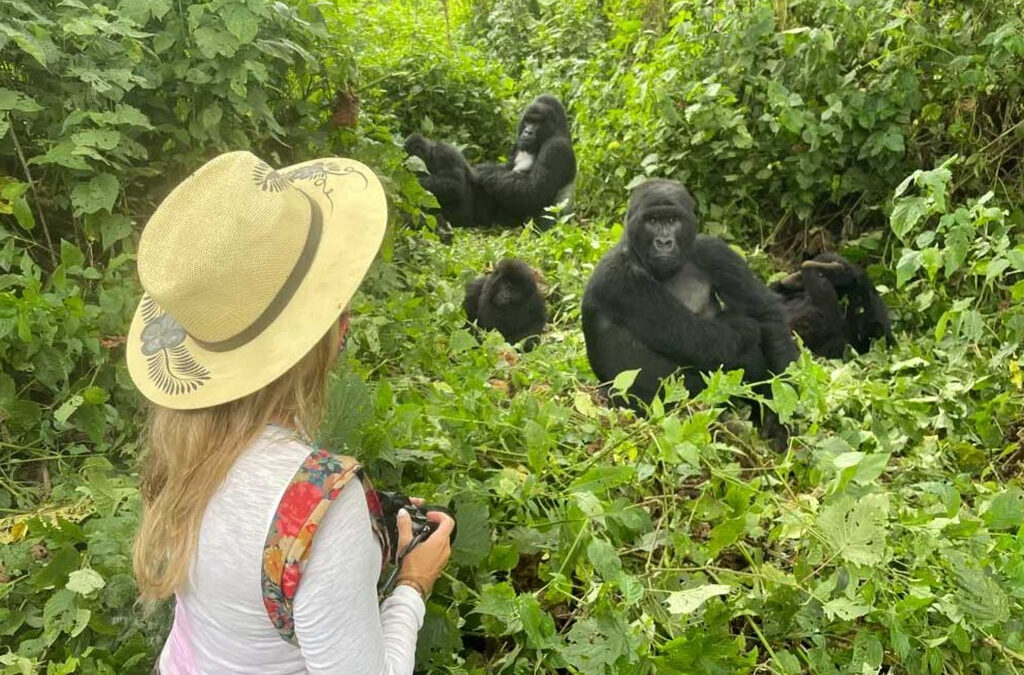
Common Questions about Mountain Gorillas usually focus on their lives, their behavior and their survival. These large primates live in the mountains of Uganda in Bwindi Impenetrable Forest National Park & Mgahinga Gorilla National Park, Rwanda in Volcanoes National Park and the Democratic Republic of Congo in Virunga National Park. Many people wonder why they are endangered or how they live in groups. Others want to know if they are safe to visit in the wild. Mountain gorillas are smart and gentle creatures that share much in common with humans. Scientists and tourists continue to learn new things about them. If you are curious about mountain gorillas, this guide will answer common questions using clear and simple words.
What Makes Mountain Gorillas Special Compared to Other Gorillas?
Mountain gorillas are different from other gorillas in many ways that make them truly special. First, they are very rare, with only about 1,063 alive today in the wild. They live only in the forested mountains of Uganda, Rwanda and the Democratic Republic of Congo. These forests are cool, wet and filled with thick plants that gorillas love. Their thick fur helps them stay warm in these high places.
They live in family groups that are led by a strong male called a silverback. This silverback protects the group and makes many important decisions each day. The group can have just a few members or as many as thirty or more. Each member of the group plays a role and follows the silverback’s lead.
Mountain gorillas look strong but they are peaceful and calm unless they feel danger is near. Even though they are big, they often sit quietly while they eat plants or play with each other. Mountain gorillas share about 98 percent of their DNA with humans. This means they are very close to us in how they act and feel. Their actions show thinking and care that many people can relate to.
What Makes Mountain Gorillas Endangered in the Wild?
Mountain gorillas are endangered because they face several big threats that hurt their chance of survival. First, humans are cutting down trees in their homes to make space for farms and roads. As more land is cleared, gorillas lose the plants they eat and the places they sleep.
In the past, some people hunted gorillas for their meat or to sell their body parts. Today, this happens less often, but it still puts their lives at risk. Gorilla groups can get trapped or harmed by snares meant for other animals.
Another major threat is sickness, especially diseases passed from humans to gorillas. Since they are closely related to people, gorillas catch many of the same illnesses. Even a simple cold can be very harmful to them. Because they live in small groups, one sick gorilla can quickly pass the illness to others.
Groups working to save gorillas now focus on protecting forests and stopping poaching. They also teach local people why it is important to keep gorillas safe. These actions give mountain gorillas a better chance to survive in the future.
What Do Mountain Gorillas Usually Eat in Their Natural Habitat?
Mountain gorillas eat plants almost every day and they spend a lot of time looking for food. They mostly eat leaves, stems, shoots and sometimes fruits or flowers when they find them. Since they live in the mountains, they eat the plants that grow best in cool, wet forests.
They need to eat large amounts each day to stay strong and healthy. A full-grown male gorilla eats more than 30 kilograms of food every day. They often move slowly through the forest while pulling and chewing leaves as they go. Gorillas drink water from plants instead of using rivers or streams.
Food plays a big part in the daily life of a gorilla group. The silverback leads the group to places where food is easy to find. After eating, the gorillas rest or play before moving again. Their simple plant diet helps them stay active and strong without needing to hunt animals.
How Do Mountain Gorillas Behave with Each Other in the Wild?
Mountain gorillas live in family groups where each member plays a role and stays close to others. These groups usually have one silverback, some females and their young ones. Sometimes, the group also includes a few younger males who wait to lead their own group one day.
Gorillas talk to each other using sounds, body actions and facial movements. They make over twenty different sounds to share how they feel or what they need. They grunt to show they are happy or alert others when they sense danger nearby.
Young gorillas play together by chasing, rolling or climbing trees while adults watch and rest nearby. The group often grooms each other by picking dirt or bugs off their fur. This helps keep them clean and builds strong bonds between members.
Gorillas also show signs of being smart. They sometimes use sticks to test water depth or move ants while eating. These actions show that they solve problems and use tools just like people do in some ways.
What Makes Mountain Gorillas Safe or Dangerous to People?
Mountain gorillas are large animals but they are not dangerous unless they feel under threat. When left alone in their forest homes, they usually stay calm and peaceful with no interest in people. They avoid loud noises or quick movements that make them nervous or scared.
Gorillas will protect their group if they feel someone is coming too close or acting in a harmful way. The silverback stands up tall, beats his chest or makes loud noises to warn others to back off. These warning signs show that he wants to keep the group safe.
If you stay quiet and follow rules during visits, gorillas are likely to stay calm and go about their day. They may look at you but usually focus on their food or family. Most problems happen when visitors break rules or get too close without thinking.
How Do People Interact with Mountain Gorillas During Gorilla Tours?
People visit mountain gorillas through special tours where only trained guides lead small groups into the forest. Some gorilla families are used to seeing humans because they were slowly introduced through a process called habituation. This means the gorillas are not scared or stressed when people are near.
To keep everyone safe, visitors must follow many rules during the tour. These include keeping a safe distance, staying quiet and never touching the gorillas. Everyone must also be healthy and free from illness before going on the trek. Even a small cough could harm the gorillas.
You must buy a permit to join a gorilla trek. This money helps protect the gorillas and supports nearby communities. Guides and park rangers watch over the gorillas every day and report any problems. These rules make sure that gorilla tourism helps the animals instead of harming them.
Tourism also gives local people jobs and teaches them the value of protecting wildlife. When people see that gorillas bring visitors and income, they work harder to keep forests safe. This link between tourism and conservation gives mountain gorillas hope for the future.