
Can I Go Gorilla Trekking Alone in Uganda or Rwanda?
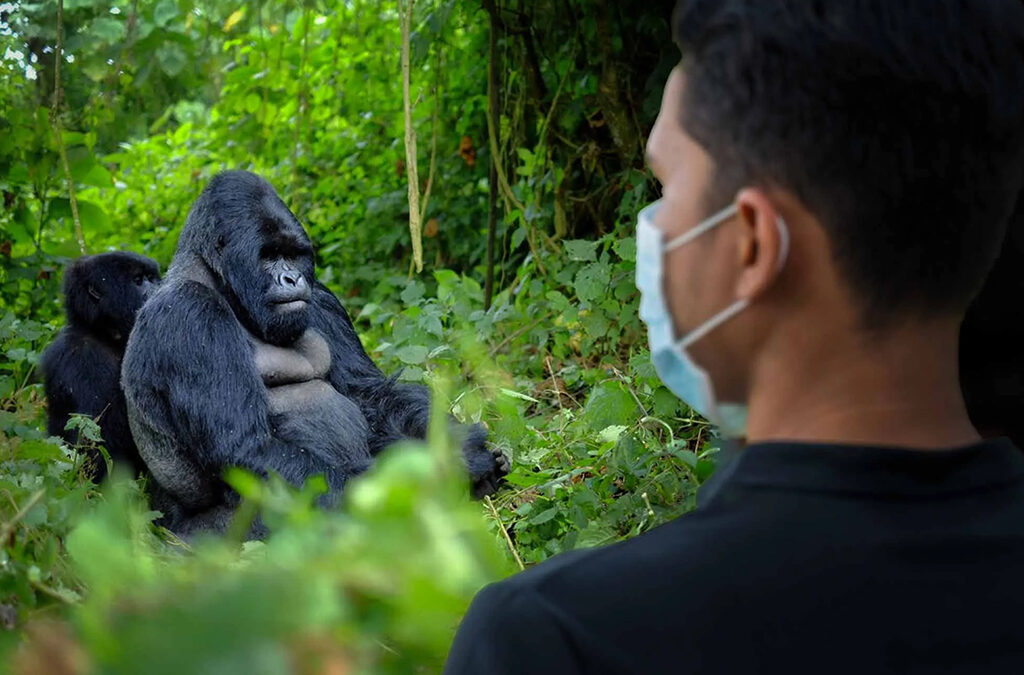
Gorilla trekking alone in Uganda or Rwanda excites many adventurous travelers around the world. Although solo travel adds freedom, gorilla trekking still follows strict rules to protect visitors and gorillas. You will always trek with a ranger, trackers, and sometimes porters to ensure safety. Even when traveling solo, you either join a small group or organize a private trek. Private treks offer closer encounters with fewer interruptions. Proper planning, physical readiness, and respect for park rules guarantee a successful trek. Therefore, solo travelers find gorilla trekking deeply rewarding when they understand the processes involved beforehand.
Gorilla Trekking is Never Completely Solo
Traveling alone sounds thrilling, but actual gorilla trekking always involves others for important safety reasons.
Every trek includes a ranger guide who leads visitors carefully through the dense forest trails. Trackers move ahead early to find gorilla families before trekkers arrive at the location. Furthermore, porters help carry bags and assist over slippery or steep sections of the trail.
Thus, even if you travel without a companion, you still join a structured and guided team experience. Rangers ensure that all treks follow conservation guidelines, keeping both gorillas and humans protected.
Choosing Private Gorilla Trekking Groups
Solo travelers often choose private gorilla treks for a quieter and more personal experience.
Booking a private permit means you decide who treks with you, or trek alone with guides. In Uganda and Rwanda, normal groups allow up to eight people for each gorilla family visit.
However, private treks avoid random groupings, offering more peace during your trek and viewing experience. With fewer distractions, you enjoy observing the gorillas in a more natural and relaxed setting.
Benefits of Private Treks
Private gorilla treks deliver several special advantages for solo travelers seeking personal adventures.
Firstly, you enjoy more space around the gorillas without disturbances from strangers. Secondly, photography becomes easier because fewer people crowd the scene, blocking perfect shots.
Thirdly, private treks allow setting a pace that suits your own comfort and fitness levels. In addition, Uganda offers gorilla habituation experiences for travelers wanting even longer hours with the gorillas.
During habituation, you spend up to four hours with semi-habituated gorilla families, learning more deeply.
Planning Solo Gorilla Trekking Logistics
Planning carefully helps solo travelers experience smooth gorilla trekking adventures in Uganda or Rwanda.
Firstly, secure your trekking permit early, especially during busy months from June to September. Uganda’s permits cost less than Rwanda’s, offering budget-friendly options for solo adventurers.
Secondly, book your flights to arrive one or two days before your scheduled trekking day. Thirdly, choose accommodation near the trekking centers, like Bwindi Impenetrable Forest or Volcanoes National Park.
Finally, arrange airport transfers beforehand through a trusted tour company or private transportation service.
Visa and Permit Requirements
Understanding visa and permit requirements makes your solo travel preparations faster and more efficient.
Fortunately, obtaining tourist visas for Uganda or Rwanda remains simple for most nationalities. You either apply online or receive a visa on arrival, depending on your passport.
Moreover, the East Africa Tourist Visa covers Uganda, Rwanda, and Kenya under one application. Importantly, book your gorilla trekking permit several months before travel, as permits sell out quickly.
Without a valid permit, participating in any gorilla trekking adventure stays impossible, no matter the circumstances.
Picking the Right Trek for Your Fitness
Choosing the right trekking difficulty ensures a more enjoyable and less exhausting experience.
Gorilla trekking demands moderate to high physical fitness due to rugged and sometimes slippery forest trails. Some treks take two hours, while others demand a full day of hiking through thick vegetation.
Therefore, inform your tour operator or park ranger about your fitness level and health concerns beforehand.
Different areas offer varying trek difficulties: Bwindi’s Buhoma sector has easier trails while Ruhija offers tougher hikes. Rwanda’s Volcanoes National Park also assigns gorilla groups based on trekking challenges.
Essential Gear for Gorilla Trekking
Packing properly increases your comfort and safety during solo gorilla trekking adventures.
First, wear sturdy waterproof hiking boots that offer excellent grip in muddy forest conditions. Second, carry lightweight rain gear because tropical rains often fall without warning.
Third, pack a backpack containing essentials like water, snacks, insect repellent, and sunscreen. Gloves protect your hands when climbing or gripping vegetation along the trail.
Also, wear long-sleeved shirts and trousers to shield yourself from scratches and insect bites. Finally, bring a good camera with extra batteries for capturing lasting memories.
Safety Measures During Gorilla Trekking
Following proper safety measures ensures both your protection and the gorillas’ well-being.
Always listen carefully to ranger instructions and follow their guidance during the entire trek. Maintain a minimum distance of seven meters between yourself and the mountain gorillas.
Avoid making direct eye contact because gorillas interpret staring as a challenge or threat. Speak softly, move slowly, and avoid any sudden gestures that might startle the gorillas.
If a gorilla charges, crouch slowly without running, remaining calm and non-threatening at all times.
Gorilla Habituation Experience for Solo Travelers
Uganda offers gorilla habituation experiences that suit adventurous solo travelers seeking longer encounters.
Instead of spending one hour with gorillas like standard treks, habituation permits allow four hours. During these sessions, you join researchers and trackers studying gorilla families under habituation.
You help observe behaviors, record notes, and support conservation efforts directly on the ground. Although habituation permits cost more, the extended time offers deeper insights into gorilla life and social structures.
Photography becomes easier and more rewarding because you have extra hours to capture magical moments.
Best Time for Gorilla Trekking
Knowing the best seasons helps solo travelers choose ideal trekking dates for Uganda or Rwanda.
Gorilla trekking happens year-round, but dry seasons offer better hiking conditions. Visit between June to September and December to February for the driest trails.
During rainy seasons, March to May and October to November, trails get muddier and trekking becomes tougher.
However, rainy seasons mean fewer tourists, allowing easier permit access and quieter experiences. Also, lush green vegetation during rainy periods provides beautiful backdrops for photography.
Costs of Solo Gorilla Trekking
Solo gorilla trekking often costs more compared to group trekking adventures.
Permit prices remain standard whether traveling solo or with others. In Rwanda, a gorilla permit costs $1500 per person. In Uganda, permits cost $800 per person, making it a more budget-friendly choice.
If you want private trekking, you must purchase all eight permits available for one gorilla family.
Additionally, private transportation raises your total costs significantly when traveling alone without splitting expenses. Solo travelers also cover full accommodation prices without cost-sharing benefits.
Despite the higher costs, the rewards of privacy, freedom, and deeper experiences outweigh financial concerns.