
Bwindi Gorillas & Golden Monkey Habituation in Mgahinga
Bwindi Gorillas & Golden Monkey Habituation in Mgahinga
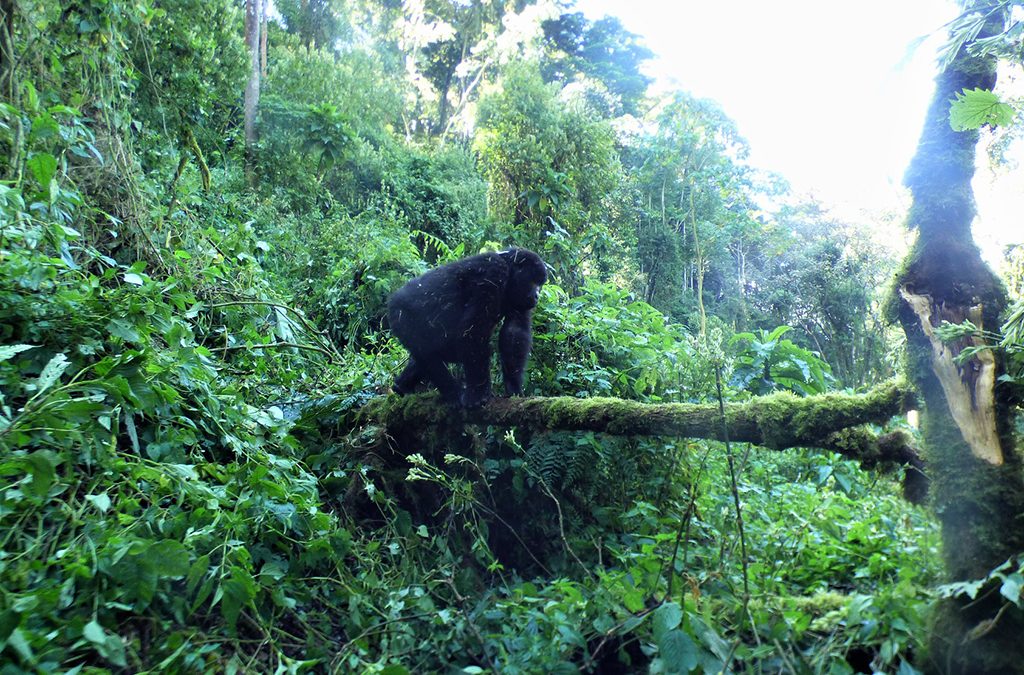
Uganda’s southwestern region harbors two remarkable national parks that offer extraordinary primate encounters. Bwindi Impenetrable Forest National Park and Mgahinga National Park both protect endangered mountain gorillas, creating sanctuaries where visitors can witness these magnificent creatures in their natural habitat. However, these parks distinguish themselves through unique offerings that cater to different wildlife experiences. While both locations provide exceptional gorilla trekking opportunities, Mgahinga National Park exclusively offers golden monkey trekking and habituation experiences. This distinctive feature makes Mgahinga the sole destination in Uganda where travelers can participate in golden monkey habituation programs. Furthermore, visitors engaging in golden monkey habituation spend an extended four hours observing and learning about these fascinating primates, creating an immersive experience that deepens understanding of primate behavior and conservation efforts.
Understanding the Parks and Their Unique Offerings
Bwindi Impenetrable Forest National Park
Bwindi Impenetrable Forest National Park spans across southwestern Uganda, encompassing ancient rainforest that has remained largely unchanged for over 25,000 years. The park protects approximately half of the world’s remaining mountain gorilla population, housing over 400 individuals across multiple habituated families. Consequently, Bwindi serves as the primary destination for gorilla trekking in Uganda, offering visitors unparalleled opportunities to observe these gentle giants.
Moreover, the park’s diverse ecosystem supports over 120 mammal species and 350 bird species. Additionally, Bwindi’s terrain varies dramatically, featuring steep ridges, deep valleys, and dense vegetation that creates challenging yet rewarding trekking conditions. The park divides into four sectors: Buhoma, Ruhija, Rushaga, and Nkuringo, each hosting different gorilla families and offering distinct trekking experiences.
Mgahinga Gorilla National Park
Mgahinga Gorilla National Park, though smaller than Bwindi, provides equally captivating primate experiences with its own unique characteristics. The park protects one habituated mountain gorilla family known as the Nyakagezi family, which occasionally crosses into neighboring Rwanda and Democratic Republic of Congo. However, Mgahinga’s most distinctive feature lies in its golden monkey population, making it the exclusive location for golden monkey trekking and habituation in Uganda.
Furthermore, Mgahinga encompasses three volcanic peaks: Mount Gahinga, Mount Muhavura, and Mount Sabinyo. These dramatic landscapes create stunning backdrops for wildlife encounters while providing diverse habitats for various primate species. The park’s bamboo forests particularly attract golden monkeys, creating ideal conditions for observing these agile primates in their preferred environment.
Permit Requirements and Costs
Gorilla Trekking Permits
Gorilla permits in Uganda cost $800 for foreign non-residents and $700 for foreign residents, representing significant investments in conservation efforts. These fees directly support park maintenance, community development, and anti-poaching initiatives. Additionally, permit holders must be at least 15 years old to participate in gorilla trekking activities, ensuring that participants can handle the physical demands and follow safety protocols.
Importantly, travelers should book gorilla permits at least three months in advance through Uganda Wildlife Authority or authorized tour operators like Iconic Africa Safaris. This advance booking requirement reflects the limited number of permits available daily, as authorities restrict visitor numbers to minimize stress on gorilla families and protect their natural behaviors.
Golden Monkey Habituation Permits
Golden monkey habituation permits cost $140 for foreign non-residents and $80 for foreign residents, including park entrance fees. These permits provide exceptional value considering the extended four-hour experience with golden monkeys. Similarly, visitors should secure these permits three months in advance through Uganda Wildlife Authority or reputable tour operators such as Iconic Africa Safaris.
The habituation experience differs significantly from regular golden monkey trekking, allowing participants to observe researchers and conservationists working directly with monkey groups. Consequently, visitors gain insights into primate behavior, research methodologies, and conservation challenges while contributing to ongoing scientific studies.
Gorilla Trekking in Bwindi
Getting to the Park
Reaching Bwindi Impenetrable Forest National Park requires careful planning and appropriate transportation arrangements. Most visitors travel by road from Kampala, Uganda’s capital, covering approximately 460 kilometers through scenic countryside. The journey typically takes 8-10 hours, depending on road conditions and chosen routes. Alternatively, domestic flights operate from Entebbe International Airport to airstrips near the park, significantly reducing travel time.
Additionally, visitors can access Bwindi from Kigali, Rwanda, which often provides more convenient international flight connections. This route covers approximately 4-5 hours by road, making it an attractive option for international travelers. Furthermore, tour operators frequently arrange comfortable safari vehicles with experienced drivers who navigate the challenging terrain safely.
Early Morning Briefing and Preparation
Gorilla trekking days begin early with comprehensive briefings at park headquarters. Rangers conduct these sessions at 7:30 AM, providing essential information about gorilla behavior, safety protocols, and trekking expectations. Participants learn about appropriate distances to maintain from gorillas, photography guidelines, and emergency procedures.
Subsequently, rangers assign trekking groups based on fitness levels and preferences, ensuring optimal experiences for all participants. Each group receives specific information about their designated gorilla family, including behavioral characteristics and recent locations. Moreover, porters offer their services to carry equipment and assist less mobile visitors during challenging terrain navigation.
The Trekking Experience
The actual gorilla trekking experience varies considerably depending on gorilla family locations and movement patterns. Treks can range from 1-8 hours, traversing dense forest, steep slopes, and sometimes swampy areas. Rangers use radio communication to coordinate with tracking teams who locate gorilla families early each morning.
Once visitors encounter their designated gorilla family, they spend exactly one hour observing these magnificent creatures. During this precious time, participants witness gorillas feeding, playing, grooming, and interacting within their family structure. The experience creates profound emotional connections while highlighting the importance of conservation efforts for these endangered species.
Golden Monkey Habituation in Mgahinga
Getting to the Park
Mgahinga Gorilla National Park sits approximately 15 kilometers from Kisoro town, making it easily accessible by road transport. Visitors typically travel from Kampala via Kabale, covering approximately 500 kilometers through Uganda’s beautiful highlands. The journey takes about 9-10 hours, offering spectacular views of terraced hillsides and volcanic landscapes.
Alternatively, travelers can fly from Entebbe to Kisoro airstrip, then transfer by road to the park. This option significantly reduces travel time while providing aerial views of Uganda’s stunning southwestern region. Many tour operators coordinate seamless transfers from airstrips to accommodation facilities near the park.
Early Morning Briefing and Preparation
Golden monkey habituation experiences begin with detailed briefings at Mgahinga park headquarters at 7:00 AM. Rangers explain golden monkey behavior, habituation processes, and visitor expectations during the extended four-hour encounter. Participants learn about the research objectives, data collection methods, and their role in supporting ongoing conservation studies.
Furthermore, rangers provide specialized equipment including walking sticks and gardening gloves for navigating bamboo forest terrain. The briefing emphasizes the importance of maintaining quiet behavior to avoid disrupting habituation progress. Additionally, participants receive guidelines for photography and interaction with research teams during the experience.
The Habituation Experience
Golden monkey habituation provides unprecedented access to primate research and conservation work. Visitors accompany researchers and trackers into bamboo forests where golden monkey troops spend most of their time. The four-hour duration allows for comprehensive observation of monkey behaviors, social structures, and feeding patterns.
During habituation sessions, participants witness researchers collecting behavioral data, monitoring individual monkeys, and documenting group dynamics. This hands-on experience illuminates the complexities of wildlife research while demonstrating the dedication required for successful conservation programs. Moreover, visitors contribute to habituation efforts by maintaining appropriate distances and following researcher guidance throughout the encounter.
The extended time frame enables deeper understanding of golden monkey ecology and behavior compared to standard trekking experiences. Participants observe feeding behaviors, territorial disputes, grooming rituals, and complex social interactions that define golden monkey communities. Consequently, this immersive experience creates lasting memories while supporting crucial conservation research initiatives.