
Best Places to See Lions in the Masai Mara
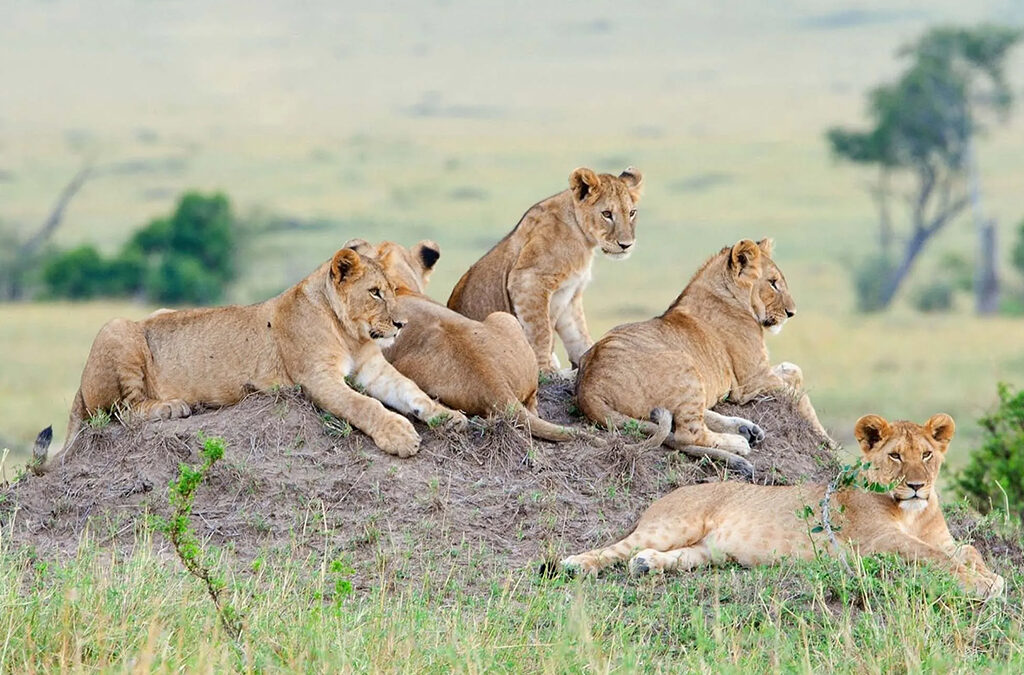
The Masai Mara National Reserve stands as Kenya’s premier destination for lion sightings throughout the year. This vast wilderness hosts some of East Africa’s largest and most active lion populations. The reserve offers visitors multiple viewing opportunities across different territories and pride areas. During the Great Migration season, lion activity increases dramatically as massive herds attract these skilled hunters. The Mara’s open grasslands and river systems create perfect hunting grounds for resident lion prides. Wildlife enthusiasts find exceptional photography opportunities while observing these magnificent cats in action. Your safari experience becomes truly memorable when you witness lions displaying their natural behaviors and social interactions.
Top Lion Viewing Areas in Masai Mara National Reserve
The Famous Marsh Pride Territory
The Marsh Pride dominates the Musiara Marsh area and attracts thousands of visitors each year. This large pride contains approximately thirty members including several adult males and females. BBC’s Big Cat Diary featured this pride extensively, making them some of the world’s most filmed lions. The marsh environment provides excellent hunting opportunities with abundant prey animals visiting water sources. Visitors often spot pride members resting under acacia trees during the hottest parts of the day. Early morning and late afternoon visits increase your chances of witnessing active hunting behaviors. The open terrain around the marsh allows for clear photography and extended observation periods.
Mara River Crossing Points
The Paradise Pride controls territory near the famous Mara River crossing points where wildebeest migrations occur. These lions have developed exceptional hunting skills by taking advantage of river crossing chaos and confusion. During migration season, the pride positions itself strategically along the riverbanks to ambush prey animals. The crossing areas provide year-round water access, attracting various game species that lions hunt regularly. Visitors witness dramatic hunting scenes as lions coordinate their attacks on vulnerable crossing animals. The river environment creates natural viewing amphitheaters where tourists observe lion behavior from elevated positions.
Ol Kiombo Airstrip Region
The Ridge Pride makes its home near the Ol Kiombo airstrip area and features several impressive males. These large males patrol extensive territories and often engage in territorial displays for visiting photographers. The pride benefits from the area’s diverse habitat including grasslands, scattered trees and seasonal streams. Game drives through this region frequently encounter lions during their morning and evening activity periods. The airstrip’s open surroundings provide excellent visibility for spotting lions from considerable distances. Local guides know the pride’s favorite resting spots and hunting areas within this territory.
Mara Triangle Conservancy
The Mara Triangle offers quieter lion viewing experiences with fewer tourist vehicles crowding sighting areas. This western section of the reserve maintains strict vehicle limits, ensuring better wildlife encounters. The triangle’s varied landscape includes riverine forests, open plains and rocky outcrops that lions use strategically. Pride territories here overlap with excellent game concentrations, providing consistent hunting opportunities throughout the year. The area’s management focuses on conservation, resulting in healthy lion populations and natural behavioral patterns. Safari vehicles access exclusive tracks that bring visitors closer to lion activities without disturbing the animals.
Olare Orok
Olare Orok Conservancy borders the main reserve and provides additional lion viewing opportunities with controlled access. The conservancy model limits visitor numbers while supporting local Maasai communities through conservation partnerships. Lions move freely between the conservancy and main reserve, expanding their hunting territories significantly. Private conservancy guides offer more flexible safari schedules and longer wildlife observation periods. The conservancy’s grasslands support large prey populations that attract resident lion prides regularly. Night drives within the conservancy reveal lion hunting behaviors that daytime safaris rarely capture.
Timing Your Lion Safari
Great Migration Advantages
The Great Migration brings millions of wildebeest and zebra through Masai Mara between July and October. This massive prey concentration attracts lions from across the ecosystem, increasing sighting opportunities dramatically. Pride territories expand as lions follow migrating herds and establish temporary hunting grounds along migration routes. River crossings create feeding frenzies where multiple prides compete for prime hunting positions and territories. The migration period offers photographers exceptional action shots of lions hunting and feeding behaviors. Tourist numbers increase during migration season, so early bookings ensure better accommodation and guide availability.
Daily Activity Patterns
Lions remain most active during cooler morning hours between sunrise and 10 AM when temperatures stay moderate. Late afternoon activities resume around 4 PM as the day’s heat begins subsiding toward evening. During midday heat, lions seek shade under trees, rocky outcrops or thick bushes for extended rest periods. These resting periods provide excellent opportunities for close observation and photography of relaxed lion behavior. Evening game drives often encounter lions beginning their nightly hunting activities as darkness approaches. Full moon nights increase lion activity levels as improved visibility helps coordinate group hunting strategies.
Unique Lion Behaviors to Watch
Tree-Climbing Phenomena
Masai Mara lions display unusual tree-climbing behaviors, particularly within the Mara Triangle’s sausage tree groves. Adult lions climb these sturdy trees during afternoon heat to escape ground-level temperatures and biting insects. The elevated positions provide lions with excellent vantage points for surveying their territories and spotting prey. Photography opportunities multiply when lions rest on horizontal branches with open savanna backgrounds below. Female lions with cubs often use elevated positions to keep young ones safe from ground predators. This behavior occurs most frequently during dry seasons when shade becomes increasingly valuable for survival.
Social Dynamics and Interactions
Lion prides demonstrate complex social structures through grooming behaviors, territorial marking and coordinated hunting activities. Adult females lead hunting expeditions while males protect territory boundaries and young cubs from threats. Inter-pride conflicts arise when territories overlap, creating dramatic confrontations that safari visitors occasionally witness. Cubs learn essential survival skills through play fighting and hunting practice sessions with patient adult females. The pride’s social hierarchy becomes apparent during feeding times when dominant animals eat first before others. These natural behaviors provide insight into lion society and survival strategies in the wild.