
A step-by-step guide to Hiking Mt.Muhavura
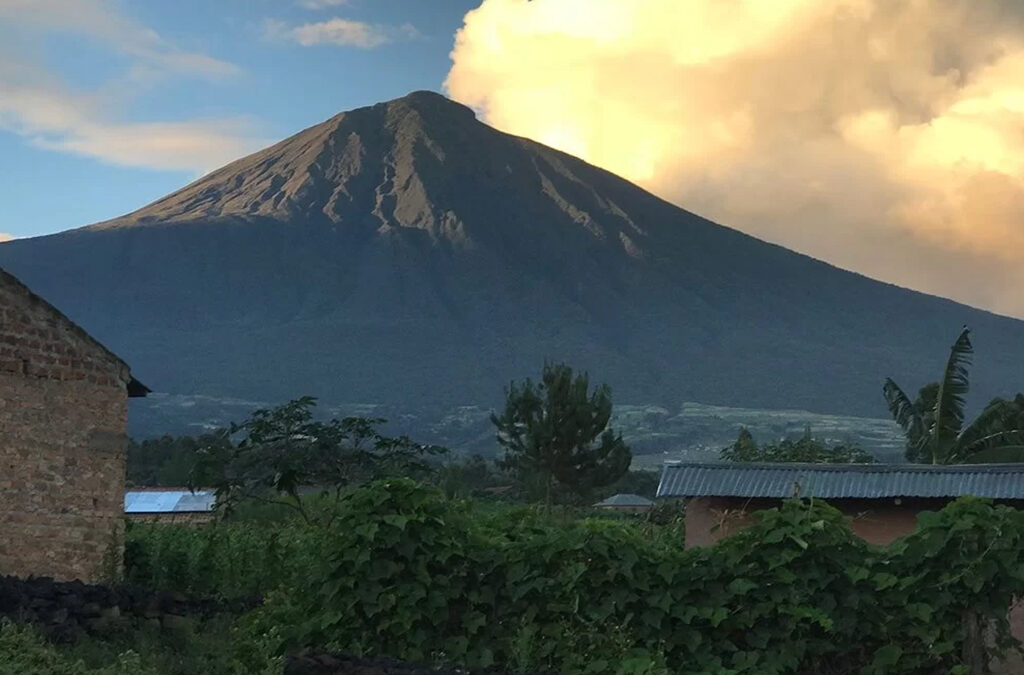
Hiking Mt. Muhavura challenges even the strongest hikers but rewards them with amazing views and rare wildlife. Mt. Muhavura, also called Muhabura, lies on the border shared by Uganda and Rwanda. It rises 4,127 meters above sea level, making it the third highest peak among the Virunga volcanoes. It may not be the tallest, but it is the steepest of all the eight volcanoes. The mountain sits partly in Uganda’s Mgahinga Gorilla National Park and partly in Rwanda’s Volcanoes National Park. Its name means “The Guide,” a word given by early travelers who used it for direction. The peak, shaped like a cone, offers hikers a stiff climb through shrubs, volcanic ash, and rocky slopes. You need energy, good gear, and mental strength to complete the hike.
Where Mt. Muhavura Is Found
Mt. Muhavura lies between Uganda and Rwanda and forms part of the Virunga Mountain range. One part sits inside Mgahinga Gorilla National Park in Uganda, while the other is in Volcanoes National Park, Rwanda. It stands near Mount Gahinga and Mount Sabyinyo, both also found in the same region. The Kabiranyuma swamp separates Mt. Muhavura from Mt. Gahinga. This area is full of shrubs, volcanic rocks, and streams. It is also home to birds, buffaloes, gorillas, and even elephants. Visitors from Uganda reach the mountain through Kisoro town and the Ntebeko Visitor Centre. Hikers in Rwanda report to Kinigi Visitor Centre in Volcanoes National Park.
Starting the Hike on Mt. Muhavura
Hiking usually starts at 7 am with a short briefing led by park rangers and guides. During the talk, the guides explain rules, the history of the mountain, and what to expect. They also check your gear, including water, packed lunch, walking stick, warm clothes, and hiking boots. Hikers moving with heavy gear may hire porters to carry their bags up the steep path. Porters are available at the starting point for a separate fee, paid in cash. In large groups, hikers are split into slower and faster groups depending on their fitness levels. This makes sure no one is left behind and the hike flows smoothly.
The First and Second Stop Points
The first stop lies at 3,117 meters and offers rest and space for eating lunch or drinking water. Many hikers choose to end their hike here and return to the base. The second stop, at 3,860 meters, is much harder to reach due to the steep climb. Past the second hut, the air becomes thin, and hikers may feel weak or dizzy. This section needs strength, good boots, and slow, steady walking. Some hikers feel sharp pain in their legs or face altitude sickness. From this point, you are very close to the summit, so most people push forward. However, always listen to your body.
What You See at the Top
The top of Mt. Muhavura offers clear views of other volcanoes like Karisimbi, Bisoke, and Nyiragongo. From the Rwanda side, hikers spot the twin lakes of Ruhondo and Burera. Lake Bunyonyi in Uganda is also visible when the skies are clear. A beautiful crater lake lies at the summit with clear cold water. Swimming is not advised because the water is extremely cold and may cause illness. Mist and clouds might block the views during some months, especially in the rainy season. Still, reaching the top brings deep joy after such a long and hard climb. Take photos, breathe fresh air, and enjoy the quiet surroundings.
The Journey Back Down
Descending Mt. Muhavura seems easier, but it strains knees, ankles, and other joints due to its slope. Slippery rocks and loose soil make going down more difficult, especially when the trail is wet. Some people feel more tired when descending than when climbing up. Pain and shaking legs may slow you down as you get closer to the base. The return path passes through thick bushes, gardens, and village trails before reaching the park office. Hikers are advised to leave the summit early enough to avoid dark paths or wild animals like buffaloes. Rangers guide hikers safely back, always staying alert and watching for signs of danger.
How to Get to Mt. Muhavura
From Uganda, the journey begins in Kampala and takes about 8 hours to reach Kisoro town. After Kisoro, a local motorcycle taxi or car drives you to the Ntebeko Visitor Centre. If using a boda boda, always get the driver’s contact number so they can return later. Few vehicles travel that route, especially in the evening, so make return plans early. If self-driving, follow the road signs carefully and avoid getting lost along the way. From Rwanda, the drive from Kigali to Volcanoes National Park takes about 3 hours. Start your journey by 5 am to reach Kinigi Visitor Centre before the 7 am briefing.
Alternative Travel Options
Tourists may book a chartered flight from Entebbe in Uganda to Kisoro with Aerolink. The flight takes about 1 hour and offers nice views of hills and lakes from the air. Your tour company driver meets you at the airstrip and drives you to the park. Those coming from Kigali in Rwanda also arrange charter flights with local companies. Flying reduces travel time but costs more than road trips. Flights are a good option for visitors with limited time or those wanting more comfort. Tour operators handle flights, drivers, and all bookings, making your trip smooth and worry-free from start to finish.
Hiking Permits and Cost
In Uganda, hiking Mt. Muhavura costs $75 per person, excluding transport, guides, and accommodation. The permit is available at the park office on the same day of the hike. Porters are hired separately for those carrying heavy bags or needing help on steep sections. Rwanda charges a similar fee for hikers starting from the Kinigi Visitor Centre. Make sure to carry your ID, payment receipt, and hiking gear before starting your journey. Booking early helps avoid delays, especially during busy tourism months like June to September.
Packing List for the Hike
To prepare for the hike, pack enough water, light snacks, packed lunch, and energy bars for the day. A walking stick helps balance during the climb and offers support on slippery slopes while descending. Wear strong hiking boots, warm socks, and rain jackets to stay dry and warm in changing weather. Add insect repellent, sunscreen, gloves, and a warm hat to your backpack for full protection. Carry a camera and binoculars to spot birds, monkeys, lakes, and distant peaks from high points. Bring extra batteries because cold weather drains them faster than normal. Avoid packing heavy items or extra clothes that you don’t need.
Tips for a Successful Hike
Start your hike slowly and save energy for the tougher sections near the top. Drink water regularly to stay strong and avoid getting tired too early. If you feel pain or discomfort, rest and admire the beautiful surroundings for a few minutes. Watch your pace and avoid walking too fast to keep your strength for the return trip. Don’t compare your speed with others; just focus on reaching the summit at your own pace. Talk with your guide when unsure or need help during the hike. Rangers are trained to handle injuries, illness, or wild animal sightings during the hike.
Things to Do After the Hike
After hiking Mt. Muhavura, explore nearby attractions like Lake Mutanda, golden monkey tracking, or Batwa pygmy visits. Gorilla trekking is also popular and takes place in both Mgahinga and Volcanoes National Parks. In Rwanda, visit the Iby’iwacu Cultural Village for music, dance, and local stories from the community. These experiences complete your mountain trip and give you more time in nature and culture. A few days of rest after the hike also help your body recover from the long journey. Always plan your trip early and work with a trusted tour company to make things easier.