
First-Time Chimpanzee Trekking – What You Need to Know
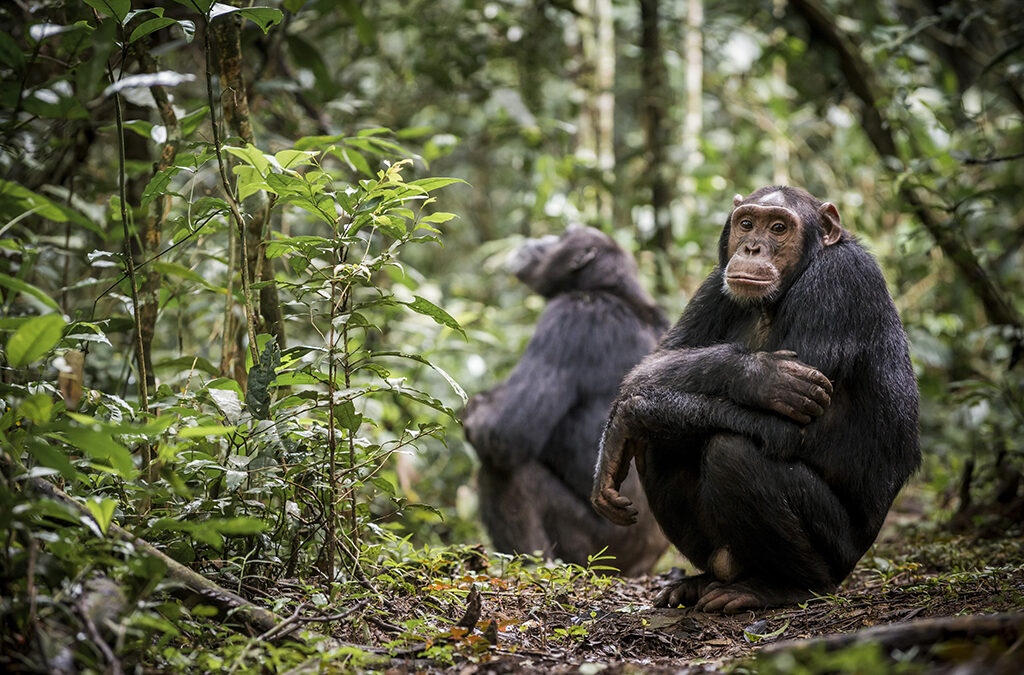
First-Time Chimpanzee Trekking gives you the chance to walk through the forest and watch wild chimpanzees in certain parks such as Kibale Forest National Park in Uganda, Nyungwe Forest National Park in Rwanda, Gombe Stream National Park and Mahale Mountains National Park in Tanzania. These primates show amazing intelligence and close social bonds. Watching them in their natural homes is exciting and educational. However, certain rules and preparations help ensure safety and success. Trekkers need to respect the animals and their surroundings. Permits are required, and following guide instructions remains vital. Wearing proper clothes, carrying the right gear, and staying healthy also matter. This guide will help you understand how to prepare, what to expect, and how to stay safe while tracking these fascinating creatures through the forest.
Book Your Permit Early
First, secure your chimpanzee trekking permit ahead of time. Spaces are limited each day, especially in high seasons. Tourists often visit during dry months, which increases demand. Booking early avoids last-minute stress and disappointment. Many national parks enforce strict visitor limits to protect the chimpanzees. These rules also reduce disturbance to their natural routines. Always check permit availability and pricing in advance. Reliable tour operators help with this process and offer guidance. Some parks include the permit in tour packages, so always confirm details before confirming any booking.
Understand the Age Restrictions
Age limits apply to chimpanzee trekking across different parks. Most locations require trekkers to be at least 12 or 15 years old. These restrictions help reduce risk to the chimpanzees. Younger children may struggle to follow safety rules or keep quiet during sightings. National park authorities enforce these guidelines strictly. If you plan a family trip, make sure your children meet the age requirement. This check avoids delays or cancellations on the trekking day. Age rules are in place for both human and animal safety.
Stay Healthy Before the Trek
Chimpanzees share close genetic links with humans, making them vulnerable to human diseases. If you feel unwell, avoid trekking to protect the chimpanzees. Coughs, flu, or stomach issues pose a health risk to the primates. Rangers or park officials might conduct health checks before the activity. They have the authority to stop anyone who appears sick. It is always better to be honest about your health. Postpone the trek if necessary, and return when fully recovered. Protecting the chimpanzees should remain a top priority for every visitor.
Pack Smart for Comfort and Safety
Proper gear makes your trekking experience safer and more enjoyable. Wear breathable clothing that blends with the forest. Long sleeves and pants help prevent insect bites. Choose sturdy hiking boots for walking on slippery or uneven trails. Always pack a light rain jacket, as forest weather often changes quickly. Don’t forget insect repellent and sunscreen. A small backpack holds your items without adding too much weight. Carry water and energy snacks for the hike. Prepare for sudden rainfall and thick vegetation. The right clothing and gear keep you comfortable and protected.
Listen to Your Guide
Your guide plays a key role throughout the trekking experience. Listen closely and follow their instructions. They know the forest trails and understand chimpanzee behavior. Their knowledge ensures both your safety and the animals’ comfort. Ask questions during the walk to learn more about the forest and wildlife. Guides also help locate chimpanzees by following vocalizations, droppings, or broken branches. Stick with the group at all times and avoid wandering off alone. Following your guide’s lead creates a smooth and rewarding trekking experience.
Keep a Safe Distance from Chimpanzees
During sightings, maintain a distance of at least eight meters (23 feet) from the chimpanzees. This space protects you and the primates. Getting too close increases the risk of disease transmission. Chimpanzees also need personal space to avoid stress. If they feel threatened, they may react unpredictably. Always wait quietly and observe their behavior from a safe position. A calm and respectful approach leads to better viewing opportunities. Avoid crouching too low or making sudden movements. Respecting distance also shows care for the animals’ wellbeing.
Avoid Noise and Direct Contact
Silence is golden during chimpanzee trekking. Loud noises scare the primates and disrupt their behavior. Avoid shouting, playing music, or speaking loudly during the trek. Never attempt to touch or provoke the chimpanzees. They are wild animals and prefer minimal disturbance. Smoking near them poses a health hazard and is strictly prohibited. Refrain from eating in front of the chimpanzees as this may change their feeding habits. All forms of human interference should be minimized. Respecting their space ensures a more peaceful encounter.
Do Not Use Flash Photography
Photography is welcome, but flash use is strictly banned. Flash frightens the chimpanzees and disturbs the forest setting. Set your camera or phone to silent mode. Use natural light whenever possible. Follow your guide’s cues on when and where to take photos. Always focus on capturing moments without distracting the animals. Avoid blocking the group’s view while photographing. Keeping your camera steady helps you take clear images without scaring the chimpanzees. Practice using your device before the trek to avoid technical issues.
Carry Water and Stay Energized
Trekking in the forest demands energy and hydration. Carry bottled water in your backpack to stay refreshed. Bring light snacks such as granola bars or dried fruits. These will help you maintain energy levels throughout the trek. Avoid heavy foods that weigh down your backpack. Drink small amounts of water often, especially in warm or humid conditions. Staying hydrated reduces fatigue and helps you enjoy the trek fully. Always pack your trash and carry it back to camp or the park entrance.
Leave No Trace Behind
Respect the forest environment by following leave-no-trace principles. Do not litter or drop any waste during the trek. Carry a small trash bag to collect your wrappers or used items. Avoid picking plants or disturbing forest life. Everything in the forest plays a role in its ecosystem. Stay on the trails and avoid creating new paths. Responsible tourism protects nature and keeps the forest beautiful for future visitors. Every small act of care matters. Your respect helps conserve chimpanzee habitats for generations.