
How Gorilla Trekking Supports Local Communities in Uganda
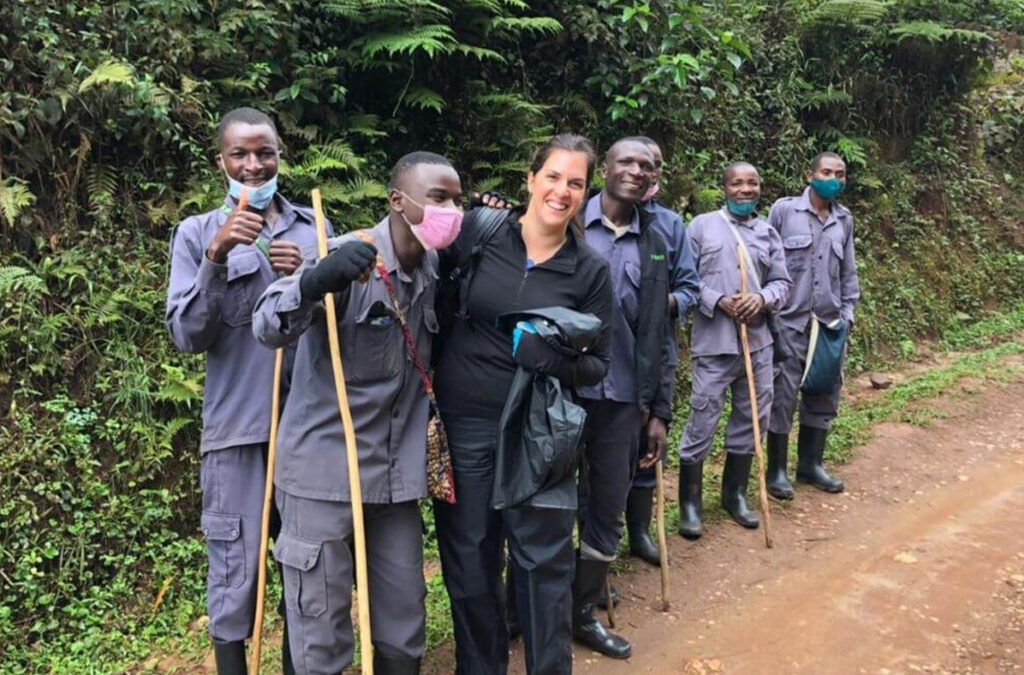
Gorilla trekking in Uganda, particularly in Bwindi Impenetrable National Park and Mgahinga Gorilla National Park, has become an essential economic activity for local communities. This experience draws tourists from all over the world, contributing significantly to local development. The income generated from trekking permits, park fees, and related services supports various initiatives that directly benefit the surrounding communities. As a result, both Bwindi and Mgahinga have witnessed economic improvements, infrastructure development, and enhanced conservation efforts. This article explores how gorilla trekking helps local communities by providing income, creating jobs, and funding conservation efforts, using specific examples from Uganda.
Economic Benefits for Local Communities
Gorilla trekking generates significant income that directly benefits local communities around Bwindi and Mgahinga. Visitors pay for trekking permits, accommodation, and other services, which contribute to the local economy. For example, the Uganda Wildlife Authority (UWA) allocates a portion of trekking permit fees to the surrounding communities through a program called the “Revenue Sharing Program.”
In Bwindi, for instance, the funds from this program have been used to build and improve community infrastructure, such as schools and health centers. The local communities benefit from these services, which were made possible by the income from trekking permits. Moreover, the Revenue Sharing Program helps local authorities address key community needs like clean water projects, access to education, and health services. This ensures that gorilla trekking has long-term benefits, not just for tourists but also for the people who live near the parks.
Job Creation and Employment Opportunities
Gorilla trekking creates numerous employment opportunities in both Bwindi and Mgahinga. Local community members are employed in various sectors that support the trekking experience. These sectors include guiding, accommodation services, and transport services, such as driving tourists to and from the parks.
In Bwindi, community members work as rangers, guides, and porters. They guide tourists through the forests, sharing their knowledge of gorillas and the local ecosystem. These jobs provide stable incomes and improve livelihoods for many families. For example, a porter in Bwindi can earn between $15 to $25 per day, which is a substantial income for the local population.
Additionally, communities benefit from the businesses that cater to tourists. Small hotels, guesthouses, and restaurants have opened up around the park, providing more jobs and boosting local economies. In Mgahinga, where tourism is less developed compared to Bwindi, similar opportunities have grown as trekking becomes more popular.
Support for Women and Youth
Gorilla trekking also supports marginalized groups, especially women and youth, by creating opportunities that were previously unavailable to them. In Bwindi, many women are now employed as porters, guides, and in tourism-related businesses. For instance, the Bwindi Impenetrable Forest Women’s Group provides women with a platform to sell handmade crafts to tourists. These crafts include baskets, jewelry, and clothing, which bring in additional income.
Youth also benefit from the rise in tourism. Local youth can take part in various training programs to become skilled workers in the tourism sector. They can learn guiding skills, hospitality management, and other trades that make them employable. The increasing number of youth who enter the tourism workforce helps to reduce unemployment and provides young people with opportunities for sustainable futures.
Community Development Projects Funded by Gorilla Trekking
In addition to the direct economic benefits, gorilla trekking supports several community development projects. One notable example is the community-owned Buhoma Community Rest Camp in Bwindi. The camp is managed by a local community group and provides an income that helps fund community projects. Profits from the camp are reinvested into educational programs and health initiatives.
Through this initiative, the community not only earns revenue but also develops a sense of ownership over tourism. The rest camp helps fund school construction, teacher salaries, and other educational needs for children in the area. In this way, local communities benefit from trekking without relying solely on outside interventions.
Furthermore, the Mgahinga Gorilla National Park has seen similar initiatives. The local community around Mgahinga has supported the establishment of a cultural village. This village serves as a tourist attraction where visitors can learn about the culture of the indigenous Batwa people. The income generated from these activities goes toward community health services and educational programs.
Improved Infrastructure and Services
Tourism from gorilla trekking has helped improve infrastructure and public services in the areas surrounding Bwindi and Mgahinga. The government, alongside UWA and local businesses, has invested in better roads, electricity, and water supply systems. These improvements benefit local communities directly by increasing accessibility and enhancing the quality of life.
For instance, roads leading to Bwindi were previously difficult to navigate, especially during the rainy season. However, the growth in tourism has led to road upgrades, which benefit not only tourists but also local farmers and traders. The improvement of roads has made it easier for locals to transport goods to markets, opening up new economic opportunities.
In addition, electricity and water supply projects have been initiated in local communities, improving living standards. In some areas, solar power systems have been installed, allowing local homes to have a steady supply of energy. This development is largely driven by the funds generated from gorilla trekking and tourism in the region.
Conservation Efforts Supported by Local Communities
Conservation efforts in Bwindi and Mgahinga are closely tied to the benefits that local communities gain from gorilla trekking. Local communities are incentivized to protect the gorillas and their habitats because they directly benefit from tourism. The UWA and various local organizations have worked together to promote the conservation of the gorillas through programs that involve local people.
In Bwindi, local communities are involved in forest protection programs that prevent poaching and illegal logging. These efforts are funded by the revenue generated from trekking permits. By ensuring that the gorillas’ habitats remain safe, the local people can continue benefiting from tourism without compromising the environment. For example, the income from gorilla trekking helps fund anti-poaching patrols that keep the area secure, which directly benefits both wildlife and the local communities.
The Batwa people, who are indigenous to the Bwindi and Mgahinga regions, also benefit from conservation initiatives. Although they were historically excluded from the forests, they now have opportunities to participate in eco-tourism initiatives. These projects include community-run tours, where visitors can learn about Batwa culture and their history with the forests. This involvement in conservation creates a direct link between protecting the gorillas and improving the lives of local communities.
Sustainable Tourism for Long-Term Benefits
Gorilla trekking, when done sustainably, offers long-term benefits for local communities. Sustainable tourism practices ensure that tourism growth does not exceed the capacity of the environment, preventing negative effects on both the wildlife and the communities. In Bwindi and Mgahinga, a strict limit on the number of trekking permits issued each day helps maintain the balance between tourism and conservation.
Local communities are encouraged to engage in responsible tourism practices, such as conserving resources and preserving cultural heritage. This ensures that the benefits from gorilla trekking are sustained for generations to come. As the industry grows, more jobs and opportunities will continue to be available, allowing the communities to thrive without depleting natural resources.