
Combining Kibeho Pilgrimage with a Safari in Rwanda: Complete Travel Guide
A Journey of Faith and Adventure
A Kibeho pilgrimage and Rwanda safari belong together more naturally than most travellers expect. Kibeho sits in the quiet hills of southern Rwanda, where pilgrims gather to pray, reflect, and seek reconciliation. A few hours away, rainforests shelter chimpanzees, volcanoes shelter mountain gorillas, and savannah plains hold elephants, lions, and rhinos. One country, one journey, and two kinds of wonder.
At Iconic Africa Safaris, we design private journeys that honour the spiritual purpose first and add wildlife second. This guide explains how a Kibeho pilgrimage and Rwanda safari fit together, covering routes, permits, seasons, costs, and three itineraries. Use it to choose the trip that suits your time, your group, and your budget. Read on, and plan with confidence.
Why Combine a Kibeho Pilgrimage with a Rwanda Safari?
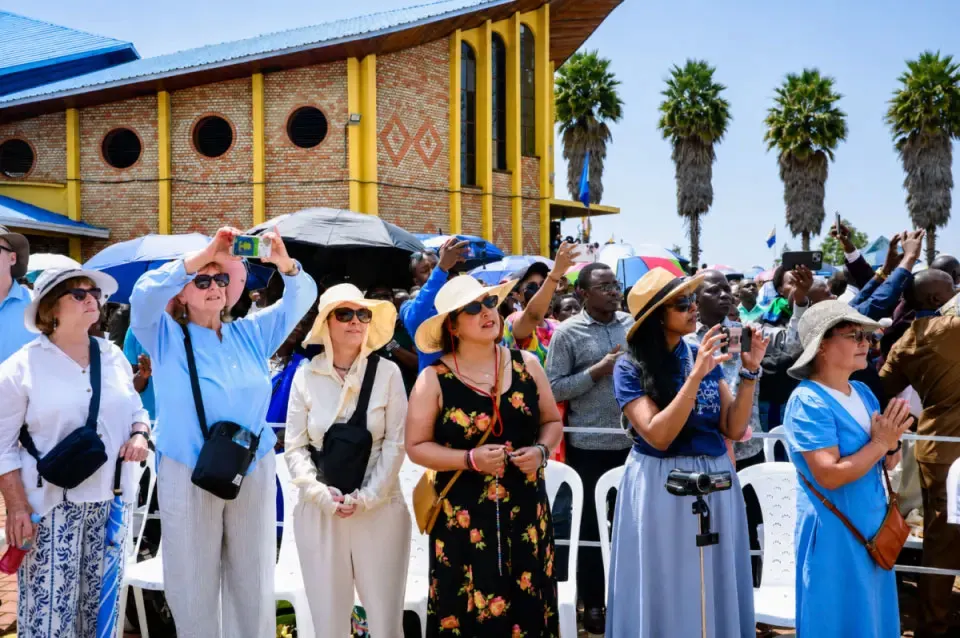
Many travellers assume they must choose between a meaningful religious journey and an adventurous wildlife holiday. Rwanda removes that dilemma. The country is small, its roads are well maintained, and its main destinations sit within a few hours of Kigali. A Kibeho pilgrimage and Rwanda safari therefore fits comfortably into one trip, with far less time on the road than comparable plans elsewhere in East Africa.
The pairing also changes how each part of the journey feels. Days of prayer at Kibeho create stillness and gratitude. Walking quietly beneath Nyungwe’s forest canopy, or sitting near a gorilla family, then reads as an extension of that reflection. Many travellers find that the wildlife deepens their sense of wonder rather than distracting from their faith.
Private travel lets you shape that rhythm yourself. You decide how long to remain in prayer, and you add wildlife only where it suits your energy and interests. Three qualities, in particular, make the combination rewarding for pilgrims, couples, and families, and each one reappears in the itineraries later in this guide:
- Context: Kibeho’s story of faith and reconciliation helps you understand modern Rwanda, which gives every later stop deeper meaning.
- Contrast: Quiet devotion at the sanctuary is balanced by the energy of game drives and the awe of primate encounters.
- Continuity: Faith, forest, volcano, and savannah days follow one logical route, so the trip feels like a single story rather than two holidays.
What Makes Kibeho an Important Catholic Pilgrimage Destination?
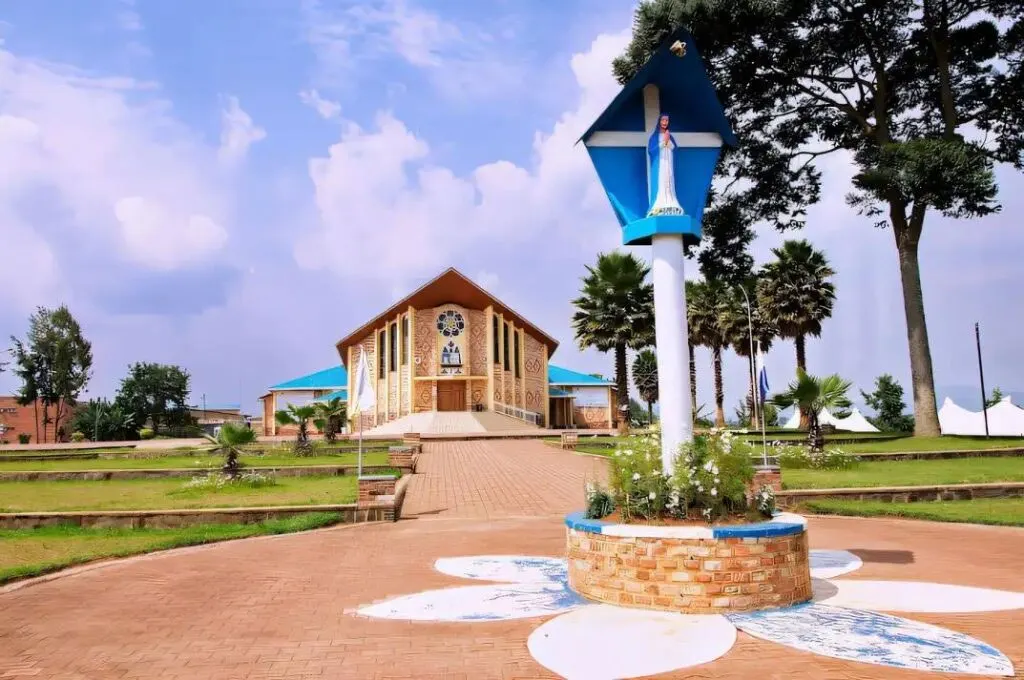
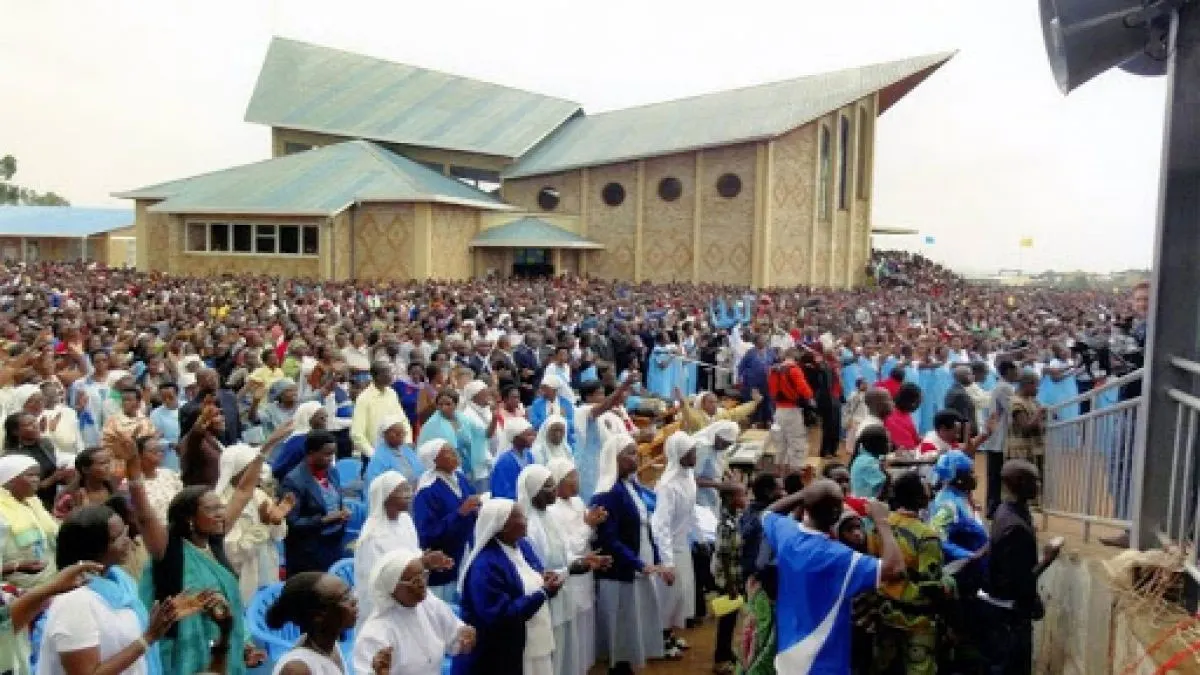
Kibeho is a small town in Nyaruguru District, in Rwanda’s Southern Province. It became a major Catholic pilgrimage destination after reported Marian apparitions began on 28 November 1981. The first visionary was Alphonsine Mumureke, a young student at the local school. Over the following years, other students reported similar experiences, and word spread quickly across Rwanda and far beyond its borders.
The Catholic Church examined the reports carefully over many years. On 29 June 2001, Bishop Augustin Misago officially recognised the apparitions associated with three visionaries. They were Alphonsine Mumureke, Nathalie Mukamazimpaka, and Marie-Claire Mukangango. This recognition is the reason Kibeho is often described as the only Church-recognised Marian apparition site in Africa, and it shapes how visitors approach the shrine.
The messages reported at Kibeho emphasise prayer, conversion, reconciliation, and sincere devotion. Pilgrims often highlight the call to repentance and the practice of praying the Rosary of the Seven Sorrows. We present these messages respectfully, as the Church has recognised them, without treating every reported supernatural claim as independently verified historical fact. Guests of every background can reflect personally, whatever their familiarity with the shrine.
Kibeho also carries a painful place in Rwanda’s modern history. Many Rwandans remember the apparitions’ warnings of violence alongside the 1994 genocide against the Tutsi, during which thousands of people were killed in and around Kibeho. A visit therefore holds both devotion and remembrance. We encourage visitors to approach the site quietly and to leave generous time for reflection and respectful silence.
Often called the Kibeho Marian Shrine in Rwanda, the sanctuary is the country’s best-known destination for religious tourism. It welcomes individual pilgrims, parish groups, and international visitors throughout the year. Understanding this history helps every visitor enter with respect, and it shapes how we design each Catholic pilgrimage to Rwanda, from the first conversation about your dates to the final day of prayer.
What Can Pilgrims Experience During a Visit to Kibeho?
Kibeho rewards slow, attentive visiting. Arrive early, move at an unhurried pace, and leave generous room for silence. Because Mass schedules and special arrangements can change, we confirm them with the sanctuary before you travel. Our plans then adjust to elderly pilgrims, large parish groups, or anyone who simply prefers a gentler rhythm on the day.
Insider Tip 1 — Reserve sufficient pilgrimage time. Allocate a complete day to Kibeho, especially if you plan to attend Mass or join extended prayer. Rushing between the sanctuary and a safari lodge removes the quiet that makes the visit meaningful. A full day also lets you rest at midday and return to the grounds in the cooler afternoon.
Most visitors choose two or three core activities and do them well, rather than attempting everything in one afternoon. Some prefer Mass and personal prayer, while others enjoy a guided walk through the grounds. Each element below carries its own devotional meaning, so choose according to your group’s spiritual priorities and energy. These are the main options for a Kibeho pilgrimage tour:
- Sanctuary of Our Lady of Kibeho: The main place of worship, where pilgrims gather for Mass, confession, and quiet prayer.
- Chapel of Apparitions: A place associated with the reported apparitions, which invites silent reflection and personal intentions.
- Holy Mass: Celebrated regularly, with timings and language options checked well before your arrival.
- Stations of the Cross: An outdoor devotion along a path through the hills, which suits cooler morning hours.
- Rosary of the Seven Sorrows: A devotion strongly associated with Kibeho’s messages, which groups often pray together.
- Personal prayer and reflection: Unstructured time to sit, pray, and absorb the peaceful hillside setting.
Dress modestly and bring comfortable walking shoes, since the grounds include slopes and uneven paths. Shoulders and knees should be covered inside sacred spaces. Weather in the southern highlands can change quickly, so carry a light rain jacket. Photography rules vary by area and during services, so ask your guide before taking pictures near the chapel or during prayer.
Many pilgrims also wish to meet local clergy or visit a nearby parish. Where possible, we arrange these moments in advance, subject to the sanctuary’s own schedule. Evenings at your lodge then become a time to journal, pray, or simply rest. That gentle rhythm prepares you for the wildlife days that follow in your Kibeho pilgrimage and Rwanda safari.
Which Rwanda Safari Destinations Combine Best with Kibeho?
Rwanda offers four standout experiences, and each pairs differently with Kibeho. Your choice depends on available days, fitness, and personal interests. Nyungwe suits a short trip, Volcanoes rewards those wanting a headline wildlife encounter, Akagera delivers classic savannah game viewing, and Lake Kivu provides rest. Choosing deliberately keeps your Kibeho pilgrimage and Rwanda safari focused rather than rushed.
Insider Tip 2 — Consider Nyungwe first. For travellers with limited time, Kibeho and Nyungwe form a more convenient pairing than adding several distant national parks. Both lie in the same broad southern region, so you spend more time experiencing and less time driving. Add Volcanoes or Akagera only when you have extra days available.
Nyungwe National Park: Chimpanzee Trekking and Rainforest Walks
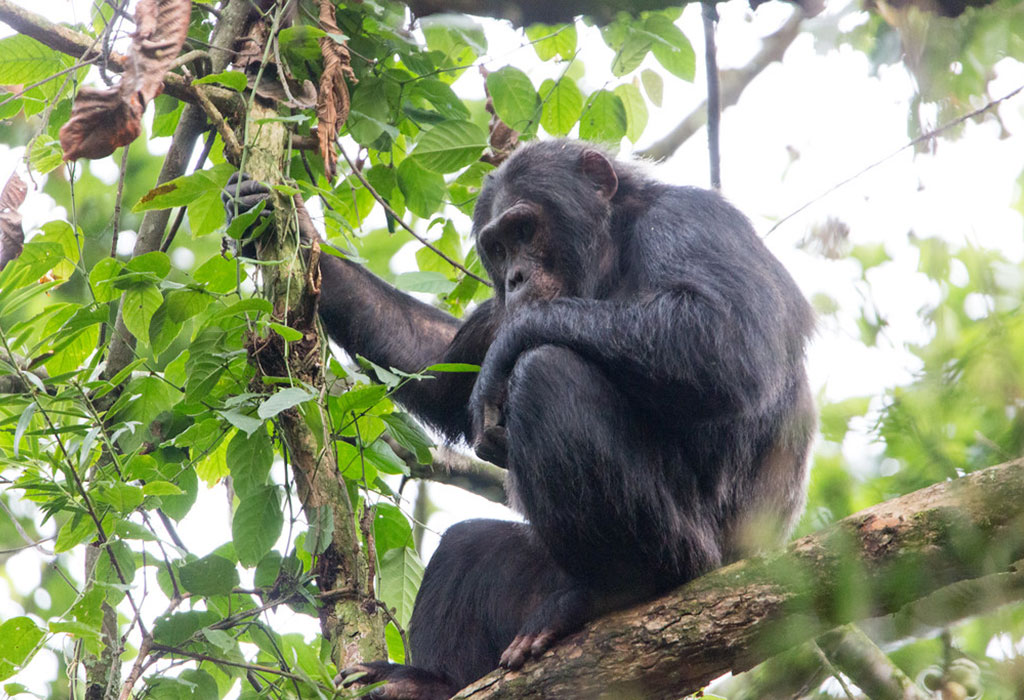
Nyungwe is the natural first extension after Kibeho. This ancient montane rainforest in southwestern Rwanda shelters chimpanzees, many other primates, and hundreds of bird species. The forest’s cool, misty atmosphere suits travellers who want calm after a day of prayer. Many guests find Nyungwe a gentle and reflective continuation of their Kibeho pilgrimage and Rwanda safari.
Chimpanzee trekking begins early and can involve steep, muddy trails, so reasonable fitness helps. The canopy walkway offers a gentler alternative, suspending visitors high above the forest floor with sweeping views. Large troops of colobus monkeys can be seen on easier walks, and birdwatchers will find guided paths suited to a slower pace.
Volcanoes National Park: Mountain Gorilla Trekking
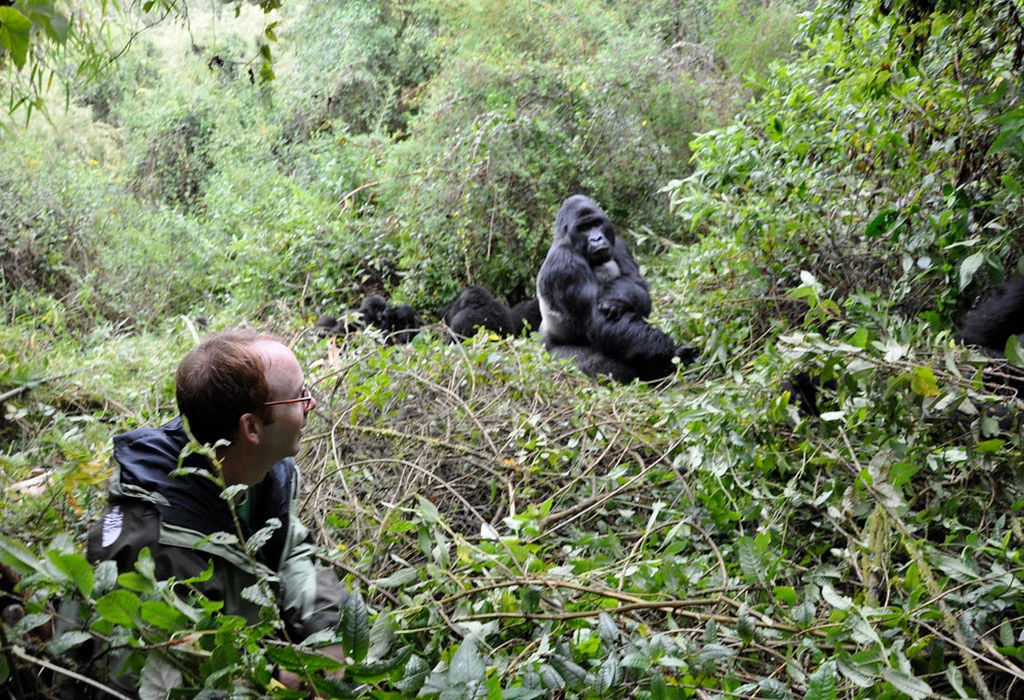
Volcanoes National Park lies in northwestern Rwanda and protects endangered mountain gorillas. Trekking a gorilla family is a deeply moving experience, and it contrasts powerfully with the spiritual stillness of Kibeho. Many travellers find that the hour with the gorillas inspires its own kind of reverence. This makes the park the most popular addition to a Kibeho pilgrimage and Rwanda safari.
The park also offers golden monkey tracking, volcano hikes, and cultural encounters with nearby communities. A hike to the grave of Dian Fossey, the researcher who devoted her life to the gorillas, appeals to those who want the conservation story behind the trek. Because the park lies far from Kibeho, we recommend at least one overnight stay near Musanze.
Akagera National Park: Big Five Wildlife Safari
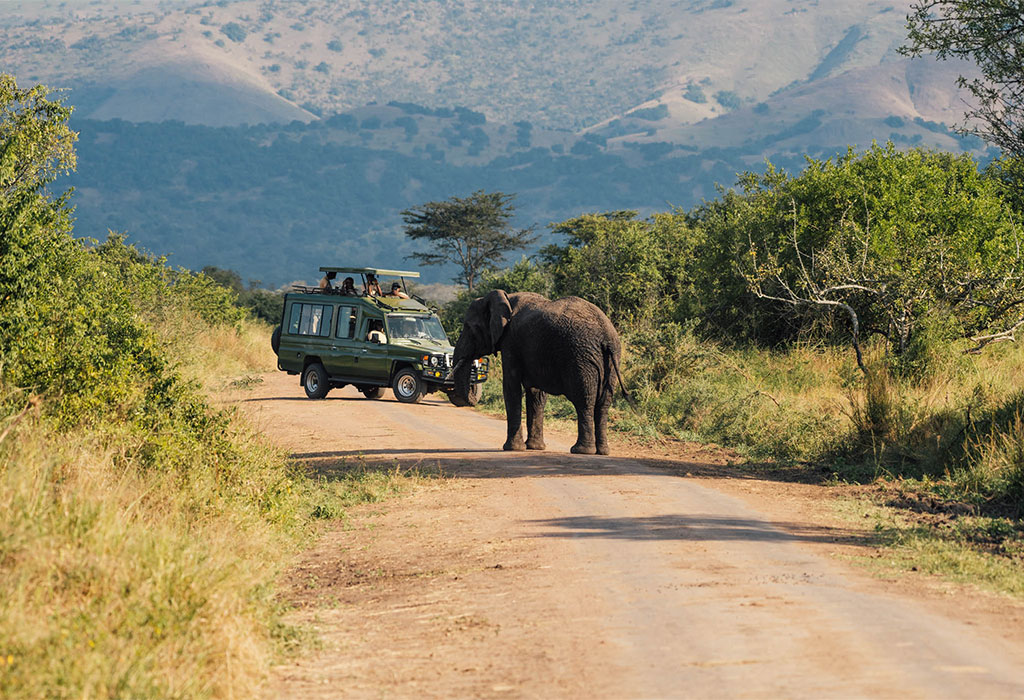
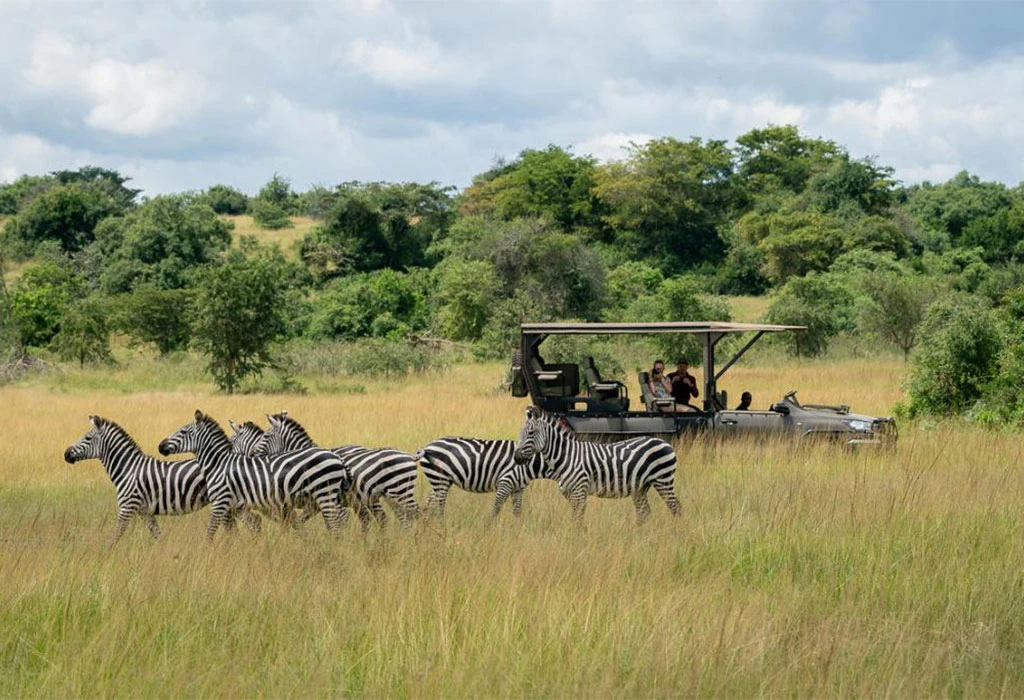
Akagera National Park, in eastern Rwanda, is the country’s only savannah park and protects lions, elephants, buffaloes, rhinos, and leopards. Game drives also reveal giraffes, zebras, and antelope, although sightings always vary by season and luck. Lake Ihema adds boat safaris, where hippos and crocodiles line the shores. Akagera suits travellers who want classic wildlife after the pilgrimage.
Akagera lies roughly two to three hours from Kigali, so it fits best at the start or end of a trip. Many itineraries place it immediately after arrival, allowing guests to recover from long flights before the pilgrimage begins. Early morning and late afternoon drives offer the softest light and the most active wildlife across the open plains.
Lake Kivu: Rest and Reflection

Lake Kivu stretches along Rwanda’s western border and offers a peaceful counterpoint to active trekking days. Lakeside lodges provide scenic views, gentle boat excursions, and time for quiet reflection. The route between Nyungwe and Volcanoes passes along its shore, so a night here fits naturally. Many travellers add Lake Kivu to finish their Kibeho pilgrimage and Rwanda safari with genuine rest.
Typical activities include a boat trip around the islands near Karongi, a visit to a coffee farm, or a slow walk along the shoreline. The lake’s calm water and cool evenings make it the gentlest stop on the entire route, which is exactly what tired trekkers need after the forest and the volcano.
Planning the Route for Your Kibeho Pilgrimage and Rwanda Safari
Kibeho lies in southern Rwanda, roughly 135 kilometres from Kigali, and the drive typically takes three to four hours. The road passes through Nyanza and Huye, where the Royal Palace Museum and the National Museum make worthwhile stops. Roads are generally good, although hill sections slow progress. Your driver-guide confirms timings on the morning of departure, since traffic and weather vary.
From Kibeho, Nyungwe is the logical next stop. Volcanoes and Akagera each require additional travel days, and they lie in opposite directions from Kigali. Planning your sequence carefully prevents backtracking and tiring double drives. A simple rule works well: visit the closest destinations first, finish with the farthest, and end near Kigali before your departure flight.
| Route | Approximate driving time |
|---|---|
| Kibeho to Nyungwe | 3–4 hours |
| Nyungwe to Lake Kivu (Karongi) | 4–5 hours |
| Lake Kivu (Karongi) to Volcanoes | 3–4 hours |
| Kigali to Volcanoes | 2–3 hours |
| Kigali to Akagera | 2–3 hours |
These figures are indicative, and exact times depend on your final accommodation and the day’s conditions. Wildlife activities start early, so we usually place nights close to the trailhead or park gate. This protects your rest and keeps the pilgrimage calm. It also makes the whole Kibeho pilgrimage and Rwanda safari easier on every traveller in your group.
Suggested Itineraries for a Kibeho Pilgrimage and Rwanda Safari
These three suggested routes put the pilgrimage first and the safari second. Each can be adjusted for dates, driving conditions, and flight times, and each is only a starting point for a personalised plan. Extra days can be added for lakeside rest or another primate activity. Together they show how a Kibeho pilgrimage and Rwanda safari works in practice.
5-Day Kibeho Pilgrimage and Nyungwe Forest Safari
This short route suits travellers who want one full pilgrimage day and one rainforest experience. Pairing Kibeho with Nyungwe keeps driving to a minimum, and the single accommodation change after the pilgrimage keeps the pace restful. Expect a gentle arrival day at the start and a relaxed return to Kigali at the end.
| Day | Plan |
|---|---|
| 1 | Kigali arrival and city orientation |
| 2 | Transfer to Kibeho via Rwanda’s Southern Province |
| 3 | Full-day Kibeho pilgrimage and prayer |
| 4 | Nyungwe chimpanzee trekking or forest experience |
| 5 | Return to Kigali |
7-Day Kibeho Pilgrimage and Rwanda Gorilla Safari
This itinerary adds mountain gorillas while keeping the pilgrimage at the centre. You travel north through Rwanda’s hills after Kibeho, then trek in Volcanoes National Park. It balances reflection, scenery, and one major wildlife highlight, which suits couples, families, and parish groups with moderate fitness. Day six is deliberately lighter, giving legs a chance to recover after the gorilla trek.
| Day | Plan |
|---|---|
| 1 | Arrival in Kigali |
| 2 | Drive to Kibeho with cultural stops |
| 3 | Kibeho pilgrimage activities |
| 4 | Travel towards Volcanoes National Park |
| 5 | Mountain gorilla trekking |
| 6 | Golden monkey trekking or a cultural experience |
| 7 | Return to Kigali and departure |
10-Day Kibeho Pilgrimage, Primates and Wildlife Safari
This comprehensive journey combines savannah wildlife, a full pilgrimage day, chimpanzees, Lake Kivu, and gorillas. It begins with Akagera so you can adjust to local time before the pilgrimage. The pace is steady rather than rushed, with lakeside rest before the final trek. It offers the fullest picture of Rwanda’s spiritual and natural character.
| Day | Plan |
|---|---|
| 1 | Kigali arrival |
| 2 | Akagera National Park game drive |
| 3 | Morning game drive and return to Kigali |
| 4 | Travel to Kibeho |
| 5 | Full-day pilgrimage and prayer |
| 6 | Transfer to Nyungwe |
| 7 | Chimpanzee trekking and forest activities |
| 8 | Travel north via Lake Kivu |
| 9 | Gorilla trekking in Volcanoes National Park |
| 10 | Return to Kigali and departure |
Each itinerary depends on permit availability, driving conditions, and departure flights. Gorilla permits are limited each day, so we recommend booking them as early as possible, particularly in peak months. If your dates are already fixed, share them with us first and we will build the route around them. The cost section later in this guide explains what each route typically involves.
Best Time for a Kibeho Pilgrimage and Rwanda Safari
Rwanda has two dry seasons and two rainy seasons. The long dry season runs from June to September, and a shorter dry spell follows from December to February. Dry months offer easier trekking, clearer skies, and firmer roads. Kibeho, however, welcomes pilgrims year-round, and the wetter months bring fewer crowds and lush green scenery.
| Season | Months | Pilgrimage notes | Safari notes |
|---|---|---|---|
| Long dry season | June–September | Comfortable weather for outdoor devotions | Best trail conditions and strong game viewing in Akagera |
| Short rains | October–November | Quieter visits and cooler days | Greener landscapes, with occasional showers on trails |
| Short dry season | December–February | Pleasant conditions for Stations of the Cross and long days outdoors | Good trekking conditions and clear mountain views |
| Long rains | March–May | Fewest visitors and peaceful prayer days | Muddy trails, lush forests, and lower lodge rates |
Insider Tip 3 — Plan around pilgrimage dates. The Assumption on 15 August and the anniversary of the first reported apparition on 28 November attract significant pilgrimage activity. Accommodation and religious arrangements deserve early attention, ideally several months ahead. Note that 15 August falls in the dry season, while 28 November falls during the short rains.
If you prefer quiet, avoid the major feast days and choose a weekday visit in a calmer month. If you want to share the atmosphere of a large gathering, plan around the feasts instead. Either approach suits a Kibeho pilgrimage and Rwanda safari, provided you secure lodging well ahead of your travel dates.
Gorilla trekking continues throughout the year, even in the rain, although trails become slippery. Waterproof layers and sturdy boots keep wet-season treks comfortable. If gorillas are your priority, aim for the dry months, when forest paths are firmer and views across the volcanoes are usually clearer. Otherwise, let your pilgrimage date lead and fit the wildlife around it.
How Much Does a Kibeho Pilgrimage and Rwanda Safari Cost?
Costs depend on trip length, accommodation level, group size, and the activities you include. Permits are the largest fixed expense, especially for gorilla trekking, while transport, guiding, and lodging make up the remainder. The table below shows indicative permit fees for the main activities in a Kibeho pilgrimage and Rwanda safari.
| Activity | Location | Indicative fee per foreign visitor | Notes |
|---|---|---|---|
| Mountain gorilla trekking | Volcanoes National Park | About US$1,500 | Limited daily permits |
| Golden monkey tracking | Volcanoes National Park | About US$100 | Shorter and gentler than gorilla trekking |
| Chimpanzee trekking | Nyungwe National Park | About US$150 | Early start |
| Canopy walk | Nyungwe National Park | About US$40 per person | Park entrance fee is extra if you are not trekking chimpanzees |
| Park entry | Akagera National Park | US$100 per day | Game drives and boat trips cost extra |
| Kibeho sanctuary visit | Kibeho | No permit required | Mass and guiding arranged separately |
These fees are indicative, set by Rwanda’s national authorities, and subject to change, so we confirm current rates when preparing your quotation. Gorilla permits dominate most budgets, which is why the 7 and 10-day routes cost noticeably more than the 5-day option. Travellers with tighter budgets can still enjoy a rich journey using Kibeho and Nyungwe alone.
| Itinerary | Indicative cost per person (two sharing, mid-range, excluding international flights) |
|---|---|
| 5-day Kibeho and Nyungwe | US$1,500–2,300 |
| 7-day Kibeho and gorillas | US$3,700–4,900 |
| 10-day Kibeho, primates and wildlife | US$5,600–7,800 |
Treat these ranges as planning guides rather than fixed prices, since the final cost of a Kibeho pilgrimage and Rwanda safari varies with season, lodge choice, group size, and permit availability. When you receive quotes from different operators, compare them line by line, because a lower headline price often leaves out items listed below:
- Usually included: A private vehicle with an experienced driver-guide, accommodation, meals as specified, activity permits where stated, and park entry fees.
- Usually excluded: International flights, visas, travel insurance, tips, and personal purchases.
- Worth discussing: Optional extras such as additional boat trips, cultural visits, or an extra rest day between treks.
Accommodation Options for Pilgrims and Safari Travellers
Accommodation shapes the mood of a pilgrimage. Near Kibeho, options are simpler, so many guests stay in Huye, where hotels offer wider choice. Nyungwe provides comfortable lodges near the forest edge, while Volcanoes and Lake Kivu range from mid-range to luxury properties. We choose each place for comfort, location, and quiet, so your Kibeho pilgrimage and Rwanda safari feels restful at every stop.
- Huye and Kibeho area: Practical, comfortable stays that keep the pilgrimage day relaxed and the drive to the sanctuary reasonable.
- Nyungwe: Forest lodges that place you close to trailheads, which reduces early-morning travel before chimpanzee trekking.
- Volcanoes and Musanze: Properties near the park offer mountain views and easy access to gorilla briefing points.
- Lake Kivu: Lakeside lodges provide calm evenings, gentle excursions, and a peaceful finish to a demanding trekking week.
- Akagera: Savannah lodges and camps place you near the game-drive routes and Lake Ihema.
Share your preferred comfort level and any accessibility needs, and we will propose lodges that suit your group and keep daily drives sensible. Simpler lodgings near the sanctuary often suit pilgrims who value quiet over luxury, while a more comfortable property after the pilgrimage can restore energy before the trekking days begin.
Planning for Families, Couples and Catholic Groups
Families need to plan around age limits. Gorilla trekking has a minimum age of 15, and chimpanzee trekking a minimum of 12. Younger children can still enjoy Kibeho, cultural visits, game drives in Akagera, and boat trips. Shorter drives and flexible days help every generation feel included, and nobody is left waiting at the lodge while others trek.
Insider Tip 4 — Match activities to travellers’ abilities. Elderly pilgrims or families with different fitness levels may prefer a scenic safari, canopy walk, or cultural tour rather than strenuous gorilla trekking. Porters and slower-paced treks help, but honest conversations about fitness always produce the best experience for everyone involved.
Couples often value privacy and atmosphere. We favour quiet lodges, unhurried mornings, and lakeside evenings, so the trip feels contemplative rather than crowded. Anniversary pilgrimages and renewals of vows are especially popular occasions. Small gestures, such as a private sunset boat trip on Lake Kivu, can be arranged to make the occasion memorable, and the rest follows from what the journey means to you.
Catholic groups can arrange private pilgrimages with a dedicated vehicle, a consistent driver-guide, and a schedule built around prayer. Group leaders or chaplains can shape the spiritual programme in advance, and we coordinate timings with the sanctuary and manage the logistics. That leaves your leader free to focus on the spiritual life of the group throughout the Kibeho pilgrimage and Rwanda safari.
Practical Travel Advice and Preparation
Good preparation keeps a pilgrimage calm and a safari comfortable. Visas, vaccinations, and safety are covered in the questions below, so this section focuses on local details that shape ordinary travel days. These small points rarely appear in generic advice, yet they matter on a Kibeho pilgrimage and Rwanda safari:
- Packing: Bring layers, a waterproof jacket, sturdy hiking boots, long socks, and light gloves for trekking through vegetation.
- Umuganda: Rwanda holds national community work on the last Saturday of each month, which can limit morning travel in some areas.
- Plastic bags: Rwanda bans single-use plastic bags, so avoid packing them and carry reusable bags instead.
- Money: Carry some local currency for small purchases, since cards are not always accepted in rural areas.
Why Book with Iconic Africa Safaris?
As a local tour operator, we design private journeys around the purpose of your trip. We arrange transport, accommodation, pilgrimage logistics, and safari permits where included, then adjust each plan to your faith, fitness, and budget. Nothing is copied from a template, and we confirm permit dates and driving times well before you arrive, so surprises stay rare.
A Kibeho pilgrimage and Rwanda safari asks for two kinds of care: reverence at the sanctuary and precision on the trails. We bring both, handling the details quietly in the background so you can focus on prayer, wildlife, and time with the people you love. Our knowledge of Rwanda’s routes, lodges, and permit rules lets us build realistic plans quickly.
Frequently Asked Questions
How many days do I need for a Kibeho pilgrimage and Rwanda safari?
Plan one full day for Kibeho and one day for each primate trek, then add arrival, departure, and transfer days. That arithmetic usually gives five days for Nyungwe, seven for gorillas, and ten when Akagera and Lake Kivu are included. Travellers who prefer a slower pace should add one buffer day after the longest drive.
Do I need a visa or vaccinations for Rwanda?
Entry rules depend on your nationality, so check Rwanda’s current visa requirements shortly before travel and carry a passport valid for at least six months. The East African Tourist Visa also covers Uganda and Kenya for eligible travellers, which helps if you plan a regional trip. Ask a travel clinic about vaccinations, including yellow fever, and arrange comprehensive travel insurance before departure.
Is Rwanda safe for pilgrims and safari travellers?
Rwanda is widely regarded as one of Africa’s safer and cleaner destinations, with well-organised tourism and good roads. Normal precautions still apply, such as keeping valuables out of sight in towns and following your guide’s advice on trails. Check your government’s latest travel advice before departure, and tell us about any health or mobility concerns so we can plan around them.
Can I combine Rwanda with gorilla trekking in Uganda?
Yes. Volcanoes National Park lies close to Uganda’s border, so travellers can finish their Rwandan itinerary and continue towards Bwindi for gorilla trekking there. Kigali is also a convenient entry point for Uganda’s southwest. We can design a cross-border route, although the extra border formalities and driving time mean it works best with several additional days.
Can I arrange a Mass intention or make a donation at Kibeho?
Mass intentions and offerings are usually arranged through the sanctuary or the parish office, and giving is entirely voluntary. We can help you make enquiries in advance so your request is ready when you arrive. Please ask your guide about appropriate ways to give, and about local customs to follow when attending services.
What tips are customary for guides and porters?
Tipping is appreciated rather than required, and amounts depend on your satisfaction and your budget. Guides, porters, trackers, and lodge staff often value tips as a meaningful part of their income. We share practical guidance before departure and suggest bringing small notes in US dollars or Rwandan francs, so you can tip comfortably at the end of each activity.
Can I travel alone or as a small group?
Yes. Because our journeys are private, solo travellers and small groups are welcome. The vehicle and guide cost is shared among fewer people, so the price per person is higher than for couples or families. Travelling with friends or fellow parishioners spreads that cost and can make the pilgrimage more rewarding. Tell us your preferences and we will propose a route that fits your budget.
Ready to Book Your Kibeho Pilgrimage and Rwanda Safari?
Iconic Africa Safaris offers three simple, reliable ways to secure your unforgettable Kibeho Pilgrimage with a Safari in Rwanda. Simply complete our quick online booking form to start planning your dream safari experience right away. Our friendly team also welcomes direct emails at info@iconicafricasafaris.com to discuss your specific travel plans and preferences. For WhatsApp messages and calls, tap the green WhatsApp icon in your screen’s bottom right corner anytime.
Your experience on the ground matters just as much as your itinerary. Our experienced driver guides understand Rwanda’s wildlife and cultural heritage and help you appreciate the places you explore. They accompany you throughout your safari, from the initial airport pickup to your final drop off, coordinating daily travel and activities while sharing local knowledge that adds depth to every destination. With thoughtful planning and personal guidance, your safari becomes more than a holiday; it becomes a collection of lasting memories.