
Gorilla Trekking Cost for Sole Travellers in Uganda: The Complete Price Guide
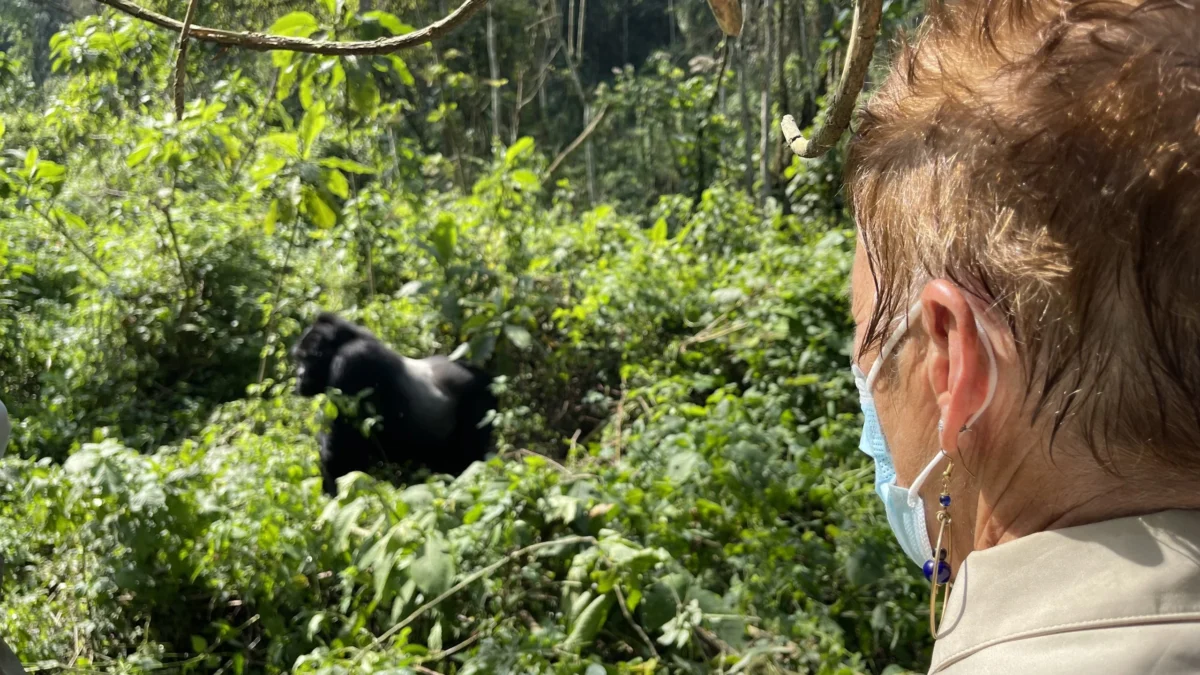
Gorilla Trekking Cost for Sole Travellers in Uganda: The Complete Price Guide By Iconic Africa Safaris
Sole travellers do not pay more for a gorilla permit simply because they are alone. They may, however, face higher per-person costs for private transportation and single-room accommodation. This guide explains where those costs come from and how we plan around them.
How Much Is the Gorilla Trekking Cost for Sole Travellers in Uganda?
For a sole traveller who wants comfortable budget accommodation and a professionally organised safari, $700–$800 per day is a useful starting point. It includes the permit, ground transportation, accommodation and meals.
| Safari duration | Estimated starting budget |
|---|---|
| 2 days | $1,400–$1,600 |
| 3 days | $2,100–$2,400 |
| 4 days | $2,800–$3,200 |
These are planning estimates based on the daily rate, not confirmed quotations. The actual price can be higher or lower depending on the current permit tariff, lodge availability and your transport needs.
A two-day safari may suit travellers arriving in Kigali who want to trek in southern Bwindi Impenetrable National Park or in Mgahinga Gorilla National Park. If you are starting in Entebbe, allow more time, because the road journey to southwestern Uganda is considerably longer.
When you contact us, tell us you are travelling alone. We calculate your quotation for one person in one room, not for two people sharing.
What Does the Price Include?
When you book with Iconic Africa Safaris, we handle every part of the trip, so the main inclusions are clear from the start.
1. Gorilla trekking permit
A valid permit is essential for joining a mountain gorilla trek, and it is usually the largest single expense. We secure it for you. The fee is charged per person, whether you travel alone, as a couple or in a group, and your nationality and residency category determine the rate. We confirm the current tariff with the Uganda Wildlife Authority before we finalise your quotation.
The permit alone does not cover transport, accommodation or meals. We list those separately in your quotation.
2. Transportation and driver-guide
We provide a suitable safari vehicle and a professional driver-guide. The cost depends on distance, the number of days, fuel and whether the vehicle is private or shared. A solo traveller in a private vehicle carries a larger share of that expense than someone splitting it with other guests. Your starting point matters too: Kigali is convenient for southern Bwindi and Mgahinga, while Entebbe suits travellers who arrive in Uganda or want to combine gorillas with other destinations.
3. Accommodation
Cost depends on the lodge’s standard, its location and whether you occupy the room alone. Comfortable budget lodges offer a clean room, a good bed, meals and a convenient base for trekking. Mid-range and luxury lodges add facilities, larger rooms, better views or more personal service. We confirm the single-occupancy rate with the lodge so you see the real price.
4. Meals and drinking water
Your quotation states which meals are provided and that drinking water is available throughout the journey. If you leave early for the trek, we arrange an early breakfast or a packed lunch.
Why Can Gorilla Trekking Cost More for Sole Travellers?
Travelling alone does not make every part of a safari more expensive. The difference comes from services that two or more people would normally share.
Private transportation
Two travellers in one vehicle split the cost of fuel, vehicle hire and the driver-guide. A solo traveller booking privately may cover most or all of it. Joining one of our confirmed group departures can reduce the bill, provided the dates and itinerary suit you.
Single-room accommodation
Many lodges quote prices per person sharing a double or twin room. When one person occupies the room, a single supplement may apply, and it varies by property, room type and season. We quote the rate for one person in one room.
Flexibility and itinerary length
Solo travellers often have more freedom to adjust dates and routes, which helps us secure suitable permits and lodging without unnecessary transfers or extra nights. Adding days raises the cost through accommodation, meals and vehicle use, so we aim for an itinerary that balances convenience, comfort and value.
Private Safari or Group Departure: Which Is Better?
Private gorilla trekking safari
A private safari suits you if you value independence, personal attention and flexibility. You can choose your accommodation, agree a departure time and add other destinations where the schedule allows. The drawback is that you pay for a dedicated vehicle and driver-guide even though you are travelling alone.
Group gorilla trekking safari
A group safari lets you share transport costs with other travellers, and it works well if your dates are flexible. Group departures follow set routes, lodges and schedules, and they run only once the departure is confirmed. Before you commit, we tell you whether the group is confirmed, what the price includes, how permits are arranged and whether any extra charges apply.
Two-Day Gorilla Trekking Cost for Sole Travellers
A two-day itinerary is one of the shortest practical ways to focus on mountain gorillas. You travel to the trekking region, spend the night near the park headquarters, trek the next morning, then return to your departure point or continue elsewhere. Based on the daily planning budget, a two-day safari starts at an estimated $1,400–$1,600 per person.
Whether it works depends on where you arrive. From Kigali, southern Bwindi or Mgahinga may be easier to reach, subject to border formalities, road conditions and permit availability. From Entebbe the journey takes longer, and squeezing a long transfer and a trek into a tight schedule can leave you tired before the main event. Tell us your arrival and departure times and we will say honestly whether two days is realistic.
Three-Day Gorilla Trekking Cost for Sole Travellers
A three-day safari offers a more relaxed balance between travel and trekking. It can include a transfer to Bwindi or Mgahinga, a night or two near the park, the trek itself and a comfortable return. At the same comfortable budget rate, the estimated starting cost is $2,100–$2,400 per person.
This option works particularly well from Kigali with a trek in a southern sector of Bwindi. If you depart from Entebbe, an extra day often makes the journey easier, and a slightly higher price can be better value when it avoids long transfers and unplanned expenses.
Comfortable Budget, Mid-Range and Luxury Safaris

Comfortable budget gorilla trekking
These safaris suit travellers who want a well-run experience without paying for luxury: clean lodging, reliable transport, meals and convenient access to the trekking area. The $700–$800 daily rate in this guide applies to this category, as a starting estimate rather than a guaranteed rate.
Mid-range gorilla trekking
Mid-range lodges may offer more spacious rooms, better views and extra facilities. For a solo traveller, the price depends on the lodge’s single-occupancy policy, the season and room availability, so we prepare a personalised quotation rather than applying a per-person sharing rate.
Luxury gorilla trekking
Luxury safaris can include high-end lodges, personalised service, premium vehicles and, where appropriate, domestic flights. Because these arrangements raise the total considerably, we price them from the actual lodge, transport, permit and dates rather than a general daily estimate.
Starting in Kigali or Entebbe
Starting in Kigali, Rwanda
Kigali is often a convenient gateway for southern Bwindi and Mgahinga. The overland journey is generally shorter than from Entebbe, although border crossing times, weather and road conditions affect the real travel time. Because you enter Rwanda and then continue into Uganda, we help you confirm entry requirements and plan the transfer to your trekking sector.
Starting in Entebbe, Uganda
Entebbe is the natural starting point if you arrive directly in Uganda or want a broader safari. The drive to Bwindi can take much of a day, so a longer itinerary is often more comfortable, especially if you want to add Queen Elizabeth National Park for game drives and boat trips, or Lake Bunyonyi for canoeing and relaxation.
Compare the full cost of both gateways, including international flights, ground transport, accommodation and border-related expenses. A shorter drive does not automatically make the whole trip cheaper.
Bwindi or Mgahinga?
Uganda has two mountain gorilla trekking destinations. Bwindi has several sectors, including Buhoma, Ruhija, Rushaga and Nkuringo. Buhoma, in the north, suits itineraries that combine gorillas with other parts of western Uganda. Rushaga and Nkuringo, in the south, are often convenient for travellers coming from Rwanda. Ruhija, in the east, offers a different landscape and access route.
Mgahinga is smaller and sits in the Virunga volcanic landscape near the borders of Rwanda and the Democratic Republic of the Congo. It has a distinctive mountain setting, though permit availability depends on the trekking allocation.
For most solo travellers, the best choice is the sector that matches the permit, arrival point and available lodging. We build your itinerary around that sector, so you are not driving far from your trekking headquarters before dawn.
How to Prepare for Your Gorilla Trek
Gorilla trekking means walking through natural forest that can be steep, muddy, slippery and humid. Some visitors find the gorillas quickly, while others spend several hours walking with ranger guides.
Your day begins with a briefing at the park headquarters, where rangers explain the rules, assign trekking groups and give guidance on behaving responsibly around the gorillas. Visitors must be at least 15 years old, and anyone showing signs of a potentially contagious illness may be prevented from joining to protect the gorillas.
In the weeks before you travel, practise walking on uneven ground in the boots you plan to wear. Pack a waterproof jacket, long trousers, long-sleeved clothing, gardening gloves, drinking water, insect repellent and a small daypack. A face mask may be required under park guidance, so we share the latest instructions before you travel.
Consider hiring a porter to carry your bag or steady you on slippery sections; porters also benefit directly from tourism income. If you have mobility concerns, tell us in advance so we can explore practical arrangements.
When Is Gorilla Trekking Cheapest?
Gorilla trekking takes place all year, subject to permit availability and park conditions. Drier periods attract strong demand, so permits and lodging can run short on popular dates. In wetter periods, forest trails are muddier and road journeys can take longer.
Some periods such as April, May and November offer discounted permits (from $800 to $600) and lower accommodation rates, but any offer depends on the official tariff and the terms in force for your dates. We confirm whether a concession applies to your nationality or residency category and whether your dates qualify.
If you are flexible, ask us to compare the full package cost across several departure dates. A cheaper permit can bring real savings, but overall value also depends on lodging, transport and road conditions. Book early, especially if you need a specific date or sector.
Where Will You Stay as a Solo Traveller?
We choose lodges that combine comfort, a suitable price and easy access to your assigned trekking headquarters. For each lodge, we check:
- Location: how long it takes to reach the correct park headquarters.
- Room rate: that the price is for single occupancy, not two people sharing.
- Meals: that breakfast, lunch and dinner are included.
- Practical facilities: drinking water, early breakfast and packed lunch arrangements.
- Access: that our safari vehicle can reach the property comfortably.
- Availability: that the room is confirmed for your actual dates.
A lodge with a lower advertised rate is not always the better deal if it adds extra driving or an early transfer over a difficult road. We confirm your permit allocation first, then build the itinerary around the right starting point.
Additional Costs to Budget For
Even when your package covers the main services, some expenses sit outside the quoted price. A realistic view of the gorilla trekking cost for sole travellers should allow for:
- International flights to Uganda or Rwanda.
- Visa fees and border-entry expenses.
- Travel insurance, including medical and evacuation cover.
- Airport accommodation before or after the safari.
- Tips for your driver-guide, rangers where permitted, porters and lodge staff.
- Laundry, alcoholic drinks, souvenirs and personal purchases.
- Optional activities not listed in the itinerary.
- Extra accommodation caused by flight schedules or changes of plan.
Our written quotation lists inclusions and exclusions so you know exactly what you are paying for. It also states the payment currency, deposit, balance due date, cancellation conditions and refund policy.
Is Uganda Suitable for Solo Gorilla Trekking?
Yes. Uganda can be a rewarding destination for people travelling alone, especially when permits, lodging and transport are arranged in advance. We coordinate everything from airport pickup and road transfers to lodge bookings and trekking logistics, so you can focus on the experience.
For extra peace of mind, share your itinerary with someone you trust, keep emergency contacts handy and confirm that your travel insurance covers your planned activities. Follow your driver-guide and the park rangers at all times, stay with your assigned group and respect the rules for responsible wildlife encounters.
Common Budgeting Mistakes to Avoid
The most common mistake is judging a package by its advertised total alone. A low price may leave out the permit, some meals, accommodation or essential transport. Another is allowing too little time: cutting an overnight stay to save money can create a punishing schedule, particularly from Entebbe.
Solo travellers should also not assume that per-person-sharing rates apply to single occupancy. Finally, budget for tips, personal purchases and surprises. A small contingency gives you room to adapt if plans change or you want to add an activity.
How to Book Your Uganda Gorilla Trekking Safari
Iconic Africa Safaris offers three simple, reliable ways to secure your next unforgettable Ugandan adventure today. Simply complete our quick online booking form to start planning your dream safari experience right away. Our friendly team also welcomes direct emails at info@iconicafricasafaris.com to discuss your specific travel plans and preferences. For WhatsApp messages and calls, tap the green WhatsApp icon in your screen’s bottom right corner anytime.
Your experience on the ground matters just as much as your itinerary. Our experienced driver guides understand Uganda’s wildlife and cultural heritage and help you appreciate the places you explore. They accompany you throughout your safari, from the initial airport pickup to your final drop off, coordinating daily travel and activities while sharing local knowledge that adds depth to every destination. With thoughtful planning and personal guidance, your safari becomes more than a holiday; it becomes a collection of lasting memories.
Frequently Asked Questions About Gorilla Trekking Cost for Sole Travellers
How much does gorilla trekking cost for solo travellers in Uganda?
For a comfortable budget safari, Iconic Africa Safaris uses a starting planning estimate of $700–$800 per person per day, which covers your gorilla permit, transportation, accommodation and meals. A two-day trip therefore starts around $1,400–$1,600, and a three-day trip around $2,100–$2,400. Your final cost depends on the current permit tariff, travel dates, route, lodge category and trip length, so we confirm everything in a written quotation before you pay.
Can I trek gorillas in Uganda alone?
Yes. You can book a gorilla trekking safari as a solo traveller, and we arrange the permit, transport and lodging for you. The trek itself, however, takes place under park regulations with authorised ranger guides and a small group of other visitors assigned on the day. It is not an independent walk through the forest, and you must stay with your group and follow the rangers’ instructions throughout.
Do solo travellers pay more for gorilla trekking?
Solo travellers may pay more per person for transport and accommodation, because those costs are usually split between two people. A private vehicle and driver-guide, and a single-room supplement at some lodges, can raise your share. The gorilla permit itself is charged per person, so travelling alone does not increase it. We quote your trip for one person in one room, so you see the true cost upfront.
Can I join a group gorilla trekking safari?
Yes, if a suitable group departure is available. Joining a group lets you share vehicle and driver-guide costs, which can lower the price for a solo traveller. Group trips follow fixed dates, routes and lodges, and they run only once the departure is confirmed. Before you book, we confirm the departure date, minimum group size, permit availability, what is included and the final price.
Is the gorilla permit included in the $700–$800 daily estimate?
Yes. The $700–$800 daily planning estimate includes your gorilla permit, transportation, accommodation and meals. It is a starting guide rather than a guaranteed package rate, because the permit tariff, lodge choice and travel dates can shift the total. Your written quotation from Iconic Africa Safaris confirms the current permit price and lists every inclusion and exclusion for your dates, so nothing is left unclear.
When is gorilla trekking cheapest in Uganda?
Some travel periods may offer discounted permits or lower lodge rates, often outside the busiest dry months, but offers depend on the official tariff and the terms in force for your dates. Do not rely on old discount announcements. If your dates are flexible, we can compare the full package cost across several departure dates and confirm whether any concession applies to your nationality or residency category before you book.
Is Kigali or Entebbe better for a solo gorilla safari?
Kigali can be convenient for southern Bwindi and Mgahinga because the overland journey is usually shorter, though you must handle Rwanda entry and border crossing. Entebbe suits travellers arriving directly in Uganda or combining gorillas with Queen Elizabeth National Park or Lake Bunyonyi. The better choice depends on your flights, budget and time, and we help you weigh road transfers, accommodation and border requirements.
How many days do I need for gorilla trekking?
Two or three days can be enough for a focused gorilla safari, depending on your arrival point, trekking sector and permit availability. From Kigali, two days may work for southern Bwindi or Mgahinga. From Entebbe, the road journey is long, so three days or more is more comfortable. Tell us your arrival and departure times and we will recommend a realistic length.
What should I pack for gorilla trekking?
Pack sturdy, broken-in hiking boots, long trousers, long-sleeved clothing, a waterproof jacket, gardening gloves, drinking water, insect repellent and a small daypack. The forest can be steep, muddy and humid, so quick-drying layers help. A face mask may be required under park guidance. We share the latest park requirements before you travel and can arrange a porter to carry your bag if you wish.
What is the minimum age for gorilla trekking in Uganda?
The minimum age for gorilla trekking in Uganda is 15 years, and this rule protects both young visitors and the gorillas. Anyone showing signs of a contagious illness, such as a cold, flu or stomach bug, may also be prevented from joining the trek, because gorillas can catch human infections. If you feel unwell before your trek, tell us early so we can advise you.
Can I take photographs during the gorilla trek?
Yes. Cameras are generally permitted during the gorilla trek, but flash photography is strictly prohibited because it can startle the gorillas. Keep your movements slow, your voice low and follow the ranger’s instructions throughout the encounter, including staying the required distance from the animals. Dim forest light makes a camera with good low-light performance helpful, and a waterproof cover protects your gear from rain and humidity.