
7-Day Uganda Gorilla and Chimpanzee Safari
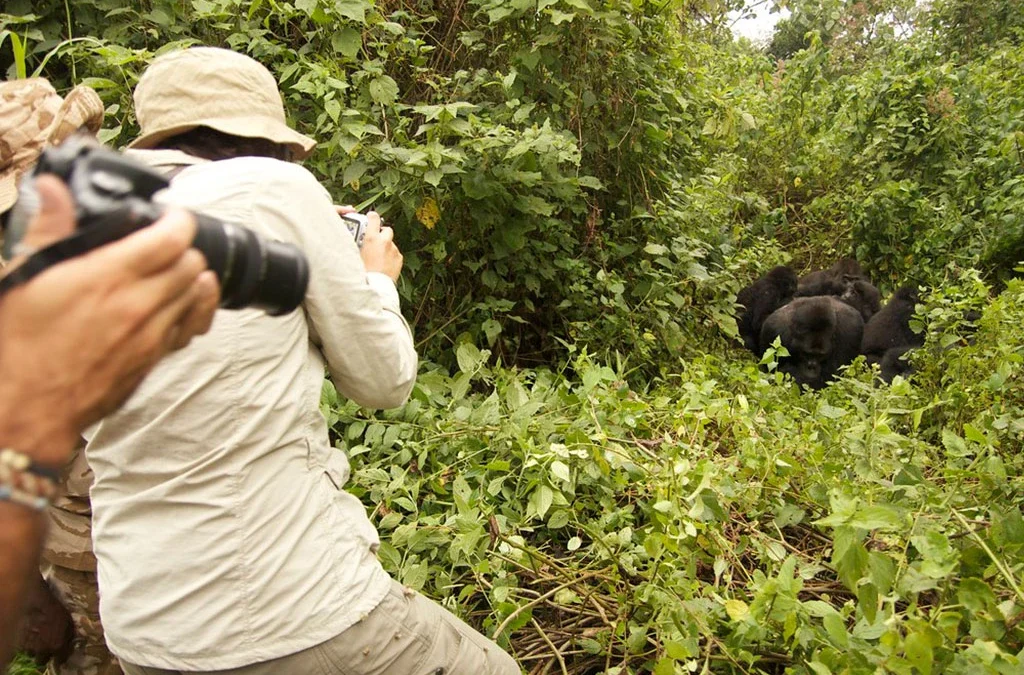
7-Day Uganda Gorilla & Chimpanzee Safari: Itinerary and Cost
Seven days is the sweet spot for meeting Uganda’s most loved primates and seeing classic African wildlife. This 7-Day Uganda Gorilla and Chimpanzee Safari takes you through Kibale Forest, Queen Elizabeth National Park and Bwindi Impenetrable Forest. Along the way, you meet wild chimpanzees, cruise past thousands of hippos and track mountain gorillas. Best of all, you do it without racing between destinations.
Iconic Africa Safaris handles every detail, from permits and lodges to your private 4×4 and driver-guide. As a result, you simply arrive and enjoy Uganda. Whether you start in Entebbe, Kampala or Kigali, the itinerary keeps each day full but never rushed. Therefore, you spend your time on the experiences instead of the logistics.
Check Availability & Get Your Safari Quote →
7-Day Uganda Gorilla and Chimpanzee Safari at a Glance
Here is a quick summary of the trip before we go into the details. Every part of this safari can be adjusted to your dates, budget and comfort level. So, treat it as a strong starting point rather than a fixed package. In addition, the price guide below covers the full trip.
| Detail | Information |
|---|---|
| Duration | 7 days / 6 nights |
| Main destinations | Kibale, Queen Elizabeth & Bwindi |
| Main experiences | Chimpanzee trekking, gorilla trekking, game drives, boat cruise |
| Starting point | Entebbe or Kampala |
| Alternative start | Kigali, Rwanda |
| Safari style | Private and customized |
| Accommodation | Comfortable lodges, with mid-range and luxury upgrades on request |
| Price guide | $390 per person per day (about $2,730 per person) |
The price guide covers both trekking permits, lodging, meals, transport and park fees. In other words, most of your major costs are already included. However, flights, visas and insurance are extra. The cost section below explains how the daily rate works, so you can plan your budget with confidence. Also, we confirm every figure in writing before you pay anything.
Why Choose a 7-Day Uganda Gorilla and Chimpanzee Safari?
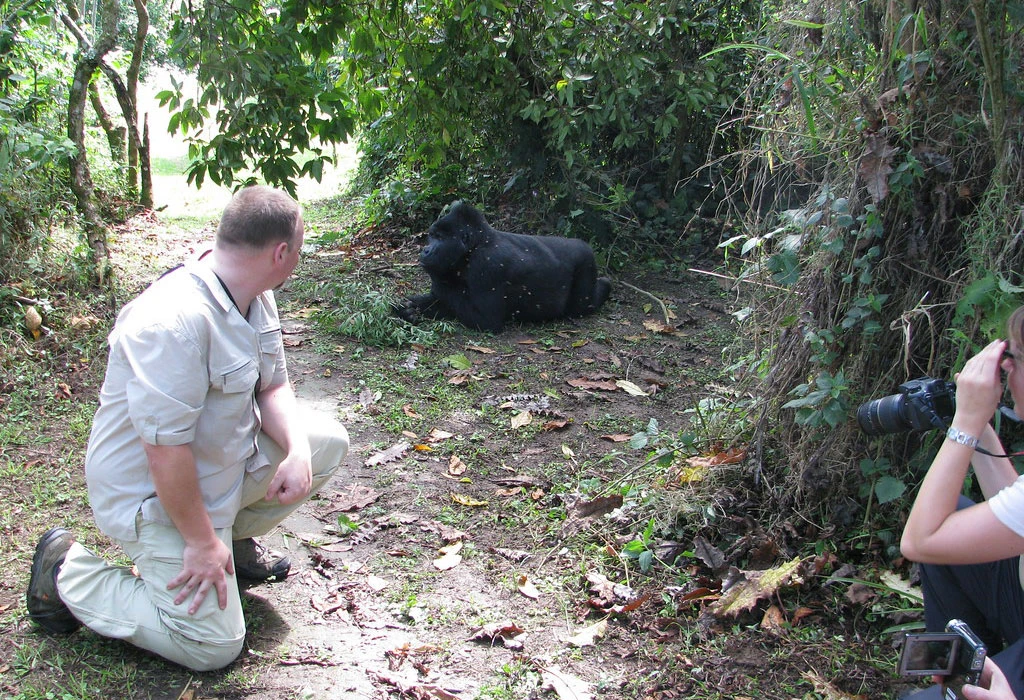
Many travelers ask whether one week is enough for Uganda. In fact, it is, provided the route is planned well. This safari gives you three very different habitats: misty rainforest, open savannah and steep mountain jungle. Each one has its own animals and its own feel. Together, they show the true variety of the country.
Two of Uganda’s Most Famous Primates on One Gorilla and Chimpanzee Safari
Uganda is one of the few places on earth where you can trek both mountain gorillas and chimpanzees in the wild. For instance, Kibale Forest holds one of the highest chimpanzee densities in Africa. Meanwhile, Bwindi shelters about half of the world’s remaining mountain gorillas. Meeting both in a single week is therefore a rare and unforgettable pairing.
Add Classic Wildlife to Your Uganda Primate Safari in Queen Elizabeth
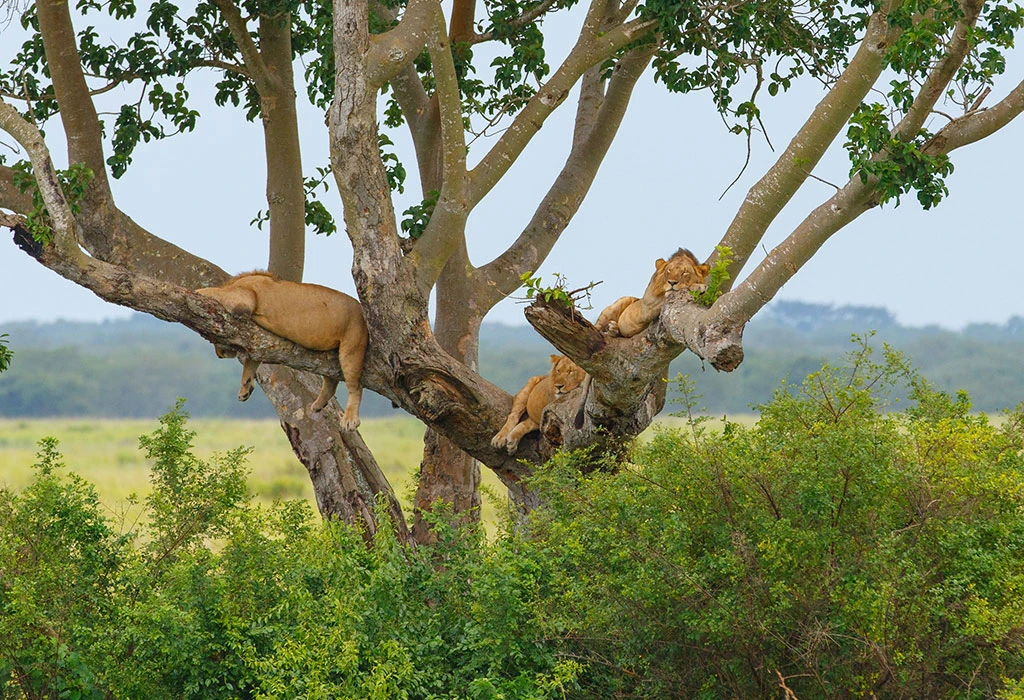
Primates are the stars, but the savannah adds a wonderful change of pace. Queen Elizabeth National Park offers wildlife you can count on every day, such as Uganda kob, buffalo, elephants and thousands of hippos. Besides these, it also offers lucky sightings, like tree-climbing lions and leopards. As a result, a primate trip becomes a complete safari.
Why a 7-Day Uganda Gorilla and Chimpanzee Tour Beats a Short Primate Trip
A shorter trip forces long drives and tired mornings before a trek. With seven days, however, you have rest between activities and a buffer if weather or forest conditions change. If you want a shorter option, see our 5-Day Uganda Gorilla and Chimpanzee Safari. On the other hand, our 8-day Uganda gorilla, chimpanzee and wildlife safari adds an extra day.
A Practical Western Uganda Gorilla and Chimpanzee Safari Circuit
The route flows naturally from north to south. First, Kibale leads to Queen Elizabeth. Then you continue through Ishasha to Bwindi, so you never double back. If you are still deciding how long to stay, read our guide on how many days you need for a Uganda safari. Overall, seven days is the best balance for many travelers.
7-Day Uganda Gorilla and Chimpanzee Safari Itinerary
Day 1: Entebbe or Kampala to Kibale for Your Uganda Chimpanzee Safari
Your Iconic Africa Safaris driver-guide meets you at Entebbe Airport or your Kampala hotel in the morning. After a short briefing, you head west in your private 4×4. The drive to Kibale takes about 5 to 6 hours. Along the way, you stop for photos, stretching and a relaxed lunch. The pace stays relaxed throughout.
The scenery changes as you travel. First, busy city streets give way to rolling hills, banana farms and tea plantations. Then, near Fort Portal, the green slopes become even richer, and you may spot crater lakes in the distance. Finally, you arrive at your lodge in the late afternoon, in time to settle in, enjoy dinner and rest before tomorrow’s early start.
Day 2: Chimpanzee Trekking in Kibale Forest, Uganda’s Primate Capital
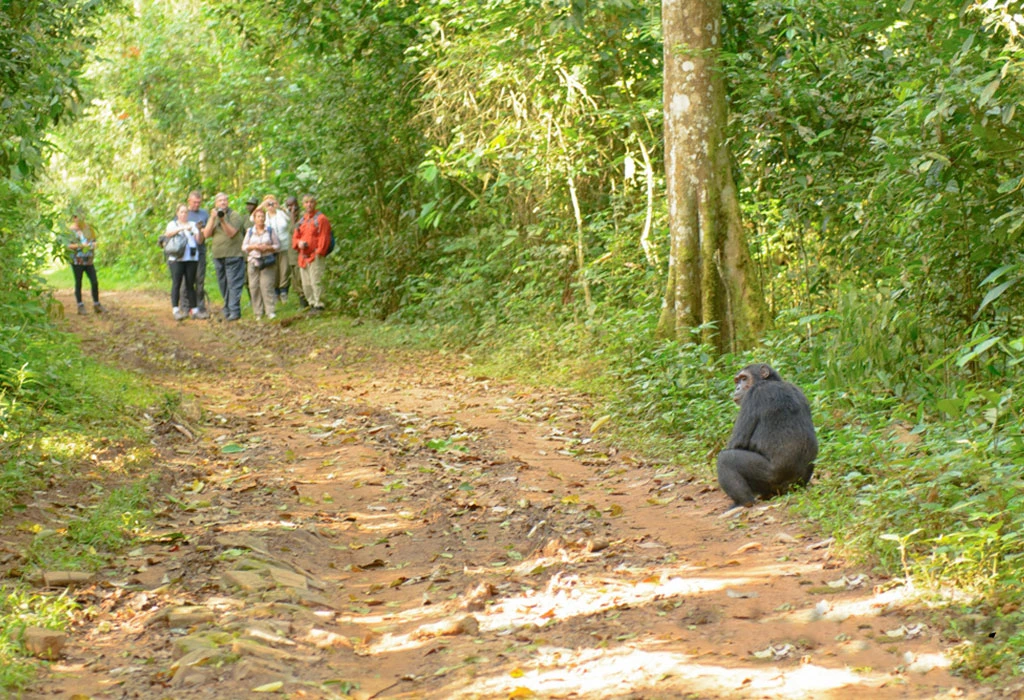
Chimpanzee Trekking in Kibale Forest, Uganda’s Primate Capital
After an early breakfast, you meet the park rangers for a briefing on the rules and what to expect. Then you enter the forest in small groups. Rangers track the chimpanzees by sound and by fresh signs, so every trek is different. Some groups are found within 1 hour, while others take longer. Patience is part of the adventure.
When you find the chimpanzees, you spend up to 1 hour watching them. They feed, groom, play and call loudly through the trees. In addition, Kibale is home to red colobus monkeys, black-and-white colobus, blue monkeys and many birds.
Afterward, you return to the lodge for lunch and rest. Later in the afternoon, you can visit the Bigodi Wetland Sanctuary for a guided walk. It is a gentle activity that adds monkeys, birds and a warm community experience to your day. Finally, dinner and overnight follow at your lodge. Both the walk and the meal help you unwind after the trek.
Day 3: Kibale to Queen Elizabeth National Park for Your Uganda Wildlife Safari
After breakfast, you leave Kibale and head south toward Queen Elizabeth National Park. The journey takes around 2 to 3 hours. Moreover, it passes through green farmland and viewpoints over volcanic crater lakes, so it is one of the most scenic drives of the trip. Your guide will happily stop wherever you want a photo.
You reach the park around lunchtime and check in at your lodge. Then, if you have energy, an optional afternoon game drive is a great way to begin. Late light is soft and golden, and animals become more active as the day cools. As a result, you will very likely see Uganda kob, buffalo, elephants and warthogs before dinner.
Day 4: Queen Elizabeth Game Drive and Kazinga Channel Cruise

Wake early for a morning game drive across the Kasenyi plains, leaving around 6:30am. This is the best time to look for lions and hyenas, because they rest in the tall grass once the day heats up. Meanwhile, buffalo, elephants, waterbucks and kob are easy to see. Learn more in our article on game drives in Queen Elizabeth National Park.
After a break for lunch, you join the afternoon boat cruise on the Kazinga Channel. This calm waterway links Lake George and Lake Edward. Then boats pass close to huge groups of hippos, crocodiles, buffalo and elephants at the water’s edge. Besides these, monitor lizards bask on the banks, and birdlife is outstanding. Finally, you return to your lodge for dinner.
Day 5: Queen Elizabeth to Bwindi Through Ishasha, Home of Tree-Climbing Lions
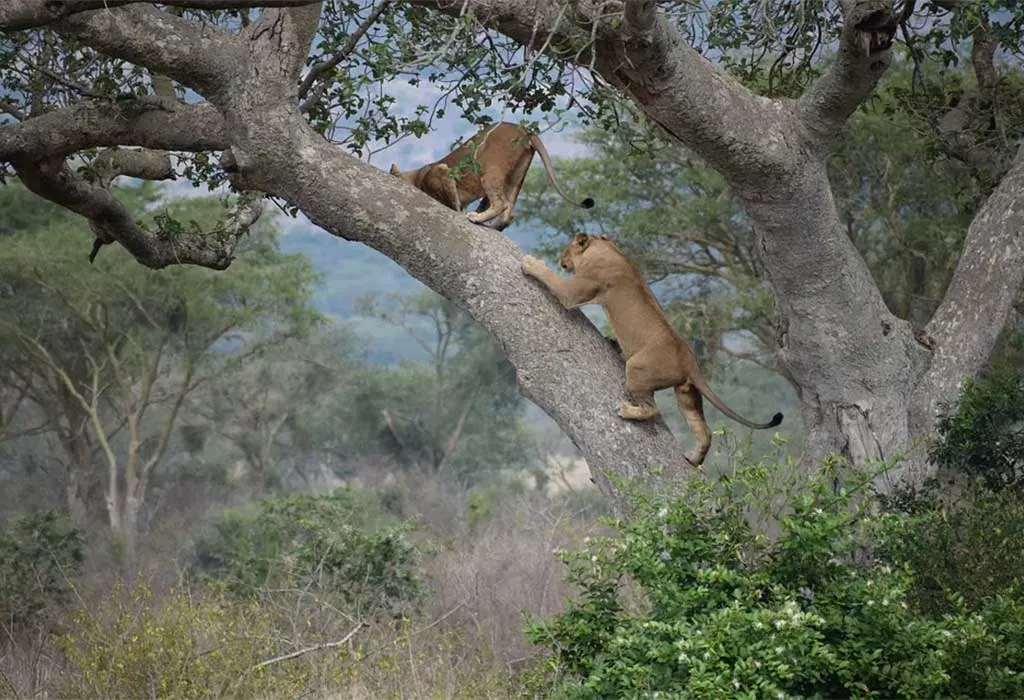
Today you travel south to Bwindi. Most travelers choose the route through the Ishasha sector, which takes about 4 hours of driving plus stops. Ishasha is famous for its tree-climbing lions, which often sleep in big fig trees. However, sightings are never guaranteed. Even so, the sector’s beauty and calm make the detour worthwhile.
Ishasha also offers other lucky sightings, such as topi, side-striped jackals and, for keen birders, the very rare shoebill in the swamps. Meanwhile, the landscape becomes steeper and greener as you approach Bwindi, and the air feels cooler. You arrive at your lodge in the afternoon.
Day 6: Gorilla Trekking in Bwindi, the Highlight of Your Uganda Gorilla Safari

This is the day most travelers dream about. After an early breakfast, you drive to the park headquarters for a briefing. Next, rangers explain how to behave around gorillas and assign you to a gorilla family. In addition, porters can be hired locally to carry your bag and help on steep slopes, which also supports the community.
The trek can last anywhere from 1 hour to several hours. That depends on where the gorillas slept the night before and how rough the terrain is. Because paths can be muddy and steep, a steady pace is best. So, never expect an easy walk. Still, do expect the effort to feel worthwhile. Your guides set a comfortable rhythm for the whole group.
When you meet the gorillas, everything else fades away. You are allowed 1 hour with them. During that time, you watch mothers care for babies and huge silverbacks resting in the leaves. The gorillas often seem unbothered by visitors. As a result, the hour feels calm, emotional and deeply moving, and most people remember it for life.
After the trek, you return to your lodge for a late lunch and rest. Some travelers also receive a trekking certificate. Later in the afternoon, you can relax, enjoy the views or visit a nearby community. Finally, dinner and overnight at your Bwindi lodge close a remarkable day. Your guide also shares tips for tomorrow’s drive.
Day 7: Bwindi to Entebbe, Kampala or Your Next Destination After the Safari
After breakfast, you begin the journey back. The drive to Entebbe or Kampala takes about 8 to 10 hours with stops. Therefore, we start early and keep the pace relaxed. A lunch break is included, and you can also stop at the Equator for a photo with one foot in each hemisphere.
We drop you at the airport or your hotel in the evening. However, if you are continuing to Rwanda, Kenya or Tanzania, we can arrange an onward transfer. Alternatively, we can shorten the ride by ending your safari in Kigali. Either way, Iconic Africa Safaris will help you plan whatever comes next. Just let us know your plans early.
Customize This 7-Day Uganda Safari →
Queen Elizabeth Wildlife on Your Uganda Gorilla and Chimpanzee Safari: Guaranteed and Lucky Sightings
Wildlife viewing in Queen Elizabeth National Park falls into three groups: animals you will almost certainly see, animals that are common but need good timing, and rare lucky finds. Knowing the difference helps you set the right expectations. Therefore, you can choose the best times to head out with your Iconic Africa Safaris driver-guide.
Guaranteed Wildlife Sightings on Kasenyi Plains and Kazinga Channel

These animals are easy to find every day, especially on the Kasenyi plains and during the Kazinga Channel boat cruise. In fact, most travelers see all of them within the first full day in the park. As a result, you can relax and enjoy each sighting without pressure. Here is what to expect.
- Thousands of Uganda kob grazing across the Kasenyi plains
- Large herds of buffalo moving through the open savannah
- Elephants along the roads and at the water’s edge
- Over 5,000 hippos filling the Kazinga Channel
- Warthogs, waterbucks and bushbucks close to the tracks
- Baboons and vervet monkeys near the lodges and roadsides
- Crocodiles and monitor lizards basking on the banks
Lions and Hyenas: Common Sightings That Need an Early Game Drive

Lions and hyenas are common in the park, but they hide in tall grass when the day gets hot. That is why our morning game drive leaves around 6:30am, when the air is cool and predators are still active. Going early greatly improves your chances. Besides, it gives you the softest light of the day for photos.
Lucky Day Sightings on a Uganda Wildlife Safari
Some animals are never guaranteed, and that is part of the thrill of a real safari. However, patience and good timing often pay off. If you are lucky, you may spot one or more of the animals below. Your driver-guide will keep scanning the trees, grass and swamps for you. Together, you improve the odds.
- Tree-climbing lions resting in big fig trees in the Ishasha sector during the heat of the day
- Leopards, which are shy and mostly nocturnal, so sightings are a special reward
- Topi grazing on the open Ishasha plains, often standing on termite mounds
- Giant forest hogs appearing at forest edges when conditions are quiet
- Side-striped jackals and Defassa waterbuck along quiet tracks and water sources
Very Rare Finds for Birders on Your Uganda Safari
A few sightings are truly special. Serval cats and white-tailed mongoose are rarely seen, and the shoebill can sometimes be spotted in the Ishasha swamps. However, these are bonus moments, not promises. If birding or rare wildlife is your passion, tell us early. Then we will plan extra time and the best routes for you. That way, you make the most of every hour.
7-Day Uganda Gorilla and Chimpanzee Safari Cost: $390 Per Person Per Day
Most travelers want to know the price first, so here it is plainly. A 7-day gorilla and chimpanzee safari with Iconic Africa Safaris costs $390 per person per day. That works out to about $2,730 per person for the full seven days. Best of all, this rate already includes both trekking permits, so there are no hidden surprises.
Starting Price for a 7-Day Uganda Gorilla and Chimp Tour
Your price is based on one person sharing a room and uses the foreign non-resident permit rates shown below. Also, larger groups enjoy the slightly lower rates while sharing the vehicle and guide. However, solo travelers can still join, though a single supplement may apply. Finally, we confirm all figures in your written quote. For a comparison with a shorter trip, see our guide to an affordable gorilla and chimpanzee safari in Uganda.
What Your $390 Daily Rate Covers on the 7-Day Uganda Gorilla and Chimpanzee Safari
The $390 daily rate includes comfortable lodges, full meals, a private 4×4 with a driver-guide, park entry fees and drinking water. In addition, it covers your gorilla permit in Bwindi and your chimpanzee permit in Kibale. Therefore, you pay one clear price for the main experiences. Only flights, visas, insurance, tips and optional activities stay outside the rate.
Mid-Range and Luxury Upgrades for Your Uganda Gorilla and Chimpanzee Safari
Some travelers want larger rooms, private terraces or finer dining after a long trek. In that case, we can upgrade your lodges in Kibale, Queen Elizabeth and Bwindi. For example, you can upgrade only the Bwindi night, or all six nights. As a result, you control where to spend. Tell us your preference, and we will quote the difference.
What Determines the Final Cost of Your Uganda Safari?
Several factors shape your quote, and we explain each one openly so nothing surprises you. First, permit rates change by season and by visitor category. Next, any lodge upgrades raise the daily cost. Finally, group size and route choices can change the price slightly. Understanding these factors helps you decide where to spend and where to save.
- Gorilla and chimpanzee permit rates for your exact travel dates and visitor category
- Lodge upgrades to mid-range or luxury in Kibale, Queen Elizabeth and Bwindi
- Number of travelers sharing the private vehicle and driver-guide
- Season of travel, from peak dry months to discounted low-season periods
- Route choice, extra nights and optional activities such as Bigodi Wetland walks
- Single supplements for solo travelers who want their own room
Gorilla and Chimpanzee Permit Costs for Your 7-Day Uganda Primate Safari
Permits are the largest single cost on this safari. Both are issued by the Uganda Wildlife Authority, and both are included in the price you get from Iconic Africa Safaris. Moreover, we book them for you. As a result, you never deal with paperwork or the risk of sold-out dates. The tables below show the rates for each visitor category.
Uganda Gorilla Trekking Permit Costs by Category
A gorilla permit gives you 1 hour with a habituated gorilla family in Bwindi. Only a small number of permits are issued each day, which protects the animals. Rates depend on your visitor category. In addition, discounted low-season permits apply in April, May and November from January 2027. Therefore, your quote always uses the rate valid for your travel date.
| Visitor category | Standard rate | Low-season rate (April, May, November, from January 2027) |
|---|---|---|
| Foreign non-resident | $800 | $600 |
| Foreign resident | $700 | $500 |
| Rest of Africa | $500 | $500 |
| East African citizen | UGX 300,000 | UGX 300,000 |
Uganda Chimpanzee Trekking Permit Costs by Category
A chimpanzee permit covers your guided trek in Kibale Forest and up to 1 hour with the chimpanzees. It costs far less than a gorilla permit. However, the foreign non-resident rate rises on 1 January 2027. For that reason, the table shows both periods, and we apply the correct rate to your travel date.
| Visitor category | Until 31 December 2026 | From 1 January 2027 |
|---|---|---|
| Foreign non-resident | $250 | $300 |
| Foreign resident | $200 | $200 |
| Rest of Africa | Confirmed on request | $100 |
| East African citizen | Confirmed on request | UGX 180,000 |
When to Book Your Gorilla and Chimpanzee Permits
Book as early as you can, ideally 4 to 6 months before travel. In particular, peak months such as June to August and December to February often sell out first. Also, the Uganda Wildlife Authority now requires full payment to hold a gorilla permit, so early confirmation matters. Although late bookings are sometimes possible, they leave you with fewer date and lodge choices.
Can Gorilla and Chimpanzee Permit Prices Change?
Yes, they can. The authority has adjusted rates in the past and has announced further changes from January 2027. For that reason, we always use the official rate in force on your booking date. To see the latest details, read our guide on updated Uganda safari costs and permits. It is updated whenever the rates change.
What’s Included in the 7-Day Uganda Gorilla and Chimpanzee Safari?
Iconic Africa Safaris includes the essentials so your trip runs smoothly from arrival to departure. The table below shows what is covered and what you should plan for separately. If anything is unclear, we happily explain it before you book. In addition, your written quote lists every inclusion in detail. So you always know what you are paying for.
| Included | Not Included |
|---|---|
| Gorilla permit | International flights |
| Chimpanzee permit | Visa fees |
| Accommodation | Travel insurance |
| Meals as listed | Personal expenses |
| 4×4 safari vehicle | Tips |
| Driver-guide | Alcoholic drinks |
| Park entry fees | Optional activities |
| Drinking water | Extra accommodation |
Best Time for a 7-Day Uganda Gorilla and Chimpanzee Safari: Dry and Wet Months
Trekking is possible all year, and no single season is perfect for everyone. The dry months are June to August and December to February. The wet months are March to May and September to November. Instead of one “best” time, choose the season that matches your priorities: firm trails, lower prices, fewer visitors or greener scenery.
June to August: Main Dry Season for Your Uganda Gorilla Safari
These are the driest and busiest months. Trails are firmer, roads are easier and wildlife viewing in Queen Elizabeth is excellent. However, demand is high, so permits and lodges sell out early, and prices can be at their highest. Therefore, book well ahead if this is your plan. Early planning also gives you more lodge choices.
December to February: Second Dry Season for Gorilla and Chimpanzee Trekking
This is another dry, popular period, especially around the holidays. The weather is warm and clear, and the forests are pleasant for walking. However, you should expect higher demand and earlier permit sell-outs. Nevertheless, it remains a favorite for travelers who want a warm-weather escape. For best results, reserve your safari at least 6 months ahead.
March to May: Main Wet Season and Low-Season Savings
These are the wettest months, but they can offer real savings. Discounted gorilla permits apply in April and May from January 2027, and lodges are quieter. Also, the hills glow with green, and the mood is peaceful. On the other hand, trails are slippery, so trekking takes more effort. Therefore, bring good boots and a sturdy rain jacket.
September to November: Short Wet Season on a Uganda Primate Safari
Rain returns in these months, but showers are often short and the forest looks fresh. Meanwhile, crowds thin out and lodges are easier to book. In addition, November qualifies for discounted gorilla permits from January 2027. However, trails can be muddy at times, so waterproof boots are important. Pack a light rain jacket too.
How Difficult Are Gorilla and Chimpanzee Treks on a Uganda Safari?
Both treks are manageable for most reasonably fit travelers, but they feel different. Gorilla trekking is usually steeper and can be longer. In contrast, chimpanzee trekking is often gentler but faster-moving. Because the forest, weather and animal movements decide how hard each day becomes, flexibility matters more than perfect fitness. Guides adjust the pace for everyone.
Gorilla Trekking Difficulty in Bwindi Impenetrable Forest
Bwindi’s hills are steep, and the trails can be muddy and narrow. Treks range from about 1 hour to more than 5 hours. However, you walk slowly, and guides take breaks when needed. In addition, porters are available and highly recommended. Overall, most healthy travelers complete the trek and describe it as tiring but rewarding. Take your time and enjoy the forest.
Chimpanzee Trekking Difficulty in Kibale Forest
Kibale’s terrain is flatter, so walking is generally easier. However, chimpanzees move quickly and call from high in the trees, so groups sometimes need to walk briskly. Overall, trekking usually lasts 2 to 4 hours in total, while the encounter itself lasts up to 1 hour. Therefore, comfortable shoes and steady energy matter more than strength.
Who Can Join a Gorilla and Chimpanzee Trek?
Visitors must be at least 15 years old for gorilla trekking and at least 12 for chimpanzee trekking. Also, anyone with a cold or infection may be asked to stay behind to protect the animals. Therefore, travelers with health concerns should speak to their doctor and to us in advance. That way, we can plan suitable support.
Children Below the Trekking Age: Fun Lodge Activities
Children below the age limit cannot join the gorilla or chimpanzee treks. However, they do not miss out. They stay at the lodge while you trek, and the lodge arranges alternative activities in collaboration with Iconic Africa Safaris. Examples include guided garden walks, bird watching, craft sessions and games. As a result, parents trek with peace of mind, and children enjoy a safe day.
How to Prepare for Your Uganda Gorilla and Chimp Trekking
You do not need to be an athlete, but regular walking helps. For example, a few weeks of hikes, stair climbing or long walks will build stamina. In addition, break in your boots before you travel. Most importantly, bring a good attitude and a willingness to go slowly. The reward at the end makes every step worthwhile.
Where Do You Stay on a 7-Day Uganda Gorilla and Chimpanzee Safari?
Iconic Africa Safaris matches lodges to your budget, and every option is chosen for location, cleanliness and service. Your $390 daily rate includes comfortable lodges, while mid-range and luxury upgrades are quoted on request. Because good lodges book early, we secure them together with your permits. As a result, your safari stays properly planned from the first night to the last.
Comfortable Standard Lodges for Your Uganda Gorilla and Chimpanzee Safari
Standard lodges are simple, safe and clean. They offer private rooms, hot showers and filling meals, often with lovely garden or forest views. Therefore, they are ideal for travelers who spend most of the day outdoors and want a comfortable bed without unnecessary extras. Besides, they are already included in your $390 daily rate.
Mid-Range Lodges for Your 7-Day Uganda Primate Safari
Mid-range lodges add larger rooms, better views and more polished dining. Also, many have gardens, terraces and helpful staff who know the area well. Consequently, this upgrade is popular because it makes evenings restful after long trekking days, at a fair extra cost. In short, it gives you added comfort without stretching your budget too far.
Luxury Lodges for Your Uganda Gorilla and Chimpanzee Tour
Luxury lodges offer private verandas, spacious suites, fine dining and outstanding service. For example, some overlook the savannah, while others sit high above Bwindi’s misty valleys. Overall, they suit couples, honeymooners and travelers who want a special experience from sunrise to sunset. Moreover, staff often arrange extra touches, such as picnic lunches or private dinners, if you ask.
Can You Start the 7-Day Uganda Gorilla and Chimpanzee Safari From Kigali?
Yes, you can. Many travelers fly into Rwanda’s capital and cross into Uganda by road. In fact, this route can be a smart start, especially if you are also visiting Rwanda or want a shorter road journey to Bwindi. Iconic Africa Safaris arranges the pickup, border guidance and transfers, so the crossing stays simple.
Kigali to Bwindi: Fast Access to Gorilla Trekking
The drive from Kigali to Bwindi takes about 5 to 6 hours, depending on the border crossing and road conditions. Often, it is shorter than the trip from Entebbe. Therefore, it is a strong option for travelers who want to reach the gorillas quickly. Alternatively, you can reverse the itinerary and finish with chimpanzees. Both plans work well.
Kigali to Kibale: Reversing Your Uganda Chimp and Gorilla Route
You can also begin in Kigali and travel north to Kibale for chimpanzees. However, this takes longer, so many guests reverse the itinerary instead. First, we start with Bwindi. Then we move to Queen Elizabeth and finish in Kibale. Finally, we return you to Entebbe or Kampala for your flight home. This order also saves time on the road.
Kigali vs Entebbe: Which Start Suits Your Uganda Safari?
Entebbe offers more flight options and a smoother path for the classic route. In contrast, Kigali offers a faster route to the gorillas and a natural link to Rwanda. Neither is better in every case. Instead, the right choice depends on your flights, your budget and your wider plans. We gladly compare both options for you.
Who Should Choose the Kigali Route for a Uganda Gorilla Tour?
The Kigali route suits travelers combining Rwanda and Uganda, those with cheaper flights into Kigali and those wanting less driving before their first trek. For more details, see our page on Uganda gorilla safaris through Kigali. Alternatively, explore the 5-Day Uganda Gorilla and Chimp Safari through Kigali if you prefer a shorter trip.
What to Pack for Your Uganda Gorilla and Chimpanzee Trekking Safari
Packing well makes trekking far more comfortable. The forest is damp, the trails are uneven and the weather can change fast. Therefore, choose light, quick-drying clothes and sturdy footwear, and pack only what you need. Below are the items that matter most and why they help. Each one earns its place in your bag.
- Hiking boots: solid grip on muddy, steep trails
- Long trousers and sleeves: protection from nettles, thorns and insects
- Waterproof jacket: cover during sudden rain showers in the forest
- Gardening gloves: safer grip on vines and branches
- Hat and sunscreen: defense against the strong equatorial sun
- Insect repellent: relief from bites in humid areas
- Daypack: a light bag for water, snacks and a camera
Beyond these, bring a reusable water bottle, binoculars and a camera. Also pack a power bank for long days without charging. A face mask is useful in case a ranger asks you to wear one near the animals. Finally, trekking poles are optional but very helpful for balance. Overall, light packing keeps your porter happy.
Who Is the 7-Day Uganda Gorilla and Chimpanzee Safari Best For?
This safari suits a wide range of travelers because it balances adventure, comfort and value. Also, Iconic Africa Safaris runs it privately, so you set the pace. Your driver-guide then adapts each day to your interests and energy. It works especially well for the following people. In short, it fits most travel styles.
- First-time visitors who want the best of Uganda in one week
- Couples and honeymooners looking for a memorable, romantic adventure
- Friends traveling together who enjoy shared experiences
- Families, since younger children enjoy lodge activities while parents trek
- Wildlife photographers and birders chasing rare sightings
- Primate lovers who want gorillas and chimpanzees together
- Travelers combining Uganda with Rwanda, Kenya or Tanzania
If you have exactly one week and want the best of Uganda’s primates and wildlife, this itinerary is likely a perfect fit. Moreover, it works for both active and relaxed travelers, since we adjust the pace to suit you. Therefore, tell us your interests, and we will shape the days around them. It is your safari, after all.
Why Book Your 7-Day Uganda Gorilla and Chimpanzee Safari With Iconic Africa Safaris?
Planning a gorilla trip alone can feel confusing, with permits, lodges and transport all needing to line up. However, Iconic Africa Safaris handles all of it. We are a local team that knows the roads, the parks and the seasons. As a result, you get honest advice and a well-run trip from start to finish.
Gorilla and Chimpanzee Permit Arrangements for Your Uganda Safari
We reserve your permits as soon as you confirm, so your trekking dates are secure. In addition, we track official rates and rules on your behalf. Therefore, you never have to deal with the authority or worry about sold-out days. Instead, you can focus on preparing for the trip and looking forward to the forest.
Private 4×4 Safari Transport for Your Uganda Primate Tour
Your safari vehicle is private, comfortable and built for Uganda’s roads. Furthermore, it has a pop-up roof for game viewing and enough space for luggage and cameras. Because the vehicle is only for your group, you can stop for photos whenever you like. As a result, the journey becomes part of the adventure instead of a chore.
Experienced Driver-Guides on Your Gorilla and Chimp Safari
Our guides know the wildlife, the routes and the best times to be in each place. For example, they time your game drives well, so you have the best chance at lions, hyenas and other sightings. In addition, they handle every detail on the road. Consequently, you can simply relax and enjoy the trip.
Lodge Planning for Your 7-Day Uganda Gorilla Safari
We choose lodges that suit your budget and sit close to each trekking site. Therefore, you avoid long early-morning drives before your treks. Also, we work with each lodge to arrange safe, fun activities for children who are too young to trek. Finally, we confirm every booking early, so you never face last-minute changes.
Flexible Uganda Gorilla and Chimpanzee Safari Design
Want an extra day, a different start or a longer stay in Queen Elizabeth? We adjust the plan around you, not the other way around. For instance, we can add a birding day, a community visit or a longer rest after trekking. Simply tell us what matters most, and we will shape the safari to fit.
Local Route Knowledge Across Kibale, Queen Elizabeth and Bwindi
Our team knows which roads are best in each season and where the best stops are. As a result, your journey stays smooth and your days stay well paced. Moreover, local knowledge helps us handle surprises, such as heavy rain or road works, quickly. Therefore, you can travel with confidence across all three parks.
Frequently Asked Questions About the 7-Day Uganda Gorilla and Chimpanzee Safari
Is seven days enough for gorilla and chimpanzee trekking in Uganda?
Yes, seven days is enough to trek both gorillas and chimpanzees and to enjoy a wildlife park. The route is spaced so you have rest between activities. However, if you want a slower pace, an 8-day version adds extra time in Queen Elizabeth or Bwindi. In addition, it gives you a bigger buffer if the weather changes.
How much does a 7-day Uganda gorilla and chimpanzee safari cost?
The safari costs $390 per person per day, or about $2,730 per person for seven days. Both trekking permits are included in your quote from Iconic Africa Safaris. Also, lodge upgrades, group size and season can change the final figure. However, flights, visas and insurance are extra, so remember to budget for them separately.
How much are gorilla and chimpanzee permits in Uganda?
A gorilla permit costs $800 for foreign non-residents and $700 for foreign residents. A chimpanzee permit in Kibale costs $250 and $200 respectively, and the non-resident rate rises to $300 on 1 January 2027. Rest of Africa and East African citizens pay less. See the permit tables above for every category.
Which months are dry and which are wet in Uganda?
The dry months are June to August and December to February. The wet months are March to May and September to November. However, rain can fall in any month, so pack a waterproof jacket all year. Trekking continues in every season, and the wet months often bring lower prices.
Where do you trek gorillas and chimpanzees in Uganda?
Gorillas are trekked in Bwindi Impenetrable Forest in southwestern Uganda. Chimpanzees, on the other hand, are trekked in Kibale Forest National Park in the west. On this itinerary, Queen Elizabeth National Park sits between them. As a result, you add classic savannah wildlife without any extra backtracking. The route therefore feels natural and efficient.
Which animals are guaranteed in Queen Elizabeth National Park?
Uganda kob, buffalo, elephants, hippos, warthogs, waterbucks, baboons, crocodiles and monitor lizards are easy to see daily. Lions and hyenas are common but need an early drive. However, tree-climbing lions, leopards and shoebills are lucky sightings, so they are never guaranteed. Still, an experienced driver-guide greatly improves your chances of finding them.
What do children do while parents trek gorillas and chimpanzees?
Children below the minimum age (15 for gorillas, 12 for chimpanzees) stay at the lodge during the treks. The lodge arranges alternative activities in collaboration with Iconic Africa Safaris, such as garden walks, bird watching and crafts. Therefore, families can still enjoy the safari together, and parents can trek knowing their children are safe and happy.
Can I start this safari from Kigali?
Yes. Many travelers fly into Kigali and drive to Bwindi first. In this case, we often reverse the itinerary, ending in Kibale and returning to Entebbe or Kampala. Iconic Africa Safaris arranges all transfers and border guidance. Therefore, the crossing is simple, and you can enjoy a smooth start to your safari.
Can I start and end the safari in Entebbe?
Yes. Entebbe is the most common starting and ending point. We pick you up at the airport or your hotel, and we drop you back at the airport or your chosen hotel on the final day. Moreover, we can adjust pickup times to match your flight. Just share your arrival details when you book.
How difficult is gorilla trekking in Bwindi?
Treks can last from 1 hour to several hours over steep, muddy ground. However, most reasonably fit travelers manage well with a steady pace, and porters can help. Difficulty depends on where the gorillas are that day. Therefore, good boots, patience and a flexible attitude matter more than athletic strength. Your guides also take breaks whenever the group needs them.
How long does chimpanzee trekking take?
The trek usually lasts 2 to 4 hours, including up to 1 hour with the chimpanzees. The time depends on how quickly the rangers locate the group. In addition, Kibale’s terrain is generally gentler than Bwindi’s. Consequently, many travelers find chimpanzee trekking easier, although the chimps can move quickly and keep everyone alert.
What is included in the safari price?
The $390 daily rate covers both permits, accommodation, meals, a private 4×4 with a driver-guide, park fees and drinking water. On the other hand, flights, visas, insurance, tips, alcohol and optional activities are extra. Therefore, plan a small extra budget for these items. Your written quote lists everything clearly, so you always know exactly what you are paying for.
How far in advance should I book?
Ideally, book 4 to 6 months before travel, and even earlier for June to August or December to February. Booking early secures permits and your preferred lodges. Moreover, it gives you time to arrange flights, visas and vaccinations. However, late bookings are sometimes possible, so contact us anyway and we will check what is still available.
Ready to Book Your 7-Day Uganda Gorilla and Chimpanzee Safari?
Iconic Africa Safaris offers three simple, reliable ways to secure your next unforgettable Ugandan adventure today. Simply complete our quick online booking form to start planning your dream safari experience right away. Our friendly team also welcomes direct emails at info@iconicafricasafaris.com to discuss your specific travel plans and preferences. For WhatsApp messages or calls, tap the green WhatsApp icon in your screen’s bottom right corner anytime.
Other Related Uganda Gorilla and Chimpanzee Safaris