
Top 15 Safaris in Uganda in 2027/28: Updated Tours & Costs
The top 15 safaris in Uganda in 2027/28 range from mountain gorilla trekking and chimpanzee adventures to classic Big Five wildlife safaris, scenic boat cruises, cultural journeys and multi-park itineraries. Uganda allows travelers to combine destinations such as Bwindi, Kibale, Queen Elizabeth, Murchison Falls and Kidepo in different ways depending on their budget, travel dates, interests and available time, making it one of the most flexible safari countries in East Africa.
Prices vary according to safari duration, accommodation level, number of travelers, transportation method, which permits are required, whether domestic flights are used, the season you travel in, and exactly which activities are bundled into the package. Uganda has 10 national parks — Bwindi, Mgahinga, Kibale, Queen Elizabeth, Murchison Falls, Kidepo, Lake Mburo, Semuliki, Rwenzori and Mount Elgon — and each one offers a distinct kind of safari experience worth understanding before you choose an itinerary.
Top 15 Uganda Safari Packages for 2027/28
These safari plans give a general idea of what to expect. Specific activities and locations may change due to availability, the season, or personal preferences. Our experts will tailor your journey to make sure it’s uniquely yours.

2 Days & 1 Night
2 Day Luxury Bwindi Gorilla Safari Through Kigali
Starting From
$1,900pp
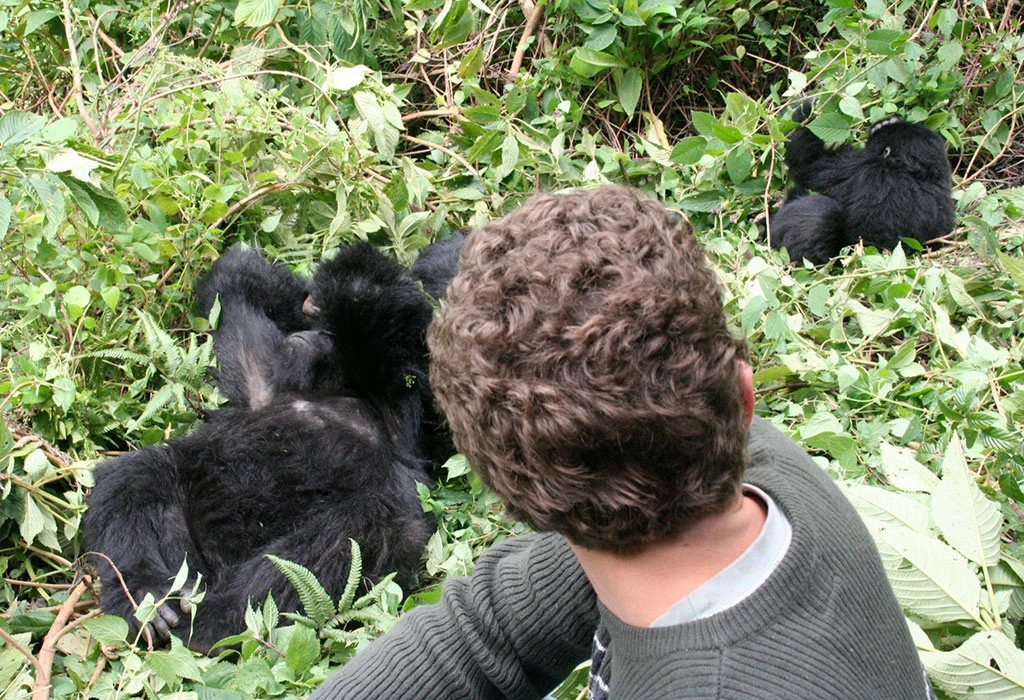
3 Days & 2 nights
3 Days Uganda Gorilla Tracking Adventure
Starting From
$1,450pp
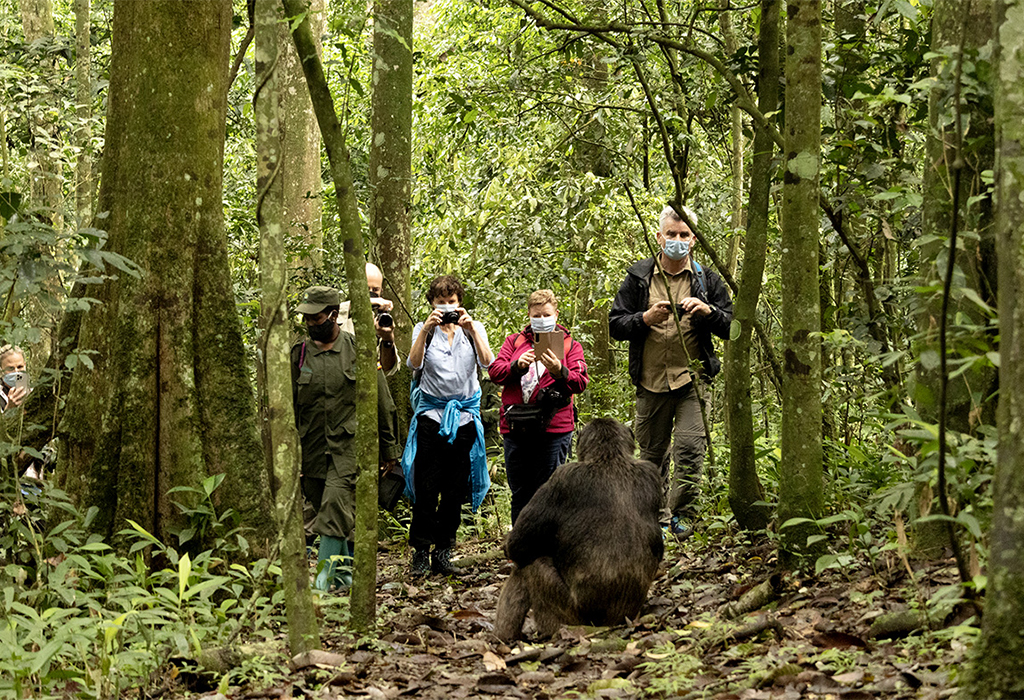
3 Days & 2 Nights
3 Day Chimp Habituation or Trekking Safari
Starting From
$850pp
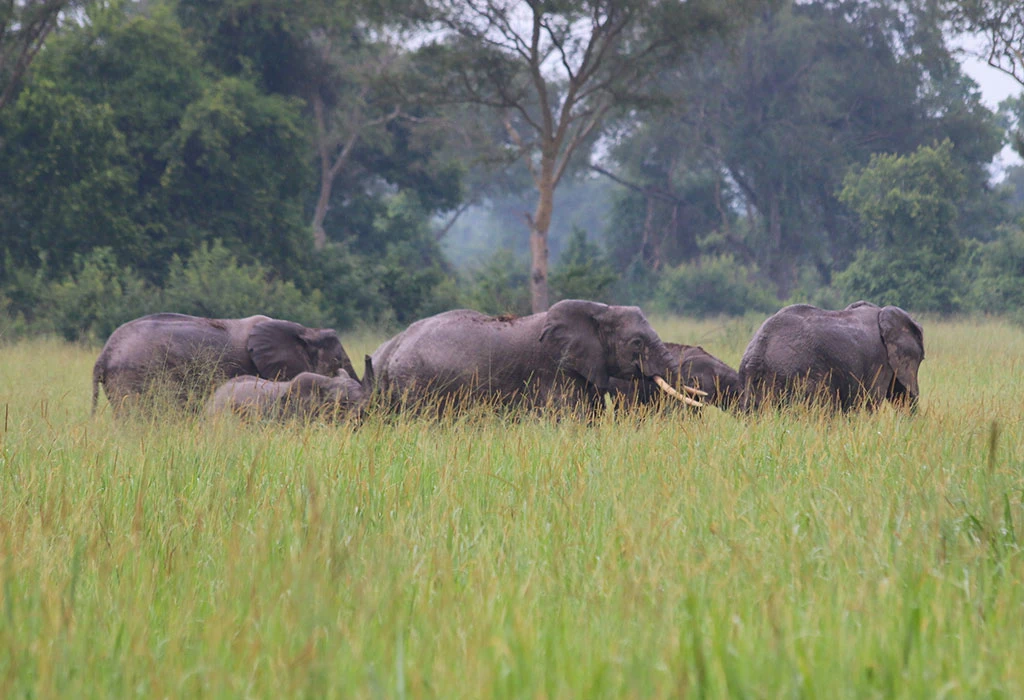
3 Days & 2 Nights
3 Days Big 5 and Game Drive Uganda safari (Murchison Falls)
Starting From
$900pp
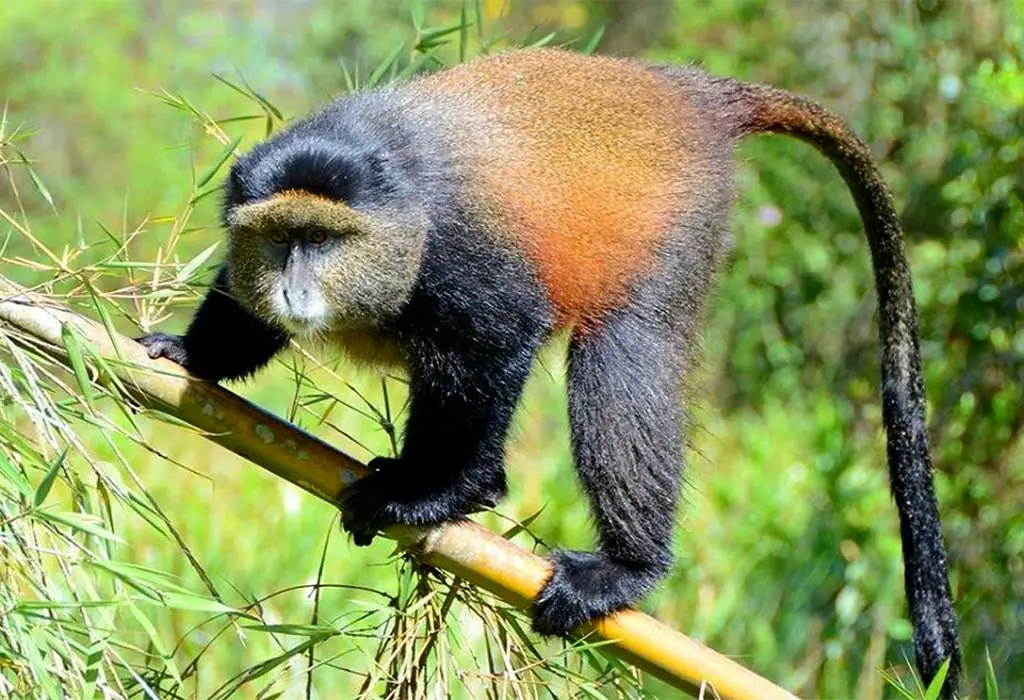
4 Days & 3 Nights
4 Days Gorillas and Golden Monkey Safari
Starting From
$1,600pp
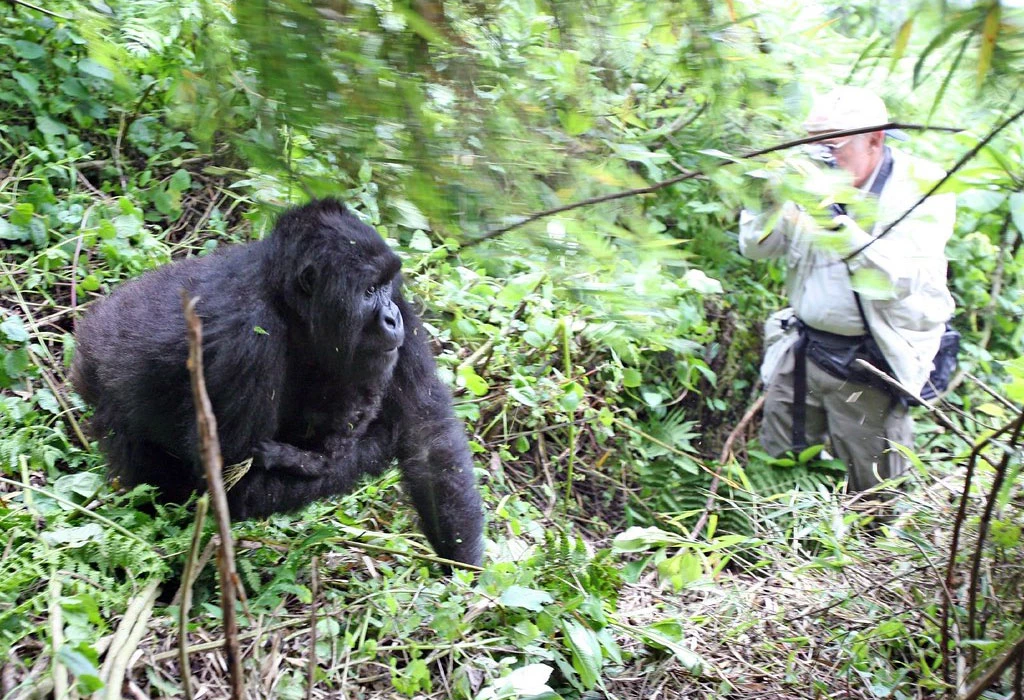
5 Days & 4 Nights
5 Days Gorilla and Chimpanzee Trekking in Uganda
Starting From
$2,250pp
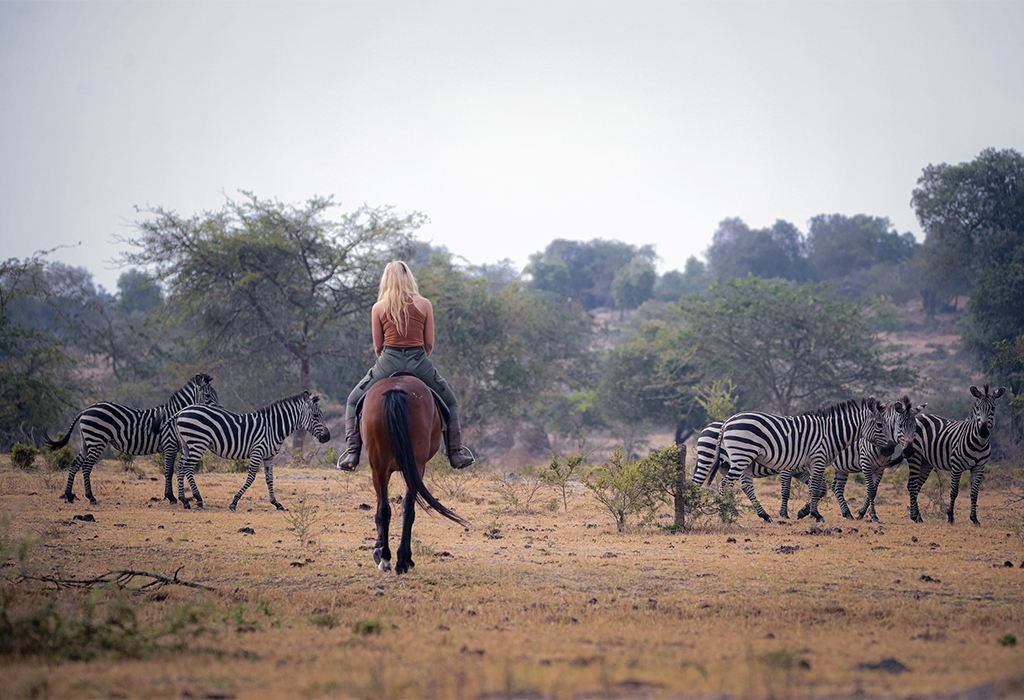
5 Days & 4 Nights
5 Days Lake Mburo & Kibale Forest Safari
Starting From
$1800pp

5 Days & 4 Nights
5 Days Uganda Gorillas and Game Safari
Starting From
$1,800pp
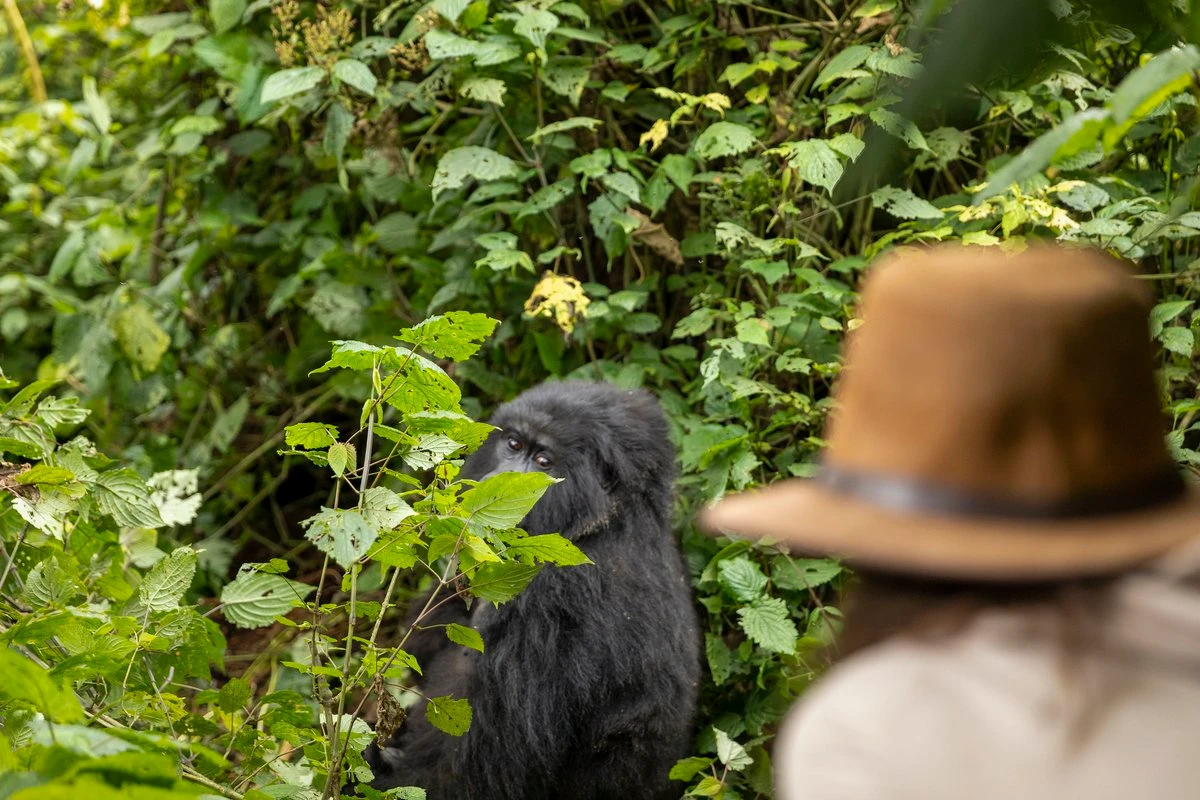
7 Days & 6 Nights
7-Day Uganda Gorilla and Game Adventure
Starting From
$2,950pp

7 Days & 6 Nights
7 Days Uganda & Rwanda Gorilla & Wildlife Safari
Starting From
$3,400pp
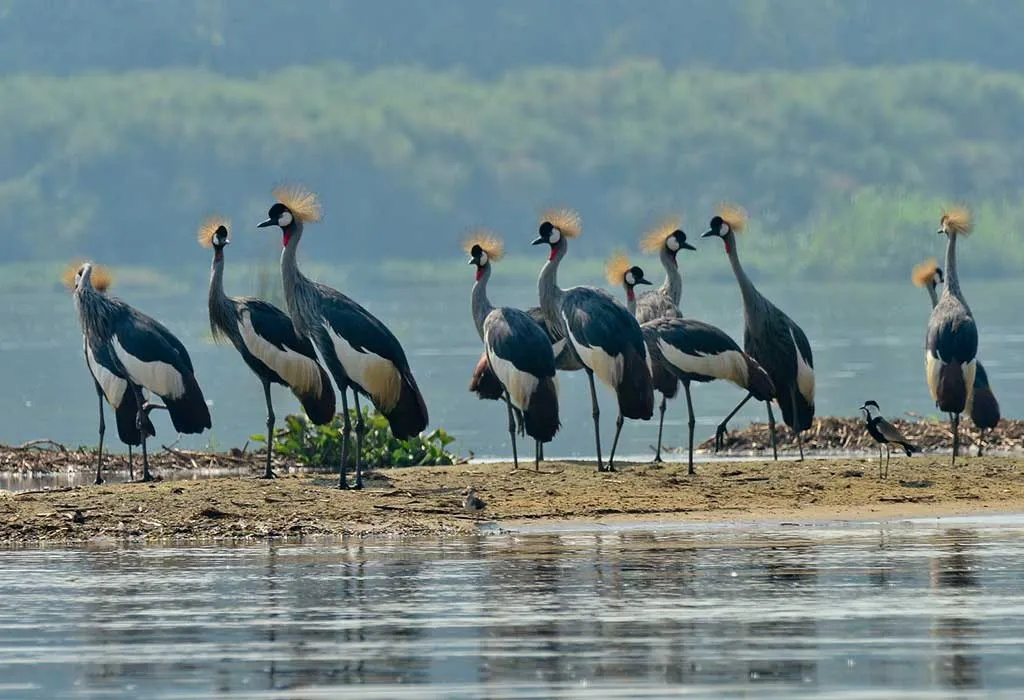
8 Days & 7 Nights
8 Day Uganda Bird Watching & Wildlife Safari
Starting From
$3,650pp

9 Days & 8 Nights
9 Day Uganda Primates & Wildlife Safari
Starting From
$3,600pp
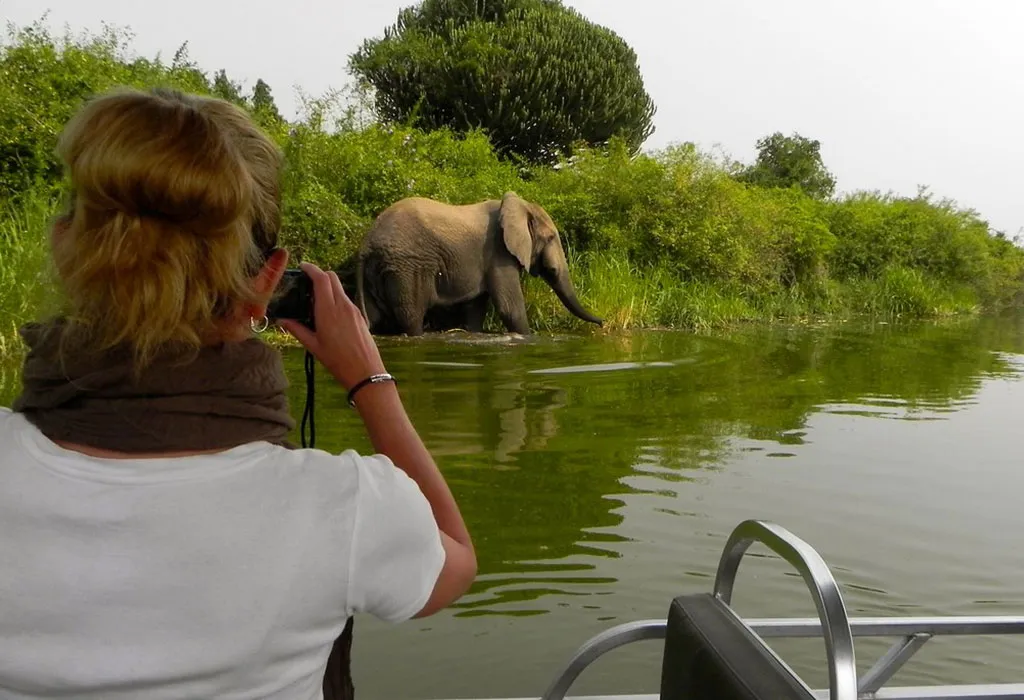
11 Days & 10 Nights
11 Days Uganda Gorilla Tracking & Wildlife Safari
Starting From
$3,900pp

12 Days & 11 Nights
12 Days Best of Kenya & Uganda Safari
Starting From
$5,650pp

17 Days & 16 Nights
17 Days Uganda, Kenya and Tanzania Safar
Starting From
$7,200pp



Uganda Safari Costs in 2027/28
A Uganda safari quote is built from several separate cost components rather than one flat fee, which is why two itineraries of the same length can differ so much in price. Understanding each line item helps you compare quotes accurately and spot what might be missing: permits, park fees, accommodation, transport, meals, guiding, and any flights or boat cruises included along the way, all of which vary by season, park and travel style.
- Gorilla, chimpanzee or golden monkey permit — usually the single largest fixed cost on any primate-focused itinerary, priced per person per trek regardless of which lodge tier you choose, and non-negotiable since UWA sets and collects these fees directly rather than the operator.
- Park entrance fees, accommodation, and meals — these scale with trip length and comfort level, and together typically represent the next-largest share of a safari budget after permits, especially on longer, multi-park itineraries.
- 4×4 safari vehicle, driver-guide, and fuel — essential for reaching most parks, since public transport doesn’t reach trailheads or lodges, and costs rise with distance covered and number of travel days on the road.
- Airport transfers, domestic flights, boat cruises, game drives, community experiences, and Kigali transfers where applicable — these optional add-ons can meaningfully shorten travel time or deepen an itinerary, and should be itemized clearly in any quote you receive.
| Safari Type | Typical Duration | Main Cost Drivers |
|---|---|---|
| Gorilla safari | 2–5 days | Gorilla permit, lodge, transport |
| Wildlife safari | 3–10 days | Lodge, vehicle, park fees |
| Chimpanzee safari | 2–5 days | Chimp permit, lodge, transport |
| Primates + wildlife | 5–10 days | Multiple activities and parks |
| Luxury safari | 5–14+ days | Premium lodges and/or flights |
Uganda Gorilla Trekking Permit Prices (2027/28)
Gorilla tracking happens in two protected areas: Bwindi Impenetrable National Park, home to roughly half the world’s remaining mountain gorillas, and Mgahinga Gorilla National Park near the Rwanda and DR Congo borders. UWA’s current tariff, which has been in effect since July 2026, sets the following standard rates for both tracking and the longer habituation experience.
| Permit | FNR | FR | Rest of Africa |
|---|---|---|---|
| Gorilla Tracking | $800 | $700 | $500 |
| Gorilla Habituation | $1,500 | $1,000 | — |
Confirmed upcoming change: UWA has publicly announced that the gorilla habituation permit will rise to $1,800 FNR starting 1 January 2027, making this the one clearly dated change travelers booking for the 2027/28 season should plan around. Standard gorilla tracking rates are not currently scheduled to change alongside this habituation increase.
Low-Season Gorilla Permit Rates — April, May and November
| Activity | FNR | FR |
|---|---|---|
| Gorilla Tracking | $600 | $500 |
These low-season rates are non-reschedulable once booked, so they only make sense if your travel dates are already firm and unlikely to shift. April, May and November combine the lowest permit prices of the year with quieter trails, better lodge availability and lower crowd pressure, at the cost of wetter weather and noticeably muddier forest conditions underfoot.
Booking note: As of March 2026, UWA no longer allows a 7-day unpaid reservation hold on permits. Full payment is now required at the time of booking to secure a gorilla or chimpanzee slot, so once you’ve settled on dates, be ready to commit financially rather than holding a place while you finalize other details.
Chimpanzee Trekking Permit Prices
| Activity | FNR | FR |
|---|---|---|
| Kibale Chimpanzee Tracking | $250 | $200 |
| Kibale Chimpanzee Habituation | $300 | $250 |
| Budongo Forest (Murchison Falls) Chimpanzee Tracking | ~$130 | — |
Low-Season Chimpanzee Rates — April, May and November
| Activity | FNR | FR |
|---|---|---|
| Chimpanzee Tracking | $200 | $150 |
Kibale Forest National Park is Uganda’s flagship chimpanzee destination, with tracking success rates typically above 90 percent thanks to the sheer density of habituated communities living there. Budongo Forest, inside the wider Murchison Falls Conservation Area, offers a noticeably cheaper alternative for travelers who want a chimpanzee encounter folded into a Nile-focused itinerary without adding a dedicated detour to Kibale itself.
Golden Monkey Trekking Permit Prices
Golden monkeys live in the bamboo forests of Mgahinga Gorilla National Park, on Uganda’s border with Rwanda and DR Congo. Based on the most recently published UWA tariff, these rates have not changed and remain some of the most affordable primate-permit prices in East Africa, making golden monkeys an easy and worthwhile add-on for travelers already trekking gorillas nearby.
| Activity | FNR | FR | EAC |
|---|---|---|---|
| Golden Monkey Tracking | $60 | $50 | UGX 40,000 |
| Golden Monkey Habituation | $100 | $80 | UGX 100,000 |
Golden monkey permits are allocated daily and rarely sell out the way gorilla permits do throughout peak season, which makes them far easier to add on short notice. If you’re already booked into Mgahinga or one of Bwindi’s southern sectors for gorilla trekking, adding a golden monkey morning typically only requires a small amount of extra planning and cost.
Best Time to Visit Uganda for a Safari in 2027/28
There isn’t one single “best” month to visit Uganda — the right answer depends on whether you’re prioritizing dry trails, lower permit costs, fewer crowds, or the richest wildlife viewing. The table below breaks down how each month performs across the factors that matter most to travelers, so you can weigh the trade-offs against your own dates, budget and tolerance for rain.
| Period | Roads/Trails | Crowds | Character |
|---|---|---|---|
| Jan–Feb | Generally good | Moderate | Dry-season travel |
| Mar | Wetter | Lower | Transition |
| Apr | Wet | Lower | Low-season |
| May | Wet | Lower | Low-season |
| Jun | Better | Higher | Peak season |
| Jul | Good | Higher | Peak season |
| Aug | Good | Higher | Peak season |
| Sep | Good | Moderate | Good balance |
| Oct | Variable | Moderate | Transition |
| Nov | Wet | Lower | Low-season |
| Dec | Improving | Moderate | Holiday period |
Wildlife viewing and primate tracking are generally easiest during Uganda’s dry periods, when animals concentrate around remaining water sources and forest trails are firmer underfoot, while birding remains rewarding year-round regardless of season. Chimpanzee tracking in Kibale runs throughout the year, and some experienced guides note the rainy season can actually help tracking success, since chimps range less widely when fruit is abundant close by, even though the trails themselves get muddier.
Uganda Safari Month by Month
January
January is dry, warm, and one of the strongest all-round months for a safari: expect excellent wildlife viewing across Queen Elizabeth and Murchison Falls, reliably good gorilla and chimpanzee trekking conditions on firm trails, and lively birding activity as migratory species remain present throughout the park system.
February
February continues January’s dry-season pattern, with excellent primate tracking conditions and strong visibility for game drives. It’s a particularly good month for combining a Bwindi gorilla trek with a Queen Elizabeth wildlife extension, since both destinations are performing well simultaneously and crowds haven’t yet peaked.
March
March marks the start of the long rains building across the country. Forest trails get progressively muddier and general wildlife viewing softens slightly compared to the preceding months, but crowds thin out noticeably and lodge rates often ease, making it a reasonable trade-off for flexible travelers.
April
April is a genuine low-season month, carrying discounted gorilla permits at $600 FNR and chimpanzee permits at $200 FNR. Expect rain most afternoons and correspondingly muddy forest trekking conditions, but also quieter trails, more lodge availability, and meaningfully lower overall trip costs for budget-conscious travelers.
May
May is typically the wettest month across most of southwestern Uganda, yet it carries the same discounted permit pricing as April. For travelers with flexible expectations around weather and a strong appetite for savings, May remains one of the best-value windows of the entire year to trek both gorillas and chimpanzees.
June
June marks a decisive return to the dry season. Wildlife concentrates visibly around remaining water sources, trekking conditions on forest trails improve substantially, and demand for gorilla and chimpanzee permits begins climbing steadily back up toward the levels typical of full peak season.
July
July is peak season across the board: excellent wildlife viewing, strong gorilla and chimpanzee trekking conditions, and correspondingly high demand. Book permits and lodges well in advance if you’re targeting this month, since availability at popular lodges and preferred gorilla sectors can disappear months ahead of travel dates.
August
August remains firmly in peak season, coinciding with northern-hemisphere summer holidays, which makes it one of the most popular months for family safaris. Expect strong wildlife and primate conditions throughout, alongside higher lodge rates and busier trailheads than the shoulder months on either side.
September
September is one of the best all-round months on the calendar: strong wildlife and primate trekking conditions persist from peak season, while crowd pressure eases somewhat compared to July and August, giving travelers a favorable balance of good conditions and slightly more breathing room at popular sites.
October
October is a genuine shoulder month, with more variable weather than the driest months but generally good park access and moderate pricing throughout. It suits travelers who want reasonably reliable conditions without competing with peak-season crowds or paying peak-season lodge rates.
November
November brings the second low-season discount window, with the same reduced gorilla and chimpanzee permit pricing available in April and May. Short afternoon rains typically fall most days, but mornings are often clear enough for productive game drives and primate treks before the weather turns later.
December
December delivers strong wildlife viewing and a reliably dry spell around the Christmas and New Year period, which draws a wave of holiday travelers. Book lodges and permits well ahead if you’re planning to visit during this window, since availability tightens considerably as the holidays approach.
Uganda Safaris for Different Types of Travelers
Solo Travelers
Joining a scheduled group departure lets solo travelers share vehicle and permit costs with others heading to the same parks, which meaningfully lowers per-person pricing. Alternatively, a private safari offers full flexibility over pacing and stops. Either way, confirm single-room supplement charges upfront, since most lodges price accommodation per room rather than per person.
Sample fit: a 5-Day Uganda Gorilla & Wildlife Safari, joined as part of a small scheduled group departure.
Couples
Gorilla trekking paired with a few nights at a scenic, romantic lodge has become Uganda’s classic honeymoon and anniversary itinerary, combining adventure with genuine relaxation time. Booking a private safari, rather than joining a group, gives couples more control over pacing, photography stops, and the overall rhythm of the trip.
Sample fit: a 7-Day Uganda Gorilla & Wildlife Safari, upgraded to higher-tier lodges throughout.
Families
Choose itineraries built around shorter daily driving distances, and confirm each park’s minimum age requirement before booking — gorilla trekking typically requires travelers to be at least 15, while chimpanzee tracking is usually open from age 12. These age limits are strictly enforced by park authorities and rarely negotiable on the day.
Sample fit: an 9-Day Uganda Primates & Wildlife Safari, timed around a school holiday period.
Elderly Travelers
A private vehicle, a slower daily pace, and lodges positioned close to trailheads all reduce physical strain considerably for older travelers. Porters are available for hire on both gorilla and chimpanzee treks to carry daypacks and offer a steadying hand on uneven terrain, and arranging one in advance is strongly recommended.
Sample fit: a 11-Day Uganda Wildlife & Gorilla Safari, with deliberate rest days built into the schedule.
Travelers with Disabilities
Advance planning with your tour operator is essential, since trail terrain, vehicle modifications and lodge accessibility all vary considerably from one property and sector to another. Some lodges and trekking sectors are genuinely better suited than others, so ask specific, detailed questions before booking rather than assuming a standard level of accessibility exists everywhere.
Sample fit: a custom wildlife-focused itinerary built around accessible lodges, with trekking activities selected or adapted individually.
Groups of Friends
Splitting the cost of a 4×4 vehicle and driver-guide across a larger group lowers the per-person price meaningfully, especially on longer, multi-park itineraries where transport costs would otherwise be shared by only two or three travelers rather than five or six.
Sample fit: a 12-Day Uganda Gorilla, Chimpanzee & Wildlife Safari, shared across a single vehicle and guide.
Top 5 Uganda Safari Destinations
Bwindi Impenetrable National Park
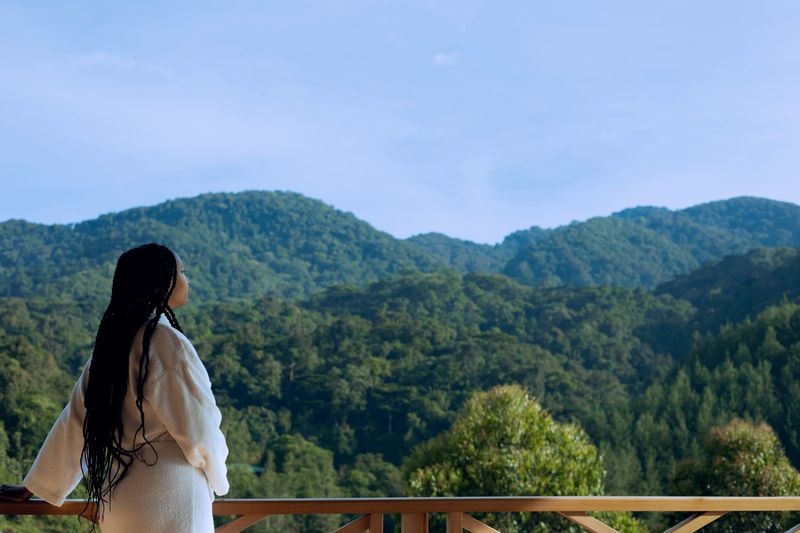
Bwindi Impenetrable National Park is home to roughly half the world’s remaining mountain gorillas, spread across four separate trekking sectors — Buhoma, Ruhija, Rushaga and Nkuringo — each with its own access road, lodge cluster and slightly different forest terrain, giving travelers real flexibility in how they plan a gorilla trek.
Kibale Forest National Park

Kibale National Park is Uganda’s premier chimpanzee-tracking destination, holding some of the highest primate densities found anywhere in Africa. Beyond chimpanzees, the surrounding forest and nearby Bigodi Wetland shelter twelve other primate species, making Kibale a strong choice for travelers who want variety beyond a single headline species.
Queen Elizabeth National Park
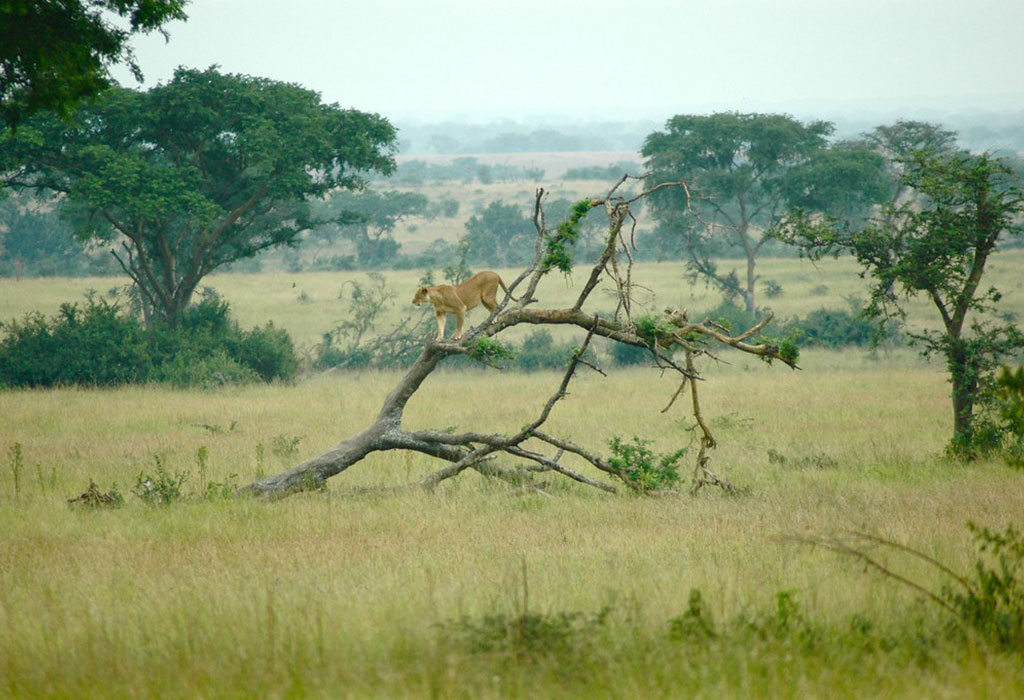
Queen Elizabeth National Park combines classic savannah wildlife viewing with the Kazinga Channel boat cruise, one of Uganda’s best wildlife-watching experiences, and Kyambura Gorge chimpanzee tracking. Its Ishasha sector is also one of the few places in Africa where tree-climbing lions can reliably be observed resting in fig trees.
Murchison Falls National Park
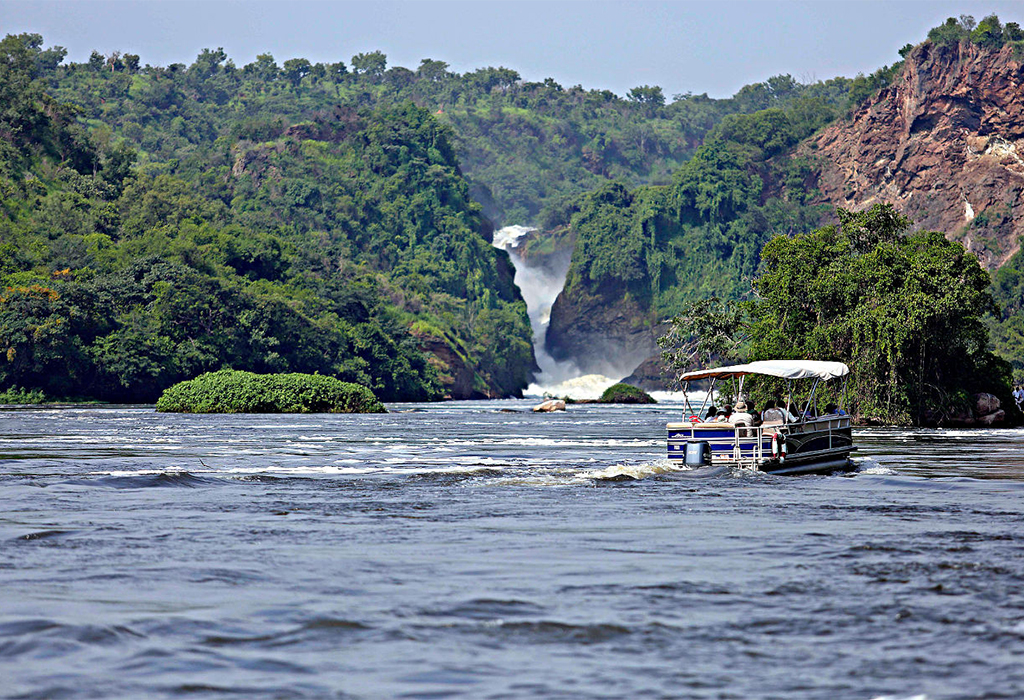
Murchison Falls National Park is Uganda’s largest protected area, centered on the Nile as it forces itself through a narrow rock gorge into a dramatic waterfall. The park combines strong game drives with a scenic Nile boat cruise, and its Budongo Forest sector adds a lower-cost chimpanzee-tracking option.
Kidepo Valley National Park

Kidepo Valley National Park, tucked into Uganda’s remote northeastern corner, offers dramatic rugged savannah landscapes and wildlife found nowhere else in the country, including cheetah. Its remoteness keeps visitor numbers low, rewarding travelers with a genuinely wild, uncrowded safari experience that few other Ugandan parks can match.
Also worth considering: Mgahinga (golden monkeys and gorillas), Lake Mburo (Uganda’s most accessible park from Kampala and Entebbe), Semuliki, the Rwenzori Mountains, and Mount Elgon, each offering a distinct, less-visited alternative to the five headline destinations above.
How to Get to Uganda Safari Destinations
| Destination | From Entebbe by Road | By Air | Best Gateway |
|---|---|---|---|
| Murchison Falls | ~5–6 hrs | Chartered flights to nearby airstrips | Entebbe |
| Kibale | ~6 hrs | Flight to Kasese + road transfer | Entebbe |
| Queen Elizabeth | ~6–8 hrs | Flight to Kasese | Entebbe |
| Bwindi | 8–9 hrs | Flight to Kisoro or Kihihi | Entebbe/Kigali |
| Mgahinga | 8–9 hrs | Flight to Kisoro | Entebbe/Kigali |
| Kidepo | 10+ hrs | Scheduled/chartered flights recommended | Entebbe |
For most itineraries, flying at least one leg of the journey, especially into Kidepo or Bwindi, saves a full day of driving on rough roads. On shorter trips of a week or less, that saved day is often worth the extra cost, since it frees up meaningful time for actual game viewing and trekking instead.
Uganda Safaris From Rwanda
Southwestern Uganda sits close enough to Kigali that a large number of travelers choose to combine both countries within a single trip, rather than treating Uganda and Rwanda as entirely separate journeys requiring separate flights and separate visa processes.
Kigali → Bwindi, Kigali → Mgahinga, Kigali → Queen Elizabeth and Kigali → Kibale are all workable overland routes, typically crossing the border at either Cyanika or Katuna/Gatuna, depending on which Bwindi sector or Ugandan park you’re heading toward first.
Uganda Gorilla Safari From Kigali
A typical route looks like this: fly into Kigali, spend a night in the city or head straight to the border, cross at Cyanika if you’re headed to Bwindi’s Nkuringo or Rushaga sectors (or Mgahinga), or at Katuna if you’re headed to Buhoma, trek gorillas the following morning, then either push deeper into Uganda or loop back to Kigali for departure. Confirm your permit is booked for the correct sector relative to your chosen border crossing well in advance, and build a buffer day into your schedule in case of unexpected delays at immigration.
Uganda vs Rwanda Gorilla Trekking
| Factor | Uganda | Rwanda |
|---|---|---|
| Gorilla destinations | Bwindi + Mgahinga | Volcanoes NP |
| Standard permit | $800 FNR | $1,500 FNR |
| Habituation | $1,500 now, rising to $1,800 in Jan 2027 | Different product structure |
| Kigali access | Excellent for southwestern Uganda | Direct |
| Entebbe access | Direct Uganda gateway | Longer |
| Trekking sectors | Four Bwindi sectors + Mgahinga | Volcanoes NP sectors |
| Safari combinations | Strong wildlife + primates in one country | Compact, efficient circuit |
Uganda’s gorilla permit price is roughly half of Rwanda’s, and Uganda additionally offers a much wider range of trekking sectors alongside a full Big Five wildlife circuit within the same country. Rwanda’s advantage lies in a tighter, more efficient circuit and shorter transfer times from Kigali airport. The right choice ultimately comes down to your budget, available time, and whether wildlife diversity or overall trip efficiency matters more to you personally.
Top 5 Lodges in Each Major Uganda Safari Destination
Bwindi Impenetrable National Park
- Buhoma Lodge (Luxury) — Set right at the Buhoma trailhead, this ten-chalet lodge offers uninterrupted forest views, private verandas and hot water bottles for cold nights, making it one of the most convenient luxury options for travelers trekking gorillas from Bwindi’s northern sector.
- Clouds Mountain Gorilla Lodge (Luxury) — Perched above the Nkuringo trailhead, guests stay in volcanic-stone cottages with fireplaces and hand-woven carpets, combining genuine mountain-lodge character with the comfort expected of Bwindi’s higher-end properties.
- Engagi Lodge (Mid-range) — An eco-lodge built from local materials in the Buhoma sector, offering tranquil forested-valley views at an affordable rate, well suited to travelers who want comfort and quiet without the highest-end price tag.
- Ichumbi Gorilla Lodge (Mid-range) — Located near the Rushaga trailhead, Ichumbi offers clean, comfortable rooms and a warm welcome within easy reach of the southern sector’s gorilla families, making early-morning trekking starts straightforward.
- Buhoma Community Rest Camp (Budget) — Simple, cozy accommodation right in Buhoma village near the park headquarters, with comfortable beds and a genuinely local atmosphere, ideal for travelers prioritizing value without sacrificing convenience to the trailhead.
Kibale National Park
- Kyaninga Lodge (Luxury) — Perched on the rim of a crater lake with Rwenzori Mountain views, this striking timber-and-stone lodge offers eight cottages, an infinity pool, and gourmet dining, roughly a thirty-to-forty-minute drive from the Kanyanchu trailhead.
- Ndali Lodge (Luxury) — Set on a working estate overlooking its own volcanic crater lake, Ndali’s eight cottages combine farm-fresh cuisine with panoramic verandas, making it a strong choice for travelers who want luxury paired with genuine rural character.
- Primate Lodge Kibale (Mid-to-upper range) — Located inside the park itself, less than a seven-minute walk from the chimpanzee trekking start point, this is widely regarded as the best-located lodge for early-morning tracking, with guests often hearing chimps vocalizing at dawn.
- Isunga Lodge (Mid-range) — Positioned on the forest edge with views over Lake George and the Rwenzoris, Isunga offers comfortable, high-quality rooms at a more accessible price point than the crater-lake luxury properties nearby.
- Kibale Forest Camp (Budget/mid-range) — An eco-friendly tented camp bordering the Bigodi Wetland Sanctuary, offering a genuine jungle experience close to Kanyanchu, with both self-contained and shared-facility tent options to suit different budgets.
Queen Elizabeth National Park
- Mweya Safari Lodge (Luxury) — Often called “a Sheraton in the African bush,” this peninsula lodge overlooks the Kazinga Channel and Lake Edward, offering fifty-four rooms, a swimming pool, and unmatched proximity to the boat-cruise launch point.
- Ishasha Wilderness Camp (Luxury) — Set in the Ishasha sector famous for tree-climbing lions, this ten-room camp overlooks the Ntungwe River and delivers a genuine wilderness feel, with running water and eco-friendly facilities despite its remote setting.
- Katara Lodge (Luxury) — An intimate lodge in the heart of the park, known for consistently excellent service and cottages that let guests sleep under the stars on an additional outdoor bed, a distinctive touch among Queen Elizabeth’s upmarket properties.
- Kyambura Gorge Lodge (Mid-range) — Positioned on the dramatic edge of Kyambura Gorge, this lodge pairs comfortable accommodation with easy access to gorge-based chimpanzee tracking, making it a practical base for travelers combining primates with savannah game drives.
- Simba Safari Camp (Budget) — A straightforward, comfortable budget option near the park’s core wildlife areas, offering self-contained rooms and reliable basics like hot water and electricity, well suited to travelers prioritizing cost over extensive amenities.
Murchison Falls National Park
- Paraa Safari Lodge (Luxury) — Built in 1954 on the Nile’s northern bank, this fifty-four-room lodge blends colonial-era character with modern comfort, and its prime position near the ferry crossing makes it ideal for both game drives and Nile boat cruises.
- Chobe Safari Lodge (Luxury) — Located near Karuma Falls on the park’s northeastern edge, Chobe offers thirty rooms, twenty luxury tents and a presidential cottage, all with private balconies overlooking the river, at a notably strong value for its five-star positioning.
- Nile Safari Lodge (Luxury/mid-range) — An eco-friendly, family-owned lodge on the Nile’s southern bank, offering eight bandas and one honeymoon suite with sweeping river and savannah views, alongside activities ranging from biking to chimpanzee trekking.
- Pakuba Safari Lodge (Mid-range) — Set on the Albert Nile’s eastern bank, this modern three-star lodge occupies the site of a former state lodge and offers panoramic river views in a setting frequented by giraffes, elephants and occasional leopards.
- Murchison River Lodge (Budget/mid-range) — Located on the Nile’s southern bank, this lodge offers en-suite thatched cottages with solar fans, alongside pre-set camping tents, a bar, restaurant and pool, giving budget travelers genuine comfort without a luxury price tag.
Kidepo Valley National Park
- Apoka Safari Lodge (Luxury) — Perched on a hill overlooking the Narus Valley, Apoka’s ten cottages feature outdoor stone bathtubs and private verandas, and it remains the benchmark luxury property in this remote corner of Uganda’s far northeast.
- Adere Safari Lodge (Luxury) — Located near the Kidepo River, this eight-cottage property pairs elegant, tradition-inspired design with an infinity pool and access to game drives targeting Kidepo’s full range of savannah wildlife, including its resident big cats.
- Nga’Moru Wilderness Camp (Mid-range) — Set in the wildlife-rich northern part of the park, this grass-thatched camp delivers a genuinely wild atmosphere with sightings of giraffes, zebras, cheetahs and buffalo often possible right from camp.
- Kidepo Savannah Lodge (Mid-range) — Positioned near the Kalokudo gate, this lodge offers comfortable, well-furnished rooms with fireplaces and wooden balconies, giving travelers a solid mid-range base for exploring Kidepo’s dramatic, sparsely visited landscapes.
- Apoka Rest Camp (Budget) — Run directly by UWA, this rest camp offers fourteen basic bandas plus a self-catering campsite, giving budget-conscious travelers a genuinely affordable way to experience one of Africa’s most remote and rewarding parks.
How Many Days Do You Need for a Uganda Safari?
2–3 days suits travelers who want gorilla trekking only, typically flying in and out of a regional airstrip to avoid long road transfers, and works well as either a standalone trip or a short add-on to a longer regional itinerary elsewhere in East Africa.
3–4 days is enough time for a standalone wildlife trip focused on either Murchison Falls or Queen Elizabeth, covering game drives and a boat cruise without the added complexity of combining multiple parks or primate permits into a tighter schedule.
5 days allows gorilla trekking to be combined comfortably with one additional wildlife park, giving travelers a genuine taste of both Uganda’s primates and its classic savannah game viewing without an overly rushed pace between destinations.
7 days is a popular sweet spot that comfortably combines gorilla trekking, chimpanzee tracking and a wildlife park, giving travelers exposure to Uganda’s three headline experiences without needing to compress transfers into unreasonably long driving days.
10 days opens up multiple national parks with enough time to explore each one properly, rather than treating every stop as a rushed overnight, and suits travelers who want a genuinely comprehensive but still manageable circuit.
12–14 days allows a comprehensive circuit covering primates, wildlife and the Nile in real depth, with enough slack in the schedule to absorb the occasional weather delay or simply slow down and enjoy a favorite destination longer.
17+ days represents the full Uganda circuit, often extended into Rwanda or another East African country, and suits travelers treating this as a genuine trip of a lifetime rather than a single, tightly scheduled vacation window.
How to Add a Kampala City Tour

Travelers with an early or late flight often add Kampala before the safari (Entebbe → Kampala → safari start) or after it (safari end → Kampala → Entebbe Airport), turning otherwise wasted transit time into a genuine cultural add-on rather than a rushed airport layover with nothing to show for it.
For those with more limited time, a half-day Kampala tour still covers meaningful ground: local markets, cultural and religious landmarks, craft workshops, and street food, giving travelers a real feel for Uganda’s capital without requiring a full overnight stay in the city itself.
How to Add a Kigali City Tour

For itineraries built around a Uganda–Rwanda border crossing, a common flow works well: arrive in Kigali, take a city tour that often includes the Kigali Genocide Memorial, local markets, and the Nyamirambo neighborhood, then continue overland to Bwindi or Mgahinga for gorilla trekking before finally returning to Kigali for onward departure.
What Is Included and Excluded in a Uganda Safari Package?
- Usually included: the 4×4 safari vehicle and driver-guide, accommodation for the stated nights, specified meals, park entrance fees, all listed activities, gorilla and chimpanzee permits where explicitly stated in the itinerary, airport transfers on arrival and departure, and drinking water throughout the trip, forming the core of most standard quotes.
- Usually excluded: international flights to and from Uganda, visa fees, travel insurance, personal expenses such as souvenirs, tips for guides and lodge staff, alcoholic drinks beyond what’s specified, and any activity not explicitly named in the written itinerary, all of which travelers should budget for separately.
Always confirm exactly which permits and meals are bundled into a quoted price before booking — this single point of confusion causes more misunderstandings between travelers and operators than any other part of a Uganda safari, so it’s worth asking directly rather than assuming based on the headline price.
Uganda Safari Packing List
- Gorilla and chimpanzee trekking: sturdy hiking boots, long trousers tucked into socks, a waterproof jacket, gardening gloves for gripping vegetation, a daypack, strong insect repellent, a face mask (required at close range with gorillas), walking poles for steep or slippery terrain, and a reusable water bottle for the trek itself.
- Wildlife safari: binoculars for spotting distant game, a camera with a reasonable zoom lens, clothing in neutral, muted colors rather than bright patterns, a wide-brimmed hat for sun protection during open-vehicle game drives, and a strong sunscreen, since Uganda’s equatorial sun is intense even on overcast days.
- General: a valid passport with sufficient blank pages, travel insurance covering medical evacuation, any regular prescription medications packed in carry-on luggage, a charger or portable power bank for camera and phone batteries, and a reusable water bottle to reduce single-use plastic across the trip.
Gorilla and Chimpanzee Trekking Requirements
Gorilla tracking takes place in Bwindi and Mgahinga, and treks can last anywhere from roughly 2 to 7 hours depending on where the gorilla family happens to be located that day, followed by one hour of observation once the group is found and the guide confirms it’s safe to approach.
Conditions vary considerably day to day depending on weather, terrain and where a given gorilla family has moved to overnight, so operators should avoid promising a specific difficulty level in advance. A more honest framing — “moderate to strenuous, and weather-dependent” — sets realistic expectations without discouraging genuinely capable travelers from booking.
Key points worth confirming with travelers before they book: the minimum age for gorilla trekking (typically 15) and chimpanzee tracking (typically 12), the general fitness level required for uneven and sometimes steep terrain, porter availability for carrying daypacks, appropriate clothing and footwear, any relevant medical considerations best discussed with a doctor beforehand, and realistic weather expectations depending on season.
How to Book a Uganda Safari for 2027/28
- Choose your dates, keeping in mind that April, May and November carry discounted gorilla and chimpanzee permit pricing, while June through September and December through February offer the strongest overall wildlife and trekking conditions across the country.
- Choose your safari from the packages listed above, or work with your operator to request a fully custom itinerary built around your specific interests, timeline and budget.
- Confirm gorilla and chimpanzee permits early — since March 2026, UWA requires full payment at the time of booking rather than allowing a holding period, so be financially ready to commit as soon as your dates are set.
- Choose accommodation across the budget, mid-range or luxury tiers described throughout this guide, keeping in mind that lodge choice affects comfort far more than it affects your actual wildlife or trekking experience.
- Confirm transport — whether you’ll travel entirely by road, add one or two domestic flights, or mix both approaches depending on which parks you’re visiting and how much time you have available.
- Pay your deposit to secure your permits, lodge bookings and vehicle, and request written confirmation of exactly what that deposit covers before transferring any funds.
- Receive your final itinerary, including day-by-day activities, accommodation names, and a clear breakdown of what’s included versus what you’ll need to cover separately during the trip.
- Travel to Uganda, ideally with printed copies of your permits, itinerary and any relevant insurance documents in addition to digital versions stored on your phone.
Foreign non-residents must purchase gorilla and chimpanzee permits through a Uganda Tourism Board–licensed tour operator rather than buying directly from UWA. Always request an official proforma invoice before paying any deposit, so you can independently confirm your permit request has actually been submitted to UWA rather than simply taking your operator’s word for it.
Uganda Safari Costs by Budget Level
| Safari Style | Accommodation | Transport | Typical Experience |
|---|---|---|---|
| Budget | Basic lodges/camps | Shared 4×4 road safari | Essential experiences |
| Mid-range | Comfortable lodges | Private 4×4 | Comfort + flexibility |
| Luxury | High-end lodges | Private 4×4 and/or domestic flights | Premium experience |
Gorilla and chimpanzee permits sit outside this budget tiering entirely, since they’re a separate, fixed cost charged directly by UWA regardless of which accommodation level you choose. Currently that means $800 FNR for gorilla tracking and $250 FNR for chimpanzee tracking, whether you’re staying in a budget banda or the most luxurious crater-lake lodge in the country.
Frequently Asked Questions
How much does a Uganda safari cost in 2027?
Overall, it depends heavily on trip duration, accommodation tier and which permits are included, leaving no single universal figure. For example, a short gorilla-focused trip lasting two or three days typically costs meaningfully less overall. In contrast, a longer ten-plus day multi-park circuit built around luxury lodges and domestic flights costs considerably more.
How much is a gorilla permit in Uganda?
Normally, the standard permit rate is $800 for foreign non-residents and $700 for foreign residents overall. However, a discounted rate of $600 and $500 respectively becomes available during April, May and November. Therefore, these low-season permits cannot be rescheduled once booked, so choose them only if travel dates are firm.
How much is chimpanzee trekking in Uganda?
Standard chimpanzee tracking normally costs $250 for every foreign non-resident and $200 for foreign residents overall. Meanwhile, a discounted rate of $200 and $150 respectively applies during April, May and November’s low season. Alternatively, Budongo Forest, located near Murchison Falls, offers a cheaper tracking alternative at roughly $130 per person.
What is the best month for a Uganda safari?
Honestly, there isn’t one single best month, since the right choice depends entirely on your travel priorities. For instance, June through September and December through February offer the strongest wildlife and trekking conditions overall. However, April, May and November offer the lowest permit prices of the year, despite wetter weather conditions.
Is Uganda good for a first safari?
Yes, absolutely, since Uganda combines primate trekking with classic Big Five-style wildlife viewing within a single country. Additionally, this combination is relatively unusual in East Africa, where most countries specialize in one type. As a result, first-time visitors can experience a genuinely wide range of safari activities in one trip.
How many days do I need in Uganda?
Generally, a minimum of five days comfortably covers gorilla trekking plus one additional wildlife park visit. Alternatively, spending ten to fourteen days allows for a genuinely comprehensive circuit across multiple national parks. Meanwhile, shorter two-to-three-day trips remain possible for gorilla trekking alone, typically using domestic flights to save time.
Is Uganda cheaper than Rwanda for gorilla trekking?
Yes, noticeably so, since Uganda’s standard gorilla tracking permit costs just $800 per foreign non-resident visitor. In comparison, Rwanda’s Volcanoes National Park charges $1,500 for that same equivalent gorilla trekking permit today. Consequently, Uganda remains the more budget-friendly choice for travelers whose main goal is a gorilla encounter.
Can I do gorilla trekking from Kigali?
Yes, both Bwindi and Mgahinga are easily reachable by road from Kigali via two border crossings. Specifically, travelers can use either the Cyanika or Katuna crossing, depending on their intended trekking sector. Overall, this journey typically takes three to four hours, making a Kigali-based gorilla safari genuinely practical.
Can I combine Uganda and Rwanda?
Yes, this is a common and well-established itinerary for many international travelers visiting the region today. Particularly, many travelers combine southwestern Uganda gorilla trekking with a Kigali city tour, then depart internationally. Ultimately, the two countries sit close enough together, making overland combination trips genuinely efficient rather than exhausting.
Can I fly between Uganda’s national parks?
Yes, domestic flights connect Entebbe with airstrips located near most of Uganda’s major national safari parks. These popular parks include Kidepo, Bwindi and Kasese, among several other destinations across the entire country. Consequently, flying cuts long road transfers significantly, freeing up valuable time for actual daily game viewing.
How long does it take to drive from Entebbe to Bwindi?
Typically, the drive takes roughly eight to nine hours by road, depending on your destination sector. Specifically, travel time varies depending on which of Bwindi’s four trekking sectors and current road conditions. Alternatively, many travelers break this long journey with an overnight stop, or fly one leg instead.
How do I get from Kigali to Bwindi?
Generally, travelers typically reach Bwindi by road via either the Cyanika or Katuna border crossing points. This crossing typically takes three to four hours, depending on your final destination sector within Bwindi. Notably, Cyanika sits closer to the Nkuringo and Rushaga sectors, while Katuna sits nearer to Buhoma.
What should I pack for gorilla trekking?
Essentially, pack sturdy hiking boots, long trousers, a waterproof jacket, and gardening gloves for gripping vegetation. Additionally, bring insect repellent and a face mask, which is required for all close-range gorilla contact. Finally, walking poles help considerably on steep or slippery terrain, according to most experienced local trekkers.
What is the minimum age for gorilla trekking?
Typically, the minimum age is 15 years old, a rule strictly enforced by UWA officials themselves. Notably, individual tour operators cannot override this rule, regardless of a traveler’s personal circumstances or requests. Essentially, this age limit protects both physical safety and reduces disease-transmission risk to the gorillas themselves. Consequently, this rule is rarely negotiable on trekking day, regardless of circumstances or advance travel planning.
What is the minimum age for chimpanzee trekking?
Typically, the minimum age for chimpanzee trekking is 12 years old, somewhat younger than for gorillas. This lower age reflects the generally less physically demanding terrain involved in typical chimpanzee tracking excursions. By comparison, gorilla trekking in Bwindi’s steeper forest sectors demands considerably more physical stamina and effort.
Can elderly travelers do gorilla trekking?
Yes, with sensible preparation, elderly travelers can absolutely still enjoy fully successful gorilla trekking experiences overall. Specifically, a private vehicle, a slower pace, and a hired porter all make a meaningful difference. Notably, a porter can also carry gear and offer support on uneven terrain throughout the trek. Ultimately, a person’s general fitness level matters considerably more than actual age for trekking success overall.
Can travelers with disabilities do a Uganda safari?
Yes, with careful advance planning, travelers living with disabilities can enjoy a successful Uganda safari overall. However, overall accessibility varies significantly by lodge and trekking sector across the different regions of Uganda. Therefore, it’s essential to discuss your specific needs directly with your chosen operator well before booking. Consequently, don’t assume a standard level of accessibility exists uniformly across all Uganda’s parks and lodges.
What is the best safari for families?
Ideally, choose an itinerary with shorter daily driving distances and confirmed minimum ages for each activity. Additionally, mix wildlife-focused parks like Queen Elizabeth or Murchison Falls alongside a shorter primate trekking component. Ultimately, this balanced combination tends to work best for keeping children genuinely engaged without overtiring them.
Which Uganda national park is best for wildlife?
Both Queen Elizabeth and Murchison Falls offer excellent Big Five-style wildlife viewing throughout most of the year. In particular, both parks offer reliable lion and elephant sightings for travelers throughout their entire visit. Alternatively, Kidepo Valley offers a more remote, less-visited experience with its own genuinely distinct wildlife, including cheetah.
Where can I see chimpanzees?
Primarily, chimpanzees live in Kibale National Park, which holds Uganda’s highest overall chimpanzee population density today. Alternatively, Kyambura Gorge in Queen Elizabeth and Budongo Forest near Murchison Falls offer generally lower-cost tracking. Consequently, these lower-cost alternatives suit travelers who would prefer avoiding a dedicated detour to Kibale specifically.
Where can I see golden monkeys?
Golden monkeys live specifically in the bamboo forests of Mgahinga Gorilla National Park in southwestern Uganda. Notably, this small park sits directly on Uganda’s southwestern border with both Rwanda and DR Congo. Consequently, golden monkey tracking makes an easy, affordable add-on for travelers already trekking gorillas in this region.
Where can I see lions in Uganda?
Queen Elizabeth National Park remains the most reliable overall destination for spotting lions throughout Uganda today. Particularly, its famous Ishasha sector offers travelers a genuinely unique and unforgettable tree-climbing lion viewing experience. There, lions can often be seen resting in fig tree branches, a behavior rarely observed elsewhere.
Is Kidepo worth adding to a Uganda safari?
Yes, definitely, for travelers who have extra time and budget available to spare on their trip. However, it’s quite remote and generally requires booking a domestic flight for most standard Uganda itineraries. Nevertheless, its dramatic landscapes and distinctive wildlife, found nowhere else in Uganda, reward the extra effort.
Can I add Kampala to my safari?
Yes, you can easily add Kampala either before or after your main Uganda safari itinerary begins. Alternatively, consider booking a standalone half-day tour, which suits travelers working with more limited time overall. Either way, even short Kampala layovers gain genuine cultural and culinary value rather than sitting idle.
Can I add Kigali to my Uganda safari?
Yes, particularly for itineraries already built around Bwindi or Mgahinga gorilla trekking near the Rwanda border. In such cases, combining a short Kigali city tour adds only minimal extra overall travel time. Ultimately, this small addition significantly broadens the overall trip experience without disrupting your existing itinerary plans.