
Cost of 1-Day Gorilla Trekking in Bwindi from Kigali
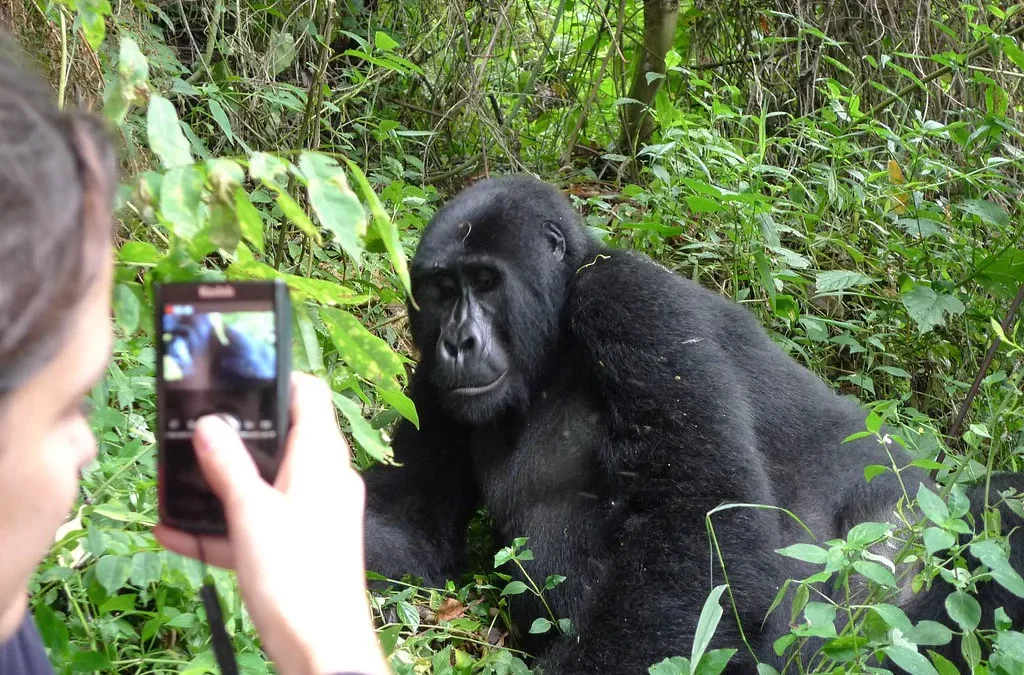
Cost of 1-Day Gorilla Trekking in Bwindi from Kigali: Complete 2026-2027 Guide
The cost of a 1-day gorilla trekking safari in Bwindi from Kigali typically falls between $1,100 and $1,300 per person. The final figure depends mostly on the season you travel in and on which services your package actually covers. For visitors already staying in Rwanda, this route offers a way to meet Uganda’s mountain gorillas without adding several extra days to a trip.
A single day is enough because Kigali sits close to southwestern Uganda. The drive to the Bwindi area is far shorter than the transfer from Entebbe or Kampala, so it becomes realistic to leave the Rwandan capital before dawn, pass through the border, complete a gorilla trek, and be back in your hotel that same evening.
For anyone planning this kind of trip, Rushaga and Nkuringo deserve first consideration. Both sit in the southern part of the park, which suits an itinerary built around a Rwandan departure point. Buhoma and Ruhija remain valid choices too, particularly when permit availability points travelers there instead.
Sample One Day Gorilla Trekking Itinerary from Kigali to Bwindi
- 3:00am to 4:00am, early departure from Kigali. Your private driver guide collects you from your hotel or another agreed point; an airport pickup can sometimes be arranged if the flight schedule allows. Have your passport, trekking clothes, and water ready before the vehicle sets off toward the border.
- Around 5:30am, crossing into Uganda. Once immigration formalities are complete, the drive continues toward the assigned sector, with unnecessary stops avoided given the tight schedule.
- Around 7:30am, arrival at the trekking headquarters. You receive the standard briefing, covering distance rules, gorilla behaviour, and forest etiquette, before joining your ranger led group.
- From about 8:00am, the trek itself. Hiking time varies with the location of your assigned family that day, and can run anywhere from about two to seven hours, which is exactly why a same day itinerary cannot promise a fixed return time.
- Early to mid afternoon, leaving the park. After your encounter, you return to the trailhead, meet your driver, and take a short break before starting the journey back.
- Evening, return to Kigali. Depending on when trekking finished, traffic, road conditions, and the second border crossing, arrival back in the city may come well into the evening, favouring travelers who value efficiency over a relaxed rhythm.
These times are only a guide. Your driver guide will confirm the exact pickup slot within the 3:00am to 4:00am window based on your sector and its required reporting time.
How Much Does 1-Day Gorilla Trekking from Kigali to Bwindi Cost
Several elements combine to form the final price: the gorilla permit itself, a private vehicle, fuel, a driver guide, and the coordination needed to fit everything into a single day. This is not a simple city outing, and pricing it as one would be misleading.
At Iconic Africa Safaris, every quote is built as one complete number rather than a set of costs you have to calculate yourself. The permit is included and reserved on your behalf, subject to availability and current Uganda Wildlife Authority requirements.
Your quote reflects your chosen travel date, group size, pickup point in Kigali, preferred sector, permit availability, season, vehicle needs, and any accommodation you might require. Presenting these factors together, rather than separately, gives you a realistic understanding of what the safari will cost before you commit to it.
Why Choose Gorilla Trekking from Kigali to Bwindi
For someone already based in Kigali, crossing into Uganda for gorillas can be more practical than trekking on the Rwandan side. It lets you experience two countries within a single itinerary while still reaching Bwindi’s forest and its resident gorilla families.
Kigali also functions as a major arrival hub for the wider Great Lakes region. Rather than flying into Kigali, continuing to Entebbe, and then driving overland toward the southwest, travelers can head straight for the border and reach Bwindi far sooner. That shortcut matters most to people with only a day or two to spare.
This route particularly suits guests already staying in Kigali, arrivals through Kigali’s airport, travelers on a tight schedule, anyone combining a Rwanda visit with a taste of Uganda, couples and private groups, and those who simply want to avoid a long transfer from Entebbe.
Rushaga Gorilla Trekking from Kigali: Best Bwindi Sector
Rushaga sits among the sectors worth checking first when arranging a trek that starts and ends in Kigali. Its position in southern Bwindi fits naturally with an approach from the Rwandan side.
That southern position matters because a same day itinerary already involves an early departure, a border crossing, the trek itself, and a return drive. Choosing a sector that limits unnecessary road time keeps the whole plan realistic.
Rushaga also carries a bonus for travelers drawn to something beyond a standard walk into the forest: it hosts the gorilla habituation experience, which appeals to anyone building a longer or more specialised primate itinerary. For a single day trip, though, the standard trek remains the sensible choice unless you have specifically requested something different.
Nkuringo Gorilla Trekking from Kigali: Southern Bwindi Sector
Nkuringo also belongs on the shortlist for travelers approaching Bwindi from Rwanda. It lies in the same southern stretch of the park and offers a solid option for a short, focused primate excursion.
The terrain here is mountainous, the views are dramatic, and the trails can be genuinely demanding. Anyone selecting Nkuringo should arrive prepared for a physically taxing walk, especially if the assigned family happens to be deep in the forest that day.
Its location makes Nkuringo a logical sector to request when building a same day safari from Rwanda, though your final decision should still rest on whatever permit is actually available for your date.
Buhoma and Ruhija: Alternative Bwindi Gorilla Trekking Sectors
Buhoma and Ruhija round out Bwindi’s four official trekking sectors alongside Rushaga and Nkuringo. Neither should be dismissed. They simply sit further from the Rwandan border, which matters less once permit access becomes the deciding factor.
For a Kigali departure, we would normally check Rushaga and Nkuringo before looking elsewhere. Buhoma and Ruhija come into play when the southern permits are already booked, or when their available families and scheduling happen to match your dates better.
This is an important point for any traveler comparing operators. A company should never promise a specific sector before confirming that a permit for it actually exists on your date.
Your eventual sector should reflect several things together: your preferred date, the permits genuinely available, the practicalities of the route from Kigali, the reporting time required, current road and border conditions, your physical comfort level, and how the sector fits your broader schedule.
Bwindi Gorilla Permit Cost for 2026 and 2027
The permit is the single largest line item in your safari cost, and it is also the figure most often left outdated on other websites, so it deserves a careful look.
Uganda’s tariff running from July 2024 through June 2026 set permit rates by visitor category. A foreign nonresident pays $800, a foreign resident pays $700, visitors from elsewhere in Africa pay $500, and East African citizens pay 300,000 Ugandan shillings. That fee already bundles in the ranger guide, park entry for the day, and a community contribution.
Uganda’s authorities have since released a tariff covering 2026 and 2027, and the standard rates carry over unchanged. Two shifts still matter for anyone booking now. Reduced permits near $600 for nonresidents and $500 for residents apply to treks in April, May, and November 2026, though these cannot be rescheduled and must be paid upfront. The reservation window has also tightened, with payment now expected almost immediately to hold a permit.
Because pricing can shift, we recommend confirming the exact figure for your specific date before final payment. At Iconic Africa Safaris, the applicable permit is folded into your full quotation and reserved for you at the rate that applies to your confirmed trekking date.
Why the Gorilla Trekking Permit Matters
A permit grants entry to a controlled encounter with an assigned gorilla family. Visitor numbers are capped deliberately, which limits pressure on the animals and their habitat while keeping each group’s experience meaningful.
Bwindi is home to roughly 459 mountain gorillas and stands among Uganda’s most important destinations for this kind of encounter. Revenue collected through permits also funds conservation work and supports nearby communities, so your trek is never simply a wildlife outing; the fee you pay keeps the system running for future visitors too.
How Gorilla Permit Availability Affects Your Bwindi Sector
Not entirely, but it comes close. When requesting a same day trip from Kigali, it helps to state a preference for Rushaga or Nkuringo up front so your operator can check what is actually open. If Rushaga has nothing available, the search moves to Nkuringo, and then to Ruhija or Buhoma. This beats locking in a sector first and assuming a permit will simply appear.
Kigali to Bwindi Distance and Travel Time
Travel time varies with your chosen sector, the state of the border crossing, road conditions, traffic, and exactly where in Kigali your journey begins.
As a general guide, the drive runs roughly four to five hours under normal circumstances, though delays at the border or on the road can stretch that window. This relatively short transfer is precisely why the Kigali route works for a same day plan in a way that starting from Entebbe rarely does.
Why a One Day Uganda Gorilla Trek Starts Early
A same day gorilla safari from Kigali does not accommodate a leisurely start. You need time to leave the city early, clear immigration, reach your assigned sector, complete the trek, exit the park, and reverse the entire journey home. Your exact departure time depends on the sector and reporting requirements, and your driver guide should confirm this the night before. This early start is what really separates a one day itinerary from the relaxed pace of a two or three day gorilla safari.
What a Bwindi Gorilla Trekking Package Includes
A properly built quote should spell out every major component before you commit. At Iconic Africa Safaris, that package generally covers the gorilla permit, a private four wheel drive vehicle, a professional driver guide, pickup and drop off in Kigali, border assistance, fuel, park related charges, drinking water, and support throughout the day. Exact inclusions should always be confirmed in writing, since packages differ between operators.
Why a Complete Gorilla Safari Quote Serves You Better
Comparing safari prices online is genuinely difficult because operators rarely present them the same way. One advertised figure might include the permit while another excludes it entirely, and one company may supply a private vehicle while another relies on shared transport.
A complete quotation removes that guesswork. At Iconic Africa Safaris, the number you receive already reflects your actual requirements, with the permit included and secured, so you know precisely what the trip involves before paying anything.
Private versus Shared Gorilla Trekking from Kigali
A private vehicle generally suits a same day trip better because it hands you control over the schedule. You depart Kigali at the agreed time, stop when needed, and head home without waiting on other travelers. Shared transport can lower costs where offered, but it introduces scheduling constraints that work against a tightly timed plan, so private transport tends to be worth the difference here.
What Affects the Cost of Gorilla Trekking in Uganda
Season plays a role, since demand affects accommodation, vehicle availability, and general pricing; ask about quieter periods and whether an April, May, or November discount applies. Group size matters too, since transport costs spread across travelers, so a solo guest and a group of four rarely land on the same per person figure. Sector choice influences route planning, though the confirmed permit ultimately decides it. Vehicle type affects cost, with a comfortable four wheel drive being standard. Add ons such as transfers, accommodation, meals, porters, or cultural visits shift the total upward too.
Best Time to Book a One Day Bwindi Gorilla Safari
Timing depends on whether price, weather, or permit availability matters most to you. Anyone with fixed dates should book early, since permits are limited and the newer requirement for near immediate payment means availability can close faster than travelers expect. Waiting until the last moment often narrows your sector options considerably.
Travelers with flexible plans have room to shift dates if their preferred sector is unavailable, and they can weigh the April, May, or November discount against its stricter, non reschedulable terms. For the Kigali route specifically, giving Rushaga and Nkuringo first priority, then letting your operator check alternatives if needed, balances your preferences against the reality of limited permits.
Can You Choose Rushaga or Nkuringo Gorilla Trekking
Yes, though a requested sector should never be treated as guaranteed until the permit itself is confirmed. You might ask for Rushaga on a specific date; if it sells out, your operator checks Nkuringo; if that also fails, the search moves to Ruhija or Buhoma. This is precisely why early booking carries so much weight.
The safer sequence runs: state your preferred sector, confirm what permits exist, identify an alternative if needed, then finalise the itinerary. The riskier alternative, booking transport around a sector before confirming any permit, invites disappointment.
Rushaga versus Nkuringo: Best Gorilla Trekking Sector from Kigali
Both sectors sit in southern Bwindi and suit a Kigali departure equally well. Rushaga tends to offer more varied trekking conditions and carries the added draw of the habituation experience, while Nkuringo leans toward tougher terrain set against striking mountain scenery. Neither ranks consistently above the other; the better fit for your date usually comes down to permit availability and which family you are assigned.
How Difficult Is Bwindi Gorilla Trekking
Do not underestimate this part of the experience. Bwindi is mountainous rainforest, and trails can turn steep, muddy, slippery, or uneven depending on recent weather and gorilla movement. Nkuringo carries a reputation for tough terrain; Rushaga can demand plenty of effort too. Reasonable fitness makes a real difference, so it helps to walk regularly beforehand, use stairs or hills for training, wear broken in hiking shoes, and prepare mentally for wet conditions underfoot.
Do You Need a Porter for Gorilla Trekking
A porter is optional, yet often genuinely useful. They carry your bag, assist on the toughest stretches, and their fee goes directly to people living around the conservation area. For anyone who does not hike regularly, that support can noticeably change the experience, particularly if you are also carrying camera gear, water, and rain protection through several hours of walking.
What to Pack for a Bwindi Gorilla Trek
Keep your load light and practical: waterproof hiking boots, long trousers, a long sleeved shirt, a rain jacket, a light fleece, sturdy gloves, a hat, a small backpack, drinking water, insect repellent, sunscreen, your passport, a camera or phone, and any personal medication you need. Since you will already spend many hours between the vehicle and the forest, avoid carrying anything beyond what you actually need.
Bwindi Gorilla Trekking versus Rwanda Volcanoes National Park
Travelers based in Kigali often weigh Uganda’s Bwindi against Rwanda’s own gorilla trekking experience in Volcanoes National Park. Both grant access to mountain gorillas, yet the overall feel of each trip differs. Bwindi spreads across several sectors within a dense forest environment, while Volcanoes National Park delivers a dramatic volcanic backdrop without ever leaving Rwanda.
For travelers focused on value, Bwindi tends to stand out, since Uganda’s permit pricing has historically sat below Rwanda’s standard rate. The Kigali route also lets visitors sample Uganda without first routing through Entebbe.
Why Bwindi Gorilla Trekking Offers Better Value
Value here extends well beyond the permit fee alone. You gain access to an expansive rainforest, multiple sectors, distinct gorilla families, and the option to pair your trek with other experiences in southwestern Uganda. Starting from Kigali sharpens that value further, since it avoids the longer overland transfer required from central Uganda. For travelers short on time, that combination makes a Kigali to Bwindi gorilla safari genuinely compelling.
Is a One Day Uganda Gorilla Trekking Safari Worth It
For the right traveler, yes. It is not the most relaxed way to see Bwindi, but it ranks among the most time efficient options available to anyone based in Kigali, delivering the core experience without demanding several extra days.
It suits travelers with exactly one free day, a short Rwanda itinerary, an international flight departing from Kigali, a business trip with limited spare time, a combined Rwanda and Uganda holiday, or simply a strong pull toward gorillas specifically. Anyone with several free days will likely find a two or three day itinerary more comfortable; when time is genuinely the constraint, though, a single day can work very well.
One Day versus Two Day Gorilla Trek from Kigali
A two day version offers more breathing room, since you travel to Bwindi first, rest overnight, and trek the following morning with less time pressure. The one day version, by contrast, favours travelers who cannot spare an overnight stay and are willing to trade comfort for speed.
How to Save Money on Cheap Gorilla Trekking from Kigali
Careful planning protects your budget better than removing important services does. Consider flexible dates, booking your permit early, comparing full quotations rather than partial ones, travelling with a companion or small group, skipping unnecessary upgrades, and asking precisely what is included. Avoid selecting a company purely because its headline price looks unusually low, and always confirm whether the permit is actually included.
Why Book with a Local Uganda Safari Operator
A local safari company understands the practical details that independent travelers often struggle to coordinate alone: permit reservations, sector arrangements, driver scheduling, border procedures, and communication with providers on the ground. For a same day itinerary, this knowledge matters even more, since the schedule leaves almost no room for error. Iconic Africa Safaris coordinates all of these elements as one package rather than leaving you to assemble each piece yourself.
Book Your Uganda Gorilla Safari from Kigali with Iconic Africa Safaris
Iconic Africa Safaris specialises in tailor made gorilla and wildlife safaris across Uganda and the wider East African region. For travelers starting in Kigali, we organise the full journey into Bwindi and back to Rwanda as a single, clear process.
You receive a complete quotation, permit arrangements, pickup and return in Kigali, private transport, a professional driver guide, support crossing the border, sector planning based on real availability, and assistance throughout the trip. Most importantly, we secure the permit for you as part of the booking, subject to availability.
How to Book Your Kigali to Bwindi Gorilla Trekking Tour
Send us your preferred date and group size to start. Let us know you want a same day gorilla trekking safari from Kigali to Bwindi and that Rushaga or Nkuringo is your preference. We then check what permits are genuinely available and confirm whether your preferred sector is possible. If neither southern sector has room, we check Ruhija or Buhoma and discuss the options before finalising anything.
You can also share your Kigali hotel or pickup location, arrival details if relevant, passport nationality, any special requirements, and your preferred vehicle setup. The earlier this information reaches us, the easier it becomes to build the right itinerary around it.
Frequently Asked Questions about 1-day gorilla trek in Bwindi from Kigali
What does a 1-day gorilla trek in Bwindi from Kigali cost?
Expect a range of $1,100 to $1,300 per person, shaped mainly by season and by which services your package covers. At Iconic Africa Safaris, that figure includes the permit alongside transport and safari arrangements, giving you the full picture rather than a partial headline number.
Which Bwindi sector is best for a Kigali gorilla safari?
Rushaga and Nkuringo are the preferred starting points, since both sit in southern Bwindi and suit the route well. The final choice still depends on permit availability; when neither has room on your date, Ruhija or Buhoma serve as sound alternatives.
Why do Rushaga and Nkuringo get priority?
Their southern location suits travelers crossing from Rwanda, since the day already involves a long drive, border formalities, and a return journey. Permit availability still decides the outcome.
Can Buhoma or Ruhija be requested instead?
Yes. Both are official Bwindi sectors, usable whenever permits are open there, and typically come up after Rushaga and Nkuringo have been checked for a Kigali based day trip.
Is the gorilla permit already included in the safari price?
At Iconic Africa Safaris, yes, the permit is built into the full quotation and reserved on your behalf, subject to availability and current requirements. This matters because comparing an all inclusive quote against one that excludes the permit gives a misleading sense of true cost.
Has the gorilla permit price changed for 2026 and 2027?
The newly released tariff carries the standard rates forward unchanged: $800 for foreign nonresidents, $700 for foreign residents, $500 for other African visitors, and 300,000 shillings for East African citizens. Discounted rates near $600 and $500 apply to April, May, and November 2026 specifically. Because figures can shift, confirm the exact rate for your travel date before paying.
Can gorilla trekking and the return to Kigali happen on the same day?
Yes, that is the entire premise of this itinerary: leave Kigali early, cross into Uganda, trek, and return the same evening. Be ready for an early start and a potentially late arrival back.
How long does the drive from Kigali to Bwindi take?
Roughly four to five hours under typical conditions, though the sector chosen, border procedures, traffic, and road quality can all extend that window.
How long does gorilla trekking in Bwindi take?
Duration depends entirely on where your assigned family happens to be that day, and can run anywhere from about two to seven hours. Since there is no fixed finishing time, travelers on a same day plan should prepare for a long, unpredictable stretch.
Is Rushaga good for gorilla trekking?
Yes. It ranks among Bwindi’s main sectors and suits a Kigali based trip well because of its southern position, with the added advantage of hosting the habituation experience.
Is Nkuringo good for gorilla trekking?
Yes, especially for travelers drawn to southern Bwindi’s mountainous terrain and dramatic scenery. Expect a genuinely challenging walk, so reasonable fitness and mental readiness for steep trails matter here.
Is gorilla trekking from Kigali better than from Entebbe?
For anyone already in Kigali, generally yes, since it avoids the far longer overland journey from Entebbe and allows a direct path into southwestern Uganda.
What should you wear for gorilla trekking?
Waterproof hiking shoes, long trousers, long sleeves, and a rain jacket cover the basics, since rain can appear even under seemingly favourable skies in a rainforest. Gloves help protect your hands moving through vegetation, and practical clothing beats heavy layers over a long hike.
Is hiring a porter necessary for gorilla trekking?
It is optional but recommended. A porter can carry your bag, water, or camera gear and assist on tougher stretches, while also supporting the local community economically.
Should the gorilla permit be booked before transport?
Yes, whenever possible, especially with a preferred sector such as Rushaga or Nkuringo, since transport planning should follow the confirmed trekking headquarters and reporting time.
How far ahead should you book a gorilla trekking permit?
As early as realistically possible. Permits are limited, and the newer near immediate payment requirement means availability can close faster than before.
Can other activities be added to a one day gorilla trek?
A strict single day plan leaves little room for extras. Travelers wanting to add Lake Bunyonyi, a Batwa cultural visit, golden monkey tracking, or a broader wildlife safari should consider a two day or longer itinerary instead.
Other Related Tour Packages
- 1-Day Gorilla Trekking Rwanda
- 2-Day Gorilla Trekking in Rwanda
- 3-Day Gorilla Trekking from Kigali to Bwindi
- 3-Day Chimpanzee Trekking in Nyungwe
- 3-Day Big5 in Akagera National Park
- 4-Day Double Gorilla Trekking in Bwindi
- 5-Day Gorilla and Chimpanzee Trekking in Uganda
- 7-Day Gorilla and Game Safari in Uganda