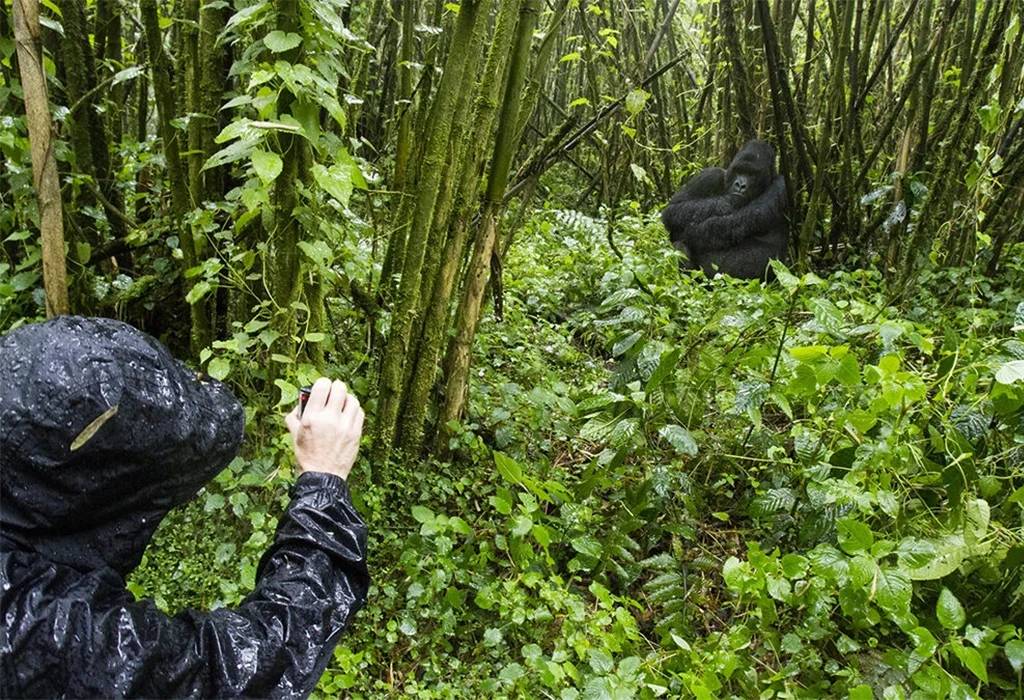
Rwanda Gorilla Trekking Safaris give you a rare kind of wildlife encounter. Picture standing a few meters from a silverback gorilla, close enough to watch its chest rise and fall, close enough for its eyes to meet yours.
Most Rwanda Gorilla Trekking Safaris begin in Kigali, then head north toward the Virunga Mountains. From there, trekkers enter the rainforest of Volcanoes National Park, a UNESCO World Heritage Site, to search for mountain gorilla families in their own territory.
At Iconic Africa Safaris, our Rwanda Gorilla Trekking Safaris packages range from mid-range trips to full luxury itineraries. You can book a fast 3-day trek or extend into a 10-day safari that pairs gorilla trekking with chimpanzee tracking, savanna wildlife drives, and cultural visits.
Close, Respectful Encounters: Hike into the rainforest and spend a full hour near endangered mountain gorillas, watching their behavior and family dynamics up close.
Dramatic Scenery: Trek through Volcanoes National Park’s bamboo forests, volcanic peaks, and misty ridgelines, some of the most striking landscapes in East Africa.
Experienced Local Guides: Rangers and trackers who know each gorilla family personally lead every trek, keeping the experience both safe and genuinely informative.
Flexible Trip Design: Rwanda Gorilla Trekking Safaris can be built around your timeline, whether that means a short trek or a longer multi-activity adventure.
Conservation-Minded Travel: Every trip we plan supports anti-poaching work, ranger salaries, and the local communities living alongside Volcanoes National Park.
Our carefully selected Rwanda mountain gorilla trekking tours offer unforgettable wildlife experiences in the heart of Africa. Whether you prefer a short gorilla trekking adventure or a longer safari combining wildlife, culture, and scenic landscapes, we have an itinerary to suit your travel style. Every tour is privately arranged, giving you flexibility, comfort, and personalized service throughout your journey. Tour prices vary depending on the number of travelers in your private group and your preferred accommodation category. A detailed quotation will be provided upon request based on your specific travel plans and requirements.
Rwanda is not the cheapest place to trek gorillas, but it is often the smartest choice. Volcanoes National Park sits just two to three hours from Kigali International Airport, which means gorilla safaris in Rwanda require far less travel time than similar trips in Uganda or Congo.
The roads in Rwanda are paved almost the entire way to the park. You will not spend six hours bouncing over dirt tracks like you might elsewhere in East Africa. This single fact makes these Rwanda gorilla treks appealing to travelers with limited vacation time or physical limitations.
Rwanda also limits the number of trekking permits issued each day. Only eight visitors are allowed per gorilla family, per day, across the entire park. This strict cap keeps Rwanda’s gorilla trekking trips intimate and reduces stress on the gorillas themselves, something you will not always find with lower-cost alternatives.
Thirty years ago, mountain gorillas were sliding toward extinction. Poaching, habitat loss, and civil conflict pushed numbers dangerously low. Today, thanks to sustained conservation funding largely generated through Rwanda gorilla treks, the mountain gorilla population has actually grown.
The Virunga Massif, which spans Rwanda, Uganda, and the Democratic Republic of Congo, now holds roughly 604 mountain gorillas according to the most recent census by the Institute of Tropical Forest Conservation. That number continues climbing slowly each year.
Every dollar spent on a Rwanda Gorilla Trekking Safaris permit funds anti-poaching patrols, veterinary care, and community development projects around the park. This is not marketing language. It is measurable, and it is one reason permit prices remain high.
Volcanoes National Park, called Parc National des Volcans locally, is where all gorilla safaris in Rwanda take place. The park covers roughly 160 square kilometers of dense rainforest, bamboo groves, and volcanic slopes in northwestern Rwanda.
Five of the eight Virunga volcanoes rise inside Rwanda’s borders, including Mount Karisimbi, the tallest at 4,507 meters. These volcanic peaks create the misty, fertile habitat that mountain gorillas depend on, and they give these Rwanda gorilla treks their dramatic scenery.
The park headquarters sits near the town of Kinigi, close to Musanze. This is where every trek begins each morning with a briefing, and it is the logistical center for all Rwanda Gorilla Trekking Safaris operations.
Dian Fossey conducted her famous gorilla research here, and her research center still operates near the park today. Many travelers combine Rwanda’s gorilla trekking trips with a hike to her grave site, adding historical depth to the wildlife experience.
Insider Tip: Ask your guide to point out the exact clearing where Fossey’s Karisoke Research Center once stood. It is a moving detour that most rushed itineraries skip entirely.
While gorillas are the headline attraction, Volcanoes National Park hosts far more biodiversity than most visitors expect. Golden monkeys, forest elephants, buffalo, and over 178 bird species live within the same forest that hosts gorilla trekking trips in Rwanda.
The bamboo forests that dominate the lower slopes attract golden monkeys in large troops. Many Rwanda Gorilla Trekking Safaris packages now include an optional golden monkey trek as an add-on activity, which we will cover in detail later.
Rwanda currently has twelve habituated gorilla families available for trekking, plus additional families reserved for research purposes only. Each family has a distinct personality, size, and hiking difficulty, which matters when planning Rwanda gorilla treks around your fitness level.
Susa Family – One of the largest and most famous groups, made popular by Dian Fossey’s research. Reaching Susa typically involves a longer, steeper hike.
Sabyinyo Family – Known for Guhonda, one of the biggest silverbacks in Rwanda. This trek is shorter and popular with families.
Agashya Family – A dynamic group that has changed leadership multiple times, often located at moderate altitude.
Kwitonda Family – Originally migrated from Congo, this large family requires a moderately challenging trek.
Umubano Family – A calmer group often recommended for travelers wanting an easier trek during gorilla safaris in Rwanda.
Hirwa Family – Known for being relatively accessible, with a shorter average hiking time.
Bwenge Family – Named after their intelligent silverback, located on the slopes of Mount Bisoke.
Ugenda Family – A smaller, more mobile family that can require longer tracking time.
Park staff assign your family the morning of your trek based on your fitness level and preferences stated at booking. This system is central to how these Rwanda gorilla treks are organized fairly across all visitors.
Insider Tip: If you have knee or hip concerns, mention it clearly during your briefing. Rangers will do their best to assign a gentler trekking family for your Rwanda Gorilla Trekking Safaris experience.
As of 2026, a standard gorilla trekking permit in Rwanda costs $1,500 USD per person for international, non-resident visitors. This is one of the highest permit fees in the world, and it deserves an honest explanation.
The Rwanda Development Board (RDB) utilizes a tiered pricing structure that offers heavily discounted rates for citizens and residents:
Available Promotional Discounts
Low Season Discount: International travelers can get a 30% discount ($1,050 USD) from November to May. To qualify, you must combine your gorilla trek with at least two nights at Akagera National Park or Nyungwe National Park.
MICE Tourism Discount: Attendants of certified conferences or meetings in Rwanda receive a 15% discount ($1,275 USD).
Your permit fee covers park entry, a ranger-led trek, armed escort where required, and one hour with the gorilla family once found. It does not cover transport, accommodation, meals, porter fees, or tips, so budget separately for gorilla trekking trips in Rwanda beyond the permit itself.
Uganda charges $800 USD for a standard gorilla permit, roughly half of Rwanda’s price. Travelers frequently ask why gorilla safaris in Rwanda cost so much more for what appears to be the same activity.
The answer lies in accessibility, infrastructure, and positioning. Rwanda’s short drive from the airport, paved roads, and luxury lodge density all add value that Uganda’s more remote parks cannot always match. Rwanda has also deliberately priced itself as a premium, lower-volume destination.
Higher prices also mean fewer visitors overall, which reduces stress on gorilla families and habitat. Many conservationists argue this trade-off, though expensive, produces better long-term outcomes for the species than higher-volume, lower-cost models.
Foreign Non-Residents: The standard gorilla trekking permit costs USD 800 per person during the peak season. During the low season (April, May, and November), a discounted rate of USD 600 per person applies.
Foreign Residents: Visitors holding valid work permits or resident visas in Uganda pay USD 700 per person in the peak season. A discounted rate of USD 500 per person is available during the low season (April, May, and November).
Rest of Africa Citizens: Citizens from African countries outside the East African Community (EAC) pay USD 500 per person throughout the year. No low-season discount is currently offered.
East African Community (EAC) Citizens: Citizens of Uganda, Kenya, Tanzania, Rwanda, Burundi, South Sudan, the Democratic Republic of the Congo, and Somalia pay UGX 300,000 per person. This rate remains the same throughout the year, with no seasonal discount.
Rwanda sits near the equator, so temperatures stay fairly consistent year-round. What changes dramatically is rainfall, and rainfall is the single biggest factor affecting these Rwanda gorilla treks.
The dry seasons, running from June to September and again from mid-December to February, offer the best trekking conditions. Trails are firmer, visibility is better, and the overall experience of Rwanda’s gorilla trekking trips feels considerably less muddy.
The long rainy season runs from March to May, and a shorter rainy period falls in October and November. Trekking still happens during these months, but expect slippery trails and higher humidity throughout your Rwanda Gorilla Trekking Safaris.
Insider Tip: April and May are quietly one of the best times for budget-conscious gorilla trekking trips in Rwanda. Rain is heavier, but lodge rates drop and the forest turns a spectacular, vivid green.
June through September brings Rwanda’s coolest, driest weather, with daytime temperatures around 20 to 24 degrees Celsius at altitude. This period is widely considered the gold standard for Rwanda gorilla treks.
October and November bring shorter, more unpredictable rain showers, often clearing by midday. Many experienced trekkers actually prefer this shoulder season for gorilla safaris in Rwanda because permits are easier to secure last minute.
December through February offers a second dry window, though rain can still appear briefly most days. This period overlaps with Christmas and New Year travel, so these Rwanda gorilla treks during these weeks require booking six months or more in advance.
March through May is Rwanda’s heaviest rainy season, with afternoon downpours common. Trekking remains possible, and it is genuinely the least crowded time for Rwanda’s gorilla trekking trips if you do not mind mud.
Rwanda enforces strict rules to protect gorillas from disease transmission and behavioral disruption. These rules apply to every visitor on every one of the thousands of gorilla trekking trips in Rwanda conducted each year.
Rangers enforce these rules firmly but politely throughout Rwanda gorilla treks. Breaking them, even accidentally, can result in an early end to your visit with the family.
Insider Tip: If you feel even slightly unwell before your trek, tell your guide honestly. Reputable operators running gorilla safaris in Rwanda will rebook your permit date rather than risk gorilla health.
People often assume gorilla trekking demands elite fitness. In reality, most Rwanda gorilla treks are manageable for anyone in reasonably good health who walks regularly.
Hikes range from 30 minutes to six hours round trip, depending on where the gorilla family happens to be that day. Altitude, mud, and steep volcanic terrain make the trek more demanding than a flat forest walk.
Rangers assign easier families to travelers who mention lower fitness levels or age-related concerns during booking. This flexibility means Rwanda’s gorilla trekking trips genuinely accommodate a wide range of ages and abilities.
Hiring a porter, which typically costs $20 to $30 USD, dramatically eases the physical demands. Porters carry your daypack and offer a steadying hand on slippery sections throughout gorilla trekking trips in Rwanda.
Insider Tip: Hire a porter even if you consider yourself fit. It is one of the best-value decisions you can make, and it directly supports local community income around the park.
Understanding the daily rhythm helps you mentally prepare for Rwanda Gorilla Trekking Safaris. Most lodges serve an early breakfast around 5:30am, since park briefings start promptly at 7am regardless of weather.
At park headquarters in Kinigi, rangers divide visitors into groups of eight based on fitness level and gorilla family location that day. You will watch a short cultural performance while paperwork and permit checks are finalized.
After the briefing, a short drive takes your group to the trailhead closest to your assigned gorilla family. This drive can range from ten minutes to nearly an hour, depending on which family you have been assigned for your Rwanda Gorilla Trekking Safaris trek.
Trackers head into the forest ahead of visitor groups each morning to locate the gorilla family’s overnight nesting site. They radio updates to your guide throughout the hike, which is how your ranger knows exactly where to lead your group.
The hike itself moves through farmland, then a stone wall marking the park boundary, then dense forest. Terrain shifts from muddy paths to steep volcanic slopes covered in stinging nettles and vine tangles.
Once trackers confirm the family’s exact location, your guide asks the group to leave walking sticks and bags with porters before the final approach. This final stretch is quiet, slow, and deliberately careful.
You then get exactly one hour with the gorilla family, watched over by rangers enforcing the distance rules discussed earlier. Afterward, the return hike retraces your steps back to the trailhead and vehicle.
Insider Tip: Eat a proper breakfast before your Rwanda Gorilla Trekking Safaris trek, even if nerves make you skip it. Treks can run long, and low blood sugar makes steep volcanic terrain far more difficult to handle.
Tipping is customary and genuinely appreciated throughout Rwanda Gorilla Trekking Safaris, though never mandatory. Guides typically receive $15 to $20 USD per group, while trackers receive a similar amount split among the tracking team.
Porters, who carry bags and provide physical support on steep sections, generally receive $10 to $15 USD each. If a sedan chair team assists you, a slightly higher tip of $20 to $30 USD reflects the physically demanding work involved.
Drivers on multi-day Rwanda Gorilla Trekking Safaris itineraries typically receive $10 to $15 USD per day. Hotel and lodge staff appreciate small tips too, though this is more discretionary than trekking-related tipping.
Insider Tip: Carry small USD bills printed after 2006, since older or damaged notes are sometimes refused by banks and vendors in Rwanda. Crisp bills make tipping during Rwanda Gorilla Trekking Safaris much smoother.
Training Before Your Trek
If you have a few months before your Rwanda Gorilla Trekking Safaris date, light preparation helps. Regular walking, stair climbing, or hiking on uneven ground builds the leg strength and stamina that volcanic slopes demand.
You do not need gym-level fitness. Comfortable walking for 60 to 90 minutes at a moderate pace is generally enough preparation for most Rwanda gorilla trek itineraries.
Packing correctly makes a real difference in comfort during gorilla safaris in Rwanda. The forest is muddy, humid, and unpredictable, so layering and waterproofing matter more than fashion.
Insider Tip: Pack a spare pair of dry socks in a ziplock bag. Wet feet are the most common complaint among first-time travelers on Rwanda gorilla treks, and dry socks fix it instantly.
Gaiters are also worth packing if you own them. They keep mud and biting ants out of your boots during the muddier stretches of Rwanda Gorilla Trekking Safaris trails.
Booking permits directly through the Rwanda Development Board is possible, but most travelers find it far easier to book through a licensed tour operator (Iconic Africa Safaris). Operators handle paperwork, payment processing, and date coordination for Rwanda’s gorilla trekking trips on your behalf.
Permits sell out months ahead during peak season, so early booking is essential. A reliable operator running gorilla trekking trips in Rwanda will confirm your permit in writing before requesting full payment.
Full payment is typically required at booking, since Rwanda’s permit system does not hold seats without payment confirmation. This is standard practice across nearly all Rwanda Gorilla Trekking Safaris bookings.
Step-by-Step Booking Process
Choose your travel dates, ideally three to six months ahead for peak season Rwanda gorilla treks.
Accommodation near Kinigi and Musanze ranges from simple guesthouses to some of Africa’s most celebrated luxury lodges. Choosing the right level shapes the overall feel of your Rwanda Gorilla Trekking Safaris experience.
Budget travelers can find clean, comfortable guesthouses in Musanze town for $30 to $70 USD per night. These options keep costs manageable while still supporting comfortable Rwanda Gorilla Trekking Safaris logistics.
Mid-range lodges near the park entrance typically run $150 to $350 USD per night, often including meals and volcano views. This tier suits most travelers seeking comfort without ultra-luxury pricing during gorilla safaris in Rwanda.
Luxury lodges such as those overlooking the volcanoes can exceed $1,000 USD per night, featuring private villas, spas, and personalized service. These properties have turned these Rwanda gorilla treks into a genuine bucket-list luxury travel category.
Insider Tip: Book mid-range lodges at least two to three months ahead. They fill up faster than luxury properties because value-conscious travelers on Rwanda’s gorilla trekking trips tend to book them first.
Most gorilla trekking trips in Rwanda begin at Kigali International Airport. The drive from Kigali to Musanze, the gateway town for Volcanoes National Park, takes roughly two to three hours on paved roads.
Private 4×4 vehicles with an English-speaking driver-guide are the standard transport method for Rwanda gorilla treks. Roads are well maintained, and the scenic drive passes terraced hillsides and small farming villages.
Domestic flights and helicopter transfers are also available for travelers wanting to skip road time entirely. Helicopter transfers can shorten the journey to about 25 minutes, a popular option for luxury gorilla safaris in Rwanda.
Insider Tip: Leave Kigali by 7am if driving to Musanze the day of your trek. Park briefings start promptly at 7am, and these Rwanda gorilla treks do not wait for latecomers.
Public buses connect Kigali and Musanze for budget travelers, though this option requires more flexibility and time. Most operators running Rwanda’s gorilla trekking trips recommend private transport for reliability and comfort.
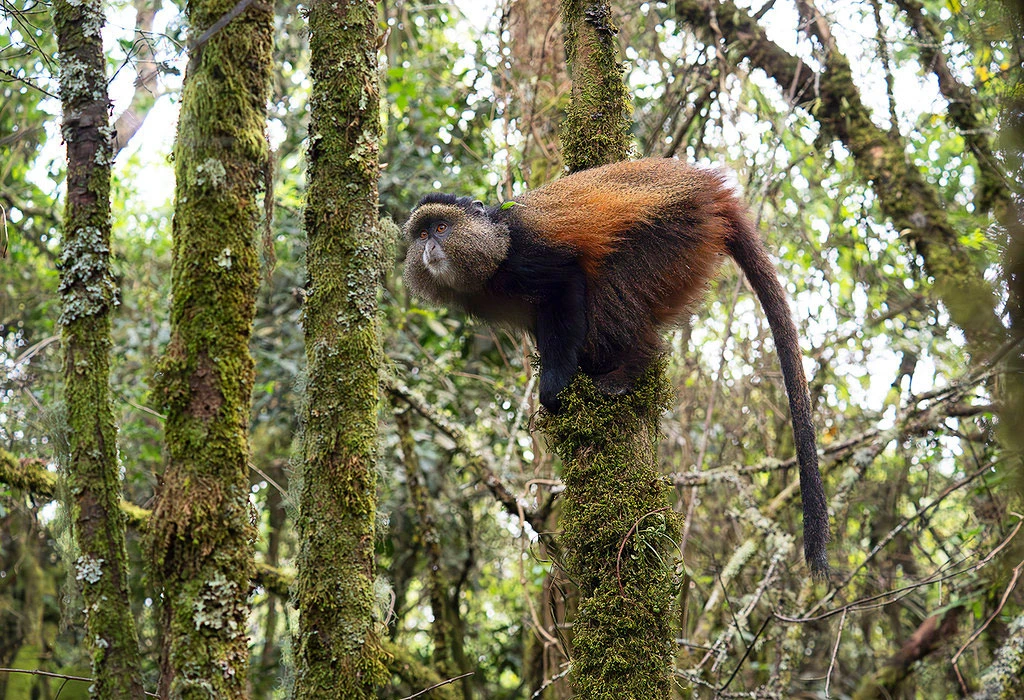
Golden monkeys live in the same bamboo forests as mountain gorillas, making them a natural add-on activity. Many travelers extend their Rwanda Gorilla Trekking Safaris itinerary by one day to include this experience.
Golden monkey permits cost $100 USD per person, considerably less than gorilla permits. Treks are shorter, usually lasting one to two hours, and the terrain is generally gentler than gorilla trails.
Golden monkeys are playful and highly active, often swinging through bamboo canopies in large troops of 30 or more. This activity pairs beautifully with the quieter, more intense experience of gorilla trekking trips in Rwanda.
![]()
Insider Tip: Schedule golden monkey trekking the day after your gorilla trek. Your legs will thank you, since this hike is considerably easier than most Rwanda Gorilla Trekking Safaris routes.
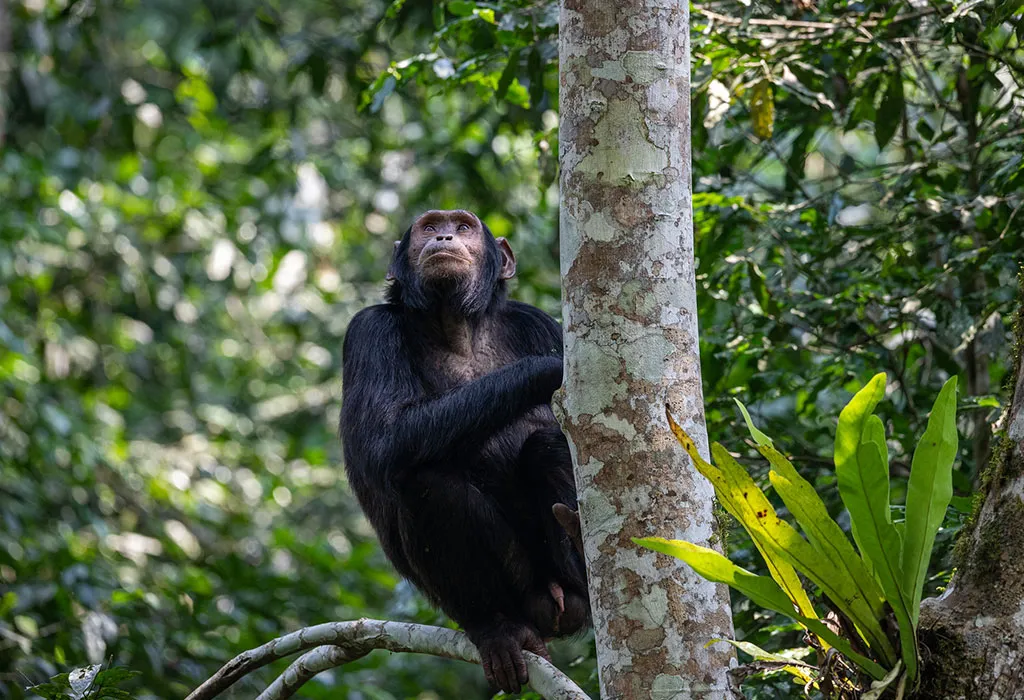
Nyungwe Forest National Park, in southwestern Rwanda, offers chimpanzee trekking as a compelling extension to Rwanda gorilla treks. The park holds around 500 chimpanzees, along with 13 other primate species.
Chimpanzee permits cost $150 USD per person and require an early start, often before sunrise. Chimps move quickly through the canopy, so treks can be more physically demanding than golden monkey outings.
Combining chimpanzee trekking with gorilla safaris in Rwanda gives travelers a fuller primate experience across two distinct forest ecosystems. The drive between Volcanoes and Nyungwe takes about five to six hours.
![]()
Insider Tip: Break up the long drive to Nyungwe with a stop at Lake Kivu. It adds scenic variety to any extended Rwanda Gorilla Trekking Safaris itinerary.
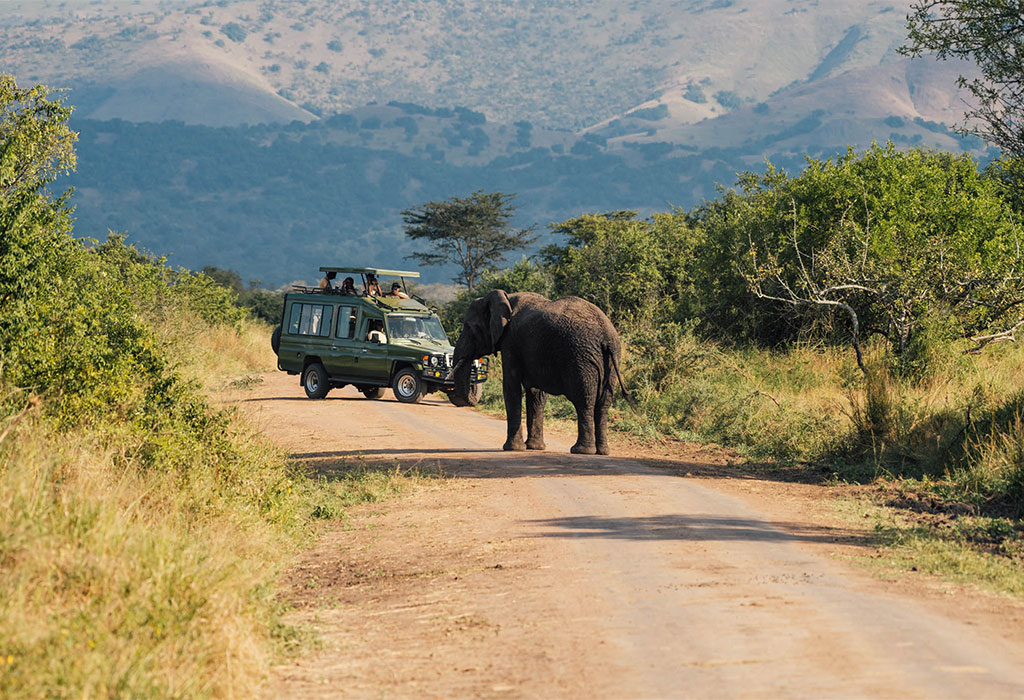
Akagera National Park sits in eastern Rwanda, roughly two and a half hours from Kigali. It is the country’s only savanna park, and it completes Rwanda’s Big Five with lions, elephants, buffalo, leopards, and rhinos.
Many travelers pair Akagera with these Rwanda gorilla treks to experience both rainforest primates and classic savanna game drives in a single trip. This combination has become one of the most requested itinerary types among our clients.
Akagera reintroduced lions in 2015 and eastern black rhinos in 2017, both successful conservation milestones. Game drives here rival those in Kenya or Tanzania, adding significant value to any Rwanda Gorilla Trekking Safaris itinerary.
![]()
Insider Tip: Add two nights at Akagera before or after Volcanoes National Park. It transforms a gorilla-only trip into a complete Rwanda wildlife experience.
Beyond chimpanzee trekking, Nyungwe Forest offers Africa’s highest canopy walkway, suspended 70 meters above the forest floor. This 200-million-year-old rainforest is one of the oldest on the continent.
![]()
Nyungwe also hosts colorful bird species, including 27 Albertine Rift endemics found nowhere else on Earth. Birdwatchers frequently extend gorilla trekking trips in Rwanda specifically to explore this biodiverse forest.
Tea plantations surrounding Nyungwe create a striking visual contrast against dense rainforest. Many lodges here overlook rolling green tea fields, offering a peaceful counterpoint to the intensity of gorilla trekking days.
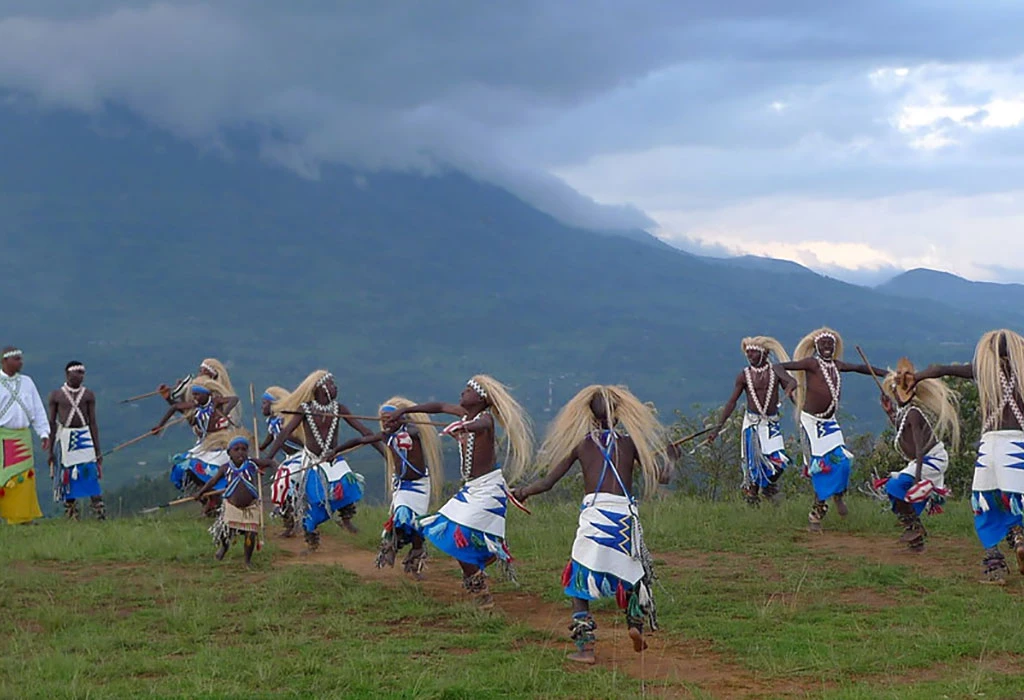
Rwanda’s culture adds meaningful depth to any wildlife-focused trip. The Iby’Iwacu Cultural Village near Volcanoes National Park offers traditional dance, craft demonstrations, and storytelling from former poachers turned conservationists.
Visiting this village humanizes the conservation story behind Rwanda gorilla treks. Many former poachers now work as trackers, guides, or community educators, and hearing their stories firsthand is genuinely powerful.
The Kigali Genocide Memorial is another essential stop for travelers wanting to understand modern Rwanda fully. While emotionally heavy, it provides important historical context that enriches any Rwanda Gorilla Trekking Safaris itinerary.
Insider Tip: Visit the cultural village in the afternoon after your trek. It is a lighter, celebratory experience that pairs well with the emotional intensity of meeting gorillas that same morning.
![]()
![]()
Forest lighting is dim and unpredictable, so a fast lens with a wide aperture helps enormously. A 70-200mm zoom lens is ideal for capturing gorillas without violating the required distance rules.
Since flash photography is banned, raise your camera’s ISO setting to 800 or higher for usable low-light shots. Image stabilization also helps counter the shaky, breathless excitement of standing near a silverback.
Keep your camera accessible, not buried in your bag, since gorilla encounters happen suddenly. Many travelers on gorilla safaris in Rwanda miss their best shot fumbling with zippers in the excitement.
Insider Tip: Bring a rain sleeve or plastic bag for your camera. Sudden showers are common, and protecting your gear mid-trek is far easier than you would expect.
Every permit purchased for these Rwanda gorilla treks directly funds ranger salaries, anti-poaching patrols, and veterinary teams monitoring gorilla health. Ten percent of park revenue also goes directly to neighboring communities.
This revenue-sharing model has transformed local attitudes toward conservation. Communities that once viewed gorillas as competition for farmland now see them as an economic asset worth protecting.
Responsible travelers can support conservation further by choosing operators who employ local guides, purchasing community crafts, and following all park rules strictly during Rwanda’s gorilla trekking trips.
Insider Tip: Ask your guide about the community projects funded by park revenue. Many trekkers do not realize how directly their Rwanda Gorilla Trekking Safaris permit supports local schools and healthcare.
Rwanda is widely considered one of the safest countries in Africa for tourists. Low crime rates, visible policing, and strict traffic enforcement make travel here notably stress-free compared to some neighboring countries.
Standard travel precautions still apply during gorilla trekking trips in Rwanda, including securing valuables, drinking bottled or filtered water, and carrying travel insurance covering medical evacuation. Altitude and physical exertion make evacuation coverage especially important.
Malaria risk exists in lower-altitude areas, so anti-malarial medication is recommended before any Rwanda gorilla trek. Volcanoes National Park’s higher altitude carries lower malaria risk than Akagera or Nyungwe.
| Factor | Rwanda | Uganda |
|---|---|---|
| Permit Price | $1,500 | $800 |
| Airport to Park Drive | 2–3 hours | 8–10 hours (or domestic flight) |
| Road Quality | Excellent, paved | Mixed, often unpaved |
| Number of Gorilla Families | 12 habituated | 21+ habituated |
| Luxury Lodge Density | Very high | Growing steadily |
| Trekking Difficulty | Moderate to strenuous | Moderate to very strenuous |
| Best For | Short trips, luxury travelers | Longer trips, budget travelers |
Below are realistic itinerary frameworks used regularly for Rwanda’s gorilla trekking trips, ranging from a quick single-day trek to a comprehensive ten-day exploration.
| Itinerary Length | Best For | Core Activities |
|---|---|---|
| 1 Day | Business travelers, stopovers | Gorilla trek only, same-day return to Kigali |
| 3 Days | Short holidays | Gorilla trek, golden monkeys, cultural village |
| 5 Days | Most popular option | Gorilla trek, Lake Kivu, Kigali city tour |
| 7 Days | Comprehensive wildlife trip | Gorillas, Akagera Big Five safari, Kigali |
| 10 Days | Full East Africa exploration | Gorillas, Nyungwe chimps, Akagera, Lake Kivu |
1-Day Rwanda Gorilla Trekking Safaris
A single-day trek works for travelers with tight schedules, often booked as an extension to a business trip. You drive to Volcanoes National Park early, complete your trek, and return to Kigali the same evening.
3-Day Rwanda Gorilla Trekking Safaris
Day one covers arrival and transfer to Musanze. Day two includes the gorilla trek followed by the cultural village visit. Day three adds golden monkey trekking before returning to Kigali.
5-Day Rwanda Gorilla Trekking Safaris
This popular itinerary adds relaxation time at Lake Kivu after the gorilla trek, along with a half-day Kigali city tour including the genocide memorial. It balances adventure with genuine rest.
7-Day Rwanda Gorilla Trekking Safaris
A week allows you to combine primate trekking with a full Big Five safari at Akagera National Park. This itinerary suits travelers wanting a complete Rwandan wildlife overview.
10-Day Rwanda Gorilla Trekking Safaris
Ten days covers gorilla trekking, chimpanzee trekking at Nyungwe, savanna game drives at Akagera, and relaxation at Lake Kivu. This is the most comprehensive way to experience gorilla trekking trips in Rwanda.
Insider Tip: If you can only choose one add-on, choose Akagera over Nyungwe. The contrast between rainforest and savanna makes for a more memorable overall Rwanda gorilla trek.
Gorilla trekking itself requires travelers to be at least 15 years old, so families with younger children need to plan carefully. Many lodges offer babysitting services or nature walks for children while parents trek.
Older teenagers and adult children often find gorilla safaris in Rwanda deeply memorable, especially when paired with Akagera game drives that welcome all ages. Family-friendly lodges near Volcanoes National Park cater specifically to multi-generational groups.
Insider Tip: Book connecting or family rooms well ahead, since many lodges near Volcanoes National Park have limited multi-bed configurations for these Rwanda gorilla treks travelers.
Budget travelers can still access excellent gorilla trekking trips in Rwanda by choosing guesthouses in Musanze, traveling by shared shuttle, and skipping optional add-ons like golden monkey trekking. The permit remains the fixed, unavoidable cost.
A realistic budget trip, excluding international flights, can run $2,200 to $2,800 per person for three days, including the permit, modest accommodation, meals, and local transport for Rwanda gorilla treks.
Insider Tip: Traveling in a group of four or more significantly reduces per-person transport costs for budget gorilla safaris in Rwanda, since vehicle hire is priced per trip, not per passenger.
Solo travelers are common on these Rwanda gorilla treks, and the group trekking structure naturally creates social opportunities with fellow visitors. Many solo travelers report feeling completely safe throughout their trip.
Single supplement fees at lodges can add cost for solo travelers, so ask operators about shared room options or waived single supplements when booking Rwanda’s gorilla trekking trips independently.
Rwanda has become a genuinely popular honeymoon destination, combining adventure with romantic luxury lodges. Couples often pair their gorilla trek with a few relaxed days at Lake Kivu afterward.
Several luxury properties near Volcanoes National Park offer private plunge pools, in-room dining, and volcano-view suites designed specifically for honeymoon Rwanda Gorilla Trekking Safaris packages.
Insider Tip: Request a volcano-facing suite when booking your honeymoon gorilla trekking trips in Rwanda. Sunrise views over the Virunga peaks are consistently rated the top memory by returning couples.
Age alone does not disqualify anyone from Rwanda gorilla treks. Rangers assign easier, shorter treks to older travelers or those with mobility concerns, and sedan chairs are available for hire if walking becomes difficult mid-trek.
The sedan chair service, staffed by local porters, costs around $300 USD and allows travelers with limited mobility to still reach the gorillas. This option has made gorilla safaris in Rwanda accessible to a much wider age range.
Insider Tip: Mention any mobility concerns when booking, not just on trek morning. This gives park staff time to plan your Rwanda Gorilla Trekking Safaris route thoughtfully in advance.
Many first-time travelers make avoidable errors that reduce their enjoyment. Learning from these common mistakes will help your Rwanda Gorilla Trekking Safaris go smoothly from start to finish.
Many of these mistakes come from treating Rwanda Gorilla Trekking Safaris like a single checklist item rather than a full travel experience worth proper planning. A little extra preparation solves nearly all of them.
Insider Tip: Always carry $20 to $30 USD in small bills specifically for tipping trackers, guides, and porters at the end of your Rwanda Gorilla Trekking Safaris trek.
A permit alone costs $1,500 USD per person. Including accommodation, transport, meals, and tips, a complete three-day Rwanda gorilla trek typically runs $2,500 to $6,000 per person, depending on your accommodation level.
June through September and December through February offer the driest, firmest trekking conditions. These months represent the best time for Rwanda gorilla treks, though trekking happens year-round.
Moderate fitness is sufficient for most people. Regular walkers can complete these Rwanda gorilla treks comfortably, and rangers assign easier trekking families to less fit or older travelers upon request.
No. Rwanda’s official minimum age for gorilla trekking is 15 years old. Younger children can still visit the park area and enjoy alternative activities while parents complete their trek.
Once your group finds the gorilla family, you are permitted exactly one hour with them. The hiking time to reach that point varies from 30 minutes to six hours.
Both countries are generally safe for tourists. Rwanda’s shorter travel distances, paved roads, and low crime rate make gorilla trekking trips in Rwanda feel especially straightforward and stress-free for first-time visitors.
Most nationalities can get a visa on arrival or apply online in advance for $50 USD. The East Africa Tourist Visa also covers Rwanda, Uganda, and Kenya for combined trips.
Yes. Golden monkey trekking, chimpanzee trekking at Nyungwe, and Big Five safaris at Akagera National Park all pair well with these Rwanda gorilla treks for a fuller itinerary.
Trekking continues in light to moderate rain. Only extreme weather conditions might delay a trek, and rangers make that call on the morning of your Rwanda Gorilla Trekking Safaris.
Book four to 4-6 months ahead for peak season dates in June through September and December. Shoulder season permits can sometimes be secured with just 6 to 8 weeks notice.
gorilla trekking trips in Rwanda offer something genuinely rare: a face-to-face encounter with one of the planet’s most endangered great apes, wrapped in comfortable logistics and world-class hospitality. Few wildlife experiences anywhere match this combination.
The permit price is real, and the planning takes effort, but travelers who complete Rwanda gorilla treks consistently describe it as one of the most powerful experiences of their lives. Standing near a silverback in misty bamboo forest changes how you see conservation entirely.
If you are ready to plan your own trip, Iconic Africa Safaris specializes in crafting personalized gorilla safaris in Rwanda built around your budget, fitness level, and travel dates. Our team handles permits, lodges, transport, and every detail in between, so you can focus on the experience itself.
Contact Iconic Africa Safaris today to secure your Rwanda Gorilla Trekking Safaris permit before peak season dates disappear. Whether you want a fast three-day trip or a comprehensive ten-day East Africa adventure, we will build it around you.