
The Cost of Uganda Gorilla Trekking in 2027
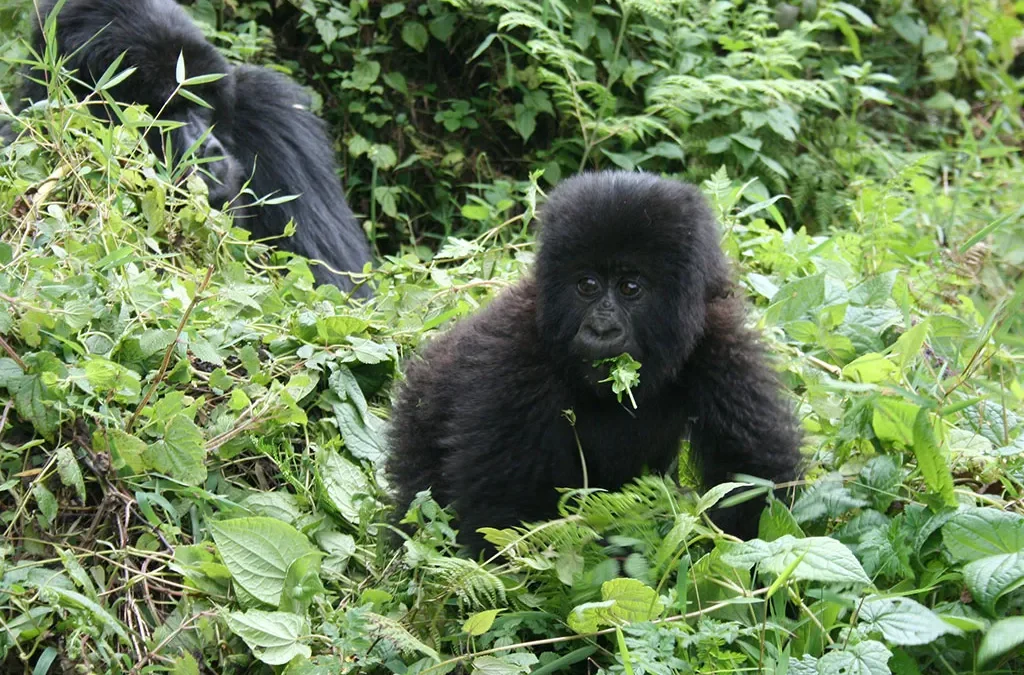
Standing a few feet from a silverback gorilla changes something in a traveler’s chest. That single hour in Bwindi Impenetrable National Park carries a price tag many people find confusing before they arrive. Between permit fees, lodge categories, transport options, and small extras, the numbers pile up fast. This guide breaks down every dollar you will spend on a 2027 gorilla trek. We cover permits, accommodation, guides, porters, tips, visas, insurance, meals, and hidden costs. You will also find budgeting advice for four traveler types, from backpackers to ultra-luxury guests. By the end, you will know exactly what your Uganda gorilla trekking adventure will cost, and why.
Uganda remains one of only three countries offering mountain gorilla encounters anywhere on earth. Rwanda and the Democratic Republic of Congo also host trekking, though pricing and logistics differ considerably. Uganda’s forests, particularly Bwindi, hold roughly half of the world’s remaining wild population. That density gives travelers strong odds of a successful trek across multiple sectors. Pricing questions dominate almost every planning conversation, since costs shift with season, lodge choice, and permit type. Many travelers also underestimate how transport, tipping, and small extras affect their final trip total. This guide answers those questions directly, using verified 2026 and 2027 tariff figures throughout every section.
Whether you are backpacking through East Africa or planning a bucket-list anniversary trip, cost clarity matters. Some travelers assume gorilla trekking automatically means luxury pricing across every single component of the trip. Others assume a bargain trip is always possible without sacrificing comfort or safety anywhere. Neither assumption holds up once you examine real 2027 pricing across permits, lodges, and transport. This guide gives you honest numbers, drawn from current Uganda Wildlife Authority tariffs and verified lodge rates. Use it to build a realistic budget, then adjust based on your personal travel style and priorities.
Why Uganda Gorilla Trekking Costs What It Does
Uganda protects roughly half of the world’s remaining mountain gorillas inside two small national parks. Bwindi Impenetrable National Park and Mgahinga Gorilla National Park sit in the country’s misty southwest corner. Every dollar spent on a permit funds ranger salaries, anti-poaching patrols, and community development around the parks. The Uganda Wildlife Authority limits daily trekking groups to eight visitors per gorilla family. That scarcity, combined with genuine conservation costs, keeps permit prices high compared to many other wildlife encounters worldwide. Understanding this pricing logic helps travelers see the trek as an investment rather than an inflated tourist fee. For deeper context, check our guide on why gorilla permits cost what they do.
Beyond conservation, remote geography adds real expense to every itinerary. Bwindi sits roughly eight to nine hours by road from Entebbe International Airport. Rough terrain, limited infrastructure, and small owner-run lodges push accommodation prices higher than typical safari destinations. Domestic flights exist but come at a premium compared to road transfers. Guides, porters, and camp staff also depend heavily on tourism income for their livelihoods. When you add permit fees, transport, lodging, and incidental costs together, the full trip cost becomes clearer. This article unpacks every layer so you can plan your 2027 budget with genuine confidence and clarity.
Gorilla Permit Prices in Uganda for 2027
The gorilla permit remains the single largest fixed cost of any Uganda trekking trip. As of the July 2026 tariff update, standard permits cost 800 USD for foreign non-residents. Foreign residents pay 700 USD, while East African citizens pay a heavily discounted local rate. This permit covers one full hour observing a habituated gorilla family in the wild. It also includes ranger guiding services and park entrance fees for your trekking day. Porters, tips, and transport to the trailhead are never included in this permit price. Booking early through a licensed operator (Iconic Africa Safaris) remains essential, since permits sell out months ahead during peak season.
Low-season travelers have a genuine pricing advantage worth serious consideration for 2027 trips. During April, May, and November, permits drop to 600 USD for foreign non-residents. Foreign residents pay only 500 USD during these same three discounted months. These reduced permits cannot be rescheduled once purchased, so travel dates must stay firm. Anyone with flexible plans can save real money simply by shifting their trekking dates slightly. Rain does increase during these months, though forest trails remain fully passable with proper gear. Many repeat visitors specifically target these months for lighter crowds and noticeably lower overall trip costs.
Travelers seeking a deeper encounter often choose the Gorilla Habituation Experience instead of standard trekking. This permit allows up to four hours with a semi-habituated gorilla family in Rushaga. Effective 1st July 2026, this experience costs 1,800 USD for foreign non-residents per person. Foreign residents pay 1,500 USD for the same extended four-hour habituation experience. Only two habituation groups operate daily, each limited to four visitors, making booking highly competitive. This experience suits photographers, researchers, and travelers wanting far more time than standard trekking allows. Our team at Iconic Africa Safaris secures these limited slots well in advance for you.
| Permit Type | Foreign Non-Resident | Foreign Resident |
|---|---|---|
| Standard Gorilla Permit (peak season) | $800 | $700 |
| Standard Gorilla Permit (low season) | $600 | $500 |
| Gorilla Habituation Experience (from July 2026) | $1,800 | $1,500 |
Insider Tip: Always pay your permit in full through a licensed operator rather than informally. Since March 2026, the Uganda Wildlife Authority no longer accepts direct individual bookings for foreigners.
How to Book Your 2027 Gorilla Permit Correctly
Booking correctly matters as much as budgeting correctly when planning a Uganda gorilla trek. Since March 2026, individual foreign travelers can no longer purchase permits directly from the authority. Instead, every booking must pass through a licensed Ugandan tour operator with verified credentials. This explains why established operators sometimes secure dates that appear sold out elsewhere. Confirm your operator’s licensing through Uganda Tourism Board Website before transferring any permit payment, since fraud attempts have increased recently.
Full payment is now required at booking, replacing the older seven-day reservation window entirely. This shift protects genuine travelers but means your dates must feel settled before paying. Popular sectors, including Rushaga and Buhoma, sell out three to six months ahead during peak season. December, January, June, July, and August fill fastest, given favorable weather and school holidays. If your dates are flexible, booking four to six months ahead usually secures your preferred sector. Rigid dates around holidays sometimes require booking nine months or even a full year in advance. Our Uganda gorilla trekking permits guide walks through the entire booking process step by step.
Gear, Vaccinations, and Pre-Trip Costs
Proper gear makes Bwindi’s steep, slippery trails considerably more manageable during your trekking day. Waterproof hiking boots with strong ankle support cost between 80 and 150 USD if purchased new. Gaiters, protecting your lower legs from stinging nettles and mud, add another 20 to 40 USD. A quality rain jacket, essential during any month, typically costs 40 to 90 USD. Gardening gloves, useful for gripping vegetation on steep sections, cost only a few dollars locally. Many travelers rent boots and gaiters in Kisoro or through their lodge instead of buying gear. Renting saves money and luggage space, especially for travelers visiting Uganda only once.
Health preparations also carry real costs worth including in your overall trip budget calculations. Uganda requires proof of yellow fever vaccination for entry, which costs between 50 and 100 USD. Malaria prophylaxis, recommended for the entire trip duration, typically costs another 30 to 60 USD. A basic travel health consultation beforehand, including vaccine review, often costs 50 to 100 USD. Hand sanitizer, insect repellent, and a basic first aid kit add smaller incidental costs too. Together, these health and gear expenses typically add 200 to 400 USD to your total trip budget. Planning these purchases early avoids last-minute price gouging near departure dates.
Accommodation Costs Near Bwindi and Mgahinga
Lodging near Bwindi splits into four broad categories, each shaping your total trip cost significantly. Budget lodges offer simple rooms, basic meals, and friendly service without luxury finishes. Mid-range lodges add comfort, better dining, and scenic locations overlooking the forest canopy. Luxury lodges deliver spacious suites, private decks, and personalized service throughout your entire stay. Ultra-luxury properties push further with private plunge pools, dedicated butlers, and exceptional forest views. Prices vary by sector too, since Rushaga, Buhoma, Nkuringo, and Ruhija each host different lodge clusters. Choosing your sector often matters as much as choosing your accommodation category for overall cost planning.
Budget Accommodation Options by Sector
Budget travelers can still enjoy comfortable, clean lodges without stretching their gorilla trekking budget. In Rushaga, popular comfortable budget options include Gorilla Valley Lodge and Nshongi Gorilla Lodge. Rushaga Gorilla Havens Lodge also offers solid value with friendly staff and simple comfort. Over in Buhoma, travelers often choose Ride 4 A Woman or Haven Lodge Buhoma. Nkuringo visitors typically stay in Kisoro Town instead of directly beside the trailhead. There, Traveler’s Rest House and Ikaze Cottages provide dependable, affordable rooms with easy road access. Expect nightly rates roughly between 60 and 120 USD per person, depending on season and meal plan.
- Rushaga: Gorilla Valley Lodge, Nshongi Gorilla Lodge, Rushaga Gorilla Havens Lodge
- Buhoma: Ride 4 A Woman, Haven Lodge Buhoma
- Nkuringo (via Kisoro Town): Traveler’s Rest House, Ikaze Cottages
Mid-Range Lodges Worth Considering
Mid-range travelers gain noticeably more comfort without paying full luxury lodge prices. Rushaga offers several excellent choices, including Ichumbi Safari Lodge and Rushaga Gorilla Lodge. Bweza Gorilla Lodge and Gorilla Leisure Lodge round out this sector’s solid mid-range selection. In Buhoma, Engagi Safari Lodge and Mahogany Springs Lodge both deliver strong value. Ruhija travelers often prefer Bakiga Lodge or Agandi Gorilla Lodge for scenic, comfortable stays. These properties typically include better bedding, hot showers, varied menus, and attentive local staff. Expect nightly rates between 150 and 350 USD per person, including breakfast and dinner most nights.
Luxury Lodges for Discerning Travelers
Luxury seekers find outstanding options across both the Rushaga and Buhoma sectors specifically. Nkuringo Gorilla Lodge and Gorilla Heights Lodge both sit near the Nkuringo trailhead area. Gorilla Safari Lodge adds another strong luxury choice within easy reach of Rushaga’s trekking points. Buhoma travelers can choose Buhoma Lodge, Silverback Safari Lodge, or Sanctuary Gorilla Lodge instead. These properties feature spacious cottages, private verandas, excellent dining, and sweeping forest or valley views. Many include heated bathrooms, fireplaces, and dedicated guides for a genuinely elevated overall experience. Nightly rates generally range from 400 to 900 USD per person, often on a full-board basis.
| Category | Price Range Per Person Per Night | Example Lodges |
|---|---|---|
| Budget | $60–$120 | Nshongi Gorilla Lodge, Haven Lodge Buhoma |
| Mid-Range | $150–$350 | Ichumbi Safari Lodge, Engagi Safari Lodge |
| Luxury | $400–$900 | Buhoma Lodge, Gorilla Safari Lodge |
Insider Tip: Book lodges close to your assigned trekking start point. This shaves off nearly two hours of driving before dawn treks begin.
Transportation and Domestic Flights to Bwindi
Getting to Bwindi shapes your budget more than most first-time travelers expect. Road transfers from Entebbe take roughly eight to nine hours across scenic, winding countryside routes. A private 4×4 with a driver-guide typically costs between 150 and 250 USD daily. Shared shuttle services exist too, cutting costs but sacrificing flexibility and comfort along the journey. Many travelers split the drive across two days, stopping overnight near Lake Mburo National Park. This approach adds one extra lodge night but reduces fatigue before your early morning trek. Fuel, road tolls, and driver accommodation are usually bundled into quoted daily vehicle rates.
Domestic flights offer a faster, though pricier, alternative for time-conscious travelers heading toward Bwindi. Aerolink operates scheduled flights from Entebbe to small airstrips near Kihihi or Kisoro. One-way fares generally range between 200 and 450 USD per person, depending on season. Flight time runs under two hours, compared to a full day on rough roads. This option suits travelers with limited vacation days or those combining multiple Uganda destinations. Ground transfers from the airstrip to your lodge still apply, usually costing an extra 20 to 60 USD.
| Transport Option | Approximate Cost | Travel Time |
|---|---|---|
| Private road transfer (per vehicle, per day) | $150–$250 | 8–9 hours |
| Domestic flight (one-way, per person) | $200–$450 | Under 2 hours |
| Shared shuttle (per person) | $50–$90 | 8–10 hours |
Insider Tip: Combine your gorilla trek with Queen Elizabeth National Park along the drive. This spreads transport costs across two unforgettable activities instead of one.
Guide Fees, Porter Services, and Tipping Etiquette
Ranger guides come included within your permit fee, so no separate charge applies there. Porters, however, work independently and charge separate fees for carrying bags and supporting hikers. Most porters charge between 15 and 20 USD for a full trekking day. Hiring a porter supports local families directly while making steep, muddy trails far more manageable. Many travelers underestimate Bwindi’s terrain, which climbs steeply through dense, slippery forest undergrowth daily. Even fit hikers benefit from a porter’s steadying hand across difficult sections near the gorilla families. This small expense delivers genuine value beyond simple convenience during your trek.
Tipping culture in Uganda follows fairly consistent, though unwritten, community standards worth understanding beforehand. Trekking guides typically receive between 15 and 20 USD per person for the day. Porters usually receive 10 to 15 USD, separate from their base carrying fee. Armed rangers, present for safety, often receive smaller tips around 5 to 10 USD. Lodge staff, including waiters and housekeeping, appreciate daily tips between 5 and 10 USD. Drivers accompanying multi-day itineraries typically receive 10 to 15 USD nightly for their service. Budgeting roughly 50 to 80 USD daily for combined tips keeps most travelers comfortably covered.
- Trekking guide: $15–$20 per person, per trek
- Porter: $10–$15 tip, plus $15–$20 carrying fee
- Armed ranger: $5–$10 per group
- Lodge staff: $5–$10 daily per guest
- Driver-guide: $10–$15 per day
Visa Fees and Travel Insurance Requirements
Most nationalities need a visa to enter Uganda, adding another line item to your budget. The standard single-entry tourist visa costs 50 USD, purchased online before arrival. Uganda also offers an East Africa Tourist Visa, covering Uganda, Kenya, and Rwanda together. This regional visa costs 100 USD and suits travelers combining multiple countries within one trip. Applications typically process within three to five business days through the official immigration portal. Always apply at least two weeks before departure to avoid last-minute complications or delays. Printing your approval letter and carrying it during travel remains strongly recommended by immigration officials.
Travel insurance is not legally required but remains essential for anyone visiting Bwindi’s remote terrain. Good policies cover medical evacuation, trip cancellation, and lost luggage across your entire itinerary. Gorilla trekking specifically benefits from policies covering emergency evacuation from remote forest locations. Expect to pay between 100 and 250 USD for comprehensive coverage on a two-week trip. Some insurers also offer “cancel for any reason” add-ons, protecting your non-refundable permit investment. Given how competitive permits become, this add-on offers real peace of mind for many travelers. Read more in our detailed travel insurance guide for African safaris.
Insider Tip: Buy your travel insurance immediately after paying for your gorilla permit. This ensures cancellation coverage applies from the earliest possible moment.
Meals, Drinks, and Optional Activities
Most Bwindi lodges include breakfast and dinner within their standard nightly room rate. Lunch is sometimes included, though many properties charge separately for midday meals instead. Budget lodges typically charge 10 to 15 USD for an additional standalone meal. Mid-range and luxury properties often fold lunch into full-board packages automatically without extra charges. Bottled water, sodas, and local beers usually cost between 2 and 6 USD each. Imported wines and premium spirits run considerably higher, especially at luxury and ultra-luxury properties nationwide. Budgeting roughly 20 to 40 USD daily for drinks and incidentals keeps most travelers comfortable.
Beyond gorilla trekking itself, many travelers add optional activities to enrich their overall Uganda experience. A community walk through nearby villages typically costs between 20 and 30 USD. Batwa cultural experiences, exploring former forest-dwelling communities, cost around 40 to 60 USD. Bird watching walks with specialist guides run roughly 30 to 50 USD per person. Golden monkey tracking in Mgahinga adds another permit cost, currently around 100 USD. Waterfall hikes near Buhoma cost little beyond a small community conservation fee. These extras deepen your trip meaningfully without dramatically inflating your overall Uganda gorilla trekking budget.
Seasonal Price Differences Throughout the Year
Uganda’s gorilla trekking pricing shifts noticeably between peak, shoulder, and official low seasons. Peak season runs from June through September and again from December through February. During these months, permits cost 800 USD, and lodges often charge premium nightly rates. Shoulder months, including March, July, and October, see moderate pricing with better availability generally. Low season falls specifically in April, May, and November, Uganda’s two rainy periods annually. Permits drop to 600 USD during these months, alongside noticeably discounted lodge rates nationwide. Many properties offer twenty to thirty percent discounts, making low season genuinely attractive for budget-conscious travelers.
Rain during low season rarely cancels treks, though trails become muddier and slightly more challenging. Waterproof boots, gaiters, and rain jackets become essential gear during these wetter months. Crowds thin considerably too, meaning fewer vehicles and quieter trailheads throughout the entire park. Photographers often prefer this season, since misty forest light creates dramatic, atmospheric images naturally. Families with flexible schedules can save several hundred dollars per person by choosing wisely. Comparing seasonal pricing carefully before booking often makes the biggest single difference in your final Uganda gorilla trekking cost.
Insider Tip: Pair a low-season gorilla trek with Uganda’s dry-season wildlife viewing in Murchison Falls. September transitions smoothly into stable weather further north.
Hidden Costs Many Travelers Overlook
Beyond obvious expenses, several smaller costs quietly add up across a typical Uganda itinerary. Gorilla trekking gear, including waterproof boots and gaiters, often gets purchased last minute abroad. Renting gear locally in Kisoro or Kampala saves money compared to buying gear overseas. Yellow fever vaccination certificates are mandatory for entry and cost roughly 50 to 100 USD. Malaria prophylaxis medication, purchased before travel, typically costs another 30 to 60 USD total. SIM cards and mobile data, useful for navigation and photos, cost around 15 USD. Airport transfer fees within Entebbe sometimes get overlooked when calculating total trip costs upfront.
Currency exchange fees and ATM withdrawal charges also quietly erode travel budgets over a two-week trip. Uganda’s shilling fluctuates against major currencies, so exchanging money gradually often beats one large transaction. Park entrance fees for combined activities, like Queen Elizabeth boat cruises, add further costs. Laundry services at remote lodges sometimes carry surcharges compared to city hotels elsewhere. Emergency medical evacuation, without insurance, can cost thousands of dollars from remote Bwindi locations. Building a ten percent contingency buffer into your total budget prevents unpleasant financial surprises during your trip.
Budgeting by Traveler Type: Budget, Mid-Range, Luxury, Ultra-Luxury
Every traveler approaches Uganda gorilla trekking differently, so budgets vary dramatically across four common categories. Below, we break down realistic daily costs for a typical three-day gorilla trekking itinerary. These figures include permits, accommodation, meals, transport, guide fees, and standard tipping practices. Use these ranges as planning benchmarks, then adjust based on your specific lodge and activity choices. Whichever category fits your travel style, understanding these numbers helps avoid mid-trip budgeting stress. Our team can also build a custom Uganda safari package matching your exact budget.
Budget Travelers
Budget travelers can complete a rewarding three-day gorilla trek for roughly 1,400 to 1,900 USD. This includes one standard permit, two nights at budget lodges, and shared road transport. Meals stay simple, tips remain modest, and travelers often skip optional add-on activities entirely. Choosing low-season dates pushes savings even further, since permits drop by 200 USD immediately. Backpacker travelers frequently combine this trek with public transport elsewhere in Uganda to save further.
Mid-Range Travelers
Mid-range travelers typically spend between 2,200 and 3,200 USD across the same three-day itinerary. This budget covers comfortable mid-range lodges, private vehicle transport, and one or two optional activities. Meals often include better variety, and travelers usually add a community walk or bird outing. This category suits most first-time visitors wanting comfort without stretching toward luxury-tier pricing entirely. Many families and couples find this range delivers excellent value alongside genuine comfort throughout.
Luxury Travelers
Luxury travelers generally budget between 3,800 and 6,000 USD for a similar three-day gorilla itinerary. This includes premium lodges, private guided transport, curated meals, and multiple optional activities included. Some luxury travelers upgrade to the Gorilla Habituation Experience, adding another 1,800 USD per person. Spa treatments, premium wines, and private guiding services often feature prominently within this tier. This category suits honeymooners, anniversary travelers, and anyone wanting an elevated, seamless overall experience.
Ultra-Luxury Travelers
Ultra-luxury travelers can easily spend between 7,000 and 12,000 USD, sometimes considerably more, per trip. This tier includes top-tier lodges, private charter flights, dedicated butlers, and fully bespoke itineraries. Multiple gorilla treks, habituation experiences, and exclusive cultural encounters often feature within this budget level. Private vehicle fleets and personal chefs sometimes accompany these travelers throughout their entire Uganda journey. This category suits discerning travelers prioritizing privacy, exclusivity, and completely seamless logistics from arrival onward.
| Traveler Type | Approx. 3-Day Budget (Per Person) | Typical Inclusions |
|---|---|---|
| Budget | $1,400–$1,900 | Standard permit, budget lodge, shared transport |
| Mid-Range | $2,200–$3,200 | Standard permit, mid-range lodge, private transport |
| Luxury | $3,800–$6,000 | Standard or habituation permit, luxury lodge, curated extras |
| Ultra-Luxury | $7,000–$12,000+ | Multiple permits, top-tier lodges, private flights |
Insider Tip: Even ultra-luxury travelers should book permits six months ahead. Daily gorilla family quotas apply regardless of your accommodation budget.
Sample Itinerary Cost Breakdown for Three and Five Days
Seeing real numbers side by side often clarifies budgeting better than abstract ranges alone. Below, we outline two common itineraries, both built around mid-range accommodation and standard permits. A three-day trip suits travelers with limited time who still want a genuine gorilla encounter. A five-day trip allows a second trekking day plus additional activities like community walks. Both estimates assume peak season pricing, private transport, and typical tipping across the entire trip. Adjust these figures downward for low season, or upward if you choose luxury accommodation instead. Either itinerary delivers a memorable, well-paced introduction to Uganda’s forests and gorilla families.
A 3-day mid-range itinerary typically breaks down as follows for one traveler. The gorilla permit costs 800 USD, while two nights of mid-range lodging cost around 500 USD. Private transport for the round trip runs approximately 400 USD, including driver accommodation and fuel. Meals not included in your lodge package add roughly 60 USD across the trip. Tips for guides, porters, rangers, and drivers total around 150 USD for three days. Visa fees add 50 USD, while travel insurance typically costs 120 USD for this duration. Altogether, this itinerary lands close to 2,080 USD per person, excluding flights into Uganda.
A 5-day itinerary extends this trip with a second gorilla trek and richer cultural immersion. Two gorilla permits cost 1,600 USD total, doubling your wildlife encounter time significantly. Four nights of mid-range lodging cost approximately 1,000 USD, including breakfast and dinner daily. Private transport across five days runs closer to 550 USD, covering additional driving between activities. A Batwa cultural experience and community walk add another 80 USD combined. Tips across five days total roughly 250 USD, given the extended guide and porter engagement. This itinerary typically totals around 3,650 USD per person, offering considerably more depth and variety.
| Itinerary Length | Permits | Lodging | Transport | Extras & Tips | Estimated Total |
|---|---|---|---|---|---|
| 3-Day Mid-Range | $800 | $500 | $400 | $380 | ~$2,080 |
| 5-Day Mid-Range | $1,600 | $1,000 | $550 | $500 | ~$3,650 |
Insider Tip: Add a third or fourth day toward Queen Elizabeth National Park. Marginal transport costs drop sharply once your vehicle is already booked.
How Uganda’s Pricing Compares to Rwanda and Congo
Travelers researching gorilla trekking often compare Uganda against neighboring Rwanda and Congo carefully. Rwanda’s standard gorilla permit costs 1,500 USD, nearly double Uganda’s 800 USD peak season rate. This price gap alone makes Uganda considerably more attractive for budget-conscious wildlife travelers. Congo’s Virunga National Park offers permits around 400 USD, the cheapest option among all three countries. However, Congo carries greater security concerns and less developed tourism infrastructure than Uganda or Rwanda. Rwanda offsets its higher permit cost with shorter transfer times and more polished luxury lodges nearby. Uganda instead offers better value across the entire trip, from permits through accommodation and daily expenses.
Choosing between these destinations depends heavily on your priorities beyond permit price alone. Rwanda suits travelers wanting shorter transfers and a slightly more polished luxury experience overall. Uganda suits travelers prioritizing value, longer treks through diverse terrain, and lower overall trip costs. Congo suits experienced travelers comfortable with more basic infrastructure and additional security planning. Many operators, including our team, can also combine Uganda and Rwanda within one seamless itinerary. This approach lets you compare both experiences directly while managing overall costs efficiently. Read our full Rwanda versus Uganda gorilla trekking comparison for a detailed side-by-side breakdown.
Frequently Asked Questions About Uganda Gorilla Trekking Costs
How much does Uganda gorilla trekking cost in 2027? A standard gorilla permit costs 800 USD during peak season and 600 USD during low season. Total trip costs, including lodging and transport, typically range from 1,400 to 12,000 USD.
Is the gorilla permit price the same throughout the year? No, permits drop to 600 USD for foreign non-residents during April, May, and November specifically. These low-season permits cannot be rescheduled once purchased through your licensed tour operator.
What is included in the gorilla trekking permit fee? The permit covers one hour with a habituated gorilla family, ranger guiding, and park entrance fees. Porters, tips, transport, and meals are never included within the standard permit price.
How much should I budget for tips during gorilla trekking? Most travelers budget between 50 and 80 USD daily for combined guide, porter, and staff tips. This covers trekking guides, porters, armed rangers, drivers, and general lodge staff appreciation.
Do I need a visa to visit Uganda for gorilla trekking? Yes, most nationalities require a visa, costing 50 USD for single-entry or 100 USD regionally. Apply online at least two weeks before your departure date for smooth processing.
Is travel insurance necessary for gorilla trekking in Uganda? While not legally mandatory, comprehensive travel insurance is strongly recommended given Bwindi’s remote forest terrain. Coverage should include emergency medical evacuation, trip cancellation, and lost luggage protection.
What is the Gorilla Habituation Experience, and how much does it cost? This experience allows four hours with a semi-habituated family instead of the standard one hour. It costs 1,800 USD for foreign non-residents and 1,500 USD for foreign residents.
Which is cheaper, Uganda or Rwanda gorilla trekking? Uganda’s standard permit costs considerably less than Rwanda’s equivalent gorilla trekking permit fee. Read our full Rwanda versus Uganda gorilla trekking comparison for detailed cost breakdowns.
Smart Ways to Reduce Your Overall Trekking Costs
Several practical strategies can lower your total Uganda gorilla trekking cost without sacrificing the experience. First, target low-season months whenever your schedule allows, saving 200 USD immediately on permits alone. Second, choose budget or mid-range lodges close to your trailhead, cutting both lodging and transport costs. Third, travel in a small group, since private vehicle costs split evenly across more people. Fourth, rent trekking gear locally instead of purchasing boots, gaiters, and rain jackets abroad. Fifth, combine gorilla trekking with other Uganda destinations, spreading transport costs across a longer, richer itinerary. Each strategy compounds, and combining several can meaningfully lower your final trip total.
Booking through an experienced local operator also often reduces hidden costs travelers rarely anticipate beforehand. Established operators negotiate better lodge rates, avoid unnecessary transfers, and bundle activities more efficiently. They also understand which sectors currently offer better permit availability during your preferred travel window. Working directly with a knowledgeable team prevents costly mistakes like mismatched lodge and trailhead locations. It also ensures your permit, transport, and accommodation bookings stay properly coordinated throughout your entire trip. Our specialists at Iconic Africa Safaris build cost-efficient itineraries without compromising safety, comfort, or authenticity anywhere.
Final Thoughts on Planning Your 2027 Gorilla Trekking Budget
Uganda gorilla trekking rewards careful planning with one of Africa’s most unforgettable wildlife encounters. Your total cost depends heavily on permit timing, lodge category, transport choice, and personal spending habits. Budget travelers can complete this journey affordably, while luxury seekers can craft something truly extraordinary. Either way, understanding each cost component helps you plan confidently rather than guessing blindly. Permits, accommodation, transport, guides, tips, visas, insurance, and meals all combine into your final number. Hidden costs, seasonal shifts, and optional activities can adjust that number significantly in either direction.
Ready to start planning your own Uganda gorilla trekking adventure for 2027? Our team at Iconic Africa Safaris builds custom itineraries matching every budget and travel style. We handle permit bookings, lodge selection, and transport logistics so you can focus on the experience. Reach out today, and let us design your perfect gorilla trekking journey through Uganda’s forests.