
How to Combine Uganda Gorilla & Coffee Tour
Are you planning a safari that combines the raw magic of tracking mountain gorillas with the rich aromas of a traditional African coffee harvest? Western Uganda offers exactly this rare opportunity, where the misty volcanic slopes provide both a sanctuary for endangered primates and the perfect fertile soil for thriving Arabica coffee beans. Combining these two adventures creates an immersive journey that connects you deeply to the local landscape, wildlife, and community. Many travelers do not realize how close the premium coffee farmlands sit to the ancient rainforests. Planning this dual itinerary requires a bit of strategy regarding logistics, choosing the right national park sectors, and packing the correct gear. This guide unpacks everything you need to know to seamlessly design, book, and enjoy a flawless four-day Ugandan gorilla and coffee adventure.
How best to Combine Gorilla Trekking with a Coffee Tour
Bwindi Impenetrable Forest National Park and Mgahinga Gorilla National Park both sit near Kisoro District, and this is where the coffee tour happens. A gorilla trek alone won’t give you time for the coffee farm, so plan for at least three to four days on safari. Travelers who want to fit a coffee tour around their Bwindi gorilla trek should pick either Rushaga or Nkuringo sector. Both sit closer to Kisoro town than the other trekking sectors, which cuts down your drive time to the farm.
Getting there matters too. You can start this adventure from Entebbe International Airport in Uganda or Kigali International Airport in Rwanda. Starting from Kigali works better for most people. The drive from Kigali to Nkuringo or Rushaga takes only 4 to 5 hours, while the same trip from Entebbe takes 8 to 9 hours. If your schedule is tight, Kigali saves you a full day of driving that you can instead spend resting, trekking, or sipping coffee on a farm.
What Does a 4-Day Gorilla and Coffee Safari Look Like?
This itinerary gives you enough time to settle in, trek gorillas, tour a coffee farm, and head home without feeling rushed. Four days sounds short, but each one is packed with meaning, and you’ll leave with stories that last far longer than the trip itself. Here’s how the days break down.
Day 1: Drive from Entebbe or Kigali to Mgahinga or Bwindi
You’ll spend a day on the road, driving from your arrival airport toward the park. Watch the landscape shift from busy city streets to rolling green hills as you head southwest. Settle into your lodge, unpack, and rest before the trek ahead. Take a short walk around the grounds if you have energy left, since many lodges here sit on hillsides with sweeping views of the valley below.
Day 2: Gorilla Trekking (Morning) and Optional Batwa Cultural Experience
This is the day most travelers count down to. Wake up between 5:30am and 6:30am, eat a filling breakfast, then head to the park headquarters for a 7:30am briefing. Rangers split trekkers into small groups of eight, each matched to a gorilla family based on fitness and age. Before you set off, think about hiring a local porter for $15 to $20. Porters carry your bag, steady you on steep terrain, and their fee goes straight back into the community.
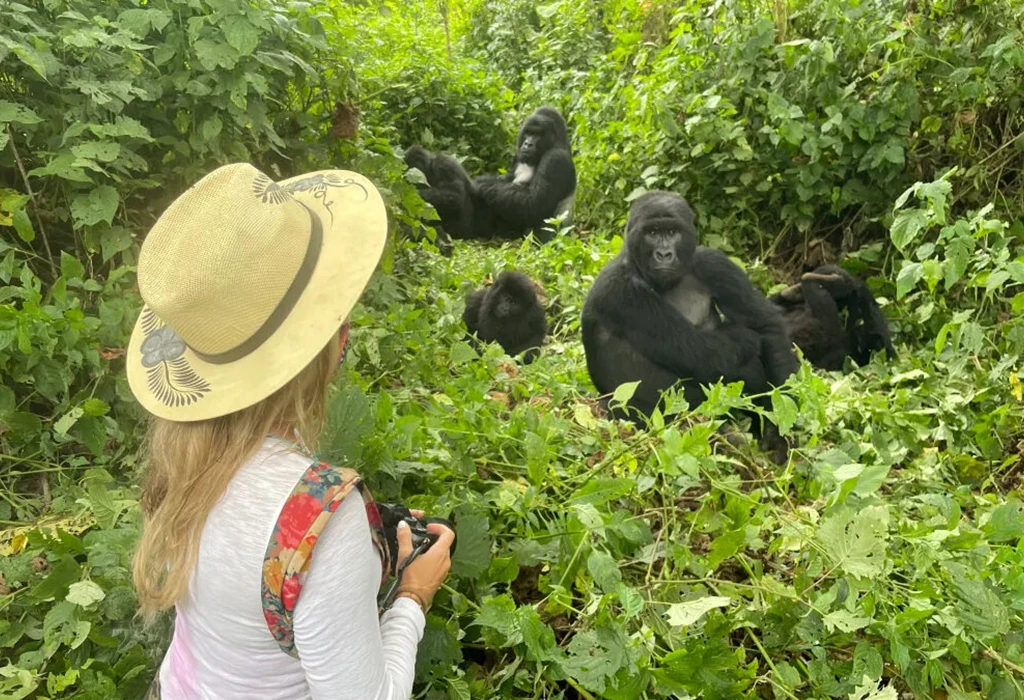
The hike begins at 8:00am. Armed rangers lead the way through Bwindi’s thick forest, clearing the path and keeping you safe. Depending on where the gorilla family is that day, the trek can last anywhere from one hour to six hours. Once you find them, rangers ask for silence, and you get one full hour with the family. Watch the silverback stand guard, mothers nurse their infants, and young gorillas tumble through the undergrowth.
After your hour ends, you’ll walk back to the starting point and receive a Gorilla Trekking Certificate. Return to your lodge for lunch and some rest. If you still have energy in the evening, join the Batwa Pygmies Cultural Experience, where this forest community shares songs, traditions, and survival skills passed down for generations. Or take a slower route and stroll through nearby villages, picking up handmade crafts along the way as you chat with locals about daily life in the highlands. Meals today run on a full-board plan.
Day 3: Drive to Kisoro Town and Visit the Coffee Farm
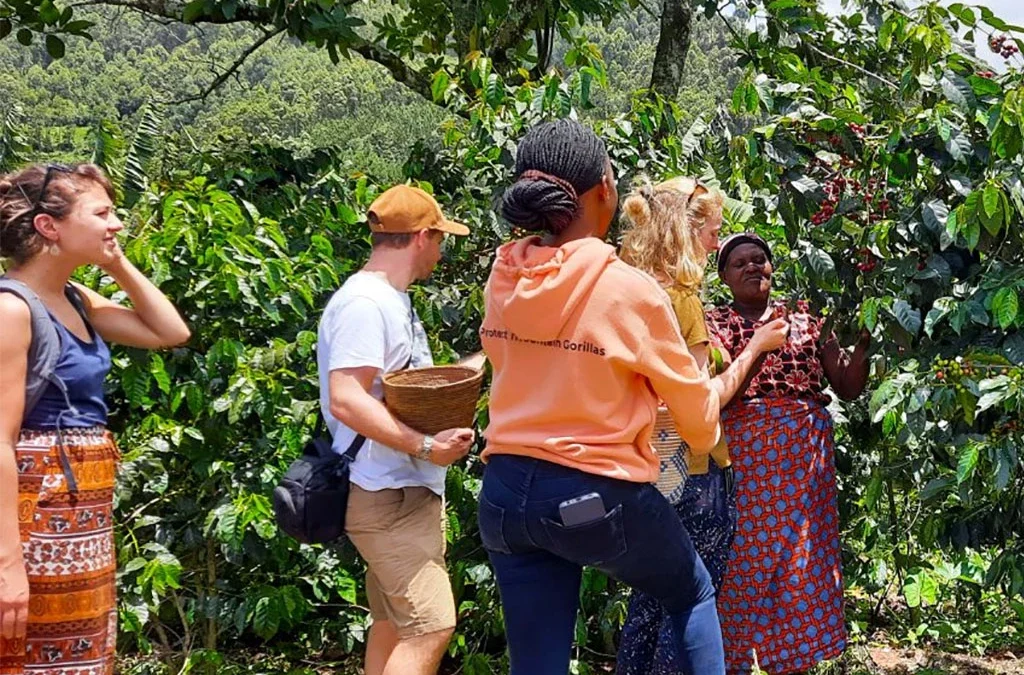
Check out after breakfast and drive to Kisoro, where a family-run coffee farm awaits. Peter, the farm owner, walks you through every stage of coffee production, starting in the plantation field and ending with a fresh cup brewed right in his compound, surrounded by mountain views.
You’ll see how nursery beds are prepared and how seedlings are cared for before they mature enough for harvesting. From there, Peter shows you how ripe red cherries are pulped, washed naturally, and dried under the sun. The beans are then pounded and winnowed by hand before roasting begins.
Roasting happens the traditional way, over an open fire in a pot. Peter roasts the beans to three grades: light, medium, and dark, pulling a batch out at each stage. Watching the beans change color and hearing them crack in the heat gives you a real sense of the skill behind every cup. Once roasted, the beans are ground and brewed, giving you the chance to taste all three roasts side by side while seated in the compound with mountain views stretching out in front of you. Ask Peter questions as you go. He’s happy to explain how weather, altitude, and soil all shape the flavor in your cup. Meals today are on a full-board plan.
Day 4: Departure
Drive back to Entebbe or Kigali, depending on where you started. Your gorilla and coffee safari ends here, though the memory of that hour with the gorillas will stay with you far longer than the trip itself.
What Should You Pack for a Gorilla Safari in Uganda?
Packing right makes a real difference on the trail, since Bwindi and Mgahinga are dense, wet, and unpredictable. A poorly packed bag can turn a great trek into a miserable one, so take time before your trip to gather the right gear. Here’s what to bring and why each item matters:
- Clothing: Wear long-sleeved shirts and trousers in neutral colors like khaki, dark green, or brown. These protect your arms and legs from stinging nettles, thorny vines, and biting insects while keeping you low-key in the forest.
- Hiking boots and socks: Choose waterproof boots with a strong tread, and break them in before your trip. Pair them with tall woolen or cotton socks so you can tuck your trousers in and keep safari ants out.
- Gardening gloves: Sturdy gloves protect your hands when you grab branches or pull yourself up muddy, steep sections of the trail.
- Rain gear: Pack a lightweight, breathable rain jacket or poncho in your daypack. Weather in the jungle shifts fast, so always have it within reach.
- Daypack: A small, waterproof backpack keeps your layers, snacks, and water dry and organized during the trek.
- Insect repellent: Apply it before you set off to guard against mosquitoes and tsetse flies in the rainforest.
- Water and snacks: Carry at least two liters of water along with high-energy snacks like nuts, protein bars, or dried fruit to keep you going during long treks.
- Personal hygiene items: Wet wipes, hand sanitizer, toilet paper, and a facemask all come in handy on the trail.
- Sun protection: A wide-brimmed hat, sunglasses, and sunscreen shield you from strong sun during open stretches of the hike.
How Do You Book Your Gorilla and Coffee Safari?
Booking this trip is simple. Reach out through our booking form, send an email to info@iconicafricasafaris.com, or tap the WhatsApp button in the bottom right corner of your screen for instant chat. Share your travel dates, group size, preferred accommodation level (Budget, Mid-Range, or Luxury), and the number of days you’d like to spend in Uganda. One of our local consultants will then build a personalized, costed itinerary based on your preferences. We’re available around the clock, so you’re never far from a response.
Keep in mind that gorilla permits are limited and sell out fast, especially during peak season. Book three to six months ahead if you’re traveling during that window, so you don’t miss your spot on the trail.
Planning early also gives you room to adjust your itinerary, swap lodges, or add extra days if you fall in love with the region once you’re there. Many travelers who book this trip end up wishing they had stayed longer, so build in some flexibility if your schedule allows it. Once your permit is secured and your dates are confirmed, all that’s left is packing your bags and getting ready for an unforgettable week in Uganda.