
Best Countries to See Gorillas and Chimps in One Trip
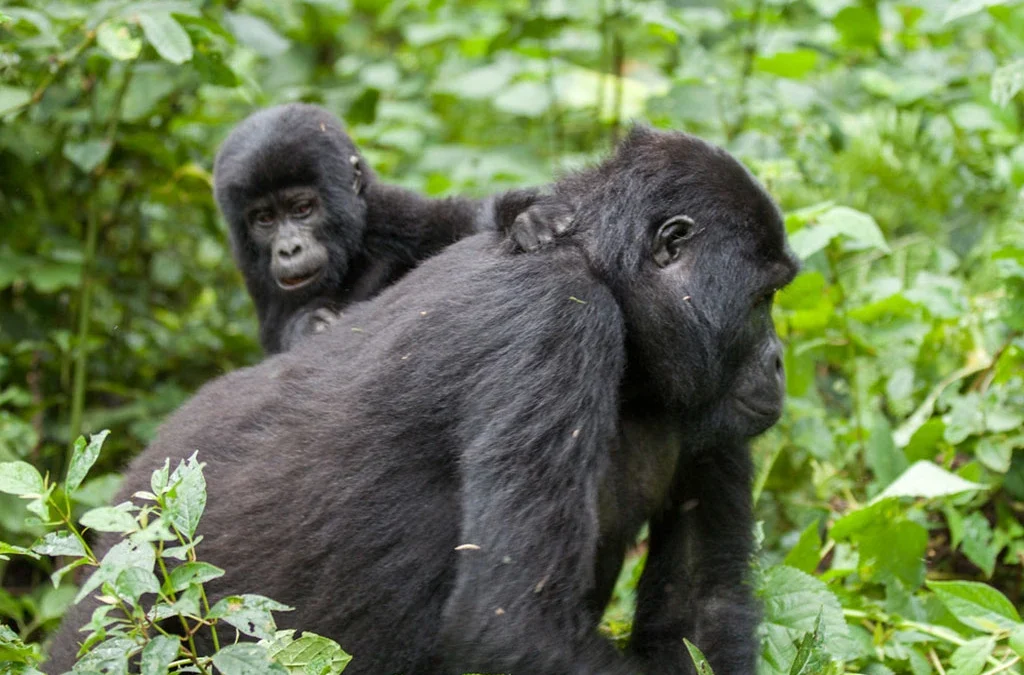
If you’ve ever imagined yourself standing quietly in a misty forest while a silverback gorilla ambles past, then watching wild chimpanzees swing through the branches the very next morning, you’re dreaming of a trip that only two countries pull off really well: Uganda and Rwanda. These neighbours sit side by side along the Albertine Rift, sharing the same green, cloud-wrapped mountains and protecting strong numbers of both great apes. Because of that, either one lets you trek gorillas one day and chimps the next. Still, they don’t feel the same once you’re on the ground. Uganda leans wild, affordable, and packed with variety. Rwanda feels polished, compact, and premium. So which one fits your travel style, your budget, and your calendar? Let’s break it down honestly, park by park, dollar by dollar.
Which Country Wins at a Glance?
Before we get into the details, here’s the short answer for people who just want a nudge in the right direction.
- Go with Uganda if you want the finest chimpanzee trekking in East Africa, cheaper permits and a trip that mixes in savannah safaris, tree-climbing lions and boat cruises. The catch is longer drives between parks.
- Go with Rwanda if you’re short on days, you love a smooth and tightly organised experience, you want quick access straight from the capital, and the higher price doesn’t scare you off.
Both choices are excellent. Neither one will disappoint you. The rest comes down to what you value most, so let’s look closer.
Where Will You Actually Trek?
The biggest practical difference between these two countries is simple: where the apes live, and how far those parks sit from each other.
In Uganda, the gorillas roam two southwestern parks. Bwindi Impenetrable Forest National Park holds roughly half the world’s mountain gorillas, while nearby Mgahinga Gorilla National Park protects a smaller group. For chimps, Kibale Forest National Park steals the show, boasting one of the densest chimpanzee populations in Africa and a sighting success rate above 90%. Should you want more chimp options, Kyambura Gorge, Budongo, and Kalinzu forests all offer trekking too.
Rwanda keeps things tidier but more spread out. Its gorillas live in Volcanoes National Park up north, tucked into the Virunga volcano chain. The chimps, though, live far away in Nyungwe Forest National Park, an ancient montane rainforest in the deep southwest.
In Rwanda, the gorilla park and the chimp park sit at opposite ends of the country, roughly a half-day’s drive apart. Uganda handles this far more gracefully. There, Kibale and Bwindi link up on a natural southwestern loop that rolls right past Queen Elizabeth National Park, so you can fold a savannah safari into the journey without ever doubling back.
What Do the Permits Cost?
Permits eat up the biggest chunk of any ape-trekking budget, and this is exactly where the two countries split hardest.
Uganda charges $800 for a gorilla trekking permit (foreign non-resident), while Rwanda asks $1,500 for the same thing. Chimpanzee permits land at $250 in both Kibale and Nyungwe. Uganda also offers gorilla and chimpanzed habituation, a four-hour experience currently priced at $1,800 and $400 respectively. Rwanda doesn’t offer gorilla habituation but currently offers chimpanzee habituation experience.
A handful of details are worth knowing before you book:
- Rwanda’s $1,500 gorilla permit is the priciest in Africa, and it holds steady all year. A 30% low-season discount drops it to $1,050 from November to May, but only if you also book at least two nights in Akagera and/or Nyungwe national parks. Through peak season from June to October, you pay the full $1,500 with no exceptions.
- Uganda charges roughly half for gorillas. Early in 2026 it added low-season discounts that pull the permit down to about $600 during April, May and November.
One quick heads-up on pricing. Uganda’s wildlife tariff was still under active revision through 2026, so double-check the current rate with the Uganda Wildlife Authority (UWA) or Iconic Africa Safaris before you commit. Rwanda’s rates come straight from the Rwanda Development Board (RDB) and they tend to stay put.
What’s the Trekking Experience Really Like?
Numbers only tell half the story. How the trek actually feels matters just as much, and the two countries offer different moods.
Start with the gorillas. Rwanda’s Volcanoes National Park gives you more open, bamboo-covered terrain up at altitude, and the treks often run shorter, which many visitors find a touch gentler on the legs. Uganda’s Bwindi earns its “impenetrable” nickname without apology. Expect dense, steep, tangled rainforest that can turn your hike into a muddy, sweaty, longer slog. Yet that effort buys something special: a wilder, more immersive jungle feel and a far bigger list of habituated families to choose from.
Now the chimps, and this is where Uganda pulls clearly ahead. Kibale Forest comes with well-worn trails, a massive chimp population, and sighting rates that stay high week after week. Rwanda’s Nyungwe is gorgeous and bursting with biodiversity, no argument there, but its chimps roam widely across rough terrain, so encounters get less predictable. When chimpanzees rank high on your wish list, Uganda becomes the smarter bet.
How Hard is it to Get there?
Logistics can quietly make or break a short trip, so let’s talk travel time honestly.
Rwanda wins hands down on convenience. Kigali International Airport is modern and central, and Volcanoes National Park sits just 2–3 hours away on smooth tarmac. A traveller with only a few days to spare can land, trek gorillas and be back in the capital fast. The trade-off shows up when you chase chimps, since reaching Nyungwe means a long transfer to the far opposite corner of the country.
Uganda rewards patience instead. Entebbe serves as the main gateway, but Bwindi lies a long 8–10 hours away by road unless you hop on a scheduled domestic flight to a nearby airstrip. Here’s the upside, though: Uganda’s parks chain together beautifully. A classic loop flows from Kibale for chimps, into Queen Elizabeth for game drives, a Kazinga Channel boat cruise, and those famous tree-climbing lions, then onward to Bwindi for gorillas. That route hands you a much richer safari than a single-species dash ever could.
What Might Your Trip Look Like?
Sometimes a sample plan makes the choice click. Here are two realistic shapes for each country.
Rwanda suits the efficient traveller who wants primates and not much filler. A tidy 6-day plan runs like this:
- Day 1: Arrive in Kigali
- Day 2: Transfer to Nyungwe
- Day 3: Trek chimpanzees in Nyungwe
- Day 4: Transfer north toward Volcanoes
- Day 5: Trek gorillas in Volcanoes
- Day 6: Return to Kigali and depart
Uganda fits the traveller who wants the full safari story, wildlife and landscapes included. Plan on eight to ten days:
- Day 1: Arrive in Entebbe
- Day 2: Transfer to Kibale
- Day 3: Trek chimpanzees in Kibale
- Day 4: Explore Queen Elizabeth with a game drive and Kazinga Channel boat cruise
- Day 5: Transfer to Bwindi
- Day 6: Trek gorillas in Bwindi
- Day 7: Add an optional second gorilla trek or a community visit
- Day 8: Return to Entebbe and depart
How Do You Book Your Gorilla and Chimp Safari?
Ready to turn this into a real trip? Reaching us is easy. Contact us through the booking form, send an email to info@iconicafricasafaris.com, or tap the WhatsApp button in the bottom-right corner of your screen for an instant chat. When you get in touch, tell us a few key things so we can help fast:
- Your travel dates, so we can check permit and lodge availability right away.
- The number of people in your private group, which shapes both pricing and vehicle planning.
- Your accommodation level, whether Budget, Mid-Range, or Luxury, so the itinerary matches your comfort.
- The number of days you’d like to travel, which decides how much we can fit in.
Once we have those details, one of our local consultants will craft a personalised, fully costed itinerary built around your preferences. We’re just a message away, 24 hours a day.
One last tip before you go quiet on it: gorilla permits are limited and sell out fast. If you’re planning to travel during peak season, book 3–6 months ahead to lock in your spot with confidence.