
How to Book Your 12-Day Mt.Kilimanjaro and Rwanda Gorillas
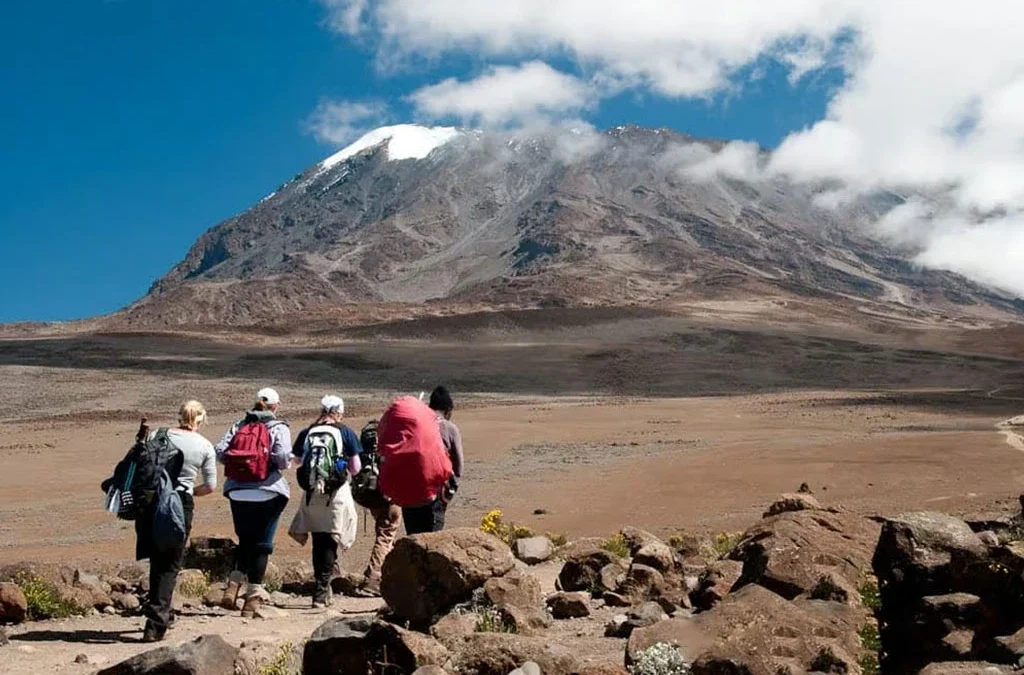
Are you planning a safari that pairs frost-bitten sunrises on Africa’s tallest peak with warm, misty mornings in a rainforest full of gorillas? Picture your boots crunching over scree near 19,000 feet as the sky turns orange over Tanzania. 7 days later, picture yourself crouched three feet from a silverback in the Virunga bamboo, close enough to hear him breathe. This 12-day journey links Kilimanjaro’s Machame Route with Rwanda’s Nyungwe and Volcanoes National Parks. You’ll climb through five climate zones, track chimpanzees through Africa’s oldest rainforest, and spend a full hour watching a gorilla family play. Below is exactly how each day unfolds, what to pack, and how to secure your spot before permits sell out.
What Makes this Trip Different From a Standard Safari?
Most safaris keep you in a vehicle. This one puts you on your own two feet for most of it. You’ll spend 7 days hiking Kilimanjaro on the Machame Route, known locally as the “Whiskey Route” for its steep character, then fly to Kigali and swap trekking poles for chimp tracking and gorilla permits. Few operators combine both trips into one seamless itinerary, so the logistics matter: get the flights, permits, or acclimatization days wrong, and you risk missing your summit window or your gorilla slot entirely.
Day 1: Moshi to Machame Gate to Machame Camp
Breakfast comes first, followed by a briefing from your guide. At 9 am, a driver takes you from your hotel in Moshi to Machame Village, where porters pack your gear and hand you a lunch box. Grab bottled water here; it’s your last easy chance. If the road is dry, the vehicle carries you straight to Machame Gate. If it’s muddy, expect a one-hour walk to cover the same 3 km. Once you register at the park office, the trail climbs into rainforest, and good boots, trekking poles, and gaiters earn their keep since the path turns slick fast. You’ll break for lunch around the halfway mark and reach Machame Camp by late afternoon.
- Terrain: Dense rainforest with muddy switchbacks
- Accommodation: Budget camping
- Meals: All meals and drinking water included; other drinks are not
Day 2: Machame Camp to Shira 1
Breakfast starts early, then you pack for the day’s climb. The trail opens into rainforest glades for the first hour before the trees thin into moorland scattered with small shrubs. After two hours, you’ll stop for lunch and a short rest before continuing onto the Shira Plateau, where you get your first real look at the Western Breach and its glaciers. From there, the trail heads west to Shira Camp. Porters boil water for drinking and washing before dinner, and the temperature drops fast here, so pack warm layers for the night.
Day 3: Shira 1 to Lava Tower to Barranco Camp
Once breakfast is done, the trail climbs east along a steep path above Kilimanjaro’s last patches of vegetation. Five to six hours later, you’ll reach Lava Tower at 15,190 feet, a well-known landmark and a smart spot for acclimatization. Lunch happens here before a two-hour descent below the Western Breach into Barranco Camp. This stretch offers some of the best photo opportunities on the route, especially when ice coats the rock walls. As dinner cooks, watch the sun drop through the valley for a memorable sunset, and tell your guide right away if you notice signs of altitude sickness.
Day 4: Barranco Camp to Karanga Camp
The Great Barranco Wall looms above your tent when you wake up, but it climbs easier than it looks. Once you’re over it, the trail continues near the Heim Glacier before dropping into Karanga Valley, where porters collect all remaining water, since it’s the last source before the summit push. Karanga Camp is your stop for the night, and after lunch, you can rest or explore lightly while taking in views of Mawenzi’s jagged spires.
Day 5: Karanga Camp to Barafu Camp
Breakfast is followed by a walk east across several ridges and valleys until the trail joins the Mweka Route, then an hour uphill to Barafu Hut, your base camp on a windy, rocky ridge. Take time before dark to learn the layout of camp, and keep your headlamp within reach in case you leave your tent overnight. Swap out headlamp and camera batteries, then aim to be asleep by 7 pm; you’ll want every minute of rest before the summit attempt.
Day 6: Barafu Camp to Uhuru Peak
This is the day everything has been building toward. Around midnight, you’ll set off through thick scree, weaving switchbacks between the Ratzel and Rebmann glaciers for roughly six hours until you reach Stella Point at 18,650 feet, a stretch most climbers call the hardest part of the whole trek. If your pace holds, you might catch sunrise right here. Fatigue sets in fast at this altitude, but standing still in the cold isn’t an option, so keep moving. From Stella Point, the trail joins the final section of the Marangu Route, and one to two more hours along the crater rim brings you to Uhuru Peak: the Roof of Africa. Take your photos at the summit sign, then start your descent soon after, since a long rest still waits at Barafu Camp.
Day 7: Mweka Gate to Moshi to Kigali
Morning breakfast comes early, then a scenic three-hour descent leads to Mweka Gate. Hold off on tipping your crew until everyone and all the gear has arrived. At the gate, you’ll register and collect your summit certificate: green for Stella Point, gold for Uhuru Peak. If the road is too muddy for vehicles, a one-hour walk covers the final 3 km to Mweka Village, where a hot lunch awaits, before a driver returns you to Kilimanjaro International Airport for your flight to Kigali and the start of the Rwanda leg.
- Accommodation: Hotel Chez Lando (Budget) or Onomo Hotel (Mid-Range)
- Meals: All meals included
Day 8: Drive to Nyungwe Forest National Park
A driver-guide from Iconic Africa Safaris picks you and your luggage in a 4×4 Land Cruiser for the 6-7 hour drive to Nyungwe, winding through rolling tea plantations and green hillsides, with stops along the way for lunch and photos.
- Accommodation: Chimpanzee Lodge (Budget) or Nyungwe Top View Hill Hotel (Mid-Range)
- Meals: All meals included
Day 9: Chimpanzee Trekking and the Canopy Walk
Wake-up call falls between 5:30 and 6:30 am, followed by breakfast and a 7:30 am briefing at park headquarters, where rangers explain the rules and split trekkers into small groups. By 8 am, you’ll enter Africa’s oldest mountain rainforest in search of habituated chimpanzees. The search can run one to four hours, but once you find them, you get a full hour watching them swing through the canopy and call across the treetops. Afternoon brings the famous canopy walk, a suspended bridge above the forest floor where colobus and L’Hoest’s monkeys are common sights, along with the great blue turaco overhead.
Day 10: Drive to Volcanoes National Park via Lake Kivu
Breakfast kicks off a 6-7 hour drive toward Volcanoes National Park, broken up by a stop at Lake Kivu for lunch and a short walk along the shoreline of one of Africa’s largest lakes, before the drive continues to your lodge by evening.
- Accommodation: Hotel Muhabura (Budget) or Le Bambou Gorilla Lodge (Mid-Range)
- Meals: All meals included
Day 11: Gorilla Trekking and Iby’Iwacu Cultural Village
This day is the one most travelers count down to. Breakfast happens between 5:30 and 6:30 am, followed by a 7:30 am briefing at Kinigi headquarters, where rangers split trekkers into groups of 8 per gorilla family. By 8 am, guides lead you into the bamboo slopes of the Virunga Mountains, and the hike can last 1 to 5 hours depending on where the gorillas have moved. Once your group finds them, you get one uninterrupted hour watching silverbacks beat their chests and juveniles tumble through the undergrowth. Afternoons are reserved for Iby’Iwacu Cultural Village, where local performers welcome visitors with drumming, dancing, and storytelling.
Day 12: Drive Back to Kigali for Departure
Breakfast is followed by a 2-3 hour drive to Kigali. Along the way, you’ll stop at the Kigali Genocide Memorial, a sobering but important visit that honors the victims of the 1994 Genocide against the Tutsi and reflects on Rwanda’s recovery since. If time allows, Kimironko Market is worth a stop for handmade crafts, fabrics, and jewelry before your flight home.
- Meals: Breakfast and lunch included
- Accommodation: None arranged for this night
When Is the Best Time to Book this Safari?
Dry season runs from June through late September, then again from December through February. Trails stay firmer, forest visibility improves, and rain is less likely to disrupt your trek. These stretches also count as peak periods, so gorilla permits and lodge rooms in Volcanoes National Park sell out early; book 3 to 6 months ahead to protect your dates and pricing. Low season isn’t a dealbreaker, either. Lodges often drop their rates, and sunny days still turn up even when rain is more common overall.
How Do You Book Your Kilimanjaro and Gorilla Safari?
Reach out through the booking form, email us at info@iconicafricasafaris.com, or tap the WhatsApp icon in the bottom right corner of your screen for a live chat. Share a few details, and a local consultant builds a costed itinerary around your answers:
- Travel dates: so we can check permit and lodge availability
- Group size: private groups get itineraries tailored to their pace
- Accommodation level: Budget, Mid-Range, or Luxury
- Trip length: the full 12 days or a custom variation
Our team responds within 12 or less hours, any day of the week.
Your Questions, Answered
Do I need prior climbing experience for Kilimanjaro?
No technical skills are required. Fitness helps, but the Machame Route is a trek, not a technical ascent. Steady cardio training beforehand makes a real difference.
How far in advance should I book gorilla permits?
Book 3 to 6 months out for peak season travel. Rwanda issues a limited number of permits daily, and popular dates disappear fast.
Can I do the Kilimanjaro climb without the Rwanda extension?
Yes. Each leg runs as a standalone trip, though combining them saves on flight logistics.
What’s the biggest mistake first-time trekkers make?
Rushing acclimatization. Altitude sickness ends more summit attempts than fitness ever does, so pace yourself and speak up if something feels off.
Ready to Start Your Adventure?
This trip has already carried hundreds of travelers from Kilimanjaro’s icy slopes to eye level with mountain gorillas, and the reviews back it up: real guides, real local knowledge, permits handled right the first time. Reach out today through the booking form, email, or WhatsApp, and let a local consultant map out your dates before peak season fills up.