
Gorilla Trekking Rules Every Visitor Must Know
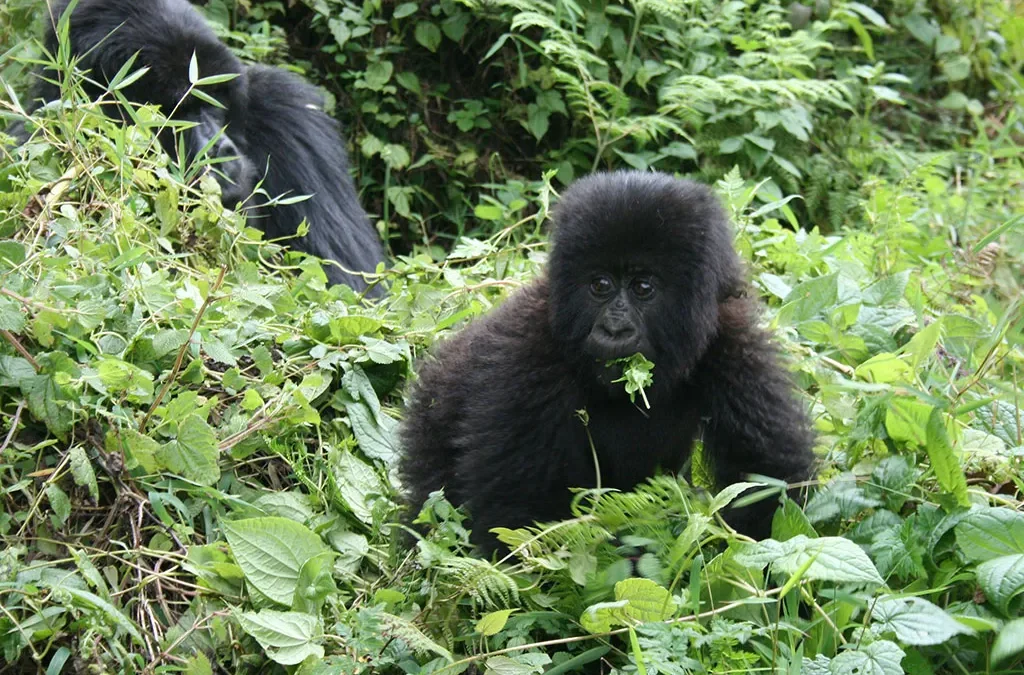
Are you planning a safari that includes a gorilla trek? If so, this guide will give you clear, simple rules and practical tips to make your trip safe, legal and unforgettable. Gorilla trekking is a unique wildlife experience that requires respect for the animals, the forest, and other trekkers. These apes are endangered and fragile; small actions by visitors can have big consequences. Read on for easy-to-follow health guidelines, behavior rules during the encounter, where to go for the best treks in Africa, permit and timing advice, a sample 3-day Uganda itinerary and reasons to choose a professional operator.
What health rules must I follow before trekking?
Gorillas are very vulnerable to human germs. Follow these health rules to protect them and to avoid being turned away at the trailhead.
- Do not trek if you are sick: Any sign of a contagious illness—fever, cough, sore throat, diarrhea, or vomiting – usually means you cannot join the trek. Park staff will screen visitors and refuse entry when illness is suspected to prevent transmission.
- Keep a safe distance when sneezing or coughing: If you must cough or sneeze, turn your head away and cover your mouth and nose. Carry tissues and pack them out.
- No eating or smoking near gorillas: Avoid eating, drinking, or smoking within about 200 meters of the gorillas. Food particles and cigarette residue can carry bacteria and viruses.
- Use hand sanitizer and wash when possible: Clean hands reduce the risk of passing germs. Carry alcohol-based sanitizer and use it before and after the trek.
- Follow toilet protocol: If you need to relieve yourself, tell your guide. They will dig a small hole (about 30 cm / 1 foot), you use it, and then cover it completely. This keeps the forest clean and reduces disease risk.
What behavior rules apply during the gorilla encounter?
When you finally meet a gorilla group, your actions should protect both the animals and your group. These rules keep stress low and let you observe natural behaviors.
- Keep a minimum distance: Stay at least 7 meters (about 21 feet) from the gorillas at all times. Even habituated animals are wild and can react unpredictably to close human presence.
- Limit the visit to one hour: Park rules allow only 60 minutes with the gorilla group. This short, controlled visit reduces stress and disturbance to their daily routines.
- Stay together: Walk and stand with your group. Don’t surround or encircle gorillas. Remaining close to your guide helps the gorillas feel less threatened.
- Do not touch: Never touch a gorilla, even a young one that appears curious. Physical contact can transfer germs and may provoke defensive behavior.
- Move slowly and deliberately: Avoid sudden movements. If a gorilla approaches, stay calm and follow your guide’s instructions.
- Avoid direct eye contact: Staring directly at a gorilla can be read as a challenge. Look down or to the side if one meets your gaze.
How should I handle photography and noise?
Getting photos is tempting. Still, light and sound affect gorilla behavior. Be mindful so you capture memories without harming the animals.
- No flash photography: Flash can startle or disturb gorillas. Use natural light or increase ISO settings on your camera if needed.
- Keep voices low: Speak quietly and avoid loud laughter or shouting. Even after the encounter, keep the volume down until you are well away from the group (about 200 meters).
- Follow guide directions: Your guide will tell you when photos are allowed and when to stop. Obey promptly.
What should I do if a gorilla charges?
A charging gorilla is rare, but you should be prepared. The right reaction reduces danger for both you and the animal.
- Do not run: Running may trigger a chase or increase the gorilla’s stress.
- Crouch slowly: Bend down on your knees or squat. Make yourself smaller without turning your back.
- Avoid direct eye contact: Look down and keep your movements slow and calm.
- Wait quietly: Allow the animal to move away. Your guide will advise and protect the group.
What rules protect the forest and habitat?
Protecting the habitat keeps gorillas healthy long term. Your behavior matters before, during, and after the trek.
- Pack out all trash: Bring every wrapper, tissue, and bottle back with you. Do not leave litter on the trail.
- Wear neutral clothing: Choose khaki, brown, olive, or other earth tones that blend into the forest. Bright colors may stress wildlife or attract unwanted attention from insects.
- Respect trail boundaries: Stick to the paths and follow your guide. Trampling vegetation damages food sources and hides for gorillas.
Where to go for gorilla trekking in Africa?
Gorilla trekking is available only in a few East and Central African countries. Each offers a different balance of scenery, cost, difficulty, and comfort.
Uganda – Best for budget and varied treks
- Key parks: Bwindi Impenetrable National Park (sectors: Buhoma, Ruhija, Rushaga, Nkuringo), Mgahinga Gorilla National Park.
- Permits: Currently at $800 USD for foreign non-residents (rates can change; confirm before booking).
- Why go: Bwindi holds over half of the world’s mountain gorillas and offers varied trek lengths, from short hikes to full-day treks. It also offers the Gorilla Habituation Experience, a special permit that allows up to 4 hours with a gorilla family under specific conditions.
Rwanda – Best for ease and luxury
- Key park: Volcanoes National Park, near Kigali.
- Permits: Currently at $1,500 USD per person for foreign non-residents (check current rates).
- Why go: Shorter drives from Kigali make this ideal for tight schedules. Trails are often less rugged, and luxury lodges are plentiful.
Democratic Republic of Congo (DRC) – Best for adventure and value
- Key parks: Virunga National Park (mountain gorillas), Kahuzi-Biega National Park (eastern lowland gorillas).
- Permits: Around $400 USD in many cases, with seasonal variations and discounts.
- Why go: Lower permit prices and rugged, raw wilderness experiences appeal to adventurous travelers. Confirm current security and travel advisories before booking.
When should I book and what timing matters?
Planning ahead secures your permit and makes travel smoother.
- Book permits early: Gorilla permits are limited each day and sell out in peak months. Reserve your permit and guide 3 to 6 months in advance, especially for high season.
- Best seasons: The drier months—June to September and December to February – offer easier trails and less mud. Rain seasons can make hikes harder but often fewer tourists visit.
- Expect variable trek lengths: Finding gorillas can take 30 minutes or up to 7 hours depending on where the group is. Physical fitness and flexible scheduling help.
What should I pack for a gorilla trek?
- Sturdy hiking boots: Provide ankle support and grip on muddy slopes.
- Long pants and long-sleeved shirts: Protect against insects, thorns and sun.
- Rain jacket: Weather in the forest can change quickly; a lightweight waterproof layer helps.
- Gloves (gardening-style): Useful for gripping vines and protecting hands when scrambling.
- Face mask: Some parks may require masks to limit disease transmission.
- Hand sanitizer and tissues: For hygiene in the field and after coughing or sneezing.
- Water and snacks: Carry enough water; eat before and after the trek not near gorillas.
- Camera with extra battery: No flash and quiet shutter if possible.
- Small backpack: Keep your hands free and carry essentials comfortably.
What does a sample 3-day Uganda gorilla trek look like?
Day 1: Arrival at Entebbe or Kigali International Airport and Transfer
You’ll get picked up from Entebbe Airport in Uganda or Kigali International Airport in Rwanda. The drive to your park accommodation takes 8-9 hours from Entebbe or 4-5 hours from Kigali. Use this time to rest and acclimate to the altitude and climate.
Day 2: Gorilla Trekking Experience
Your ranger guide will lead you into the forest early morning when gorillas are most active. After your one-hour encounter, you might join an optional evening cultural experience with local Batwa people, learning about indigenous forest traditions.
Day 3: Return Journey
You’ll drive back to the airport, arriving in late afternoon, giving you time to reflect on your extraordinary experience.
Why choose a guided operator like Iconic Africa Safaris?
A professional local operator simplifies logistics and improves your experience in many ways.
- Experienced driver-guides: Guides know the terrain, wildlife behavior, and local weather patterns. They help you stay safe and enhance your chances of meeting gorillas quickly.
- Personalized planning: Tour consultants can tailor an itinerary to your fitness level, timing and interests. They listen to your needs and customize transport, lodging and optional activities.
- Reliable vehicles: We typically use 4×4 vehicles (like Land Cruisers) suited for rough roads and remote access. Comfortable transport reduces travel fatigue.
- Permit assistance: Iconic Africa Safaris handles permit bookings and paperwork, reducing administrative hassle and the risk of booking mistakes.