
Birdwatching highlights in Nkuringo Sector
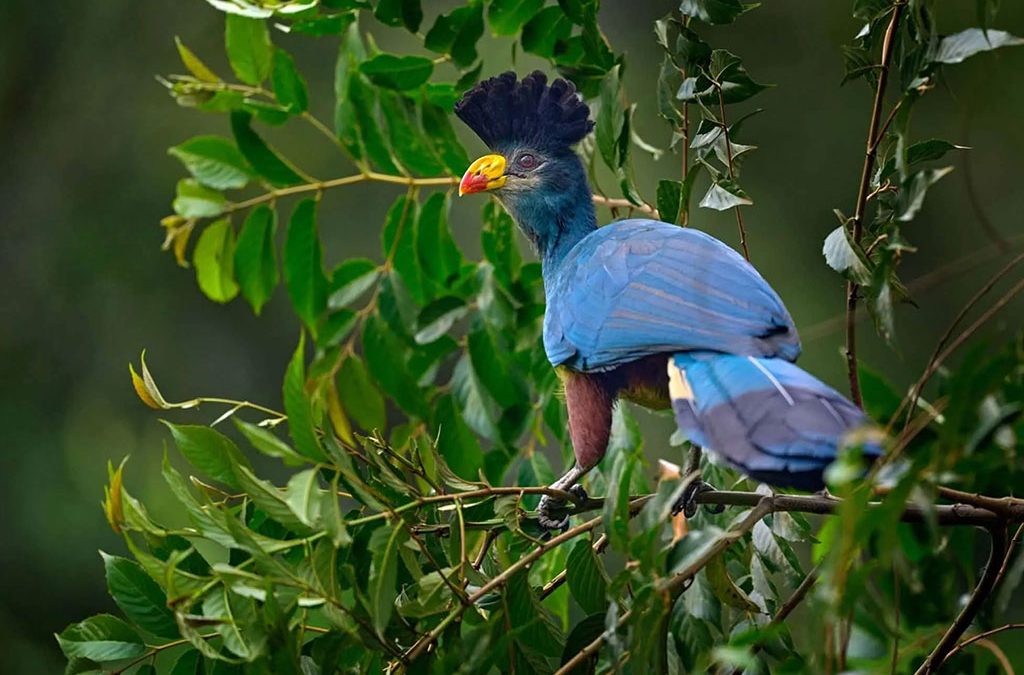
Birdwatching in Nkuringo Sector brings you face to face with over 350 incredible bird species. This magical corner of Bwindi Impenetrable National Park hosts rare Albertine Rift endemic birds. You will discover African Green Broadbills, Rwenzori Turacos, and Short-tailed Warblers in their natural habitat. The forest trails echo with melodious bird calls that awaken your senses each morning. Expert guides lead you through ancient trees where sunbirds flash their brilliant colors. Every step reveals nature’s beauty in stunning detail.
Discover Rare Bird Species in Nkuringo’s Ancient Forests
Albertine Rift Endemic Birds You Can Spot
The Albertine Rift endemics make Nkuringo a world-class birding destination for enthusiastic birdwatchers worldwide. These rare species thrive only in this unique mountain forest ecosystem along the Rift Valley. You will encounter the stunning African Green Broadbill with its vibrant emerald plumage and distinctive call. The Rwenzori Turaco displays magnificent purple and green feathers that shimmer in the dappled sunlight. Furthermore, Shelley’s Crimsonwing hides among the undergrowth, revealing flashes of deep crimson when disturbed.
Additionally, the Archer’s Robin-chat sings beautiful melodies from dense vegetation throughout the early morning hours. The Mountain Masked Apalis flits between branches, showcasing its delicate features and acrobatic hunting skills. Meanwhile, the Rwenzori Batis performs aerial displays while catching insects mid-flight with remarkable precision. The elusive Short-tailed Warbler completes this collection of spectacular endemic species worth traveling far to observe.
Forest Birds That Fill the Canopy
The forest canopy bursts with activity as countless bird species feed, nest, and call. The African Paradise Flycatcher trails its elegant ribbon-like tail feathers through the misty morning air. Black Bee-eaters perch on exposed branches, diving gracefully to catch their insect prey with precision. The Great Blue Turaco announces its presence with loud, far-carrying calls that echo through valleys.
Handsome Francolins forage on the forest floor, scratching through leaf litter for hidden insects. The Dusky Twinspot shows off its spotted plumage while feeding in small, active groups. African Goshawks soar overhead, scanning the canopy for unsuspecting prey with their sharp eyes. Grey-cheeked Hornbills glide between fruiting trees, their wings making distinctive whooshing sounds in flight. Cinnamon-chested Bee-eaters add splashes of warm color to the green forest landscape around you. Finally, Yellow-rumped Tinkerbirds hammer rhythmically on dead wood, creating nature’s percussion throughout the day.
Water Birds and Ridge Specialists
The water courses and mountain ridges offer different birding experiences beyond the dense forest interior. Cape Wagtails and Mountain Wagtails dance along rocky streams, bobbing their tails with characteristic movements. Blue-headed Sunbirds hover at colorful flowers, sipping nectar with their long, curved beaks efficiently. The Yellow-eyed Black Flycatcher watches from prominent perches before sallying out to catch flying insects.
White-headed Saw-wings swoop low over water, catching insects in aerobatic displays of hunting prowess. Grey Crowned Cranes, Uganda’s national bird, occasionally appear in nearby wetlands and open grasslands. African Pygmy Kingfishers dart along forest streams, hunting small fish and aquatic insects with speed.
Explore the Best Birding Trails and Locations
Nombe Pocket Forest: Your Secret Birding Haven
Nombe Pocket Forest creates a secluded paradise where birds gather in impressive numbers and diversity. This unique habitat near Nkuringo offers a distinctly different ecosystem from the main forest areas. The pocket forest attracts species that prefer forest edges and transitional zones between habitats. You will walk quietly through this intimate setting, listening to unfamiliar calls echoing around you. Birds feel more approachable here, often allowing closer observation than in the denser forest.
Kashasha River Trail: A Birding Corridor of Natural Beauty
The Kashasha River Trail connects Nkuringo to Buhoma, creating an essential corridor for bird movement. This beautiful trail follows the river through varied habitats that support diverse bird communities. Forest birds mix with water-loving species along this scenic route through Bwindi’s ancient landscape. The trail takes you through different elevations, each hosting unique bird assemblages worth careful observation. Consequently, many birdwatchers consider this trail the highlight of their entire Nkuringo birding experience.
Forest Edges and Ridge Lines for Open-Country Species
Forest clearings and ridge lines provide excellent opportunities to spot birds preferring more open habitats. These transitional zones attract species that avoid the dense forest interior but need nearby cover. Morning mist rises from valleys below, creating atmospheric conditions that enhance your birding photography opportunities. Birds gather at forest edges during early morning hours, taking advantage of abundant insect life. The ridges offer panoramic views where you can scan for soaring raptors and swifts.
Essential Tips for Successful Birdwatching in Nkuringo
Why Hiring Local Guides Transforms Your Birding Experience
Experienced local guides possess invaluable knowledge about bird behaviors, calls, and hidden locations throughout Nkuringo. These experts identify birds by their songs alone, even when the birds remain completely hidden. They understand seasonal movements and know exactly where rare species appear during different times daily. Your guide spots birds you would certainly miss, pointing out camouflaged species among the foliage. Moreover, guides share fascinating ecological information that enriches your understanding of this complex forest ecosystem.
Combine Birdwatching with Gorilla Trekking for Maximum Adventure
Gorilla trekking and birdwatching complement each other perfectly during your Nkuringo visit to Bwindi park. Many lodges organize morning or evening nature walks specifically designed for keen birdwatchers like you. These walks reveal birds that gorilla treks often miss due to different timing and routes. Consequently, you maximize your wildlife experiences by enjoying both activities during your valuable park visit. The early morning hours before gorilla trekking offer particularly productive birding sessions with active birds.
Explore Beyond Nkuringo for Even More Bird Species
Bwindi Impenetrable National Park extends far beyond Nkuringo, offering additional birding opportunities in other sectors. Ruhija sector features the renowned Mubwindi Swamp, home to different specialized bird species and habitats. Buhoma sector provides lowland forest birds that prefer different elevations than Nkuringo’s highland species. Therefore, dedicated birdwatchers often visit multiple sectors to maximize their species count across the park.
How to Reach Nkuringo Sector for Your Birding Adventure
Driving from Kampala: The Overland Journey
The road journey from Kampala takes approximately eight to ten hours through southwestern Uganda’s countryside. You travel southwest toward Kabale, then continue along the scenic Kabale-Kisoro road toward the mountains. At Muko near beautiful Lake Bunyonyi, you turn onto a thirty-eight kilometer dirt road. This final stretch requires a reliable four-wheel-drive vehicle to handle the challenging terrain safely. However, the journey rewards you with stunning views of terraced hillsides and rural village life.
Flying to Kisoro: The Fastest Route to Nkuringo
Domestic flights from Entebbe International Airport land at Kisoro Airstrip within approximately one hour. Alternatively, flights to Kihihi Airstrip serve Buhoma sector but require longer ground transfers afterward. From Kisoro Airstrip, you drive for one and a half to three hours to reach lodges. A four-wheel-drive vehicle remains essential for the final transfer through mountainous terrain to your accommodation. Consequently, flying saves considerable time and reduces the physical demands of long-distance road travel.
Connecting from Queen Elizabeth National Park via Ishasha
The scenic route from Queen Elizabeth National Park passes through the famous Ishasha sector first. You might spot tree-climbing lions before continuing toward Kihihi and eventually reaching Nkuringo sector. This journey takes approximately four to five hours, offering varied landscapes and wildlife viewing opportunities. The route connects Uganda’s premier national parks, allowing you to experience multiple ecosystems efficiently.
Important Travel Considerations for Planning Your Visit
No public transport operates directly to Nkuringo, so you must arrange private vehicle transportation. Most lodges happily organize airport pickups and transfers as part of their service to guests. Nkuringo sits very close to the Uganda Wildlife Authority Visitor’s Centre for convenient access. Some lodges stand just five minutes’ walk from the trekking starting point, maximizing your time. Therefore, booking accommodation and transport together ensures smooth logistics for your birding adventure in Nkuringo.