
Is Olduvai Gorge Worth Visiting? A Journey to Humanity’s Birthplace
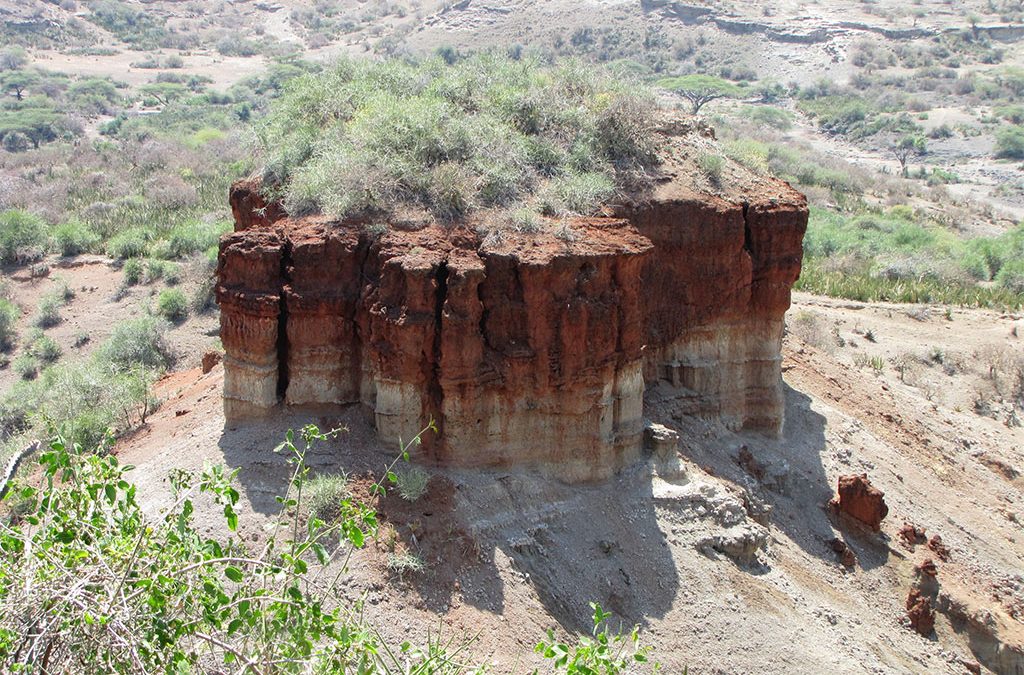
Are you planning a journey across Tanzania’s northern safari circuit and wondering if Olduvai Gorge is worth the stop? This ancient site, often called the “Cradle of Mankind,” is more than just a dusty ravine in the Great Rift Valley. It’s a breathtaking window into human origins—where early ancestors once walked, shaped tools, and survived in a dramatic prehistoric landscape. Every grain of sand whispers a story about how humanity began. Between the sweeping Serengeti plains and the majestic Ngorongoro Crater, Olduvai Gorge offers not just science and history, but emotion, discovery, and awe. Step into this remarkable destination and experience the birthplace of humanity itself.
Discover the Cradle of Mankind
Olduvai Gorge, sometimes called Oldupai, lies in Tanzania’s Ngorongoro Conservation Area, halfway between the Serengeti and Ngorongoro Crater. This dry, rugged valley reveals nearly two million years of human history. Deep layers of ash and sediment tell a story that scientists have studied for decades. Here, early humans such as Australopithecus, Homo habilis, and Homo erectus once lived, worked, and adapted to the changing environment. As you stand on the edge of the gorge, the vast Rift Valley stretches endlessly around you, filling the silence with whispers of the past. The sense of connection to our ancient ancestors feels almost spiritual.
The Unearthed Secrets of the Earth
Tectonic activity shaped Olduvai Gorge over millions of years, carving out steep cliffs and revealing fascinating volcanic and sedimentary layers. These natural layers act like pages of a history book, showing a clear and continuous record of early human evolution. Fossilized bones, ancient stone tools, and traces of early life still emerge from the soil today. The site is one of the world’s most important paleontological areas, providing rare evidence of how humans evolved over time. Visitors can look down into these timeworn formations and imagine early hands shaping the first simple tools that began the long journey of civilization.
Following in the Footsteps of Our Ancestors
Standing here, it’s easy to imagine the footsteps of the first humans echoing through history. Nearby Laetoli is home to the world-famous 3.6-million-year-old hominin footprints. These preserved tracks capture a moment when our ancestors walked upright across volcanic ash. They are silent yet deeply powerful, showing how far humanity has come. Seeing replicas at the Olduvai Gorge Museum helps visitors visualize this incredible connection between past and present. The footprints remind us that curiosity, exploration, and adaptation have always been a part of who we are.
The Legendary Work of Louis and Mary Leakey
Olduvai Gorge gained worldwide recognition through the groundbreaking discoveries of Louis and Mary Leakey. In the mid-20th century, they unearthed fossils that confirmed Africa as the original home of humankind. Among their most famous finds is “Zinjanthropus,” now known as Paranthropus boisei, also called the “Nutcracker Man” for its large teeth and powerful jaw. The Leakeys’ research also revealed Homo habilis, an early toolmaker who lived around two million years ago. Their work transformed our understanding of human history and put Olduvai Gorge on the world map. Visitors today can stand where these discoveries forever changed science and see some of the sites where their teams dug deep into Earth’s layers.
Visit the Modern Olduvai Gorge Museum
At the top of the ridge sits the newly renovated Olduvai Gorge Museum, a must-visit for anyone exploring this site. The museum presents the story of human evolution through fossils, original tools, interactive displays, and panoramic models of the gorge. Each exhibit brings ancient history to life with simple explanations and fascinating details. Visitors can easily spend an hour exploring the chambers, listening to guides share stories of discoveries, and taking in the magnificent view over the gorge. Outside, the wind carries the scent of dry earth and acacia trees, reminding travelers that they are standing where prehistory began. This combination of learning, imagination, and landscape makes visiting the museum an unforgettable experience.
Scenic Beauty Beyond Science
While Olduvai Gorge attracts scientists and history lovers, its natural beauty rivals any landscape in Africa. The Great Rift Valley opens wide before you, showing endless plains, sharp cliffs, and the shimmering horizon. The silence feels alive, broken only by the wind and distant calls of wildlife. The gorge changes color with the sun—gold in the morning, amber at dusk, and deep red at sunset. Photographers find every viewpoint inspiring, capturing scenes that blend geological wonder with spiritual calm. The panoramic scenery invites reflection, grounding travelers in the deep connection between nature and human history.
Convenient Stop Between Safari Icons
Olduvai Gorge sits perfectly on the route between Serengeti National Park and Ngorongoro Crater, two of Tanzania’s greatest safari destinations. Many safari itineraries already pass close to it, making it easy to include in a half-day visit. Most travelers stop to explore the museum, enjoy a guided talk from site experts, and soak up the incredible views. The experience creates a meaningful pause between wildlife safaris, offering cultural and historical depth to your journey. As you travel through this landscape, you’ll understand how the environment that shaped early humans continues to shape wildlife and human life today.
What to Expect During Your Visit
A tour of Olduvai Gorge typically begins at the museum, followed by a guided briefing about the site’s history and geology. Guides explain how each layer of earth uncovers new secrets about ancient humans. Some visitors may get the chance to see ongoing excavation areas, depending on research activity. You’ll also glimpse the traditional Maasai villages scattered around the gorge, blending cultural heritage with scientific discovery. A short walk to the lookout offers sweeping views of the entire gorge. Cameras click as travelers capture the vast beauty stretching across the horizon, a moment both humbling and exhilarating.
Nearby Adventures Around Olduvai Gorge
Travelers exploring Olduvai Gorge can enjoy many nearby attractions within the Ngorongoro Conservation Area. Here are some highlights worth including in your itinerary:
Ngorongoro Crater: Only a short drive away, this vast volcanic caldera shelters thousands of animals. Visitors can spot lions, elephants, rhinos, and flamingos as they move across the grassy floor.
Empakaai Crater: Ideal for adventurers, this secluded crater features scenic hiking down to a soda lake often filled with flamingos.
Shifting Sands: These magnetic black dunes, formed from volcanic ash, slowly move across the plains—an extraordinary natural phenomenon.
Ndutu Lake: Located near the southern Serengeti border, this lake bursts with birdlife and seasonal migration herds from December to March.
Laetoli Footprints Site: The nearby site where the original ancient footprints were discovered offers a deeper appreciation of humanity’s early journey.
Each destination adds another layer to the story of the region, blending wildlife, geology, and human heritage into one breathtaking experience.
Cultural Encounters with the Maasai
Beyond science and nature, Olduvai Gorge gives travelers a chance to meet the people who live here today. The local Maasai communities add color and culture to the landscape. Visiting a Maasai boma (village) allows guests to learn about traditional dances, clothing, and daily life. Guides explain how these semi-nomadic herders have coexisted with wildlife for centuries. Their knowledge of the land enriches each encounter, revealing how deeply connected they remain to this environment. Listening to Maasai legends about the gorge, you gain a sense of timeless continuity between past and present. Their stories blend tradition, spirituality, and survival, reminding visitors that culture is as vital here as science.
Adventure and Photography Opportunities
For photographers and nature enthusiasts, Olduvai Gorge and its surroundings offer endless creative inspiration. The landscape’s changing light creates stunning contrasts, from sunrise glows to shadowed cliffs at sunset. Photography safaris in this region capture more than wildlife—they capture moments of human reflection and natural power. Hikers and nature lovers can join guided walks along crater rims or open plains. Each step reveals new perspectives of geological and ecological beauty. Whether you photograph a Maasai herder leading cattle across the golden grasslands or the wind sculpting volcanic dust into shapes, every scene tells a story of endurance and wonder.
Birdwatching and Wildlife Moments
Although Olduvai Gorge is famous for fossils, it also hosts rich wildlife in the surrounding plains. Visitors might spot ostriches running along distant hills, or hear the call of a lilac-breasted roller overhead. Nearby Ndutu and seasonal wetlands attract flamingos, cranes, and raptors during migration months. Safaris around the gorge often surprise visitors with sightings of giraffes, zebras, and antelopes grazing freely. This harmony between ancient history and modern wildlife creates one of Africa’s most profound safari moments. The realization strikes—this land has been home to life in countless forms for millions of years.
Tips for Planning Your Visit
The best way to experience Olduvai Gorge is by combining it with a Serengeti–Ngorongoro safari circuit. Most safari operators include it as a short stop, but history enthusiasts may wish to spend more time. Plan to visit during dry months (June–October or December–March) when roads are manageable, and views are clear. Bring water, sun protection, and a camera to capture the remarkable panoramas. A local guide can share insights that transform simple sights into profound experiences. Combining scientific discovery with natural beauty makes Olduvai Gorge one of the most meaningful safari stops in Tanzania.