
When to Visit Zanzibar – Your Complete Travel Guide
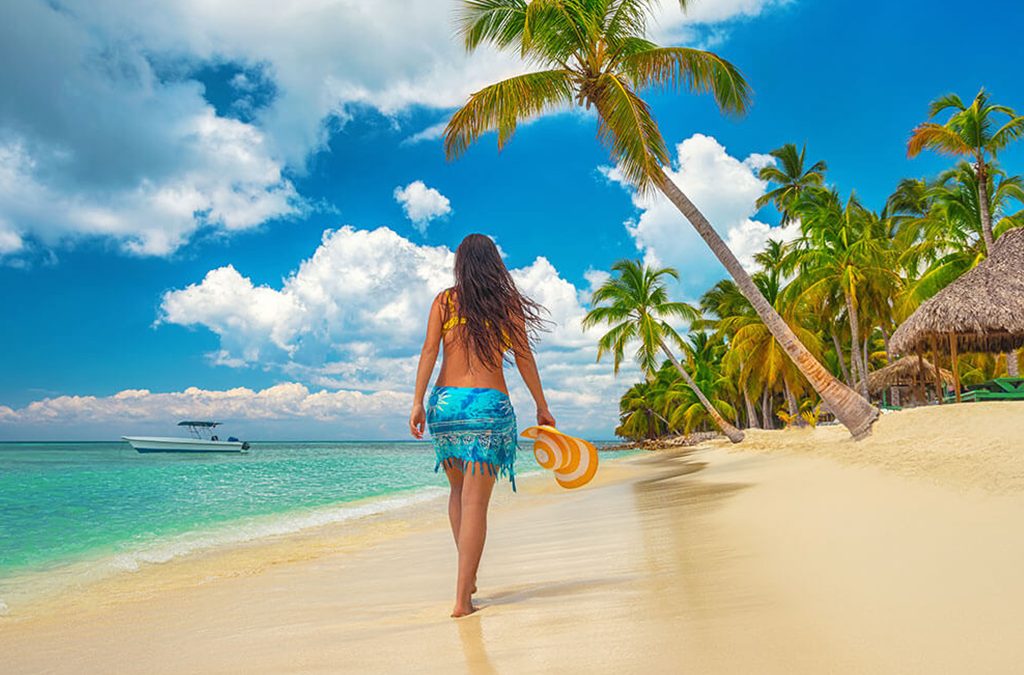
The best time to visit Zanzibar stretches across two glorious dry seasons that paint perfect conditions for your tropical escape. Picture yourself stepping onto powder-white sand as gentle ocean breezes cool your sun-warmed skin. The archipelago welcomes travelers most warmly from June through mid-October and again from December through February. During these months, you’ll find clear skies stretching endlessly above turquoise waters, ideal temperatures for beach lounging, and perfect conditions for exploring historic Stone Town’s winding alleyways. The islands shimmer with possibility during these seasons. You can dive into crystal-clear waters, sail across calm seas, or simply watch dhow boats drift past your beachside hammock. Meanwhile, the rainy seasons offer budget-conscious travelers lower prices and fewer crowds, though afternoon downpours may interrupt your plans.
Understanding Zanzibar’s Tropical Climate
The Indian Ocean cradles this island paradise just 25 kilometers off Tanzania’s coast. Throughout the year, warm, humid air wraps around you like a soft blanket. However, the weather shifts dramatically between seasons, transforming your experience completely.
The main dry season arrives in June and stretches through October. During these months, cooler temperatures make sightseeing comfortable while sunshine dominates the forecast. Then, another dry spell begins in December and continues through February, bringing hotter conditions perfect for swimming and sunbathing.
In contrast, the long rains sweep across the islands from March through May. April and May particularly challenge travelers with heavy afternoon downpours. Additionally, another wet period hits between late October and November. Pemba Island experiences especially intense rainfall during May, often accompanied by strong winds that whip across the coastline.
Planning Your Beach Paradise
December through February delivers postcard-perfect beach weather. The thermometer climbs between 24 and 33 degrees Celsius, creating ideal conditions for swimming in azure waters. High humidity accompanies these temperatures, yet this simply encourages more frequent dips in the refreshing ocean. You’ll find yourself alternating between basking on soft sand and cooling off in gentle waves.
Alternatively, visiting between mid-June and early October offers slightly milder temperatures ranging from 21 to 30 degrees Celsius. These months provide comfortable beach weather without excessive heat. You can explore tide pools during low tide, build sandcastles with your family, or read novels under swaying palm trees without feeling overwhelmed by tropical temperatures.
Remember that rocky coastline dominates much of Zanzibar’s shores. Therefore, choose your location carefully if you dream of classic palm-fringed beaches. The north and northwest coasts of Unguja buzz with energy both day and night, offering restaurants, bars, and water sports. Meanwhile, the east and southeast beaches provide tranquil retreats where you can hear nothing but crashing waves and calling seabirds.
Diving Into Underwater Adventures
June through mid-October creates optimal snorkeling conditions across the archipelago. Calm waters during these months ensure excellent visibility beneath the surface. You’ll glide above vibrant coral gardens where tropical fish dart between colorful formations. The sea settles into glassy smoothness, allowing you to spot marine life up to 30 meters away.
Chumbe Island near Stone Town protects some of Zanzibar’s most pristine coral reefs. Alternatively, the heart-shaped Mnemba Atoll off Unguja’s north coast attracts snorkelers seeking encounters with sea turtles, dolphins, and countless fish species. Both locations showcase the underwater beauty that makes Zanzibar famous among marine enthusiasts.
Diving conditions remain generally favorable year-round, though each season offers unique advantages. Mid-February through April brings exceptionally calm seas and crystal-clear visibility. May continues delivering excellent underwater conditions despite frequent rain showers. Furthermore, fewer divers visit during this off-peak month, meaning you’ll often have dive sites practically to yourself.
June through September maintains good diving conditions north of Unguja. Then, from October through mid-December, conditions improve across the entire archipelago. However, avoid mid-December through mid-February if possible, since northern winds create choppy conditions that reduce visibility significantly.
Pemba Island reigns supreme among Zanzibar’s diving destinations. The reefs surrounding this island and its tiny islets contain dramatic drop-offs, untouched coral walls, and abundant marine life. Experienced divers particularly appreciate Pemba’s challenging yet rewarding underwater landscapes.
Setting Sail Across Turquoise Waters
Sailing enthusiasts find favorable conditions throughout most of the year. Only April and May present significant challenges due to heavy rainfall that can disrupt sailing plans. Otherwise, steady trade winds and generally calm seas make Zanzibar a sailor’s paradise.
June through October stands out as the premium sailing season. Cooler, drier weather during these months creates comfortable conditions both on deck and ashore. The winds blow consistently without becoming overwhelming, allowing both novice and experienced sailors to enjoy smooth passages between islands.
Different areas of the archipelago offer optimal sailing during specific periods. From June through September, the waters north and west of Pemba Island provide particularly excellent conditions. Traditional dhow boats still ply these routes, their triangular sails billowing as they have for centuries.
Spotting Dolphins in Their Natural Habitat
August through December offers your best chance of encountering dolphins around Zanzibar. These intelligent marine mammals frequently appear in certain locations during these months. However, always choose responsible tour operators who maintain respectful distances from wildlife.
Head north on Unguja to watch spinner dolphins perform their acrobatic displays. Their distinctive spinning jumps create unforgettable memories as they leap and twist above the waves. Alternatively, venture to Menai Bay in the southwest for opportunities to observe bottlenose and humpback dolphins. These gentle giants often approach boats curiously, though you should never attempt to touch or chase them.
Avoiding Peak Season Crowds
March through May and mid-October through early December mark Zanzibar’s quietest periods. Fewer tourists mean emptier beaches, shorter lines at attractions, and lower accommodation prices. You’ll often find yourself alone on stretches of pristine coastline that would be crowded during high season.
Despite being rainy seasons, these periods still deliver many beautiful days. Rain typically arrives as brief afternoon downpours rather than day-long deluges. Morning sunshine often gives way to dramatic afternoon thunderstorms that clear quickly, leaving refreshed landscapes and stunning double rainbows.
Budget travelers particularly benefit from off-peak pricing. Hotels and resorts slash rates significantly during these months, making luxury accommodations surprisingly affordable. Nevertheless, avoid April and May if you’re planning a short trip, since these wettest months might waste precious vacation days.
Combining Safari and Beach Adventures
Many travelers combine Tanzania mainland safaris with Zanzibar beach relaxation. January, February, and June through October provide ideal weather for both experiences. This timing allows you to track wildlife across Serengeti plains before unwinding on Zanzibar’s beaches.
January through March showcases baby animals taking their first wobbly steps across the savanna. Lush green landscapes create photogenic backdrops following seasonal rains. Conversely, June through October concentrates animals around scarce water sources, making wildlife spotting easier as dry vegetation provides less cover.
Conquering Kilimanjaro Before Beach Time
Climbing Africa’s tallest mountain pairs perfectly with Zanzibar relaxation. Mid-December through March and mid-June through October deliver optimal climbing conditions on Kilimanjaro. These periods coincidentally match Zanzibar’s best weather, allowing seamless travel planning.
After summiting Kilimanjaro’s snow-capped peak at 5,895 meters, your tired muscles will welcome Zanzibar’s warm waters and sandy beaches. The contrast between mountain adventure and tropical paradise creates unforgettable travel memories. You’ll have truly earned that beachside cocktail and sunset massage.