
Climbing Mount Kilimanjaro – Which Route to Choose?
Climbing Mount Kilimanjaro – Choosing the Right Route for Your Adventure
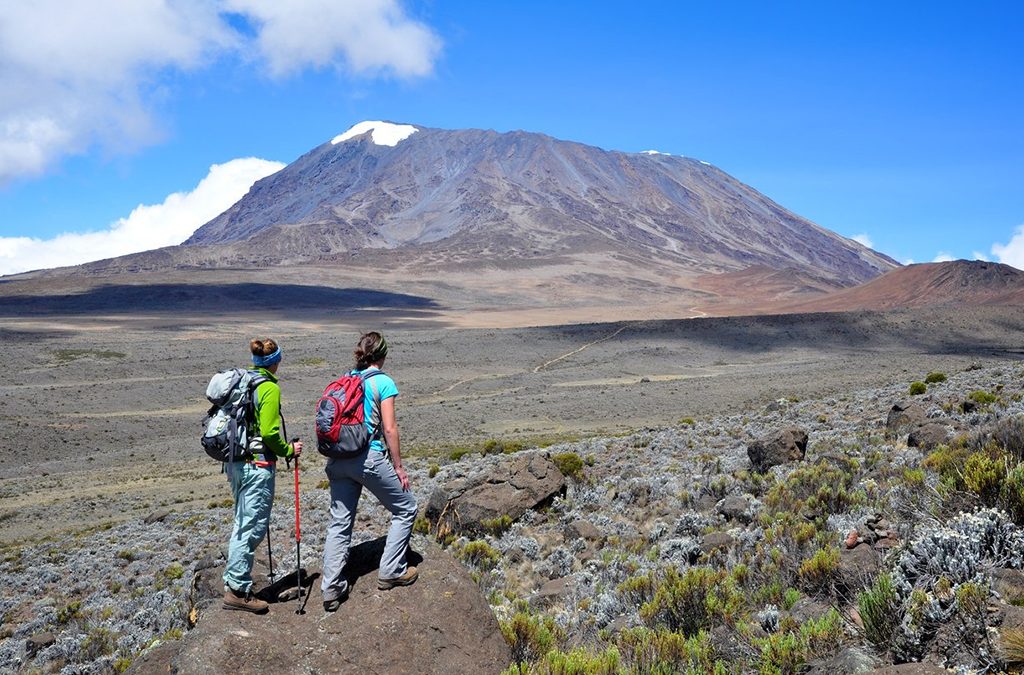
Mount Kilimanjaro rises above the plains of East Africa like a giant, calm and powerful. At 5,895 meters (19,341 ft), it stands as the tallest mountain on the continent. Its slopes carry you through rainforests, heather zones, alpine deserts, and finally into a world of ice and rock. As you move higher, the air grows thin, the landscape grows wider, and the silence becomes deeper. The mountain’s Swahili name means “Mountain of Greatness,” and every step reveals why. Kilimanjaro is a dormant volcano with a glacier-capped summit that floats above the clouds. It does not require technical climbing gear, so many travelers reach the top by walking slowly and steadily—polepole, as locals say. Each day on the trail can last four to eight hours, but the rhythm is gentle, and the journey draws you in. With several routes leading to the summit, you can choose a path based on your comfort, experience, and the type of adventure you want.
Main Routes to the Summit
Machame Route
The Machame Route, also called the “Whiskey Route,” is one of the most popular paths on Kilimanjaro. It offers beautiful scenery and a strong chance of success. Climbers follow a system that lets them walk high during the day and sleep low at night, which helps the body adjust to altitude. This route usually takes six to seven days. Along the way, you pass through lush forests and open ridges with sweeping views of the mountain’s upper slopes. The route uses full camping, so every evening brings the comfort of warm meals and quiet rest beneath the stars.
Lemosho Route
The Lemosho Route is known for its incredible beauty. It offers wide landscapes, open plains, and peaceful trails with fewer crowds. Climbers cross the full length of the Shira Plateau, moving from west to east along a gentle, rolling path. The journey takes seven to ten days, which gives the body more time to adapt to altitude. The long schedule also makes the summit day easier. With many days to explore different zones of the mountain, you gain a deep connection to the terrain and the changing light. Many travelers consider it the best balance of scenery, comfort, and success.
Marangu Route
The Marangu Route, sometimes called the “Coca-Cola Route,” is the oldest and most established trail. It is the only route that offers shared huts instead of tents. The slope is gradual, which attracts many first-time hikers. However, because it takes fewer days—five minimum, though six are better—the slow gain in altitude is limited. This can affect success rates. The scenery is quiet and green, especially in the lower forest, but both the ascent and descent follow the same path, so views do not change as much. Still, travelers who prefer solid roofs over tents often choose this option.
Rongai Route
The Rongai Route approaches the mountain from the north near the Kenyan border. It is one of the easiest routes and begins in true wilderness. The early days bring long, peaceful stretches through open spaces where you may see wildlife or experience quiet sunrises. It later joins the Marangu Route at Kibo Hut. The minimum climb takes six days, though seven days improve the chances of success. While the scenery is less varied than routes on the western side, the solitude attracts many hikers seeking a calm atmosphere. It is also a good choice for those with limited experience.
Umbwe Route
The Umbwe Route is steep and direct. It is known for its challenging ascent, especially in the first two days when the trail climbs sharply through dense forest and narrow ridges. Because the rise is fast, acclimatization can be difficult. Climbers usually need six days, though five days are possible for experienced hikers. The route reaches the summit through the Western Breach or through Barafu Camp. The Western Breach is quieter and offers dramatic scenery, but it is harder and must be approached with caution. After reaching the top, hikers descend using the Mweka Route. This path gives strong hikers a deep sense of accomplishment.
Shira Route
The Shira Route begins high, around 3,500 meters, which can make the first day challenging for those not yet adjusted to altitude. It then follows the southern circuit, joining the Lemosho and Machame routes. Because it starts at a higher point, climbers should be comfortable with thinner air from the beginning. The route takes seven days or more, offering long stretches of open views across the Shira Plateau. Many sections share the same dramatic landscapes seen on the Lemosho Route, but with a more immediate entry into the alpine zone.
How to Choose Your Best Route
Acclimatization
Good acclimatization matters because the air grows thinner with every meter gained. When a route rises slowly, the body adjusts more naturally to the altitude. Trails that allow climbers to walk high during the day and sleep lower at night reduce discomfort and increase safety. Therefore, the Lemosho and Machame routes work well for most hikers because they follow a gentle pattern. Longer itineraries also give the lungs and legs more time to adapt. With each extra day, breathing becomes steadier, rest feels deeper, and energy returns more easily for the next stage of the climb.
Summit Night Difficulty
Summit night often feels like the test that defines the entire trek. Cold air chills the skin, and the world seems quiet under the starlit sky. The path grows steeper, and every breath counts. On the Rongai and Marangu routes, hikers reach the crater rim at a point farther from Uhuru Peak, which adds extra walking at high altitude. This can make the final push slower and more demanding. In contrast, the Lemosho and Machame routes climb toward Stella Point, which sits closer to the summit. This shorter final stretch helps many hikers stay focused and strong during those last important steps to the highest point in Africa.
Crowd Levels
Some travelers enjoy the sound of voices and shared encouragement on the trail. Others prefer long stretches of quiet where only the wind and crunching gravel fill the air. Crowd levels differ greatly between routes, so choosing the right one affects your entire climbing mood. The Rongai Route, located on the northern side, offers peaceful camps, calm forest paths, and wide open scenery with very few hikers. Trails on the south and west, such as Machame and Lemosho, see more climbers, especially during peak months. Even so, the changing views and lively camp atmosphere often make these busier routes feel warm and energetic.
Accommodation
Accommodation plays a major role in how you rest and reset each night. Only the Marangu Route provides hut lodging. These wooden huts give solid shelter, steady sleeping platforms, and roofs that keep out wind and rain. However, they are shared spaces, so the sound of footsteps or soft conversations may travel through the rooms. All other routes use tents set up each day by the crew. Camping lets you sleep under bright stars, feel the cool night air, and wake to the smell of warm breakfast rising from the camp kitchen. Each option has its own charm, and the choice depends on the comfort level you prefer.
Safety
Safety stays at the center of every decision on the mountain. All major routes remain safe when walked with care and guided by trained professionals. Trails are well-marked, and support teams monitor hikers closely, especially during steep or rocky sections. However, one option stands apart. The direct climb through the Arrow Point/Western Breach faces falling rock hazards and unstable terrain. Most operators avoid this path for good reason. Choosing a standard, well-tested route ensures a smoother and safer experience, allowing you to focus on the views, the fresh air, and the steady teamwork that carries everyone higher.
Success Rates
Many climbers dream of standing on Uhuru Peak, and success rates vary by route length and pacing. Longer routes give more time to adapt, which boosts confidence and increases the chance of reaching the top. The Northern Circuit, often walked over nine days, ranks highest in overall success because it moves slowly around the mountain with wide, sweeping views. Lemosho (eight days) and Machame (seven days) also support strong acclimatization. With every extra day, the body grows more comfortable with altitude, the mind relaxes, and the summit feels more achievable.
What else to do Before or After the Climb
Nature and Relaxation
After days spent hiking through shifting climates and colorful landscapes, many travelers crave a gentle, warm place to unwind. Kikuletwa Hot Springs offer clear blue water that flows through small caves and natural channels. Sunlight dances on the surface as soft ripples touch the skin. Palms sway overhead while local birds glide between branches. At Materuni Waterfalls, cool spray rises as water falls from a cliff into a fresh pool. A short forest walk brings you closer to the sound of rushing water and the scent of damp soil.
Farther east, Lake Chala sits inside a volcanic crater with bright turquoise water. Its calm surface reflects cliffs, clouds, and long stretches of sky. Kayaks glide quietly across the lake as hikers explore nearby trails. In the Rau Forest Reserve, tall trees form a peaceful canopy above winding paths. The soft crunch of leaves mixes with the rustle of the forest. Cycling or walking here feels slow and soothing after the long challenge on the mountain.
Cultural Experiences
The regions around Kilimanjaro carry deep traditions, and meeting local communities adds meaning to your journey. A visit to a Maasai cultural village introduces you to rhythmic dances, handmade jewelry, and stories from daily life on the open savannah. Warm greetings, bright clothing, and the sound of drums build a lively and welcoming atmosphere.
On the mountain’s lower slopes, the Chagga people share their own history through guided walks, home visits, and coffee tours. Fresh coffee beans dry in the sun. Guides show how to roast, grind, and brew the beans by hand. Tasting the final cup brings a strong aroma that blends with the cool highland air.
Nearby Moshi town adds yet another layer of experience. Its markets buzz with conversations, the smell of grilled food, and the bright colors of fruit stalls and woven crafts. The streets stay lively and friendly, with vendors ready to share stories as you explore.
Wildlife and Safaris
The regions surrounding Kilimanjaro offer unforgettable moments with wildlife. Arusha National Park brings you close to giraffes, buffalo, and monkeys moving through green forests and open plains. In Mkomazi National Park, wide spaces stretch toward the horizon, and rare species such as wild dogs roam freely. The famous Ngorongoro Crater presents one of Africa’s most stunning natural arenas, where rhinos, buffaloes, elephants, zebras, leopards and lions live inside a vast volcanic bowl filled with grasslands and wetlands.
Bird lovers also find endless joy on the mountain’s slopes and nearby parks. With more than 750 species in the region, every walk becomes a chance to hear new calls or see flashes of color among branches, reeds, or open sky. The mix of wildlife and landscapes turns the post-climb days into an adventure of their own.