
How to Plan Your Gorilla Safari in Rwanda from UAE
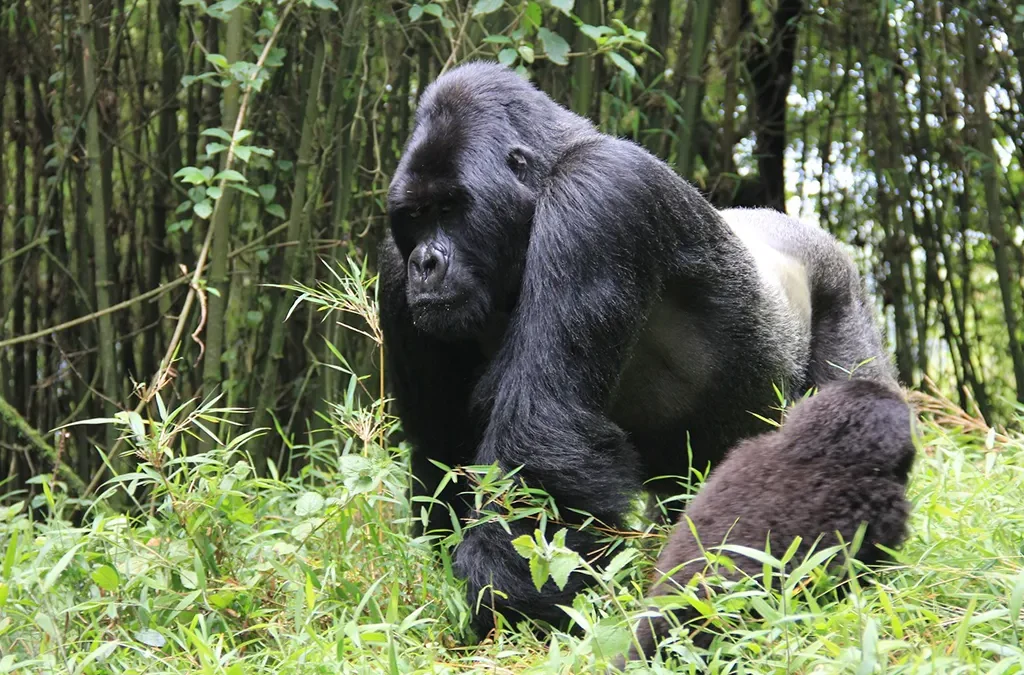
Are you looking for an unforgettable adventure that brings you face-to-face with one of the world’s rarest animals? A Gorilla Safari in Rwanda from the UAE (United Arab Emirates) offers a chance to see endangered mountain gorillas in their natural home. This journey takes you from busy airports to lush rainforests, combining travel comfort with thrilling wildlife experiences. Rwanda’s Volcanoes National Park provides excellent access to gorilla trekking, supported by well-organized tours and conservation efforts.
Traveling from the UAE to Rwanda
First, you will fly from the United Arab Emirates to Rwanda. Most travelers depart from Dubai International Airport (DXB). The main arrival point in Rwanda is Kigali International Airport (KGL), the country’s main airport.
Two airlines offer direct flights from Dubai to Kigali. RwandAir operates daily flights with modern planes like the Airbus A330. These flights typically leave Dubai early in the morning, around 2 AM, from Terminal 2. You can choose Business, Premium Economy, or Economy class seating.
Another good option is Emirates, which also offers nonstop flights. Emirates flights tend to be fast, with several fare and baggage options available. If a direct flight is not available or suitable, you may have connecting flights. These often stop in Addis Ababa, Nairobi, or Doha, which can make your total journey last 8 to 9 hours or longer, depending on the waiting times.
Upon Arrival in Kigali
When you land at Kigali International Airport, a local tour guide usually meets you. From here, you have two choices. You can stay overnight in Kigali city to rest and explore, or you can travel straight to Volcanoes National Park, where the gorilla trek begins. Most travelers choose to spend a night close to the park to prepare for the early start of the trekking.
The Gorilla Trekking Experience
Gorilla trekking in Rwanda is an exciting and rare wildlife experience. It takes place in Volcanoes National Park, part of the Virunga Mountains. Here, you will trek through mountain rainforests to find mountain gorillas living freely in their natural environment.
This park houses twelve families of habituated mountain gorillas. Well-known groups include Susa, Igisha, Karisimbi, and Kwitonda. Each group is made up of a strong silverback male, females, and young gorillas. Park rangers watch these families every day to keep them safe and to guide visitors. Only eight visitors can track each gorilla family per day. This limit means a maximum of 96 visitors daily are allowed, helping protect the gorillas from too much human contact.
Preparing for the Trek
You start early in the morning by meeting at the park office in Kinigi. There, guides explain safety rules, behavior around gorillas, and environmental care. You will also be divided into groups based on your physical fitness and the location of the gorilla family you will visit.
The trekking time varies a lot. Some groups find gorillas in just 30 minutes, while others may take four hours or more. The hike is sometimes difficult, with steep paths and altitudes ranging from 2,500 to 4,000 meters. To help, porters are available. They carry your bags and help you along slippery or muddy trails.
The Trekking Environment
The forest where you trek is a rich and green UNESCO World Heritage Site. Volcanic soil makes it a perfect place for dense bamboo and tall trees. The air is fresh, and the landscape filled with different plants and animals. Walking in this forest is beautiful and peaceful. The nature around is as wonderful as the gorilla encounter itself.
Rangers and expert trackers accompany every group. They ensure your safety and help you find the gorillas. They share useful information about what the gorillas might do and how to watch them quietly and respectfully.
Gorilla Trekking Permits and Conservation
To enter the forest and trek gorillas, you need a permit. Each permit costs $1,500 per person. Because permits are limited, booking them well in advance through Rwanda Development Board or Iconic Africa Safaris is very important. The money from permit sales helps protect the gorillas and supports the park’s anti-poaching teams.
About 10% of the permit fee funds community projects in the nearby areas. These projects include schools, health centers, and road improvements. Some of the money also compensates local farmers who lose crops to gorillas. This support helps people live peacefully with wildlife.
More than Just Gorilla Trekking
Many tours add more to your trip than just the gorilla trek. You can do chimpanzee tracking in Nyungwe Forest National Park or visit local villages to learn about cultural life in Rwanda. Wildlife safaris in Akagera National Park, known for its savannah animals, are also popular.
For those interested in conservation history, the park holds the tomb of Dian Fossey. She was a famous scientist who worked hard to save mountain gorillas. Visiting her tomb requires a tough hike but offers a meaningful experience.
Seasonal Events
Every year in September, Rwanda celebrates the Kwit’Izina ceremony, a gorilla-naming event. This festival marks conservation success and includes exciting tours, cultural shows, and meetings with conservation experts. Planning your trip to coincide with this event can make your safari even more special.