
Where to See Spotted Hyenas in Uganda
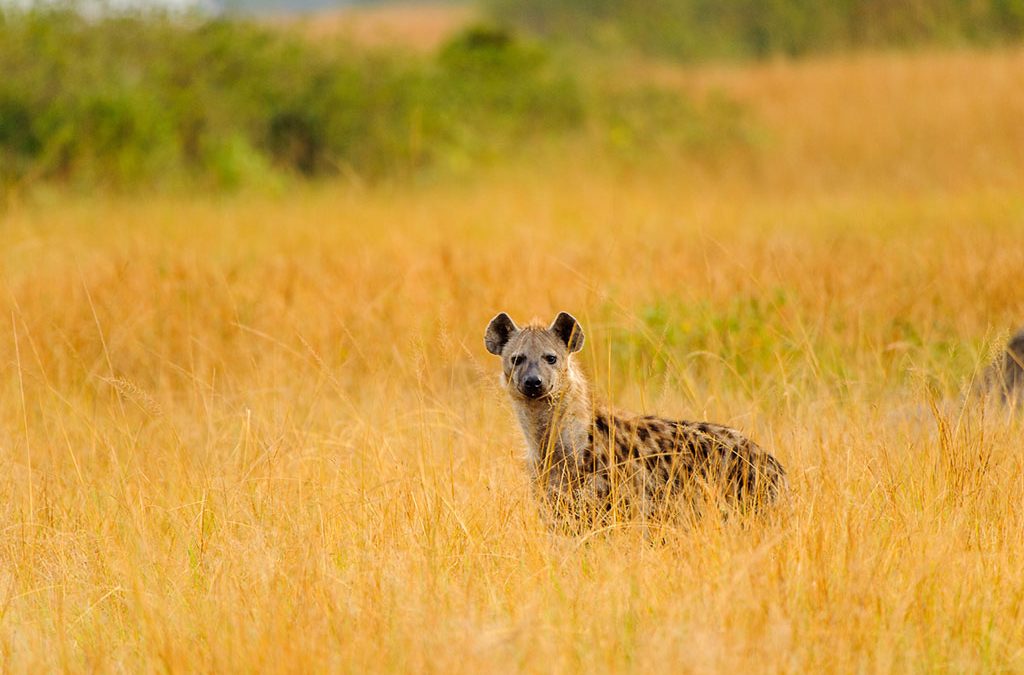
Are you planning a wildlife safari in Uganda and wondering about spotting one of Africa’s most misunderstood predators? The spotted hyena faces a serious reputation problem that most travelers don’t understand. However, this remarkable animal ranks as Uganda’s most successful hunter, displaying incredible intelligence and forming complex social bonds similar to primates. Most visitors can reliably see these fascinating creatures in Queen Elizabeth National Park, though they also live in other Ugandan parks.
About the Spotted Hyena
Physical Features
The Spotted Hyena (Crocuta crocuta) stands as the largest member of the Hyaenidae family. This powerful predator can kill animals as large as wildebeest with remarkable skill. Furthermore, its bulky body features a distinctive sloping back that makes identification easy for safari-goers.
The animal displays a light-brown coat covered with dark-brown spots across its entire body. Additionally, it possesses an exceptionally strong jaw that can crack open bones and slice through the thickest animal hide. This jaw strength helps it access nutrients that other predators cannot reach.
Several features distinguish spotted hyenas from other species. They have a bear-like build with rounded ears and a less prominent mane than other hyenas. Moreover, female spotted hyenas possess unique anatomy that often confuses observers, including a pseudo-penis structure.
Evolutionary Background
Many travelers mistakenly think hyenas relate closely to dogs because of their appearance. In reality, these carnivores share closer evolutionary relationships with mongooses and cats. This connection explains many of their hunting behaviors and social structures that visitors observe during game drives.
Where to Find Spotted Hyenas in Uganda
Primary Locations
Queen Elizabeth National Park offers the best opportunities for spotting spotted hyenas in Uganda. Visitors regularly see these animals during both day and night game drives in this park. The park’s diverse ecosystem provides ideal hunting grounds and supports large hyena populations.
Other parks also host spotted hyenas, though sightings occur less frequently. Murchison Falls National Park contains healthy populations, particularly in its northern sectors. Similarly, Kidepo Valley National Park in northeastern Uganda provides excellent habitat for these predators.
Surprisingly, Mgahinga National Park also supports spotted hyenas despite its montane forest environment. This unusual habitat choice demonstrates the species’ remarkable adaptability to different environments.
Best Viewing Times
Early morning and late evening game drives offer the highest chances of hyena sightings. These animals become most active during cooler parts of the day when they hunt and patrol their territories. Night drives in Queen Elizabeth National Park frequently reward visitors with excellent hyena encounters.
Understanding Hyena Behavior
Social Structure
Spotted hyenas live in matriarchal clans that fascinate wildlife researchers and visitors alike. Stronger, larger females lead these clans with absolute authority. Interestingly, cubs inherit ranks immediately below their mothers, creating a monarchy-like system that governs clan behavior.
Most clans contain around ten animals, though some groups can grow much larger depending on prey availability. These complex social structures require remarkable intelligence to maintain, contradicting popular myths about hyena stupidity.
Communication Methods
Hyenas use various sounds to communicate with clan members during hunts and social interactions. Their famous “whoop” serves multiple purposes, including recruiting backup during fights with lions and advertising male fitness to potential mates.
The misunderstood “laugh” or giggle unique to spotted hyenas actually signals stress or submission rather than happiness. Lower-ranking animals produce this sound when feeling upset or threatened by dominant clan members.
Habitat and Distribution
Preferred Environments
Spotted hyenas adapt to remarkably diverse habitats across Uganda and Africa. They thrive in savanna grasslands, deserts, swamplands, woodlands, and even montane forests up to 4,000 meters elevation. However, they struggle in dense, uninterrupted rainforest environments.
These adaptable predators perform exceptionally well in forest-savanna combinations and tropical forests containing open clearings. They also survive in arid regions where water sources remain scarce for extended periods.
Water Requirements
Hyenas demonstrate remarkable water efficiency that surprises many visitors. In dry regions, they obtain most moisture from prey bodies rather than drinking water directly. Even nursing mothers can survive over one week without drinking water, showcasing their desert adaptations.
The highest population densities occur in prey-rich areas like Queen Elizabeth National Park’s savanna plains. These locations often support more than one hyena per square kilometer, creating excellent viewing opportunities for tourists.
Debunking Common Myths
Intelligence Reality
Contrary to popular culture portrayals like The Lion King, spotted hyenas possess remarkable intelligence. They maintain complex social relationships that rival those found in primate societies. Managing large clan structures requires sophisticated cognitive abilities that few carnivores demonstrate.
These apex predators play crucial ecological roles by controlling prey populations and preventing disease spread. They consume entire carcasses, including bones, which helps maintain ecosystem balance that benefits other wildlife species.
Hunting Versus Scavenging
Many travelers believe hyenas only scavenge kills made by other predators. Research proves this assumption completely wrong. Spotted hyenas make their own kills 53 percent of the time when sharing carcasses with lions, according to scientific studies.
These skilled hunters can take down buffalo and young elephants, either alone or in coordinated group attacks. Their hunting flexibility gives them significant advantages over competitors like lions and leopards.
Nevertheless, hyenas readily scavenge available food sources when opportunities arise, just like any practical carnivore would do.
Physical Capabilities
Hyenas possess remarkable endurance that enables long-distance hunting expeditions. They can walk an average of 15 miles per night while searching for prey across their territories.
Their body design maximizes energy efficiency through stubby hind legs that support easy ground coverage. Large lungs, strong hearts, and wide nostrils facilitate excellent oxygen exchange during extended hunts.
Scent Characteristics
Contrary to local beliefs, hyenas don’t naturally smell bad. They produce a substance called “hyena butter” from anal glands for territory marking. This paste resembles mulch in scent and serves important communication functions within clans.
Safari Tips for Hyena Watching
Choose reputable tour operators familiar with hyena behavior patterns for optimal viewing experiences. Morning and evening game drives provide the highest success rates for memorable encounters.
Bring binoculars and cameras with good zoom capabilities, as hyenas often maintain distance from safari vehicles. Patient observation rewards visitors with fascinating insights into complex social behaviors and hunting strategies.
Consider staying in lodges near Queen Elizabeth National Park for multiple viewing opportunities during your Uganda safari adventure.