
How Are Gorilla Families Assigned in Bwindi?
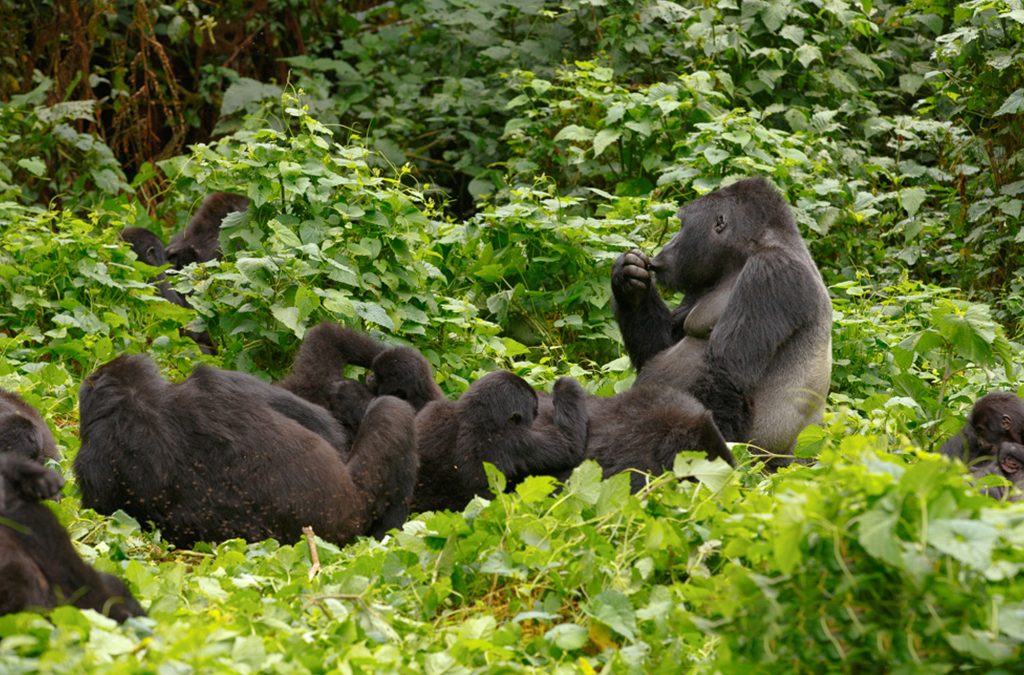
How Gorilla Families Are Assigned to Tourists in Bwindi
In Bwindi Impenetrable National Park, the process of assigning gorilla families to tourists for trekking follows a carefully managed approach. Park rangers and guides play a central role in allocating gorilla groups to visitor parties. Each morning, trackers first locate the habituated gorilla families in the park. Then, based on several key factors, they assign tourists to specific groups for the day.
Typically, tourists are arranged in groups of up to eight people to ensure a manageable size for the trekking experience. The rangers and guides consider the tourists’ physical fitness, age, preferences, and the area of the park they wish to explore. The park is divided into four trekking sectors: Rushaga, Buhoma, Ruhija, and Nkuringo. Tourists can express their preferred sector, but actual assignments depend on gorilla availability and tracking success that day. It is important to note that children under 15 years old cannot participate due to Uganda Wildlife Authority health and safety regulations.
Bwindi’s mountain gorillas
Bwindi’s mountain gorillas live in several habituated families, each moving within clearly defined territorial ranges. These groups bear distinct names and are well known to researchers and trackers, who maintain full records detailing their members. Each family consists of a dominant silverback, adult females, juveniles, and infants. Since gorillas roam daily in search of food and resting spots, trackers must locate them fresh each morning. This daily tracking greatly influences which gorilla families can host visitors on any given day.
The assignment process also takes into account the habitat and terrain characteristics of each family’s range. Some gorilla groups occupy more accessible forest zones with gentle terrain, while others live in higher altitude areas or regions with steep and challenging trails. Consequently, the rangers match tourists to families based upon their physical ability to complete the trek safely. This approach enhances both visitor safety and the chance of a rewarding experience while minimizing disturbance to the gorillas.
In addition, tourists’ sector preferences are considered during allocation. Yet, family availability and successful location by trackers on the trekking day can sometimes limit sector choices. Overall, the park’s system balances the desire of tourists for a memorable wildlife encounter with the need to protect the gorillas and their fragile environment. Once the trackers identify and confirm a group’s location, permit holders are assigned to that family. Trained guides then lead visitors through a one-hour observation session, ensuring close but non-invasive viewing of the gorillas in their natural habitat.
The Gorilla Trekking Experience in Bwindi Impenetrable National Park
Gorilla trekking adventures in Bwindi begin early each morning at the park’s headquarters. Experienced park guides and rangers conduct a thorough briefing to prepare trekkers for the day ahead. Visitors are assigned to one of more than 18 habituated gorilla families dispersed across the four official trekking sectors: Buhoma, Ruhija, Rushaga, and Nkuringo.
The duration of each trek can vary significantly. Sometimes the gorillas are found nearby, and trekkers spend only about 30 minutes hiking. At other times, locating the groups requires longer hikes—up to eight hours—through dense forest and rugged terrain. Regardless of the trek length, guests always receive accompaniment from armed rangers and local porters. These team members ensure visitor safety and assist with carrying equipment, especially on steep or muddy sections of the trails.
Once the gorillas are located, visitors enjoy up to one hour observing them. During this time, they witness fascinating social behaviors and interactions in an untouched environment. The experience allows for a unique connection with these endangered mountain gorillas that few other wildlife encounters can match.
Unique Features of Bwindi Gorilla Trekking
Bwindi offers several special qualities that distinguish its gorilla trekking experience from other parks:
- More Habituated Groups: Bwindi has more habituated gorilla families available for visitor encounters than any other protected area. This increases the likelihood of successful treks and diverse viewing opportunities.
- Habituation Experience in Rushaga: The Rushaga sector provides visitors a rare chance to spend extended time with gorillas (4 Hours) during their habituation process. This immersive exposure lets tourists gain a deeper understanding of gorilla social dynamics as the animals grow accustomed to human presence.
- Local Cultural and Hiking Opportunities: Beyond gorilla tourism, visitors can explore nearby communities to experience authentic local culture. The park also offers scenic hiking trails through its varied forest landscapes, allowing guests to extend their adventure beyond gorilla trekking alone.
Best Times to Visit Bwindi
Bwindi’s rainforest climate allows for year-round gorilla trekking. However, certain seasons are more favorable for easier and more enjoyable treks:
The dry months from December to February and June to August represent the best periods. These months present drier trails and more comfortable trekking conditions.
In contrast, the rainy seasons tend to produce muddy paths and dense vegetation, making hiking more difficult. Despite these challenges, low visitor numbers and sometimes discounted accommodation prices during rainy times can appeal to some travelers.
Visitors should always prepare for occasional rain due to the park’s rainforest environment, no matter the season.
Permit Costs and Logistics
Booking a gorilla trekking permit in Bwindi currently costs around $800 per person. This price is lower than the permit fees charged in Rwanda but higher than those in the Democratic Republic of Congo. The ticket grants access solely for the gorilla trekking experience and can be booked 3 – 4 months in advance through Uganda Wildlife Authority or Iconic Africa Safaris. It does not cover additional expenses such as accommodation, transportation, visa fees, or food.
Travelers generally reach Bwindi by road from Uganda’s capital, Kampala. This route takes approximately eight hours by car. Alternatively, visitors can opt for flights to nearby airstrips, which significantly reduce travel time. Both options are common depending on travelers’ schedules and budgets.