
3-Day Bwindi Gorilla Safari: Ultimate Uganda Gorilla Trekking
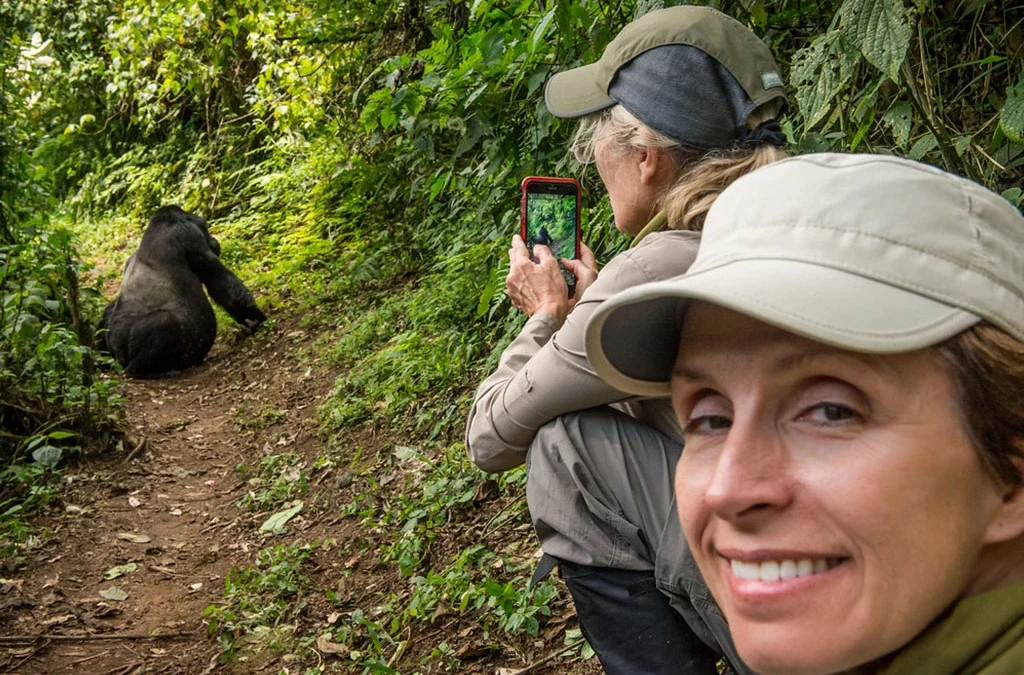
3-Day Bwindi Gorilla Safari: Uganda Gorilla Trekking Itinerary & Cost
A 3-Day Bwindi Gorilla Safari is one of the most focused ways to experience Uganda’s mountain gorillas without committing to a long wildlife itinerary. The safari combines travel through southwestern Uganda, two nights near Bwindi Impenetrable National Park, and a full gorilla trekking experience led by trained park rangers. For travelers with limited time, this itinerary keeps the main purpose clear: reach Bwindi, trek into the ancient rainforest, spend time with a habituated gorilla family, and return after an unforgettable encounter. The journey can start from Entebbe or Kampala, while travelers coming through Rwanda can also arrange a 3-day Bwindi gorilla safari from Kigali. Iconic Africa Safaris organizes private Uganda gorilla safaris around the traveler’s preferred accommodation level, starting point, trekking sector and overall travel style. The itinerary can be arranged for couples, families with eligible travelers, friends, solo travelers and small private groups.
3-Day Bwindi Gorilla Safari at a Glance
| Safari detail | Information |
|---|---|
| Duration | 3 Days / 2 Nights |
| Starting price | From $1,450 per person (Iconic Africa Safaris) |
| Main destination | Bwindi Impenetrable National Park |
| Main activity | Mountain gorilla trekking |
| Starting points | Entebbe, Kampala or Kigali |
| Accommodation | Budget, mid-range or luxury |
| Transport | Private 4×4 safari vehicle |
| Trekking sectors | Buhoma, Ruhija, Rushaga and Nkuringo |
| Best months | June–October and December–February (trekking runs year-round) |
| Accessibility | Sedan chairs available for the elderly, disabled, pregnant or otherwise less-mobile trekkers |
The itinerary is deliberately uncomplicated: day one gets you to Bwindi, day two is the trek itself, and day three brings you back toward your onward destination. Exact drive times shift depending on your starting point and which of Bwindi’s four sectors your gorilla permit lands you in, since the park spans a wide stretch of southwestern Uganda.
Why Choose a 3-Day Bwindi Gorilla Safari?
A three-day trip suits travelers who want gorillas without shuffling between multiple parks. Instead of spreading your time and budget thin, you concentrate everything on Bwindi and its surrounding communities. It also slots neatly into a wider East Africa trip, letting Rwanda-based travelers cross the border for a trek before returning to Kigali, or Entebbe arrivals continue on to another Ugandan destination afterward.
Travelers wanting gorillas plus classic savanna wildlife should look further than three days. A longer trip, such as a 5-Day Bwindi and Queen Elizabeth safari, adds proper time for game drives and a Kazinga Channel boat cruise alongside the gorilla trek, rather than squeezing both into a rushed schedule.
3-Day Bwindi Gorilla Safari Itinerary
Day 1: Entebbe or Kampala to Bwindi Impenetrable National Park
Your safari begins with an early departure from Entebbe or Kampala, driving southwest with your driver-guide through Uganda’s changing scenery — cultivated hills, trading centers and rural villages give way to the misty, mountainous terrain around Bwindi. There may be short stops along the way for lunch, photos or a stretch. On arrival, you check into your lodge near the trailhead matched to your gorilla permit and are briefed on the next morning’s trekking arrangements.
Overnight: Bwindi area ·
Meals: Lunch and dinner ·
Transport: Private 4×4 safari vehicle
Day 2: Gorilla Trekking in Bwindi Impenetrable National Park
This is the heart of your safari. After breakfast, you head to park headquarters for registration, where rangers brief you on forest safety, gorilla behavior and trekking etiquette before allocating your group to a habituated family. Walking time depends entirely on where the gorillas are that day — trails can be steep, muddy or gentle. Once you find the family, you get an unforgettable hour watching them feed, play and rest before heading back.
Your ranger narrates the gorillas’ social structure and behavior throughout the encounter, and travelers who prefer not to walk the full distance can arrange a sedan chair, carried by a team of trained local porters. This makes the trek genuinely accessible for guests who cannot hike unassisted — including elderly travelers, people with disabilities, pregnant women, or anyone with a special mobility need. Once you’re back at the trailhead, the afternoon is yours to relax at the lodge or add one of the optional experiences below.
Optional Afternoon Activity: Batwa Cultural Experience

Batwa People Near Bwindi
Your exploration of Bwindi extends beyond its natural wonders, offering a window into the lives of the indigenous communities that call this forest home. Embark on a guided cultural trail with the Batwa Pygmies, who share their ancestral traditions, dances, and stories with you. This intimate interaction offers insights into their unique way of life, their deep connection with the forest, and their enduring cultural heritage. It’s a humbling experience that highlights the intricate relationship between humanity and the natural world.
Optional Afternoon Activity: Craft Shopping for Souvenirs

Villages around Buhoma, Ruhija, Rushaga and Nkuringo run small craft markets and cooperative shops selling handwoven baskets, wood carvings, banana-fiber jewelry and gorilla-themed textiles made by local artisans. A short walk or drive lets you browse and buy directly from the makers. Choosing handmade crafts over generic souvenirs channels your money straight into the local economy, gives you a genuinely one-of-a-kind keepsake, and supports the same communities that help protect the gorillas’ habitat.
Overnight: Bwindi area ·
Meals: Breakfast, lunch and dinner ·
Main activity: Gorilla trekking, with optional Batwa Cultural Experience or craft shopping
Day 3: Bwindi to Entebbe, Kampala or Kigali
After breakfast, you begin the journey home. Travelers returning to central Uganda continue by road toward Entebbe or Kampala, while those finishing in Rwanda head for the border and on to Kigali. Because the drive from Bwindi is substantial, travelers with same-evening flights should plan carefully — an extra night or a domestic flight connection can make the final day far less stressful.
Meals: Breakfast and lunch · Destination: Entebbe, Kampala or Kigali
Gorilla Trekking in Bwindi: What Should You Expect?
Bwindi gorilla trekking is a guided forest walk, not a vehicle-based game drive, and it takes you directly into the gorillas’ natural habitat. The forest stays wet much of the year, so trails can be slippery, rooted and steep in places. Walking distance depends entirely on where the assigned family is ranging that day — some groups sit close to the trailhead, others require hours of climbing, so come prepared for a physically demanding day regardless of your general fitness level.
The Four Bwindi Gorilla Trekking Sectors, Compared
Bwindi’s four sectors differ far more than their names suggest — terrain, drive times, permit numbers and lodge choice all shift depending on which one your permit lands you in. Matching your lodge to your confirmed sector avoids long, unnecessary transfers on trekking morning, so Iconic Africa Safaris always books accommodation only once your permit sector is confirmed.
- Buhoma: Gentlest terrain in Bwindi at lower altitude, with well-developed trails. About 8–9 hours by road from Entebbe and 7–8 hours from Kigali via Kabale. Around 48 permits daily across 6 families. Widest lodge choice, spanning budget, mid-range and luxury. Best for first-timers, seniors, families and easier trekking.
- Ruhija: Steep, high-altitude terrain up to 2,700m, with thinner air and a cooler climate. Roughly 8–9 hours from Entebbe, but only 3–4 hours from Kigali via Kabale. About 32 permits daily across 4 families. Mostly budget and mid-range lodges, with very few luxury options. Best for birders and travelers wanting quieter, less-crowded trails.
- Rushaga: Rolling hills of moderate difficulty, and Bwindi’s largest sector by gorilla family count. About 8–10 hours from Entebbe, and just 3–4 hours from Kigali via the Cyanika border — the shortest of any sector. Around 72 permits daily across 9 families. Strong lodge choice across all three categories, especially luxury. Best for Rwanda-based travelers, the gorilla habituation experience, and luxury seekers.
- Nkuringo: The steepest, most physically demanding sector, with dramatic ridge-top scenery and Virunga volcano views. Roughly 9–10 hours from Entebbe and 5–6 hours from Kigali via Cyanika. Only about 24 permits daily across 3 families. Budget and mid-range lodges, plus one standout luxury property. Best for experienced hikers wanting fewer crowds and bigger views.
Buhoma (North)
Uganda’s original gorilla trekking hub, with the longest tourism history, the gentlest trails of the four sectors, and easy access to forest walks and community visits.
- Budget: Buhoma Community Rest Camp
- Mid-range: Engagi Lodge, Buhoma Lodge
- Luxury: Sanctuary Gorilla Forest Camp
Ruhija (East)
Bwindi’s highest and steepest sector, rewarding for birders and travelers wanting a quieter, less-visited trekking experience, though lodge choice here is more limited than elsewhere.
- Budget: Ruhija Gorilla Friends Resort
- Mid-range: Bakiga Lodge
- Luxury: Kiho Gorilla Lodge
Rushaga (South)
Bwindi’s largest sector by permit count, home to the most habituated families and the park’s only gorilla habituation experience, with the shortest drive from Kigali of any sector.
- Budget: Rushaga Gorilla Camp
- Mid-range: Nshongi Camp, Ichumbi Gorilla Lodge
- Luxury: Gorilla Safari Lodge
Nkuringo (South)
Dramatic ridge-top scenery with views toward the Virunga volcanoes, but the toughest and steepest trails of the four sectors, and fewer permits available each day.
- Budget: Nkuringo Gorilla Camp
- Mid-range: Nkuringo Bwindi Gorilla Lodge
- Luxury: Clouds Mountain Gorilla Lodge
How Much Does a 3-Day Bwindi Gorilla Safari Cost?
With Iconic Africa Safaris, a 3-day Bwindi gorilla safari starts from $1,480 per person, based on two people sharing a comfortable budget lodge. The final figure moves with your accommodation category, group size, season and starting point, since permits, transport and lodging are priced independently of one another rather than bundled into one flat rate. Solo travelers typically pay more per person because vehicle and guide costs aren’t shared.
What Determines the Price?
- Gorilla trekking permit (standard or discounted low-season rate)
- Private 4×4 vehicle and professional driver-guide
- Two nights of accommodation at your chosen category
- Meals specified in the itinerary, plus drinking water on transfers
- Park fees, community contributions, and airport or border transfers where included
A proper quotation always spells out exactly what’s covered rather than quoting a bare, unexplained headline price.
Uganda Gorilla Permit Cost: Standard vs. Discounted
The gorilla permit is issued exclusively by the Uganda Wildlife Authority (UWA) and is the single biggest fixed cost in your safari. UWA now offers a discounted low-season rate during April, May and November to encourage travel in Bwindi’s quieter, greener months; these discounted permits must be paid in full at booking and cannot be rescheduled once confirmed.
| Visitor category | Standard permit (peak months) | Discounted permit (Apr, May, Nov) |
|---|---|---|
| Foreign non-resident | $800 | $600 |
| Foreign resident | $700 | $500 |
| Rest of Africa | $500 | Not Applicable |
| East African citizen | UGX 300,000 | Not Applicable |
| Gorilla Habituation Experience (FNR) | $1,500 | Not Applicable |
Iconic Africa Safaris confirms the applicable rate and secures your permit before finalizing your quotation, since availability governs which sector and gorilla family you’re assigned. Booking early — ideally 6 to 10 months ahead for peak dates — is strongly recommended given only around 160 permits are issued daily across Bwindi and Mgahinga combined.
Is Three Days Enough for Gorilla Trekking in Uganda?
Yes — three days works well when gorilla trekking is your main purpose for visiting Uganda. You get one day to reach Bwindi, one full trekking day, and one day to return, with no wasted time on extra activities that could strain a tight schedule. The trade-off is that three days leaves little room for delays, so travelers wanting chimpanzee trekking, game drives or multiple parks should plan a longer itinerary instead.
3-Day Bwindi Gorilla Safari From Kigali
Kigali is a genuinely practical gateway to Bwindi, sitting considerably closer to the park than Entebbe does. The route runs from Kigali to the Uganda–Rwanda border and on into southwestern Uganda, with the exact crossing depending on your trekking sector. Travelers should double-check their travel documents meet cross-border requirements. A typical structure: Day 1 Kigali–Bwindi, Day 2 gorilla trekking, Day 3 Bwindi–Kigali, with an extra night recommended for a more relaxed pace.
3-Day Bwindi Gorilla Safari From Entebbe or Kampala
Starting from Entebbe or Kampala means a long first-day drive southwest, so an early departure matters. The route passes through Uganda’s countryside and can include a brief Equator photo stop from Kampala if timing allows. Because the return drive on Day 3 is substantial, travelers with same-day international flights should build in extra buffer time, or consider adding a fourth night to avoid rushing straight from the forest to the airport.
Best Time for a 3-Day Bwindi Gorilla Safari
Gorilla trekking runs year-round in Bwindi, so there’s no month when the activity simply stops. Most travelers favor June to October and December to February, the driest stretches when forest trails are firmer and easier underfoot. The wetter months bring muddier trails but also lush, dramatic scenery and the chance of discounted permits in April, May and November.
| Months | Weather | Trekking Notes |
|---|---|---|
| June – August | Dry, cool mornings, sunny afternoons | Firm trails; peak season, book permits early |
| September – October | Dry, warm | Excellent visibility; busy with international visitors |
| November | Short rains begin | Discounted permit month; trails start softening |
| December – February | Dry, warm | Second peak season; clear skies, popular with holiday travelers |
| March | Rain increases | Fewer crowds; muddier, quieter trails |
| April – May | Heavy rains | Discounted permits; lush forest, slippery terrain |
What to Pack for Bwindi Gorilla Trekking
Pack for a wet, forested mountain hike rather than a typical savanna safari. Essentials include waterproof hiking boots, long trousers, a long-sleeved shirt, a lightweight rain jacket, a warm layer for cool mornings, gardening or hiking gloves, a daypack, water bottle, insect repellent, sunscreen, a hat, camera with spare batteries, personal medication and waterproof bags for electronics. Leave heavy luggage at the lodge — you only need the essentials in the forest.
How Difficult Is Bwindi Gorilla Trekking, and Who Can Go?
Difficulty varies daily depending on where the assigned gorilla family is ranging — some treks are short and gentle, others involve hours of steep, slippery climbing. Age or physical limitation isn’t necessarily a barrier; fitness, mobility and personal comfort matter far more. Travelers with mobility concerns should flag this while booking so Iconic Africa Safaris can arrange a sedan chair, giving guests who are elderly, disabled, pregnant, recovering from illness or otherwise unable to hike unassisted a genuinely comfortable, dignified way to reach the gorillas.
Gorilla Trekking Age Limit in Uganda
The minimum age for standard gorilla trekking in Uganda is 15 years. Families traveling with younger children should plan alternative activities for those who don’t meet the requirement — one reason a private itinerary works well, since it can be built around eligible trekkers while younger family members enjoy community visits, nature walks or lodge activities instead of being left out entirely.
What Happens During the Gorilla Trek?
Your day starts with breakfast before an early transfer to the briefing point, where rangers explain the rules and assign gorilla groups for the day. The trek itself follows forest trails of varying difficulty until your group locates the gorillas. From there, you spend an hour observing feeding, playing and resting behavior under ranger guidance, before making the return journey — which, for those who need it, can also be done partly by sedan chair.
Gorilla Trekking Rules You Should Know
Mountain gorillas are highly susceptible to human illness, so tourism is tightly managed to protect both visitors and the animals.
- Follow ranger instructions at all times
- Keep the required distance from gorillas
- Never touch the gorillas
- Avoid flash photography and loud noise
- Don’t eat near the gorillas or trek while ill
- Take all rubbish out of the forest with you
Where Do You Stay During a 3-Day Bwindi Gorilla Safari?
Accommodation is booked only after your gorilla permit sector is confirmed, avoiding the common mistake of reserving a lodge on one side of Bwindi and receiving a permit for the opposite sector. Iconic Africa Safaris works with properties across Buhoma, Ruhija, Rushaga and Nkuringo, spanning three broad categories:
- Budget: simple, comfortable lodges ideal for travelers prioritizing the permit and experience over luxury extras
- Mid-range: a balance of comfort, location and value, the most popular choice among private travelers
- Luxury: premium lodges with elevated dining, service and forest or valley views
What Is Included and What Isn’t?
A typical Iconic Africa Safaris package includes the gorilla permit, two nights’ accommodation, meals per itinerary, private 4×4 transport, driver-guide, fuel, drinking water, park fees and return transfers. Excluded costs generally include international flights, visa fees, travel insurance, alcoholic drinks, laundry, tips, optional activities and personal purchases. Always check your quotation carefully, since inclusions can vary between packages and accommodation tiers.
Why Book With Iconic Africa Safaris?
A gorilla safari needs its permit date, trekking sector, accommodation and transport route to line up correctly, and getting that wrong easily adds hours of unnecessary driving. Iconic Africa Safaris coordinates all of it — permit booking, sector-matched lodging, private transport and border logistics for Rwanda crossings — around your travel dates and comfort level, whether you’re traveling as a couple, solo, with friends or as a family.
Our driver-guides are the trip managers guests trust most — trained professionals, some former park rangers, all skilled interpreters of wildlife and culture. They stay with travellers from the first airport pickup to the final wave-off, keeping each day running smoothly and safely.
3-Day Bwindi Gorilla Safari for Couples, Solo Travelers and Families
Bwindi suits couples well, offering a private, unhurried pace with the option to extend toward Lake Bunyonyi or a community visit if time allows. Solo travelers can still book privately, though a longer itinerary often gives better per-person value since vehicle and guide costs aren’t shared. Families should plan around the 15-year age limit early, arranging alternative activities for younger children while eligible members join the trek itself.
Can You Add Lake Bunyonyi or Queen Elizabeth National Park?
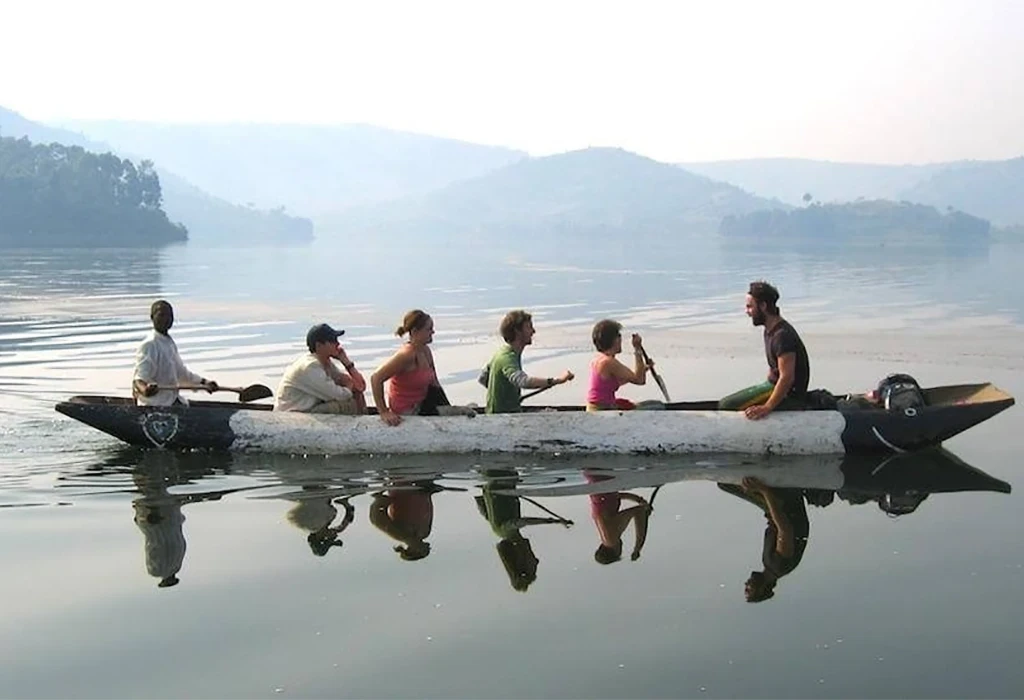
Travelers Canoeing at Lake Bunyonyi
Yes to both, though a strict three-day gorilla itinerary leaves little room for either. Lake Bunyonyi fits more comfortably onto a four-day trip, while combining gorillas with Queen Elizabeth’s game drives and Kazinga Channel boat cruise really needs five days or more. For travelers wanting both gorillas and classic savanna wildlife in one trip, a 5-Day Bwindi Gorilla & Queen Elizabeth Safari is the natural next step up from this itinerary.

Afternoon Game Drive at Queen Elizabeth National Park
Frequently Asked Questions
How much does a 3-day Bwindi gorilla safari cost?
With Iconic Africa Safaris, prices start from $1,450 per person, varying with permit season, accommodation category, group size and starting point.
Is three days enough for a Uganda gorilla safari?
Yes, when gorilla trekking is your main goal — one day to Bwindi, one trekking day, one day back. Longer trips suit travelers wanting more wildlife or primate activities.
What is the current gorilla permit cost in Uganda?
The standard foreign non-resident permit is $800, dropping to a discounted $600 during April, May and November low-season dates, which must be paid in full and can’t be rescheduled.
Can I do this safari from Kigali, Entebbe or Kampala?
Yes to all three. Kigali is closest to Bwindi, while Entebbe and Kampala require a longer first-day drive, so early departures and careful flight timing matter.
What is the minimum age for gorilla trekking? 15 years, with no exceptions under UWA rules.
Are sedan chairs available for those who can’t hike? Yes — Iconic Africa Safaris can arrange a porter-carried sedan chair for anyone unable to trek unassisted, including elderly travelers, people with disabilities, pregnant women, or those recovering from illness or injury.
Which Bwindi sector should I choose? It depends on permit availability and your route — Buhoma, Ruhija, Rushaga and Nkuringo each have their own lodges and trail character, so Iconic Africa Safaris matches your lodge to your confirmed sector.
When is the best time to go? June to October and December to February are driest and most popular, though trekking runs year-round, and April, May and November offer discounted permits.
How to Book Your 3-Day Bwindi Gorilla Safari
Iconic Africa Safaris offers three simple, reliable ways to secure your next unforgettable Ugandan adventure today. Simply complete our quick online booking form to start planning your dream safari experience right away. Our friendly team also welcomes direct emails at info@iconicafricasafaris.com to discuss your specific travel plans and preferences. For instant assistance, tap the green WhatsApp icon in your screen’s bottom right corner anytime.