
Why Stay at Angama Mara in Masai Mara Reserve
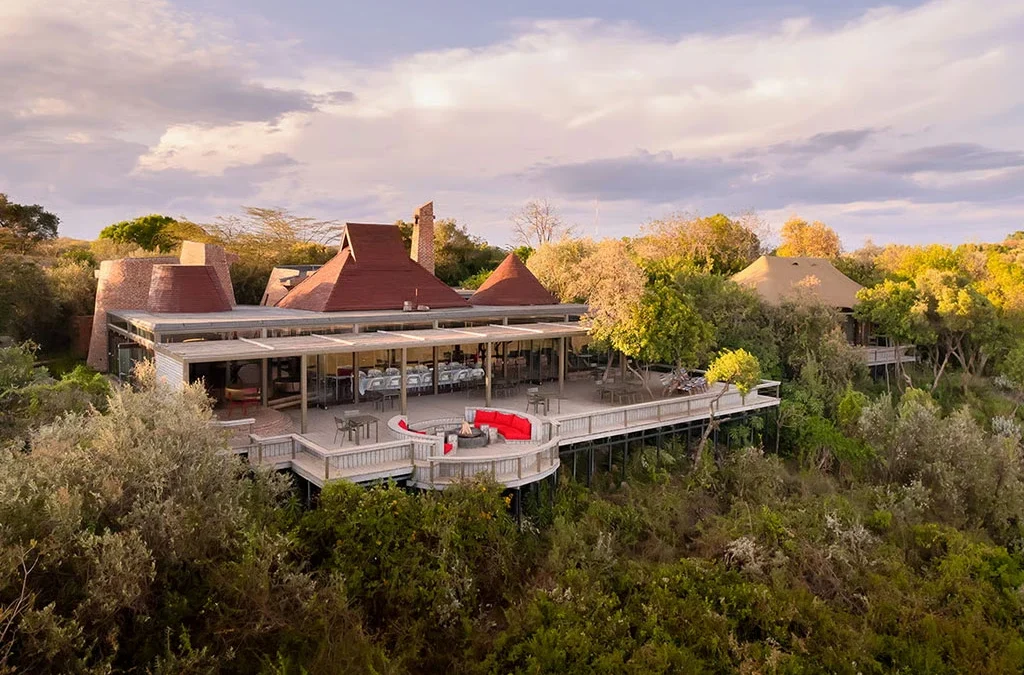
Are you planning a luxury or high-end safari and wondering where to stay in the Masai Mara? Angama Mara is a top choice for travelers who want dramatic views, top-tier service, and a real sense of place. The lodge sits high above the Great Rift Valley, so you wake to sweeping mornings of open plains and roaming wildlife. Two intimate camps keep the vibe calm and personal, while private air access, tailored safari days and thoughtful design make for a seamless, special stay.
What Makes Angama Mara So Special?
Angama works because the details all line up. Guests get a private airfield, easy access to the Maasai Mara National Reserve. Staff greet every arrival with the kind of warmth Kenya is known for, and the lodge keeps things small on purpose. With only fifteen suites per camp, you get space, quiet, and a view that stretches across the savannah without another building in sight.
What Amenities Will You Find at the Lodge?
The lodge covers the basics and then goes further. You get free high-speed WiFi throughout the property, a fitness center for keeping up your workout routine, and a pool with sweeping views over the valley. Breakfast comes included each morning, and several dining spots let you eat indoors, outdoors, or in your own room.
A few amenities worth knowing about include:
- Food and drink: A bar and lounge, a restaurant, an outdoor dining area, and a snack bar. Special diet menus, kids’ meals, and complimentary tea, coffee, and a welcome drink all come standard. Wine and champagne are also available for guests who want to mark the occasion.
- Family and children’s services: Babysitting, books and DVDs for kids, and activities built for families traveling together. Parents get a break while children stay entertained.
- Wellness extras: Full body massage, manicures, pedicures, and a spa locker room sit right on site, so you never need to leave the lodge to relax.
- Practical services: Free airport transportation, a free shuttle, 24-hour security, baggage storage, concierge support, dry cleaning, laundry, and ironing services all come included. Butler service rounds out the experience for guests who want extra attention.
Beyond these, you also get a gift shop, a sun deck with loungers, an outdoor fireplace, and private check-in and check-out. Conference facilities exist too, for travelers mixing business with their trip.
What Can You Do to Relax and Unwind?
Safari days fill up fast, but Angama leaves room to slow down. Beyond exploring the Mara Triangle on game drives and picnics, you can spend time right at the lodge, watching wildlife move across the plains from your private deck or simply resting while clouds drift overhead. Some guests use the gym or pool to stay active, while others choose to do nothing at all, and either choice fits the rhythm of the place.
What Room Types Are Available?
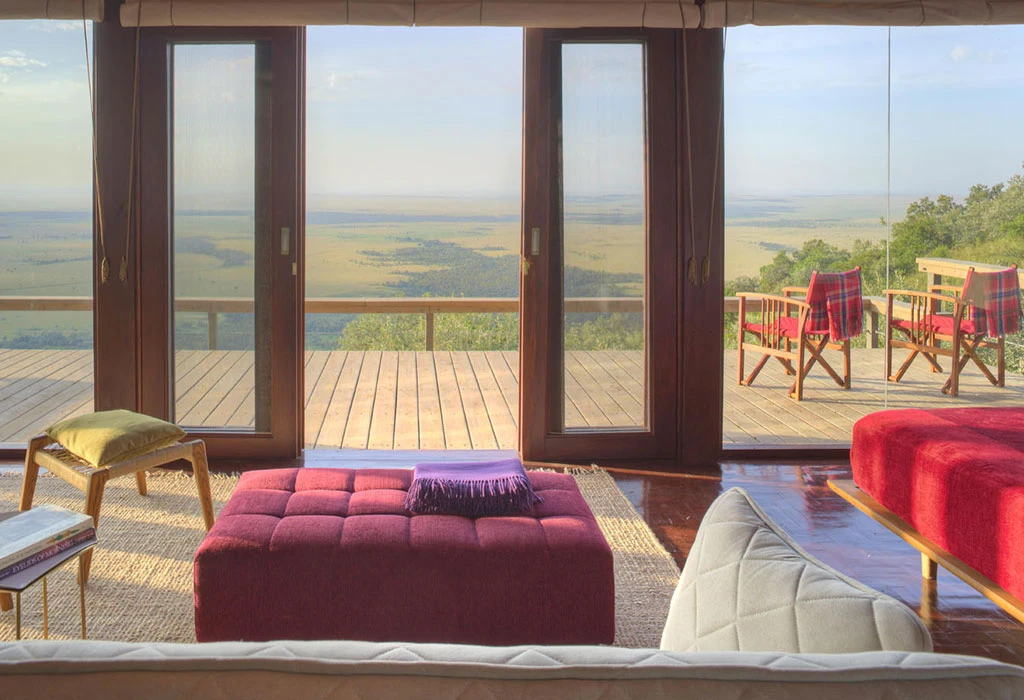
Three main room types exist, depending on your group size. Landmark view rooms offer some of the best vantage points in the camp, while suites give couples or solo travelers more space and privacy. Family rooms, on the other hand, work well for groups, with layouts designed to keep everyone close without sacrificing comfort.
What Features Come With Each Room?
Every room includes a long list of comforts. Bathrobes, a writing desk, a dining area, and daily housekeeping all come standard, and interconnected rooms are available for families who want adjoining spaces. A coffee and tea maker sits in each room, alongside extra-long beds and a walk-in shower for added comfort.
Other features include:
- Beds and bedding: King-size beds measuring 200 by 200 centimeters, fitted with warm linens. Hot water bottles get placed in your bed at night, since temperatures drop once the sun goes down.
- Bathrooms: Private en-suite facilities with running water, flush toilets, and traditional safari-style hot showers. Complimentary toiletries and a hair dryer are also provided.
- Tent design: Fully insect-proof construction, paired with a private viewing deck where you can watch wildlife without leaving your room. A writing desk sits inside for guests who want a quiet spot to work or write.
- Power and connectivity: Solar electricity runs around the clock, and international charging points along with WiFi access keep you connected even this far from the city.
A private balcony, a safe, a minibar, and an electric kettle round out the room. Wake-up service, a telephone, and a wardrobe or closet are also included, along with a seating area and sofa for unwinding before dinner.
What Are the Accommodation Options?
Two main tent types serve different kinds of travelers. Premium double tents suit couples or solo guests, with comfortable bedding and en-suite facilities built for two. Family tents, by contrast, offer two separate bedrooms joined by a shared lounge, with each bedroom keeping its own private bathroom. This setup gives families room to spread out while still staying close together.
What Makes the Camp Eco-Friendly?
Sustainability shapes nearly every decision at Angama. The camp runs entirely on solar power, cutting reliance on the grid while keeping the property running smoothly day and night. Tent placement follows geobiology analysis, which studies the effect of magnetic fields on sleep quality. The idea is simple: position each tent in a spot that promotes deeper, more restful sleep out on the savannah, where the natural sounds of the bush already make for an unusual night’s rest.
What Activities Can You Enjoy in the Maasai Mara?
The Mara delivers more than scenery. A handful of activities define a stay here, each offering a different way to experience the reserve:
- The Great Wildebeest Migration: Between Mid-July and Mid-October, millions of wildebeest, zebra, and gazelle cross the Mara River, where crocodiles wait in the water below. Many wildlife experts rank this crossing among the most dramatic events anywhere in nature.
- Hot air balloon safaris: Book an early morning flight for sweeping views over the plains as the sun comes up. Most flights end with a champagne-style bush breakfast set up right where you land.
- Game drives: Morning and afternoon drives use 4×4 vehicles with pop-up roofs, giving you a clear view while tracking lions, leopards, elephants, buffalo, and rhinos. Cheetahs, giraffes, warthogs, hyenas, and various antelope species also turn up regularly.
- Cultural village visits: A trip to a traditional Maasai manyatta lets you see the customs of this nomadic tribe firsthand, from colorful beadwork to the traditional jumping dance performed by young warriors.
- Walking safaris: An armed ranger and a local Maasai guide lead you on foot through the wilderness, pointing out plant life, animal tracks, and birds along the way. Walking puts you closer to the land than any vehicle can.
- Night game drives: Restricted to private conservancies bordering the main reserve, these drives give you a shot at spotting leopards and hyenas while they hunt under cover of darkness.
How Do You Get to the Maasai Mara?
Two main routes connect Nairobi to the Mara, and your choice depends on time, budget, and how much of the journey you want to see along the way. The reserve sits roughly 225 to 275 kilometers from Nairobi, with exact distance and travel time shifting based on which gate you target.
Option 1 — By air (fastest, most convenient)
- Departure point: Commercial small aircraft leave from Wilson Airport (WIL) in Nairobi, not Jomo Kenyatta International Airport.
- Flight time: About 40 to 60 minutes in the air.
- Airstrip choice: Book flights to the airstrip nearest your lodge. The Mara features many small airstrips such as Keekorok, Olkiombo, Musiara, Mara North, and Mara Serena.
- Scheduling note: Flights follow a shuttle model, making multiple short stops to drop off guests at different lodges. That may extend total travel time.
- Recommended carriers: AirKenya Express, Safarilink, and FlyALS are common regional operators.
Option 2 — By road (scenic, potentially longer)
- Typical drive time: Expect 5 to 6.5 hours depending on traffic and the gate you use.
- Route overview: Leave Nairobi via the A104, transition to the B3 near Limuru, pass through Narok (a common rest and refuel stop), then take C12 toward eastern gates (Sekenani, Talek, Oloolaimutia) or C13 toward western gates (Musiara, Oloololo).
- Vehicle notes: A 4×4 vehicle is recommended, especially for inner reserve tracks and during the rainy season when roads can become very rough.
- Scenic value: Driving gives you a real feel for Kenya’s landscapes and daily life outside the capital.