
Why Rwanda Gorilla Safari is worth every dollar
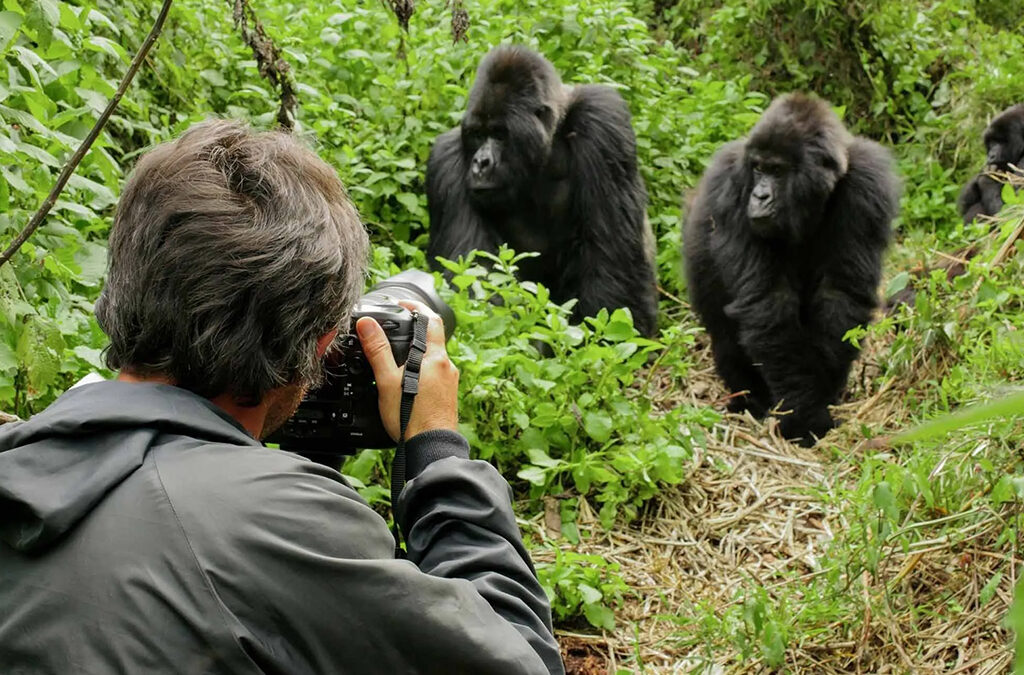
A Rwanda gorilla safari offers a rare chance to meet endangered mountain gorillas in their natural forest home. This experience holds deep meaning. Every dollar spent directly contributes to protecting gorillas and improving lives in local communities. Rwanda’s Volcanoes National Park offers an organized, safe, and ethical setting to meet these peaceful giants. The trek, though challenging, rewards you with rich lessons and powerful emotions. The value goes far beyond photos. You help conserve nature and support local people. Here’s why a Rwanda gorilla safari deserves every cent of your travel budget.
Unique Wildlife Experience in the Wild
Rwanda gives you the rare chance to see wild mountain gorillas in their natural environment. These gorillas live peacefully among the bamboo forests of Volcanoes National Park. They move through the dense vegetation, forage for food, and care for their young. You get to observe these behaviors up close.
The trek to reach them leads through misty hills and lush greenery. Once you find a gorilla group, you spend one precious hour with them. During this time, you watch them play, eat, and interact. Some may walk past you without fear. The close presence of these creatures touches your heart.
Your trained guide shares valuable facts about gorilla behavior and social bonds. This interaction helps you understand their lives and daily struggles. You begin to value their calm nature and family unity. Seeing them in the wild brings deep respect for their survival.
Conservation with Every Permit Purchase
Every gorilla trekking permit in Rwanda has real impact. A big part of the permit cost goes to conservation work. This money helps protect gorillas and the entire ecosystem they call home.
The funds support forest patrols that stop poachers from harming wildlife. These patrols also remove traps that injure animals. Research programs use the money to monitor gorilla health and movement. These projects help create better plans for gorilla protection.
Without these funds, gorillas would face more threats from human activity. So, every visitor who pays for a permit plays a part in keeping gorillas alive. You support a system that balances tourism with conservation. Rwanda has shown that tourism, when done well, can protect nature.
Uplifting Local Communities
Rwanda ensures that local people benefit from gorilla tourism. The government shares a portion of the permit fees with communities near the park. These funds build schools, health centers, and clean water systems. Such projects change lives in rural areas.
Tourism also brings jobs. Locals work as porters, guides, rangers, and lodge staff. Women and youth gain skills and stable income. Villages near the park grow stronger. People feel proud to take part in tourism and conservation.
When local communities benefit, they feel motivated to protect the park and wildlife. This support reduces illegal activities like poaching and tree cutting. The partnership between conservation and communities ensures long-term success. Your visit fuels this cycle of growth and protection.
Education Through Nature
A Rwanda gorilla safari goes beyond just watching wildlife. It gives you important lessons in conservation. You learn how difficult it is to protect one species and its fragile home. The trek opens your eyes to human impact on forests.
Guides teach you how climate change and deforestation affect gorillas. They explain what Rwanda is doing to face these challenges. As you walk through the forest, you feel part of this effort. You don’t just see nature—you understand its value.
This experience can change your view of the world. You leave with a stronger connection to wildlife. Many travelers return home feeling inspired. They talk about conservation and share their stories. Some donate, while others support wildlife groups. The trek sparks action in small and big ways.
Professional Guidance and Safe Experience
Rwanda has trained, skilled staff to make your trek safe and meaningful. Park rangers lead the trek with care. They know the forest well and understand gorilla behavior. They brief you before the trek and follow rules to protect both people and animals.
During the trek, you follow a calm pace. Rangers make sure no one is left behind. Once you find the gorillas, you follow strict rules—no loud noise, no flash photography, and safe distance. These rules protect the gorillas from stress and disease.
Medical staff stay on call in case of any emergencies. The system ensures safety without removing the sense of adventure. This level of care adds real value to your experience.
Scenic Beauty and Cultural Connection
Volcanoes National Park lies among Rwanda’s dramatic mountain landscapes. On your way to the gorillas, you pass mist-covered hills, terraced farms, and bamboo forests. This scenery makes the trek visually rich. Every corner gives you a new view to enjoy.
The journey also connects you with Rwanda’s culture. You may visit local villages or community projects before or after your trek. These visits show you the people who live beside the park. They tell stories of resilience, growth, and conservation.
You taste local food, hear traditional music, and support local crafts. Such moments make the trip more personal. They remind you that wildlife protection works best when people benefit too.
Why It’s Worth Every Dollar
A Rwanda gorilla safari involves high permit fees and travel costs. But the return value is far greater. You support endangered wildlife, help local communities, and gain rare life experiences. The funds improve lives, protect forests, and grow hope for future generations.
The personal connection to the gorillas leaves a deep mark. You remember their calm eyes, quiet strength, and peaceful family bonds. These memories stay with you for years. They change how you see wildlife, forests, and your role in the natural world.