
Why Lake Manyara is a Paradise for Birdwatchers
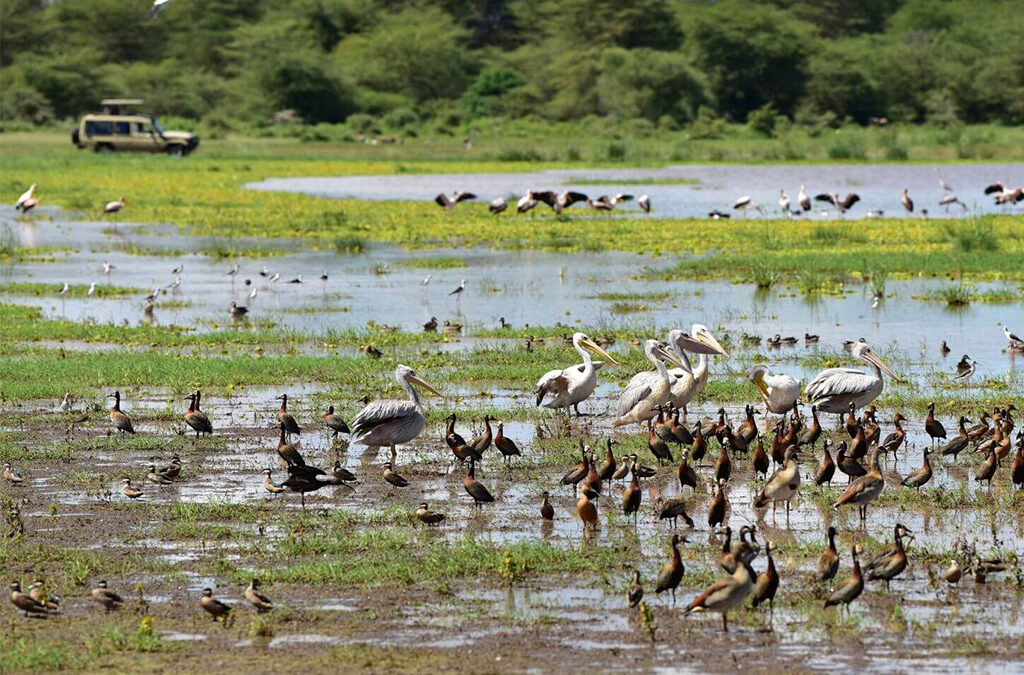
Are you looking for Africa’s ultimate birding destination where water meets wildlife in perfect harmony? Lake Manyara National Park offers bird enthusiasts an incredible experience with over 400 species calling this Tanzanian gem home. This remarkable park stretches across the Great Rift Valley and attracts millions of birds throughout the year. The park sits between Serengeti and Ngorongoro Crater along Tanzania’s famous northern safari circuit. Water birds flock to the alkaline lake while forest species thrive in the groundwater forests nearby. From flamingo clouds to powerful crowned eagles, Lake Manyara delivers exceptional birding adventures for both beginners and expert birdwatchers alike.
Why Lake Manyara Stands Out as a Birding Paradise
Incredible Bird Species Diversity
Lake Manyara National Park hosts over 400 different bird species within its relatively small boundaries. The park’s red escarpment thickets shelter Nubian woodpeckers and beautiful silver flycatchers near the lake’s edge. Superb starlings, ashy starlings and Hildebrand’s starlings fill the air with their melodic calls throughout the day. Trilling cisticolas join yellow wagtails while Peter’s twin spots hop between acacia branches searching for insects. Red-cheeked cordon bleus flash their bright colors alongside blue-necked mousebirds in the open grasslands. Every cuckoo species found in East Africa visits this park at some point during the year.
The red-and-yellow barbet earns its nickname as the bed-and-breakfast bird by living inside termite mounds. These colorful birds feast on insects while making their homes in these natural structures. Their bright plumage makes them easy to spot against the brown termite mounds.
A Raptor Haven
Bird of prey enthusiasts find Lake Manyara particularly rewarding with 51 daytime raptor species recorded here. Dozens of augur buzzards soar above the grasslands while small hawks hunt between the acacia trees. Various harrier species patrol the open areas searching for small mammals and ground-dwelling birds.
Deep within Manyara’s dense forests lives Africa’s most powerful eagle – the crowned eagle. This magnificent bird possesses enough strength to snatch young antelope and unwary monkeys from tree branches. Finding a crowned eagle requires patience but rewards dedicated birders with an unforgettable sighting.
Six owl species echo through the night air with their haunting calls and varied vocalizations. The giant eagle owl dominates with its deep hoots while the tiny African Scops owl surprises visitors with its surprisingly loud voice. These nocturnal hunters remain silent during daylight hours, casting long shadows from their roosts.
Water Bird Wonderland
The alkaline lake attracts massive flocks of flamingos that create pink carpets across the water surface. These elegant birds filter-feed on algae and small organisms that thrive in the lake’s mineral-rich waters. Pelicans work together in coordinated fishing groups while various stork species wade through shallow areas.
African fish eagles patrol the shoreline and dive for fish with impressive precision and power. Multiple hornbill species move through the nearby forests, their distinctive calls echoing between the trees. The lake’s calm surface and abundant food sources make it a perfect stopover for migrating water birds.
Diverse Habitats Support Rich Birdlife
Lake Manyara’s varied landscapes create perfect conditions for numerous bird species with different habitat needs. Groundwater forests provide shelter for forest-dwelling species while open grasslands attract ground-feeding birds. Acacia woodlands offer nesting sites for many species while the lake shores support water birds.
This habitat diversity means birders encounter different species as they move through various park zones. Each ecosystem supports unique bird communities, making every birding excursion a new adventure.
Prime Migration Route
The park lies directly on major Palearctic bird migration routes, bringing European and Asian species here seasonally. These migrants join resident African species, creating exceptional diversity during peak migration periods. Some species stop briefly while others spend entire seasons in the park’s welcoming habitats.
Best Times for Birdwatching
Peak Season: November to April
November through April offers the ultimate birding experience in Lake Manyara National Park. European and Northern African migrants arrive during this period, dramatically increasing species diversity and activity levels. Many resident birds display their finest breeding plumage, making identification and photography much easier.
Year-Round Opportunities
Most Lake Manyara birds remain in the park throughout the year as permanent residents. While migration seasons offer extra excitement, dedicated birders find rewarding experiences during any month. Different seasons highlight various behaviors like nesting, feeding and territorial displays.
Essential Birding Equipment
Bird Identification Guide
Pack a comprehensive East African bird field guide to help identify the hundreds of species you’ll encounter. These guides provide detailed descriptions, range maps and behavioral notes for accurate species identification.
Quality Binoculars
Binoculars make distant and small birds clearly visible, transforming your birding experience completely. Choose lightweight models with good magnification for comfortable extended use throughout long birding days.
Camera Equipment
Capture stunning bird photographs and document rare species sightings with quality camera equipment. The park’s diverse birdlife provides endless photography opportunities for both amateur and professional wildlife photographers.
Comfortable Walking Shoes
Birding requires walking through various terrains including forests, grasslands and rocky areas near the escarpment. Two pairs of sturdy, comfortable hiking shoes keep feet dry and protected during extended walking sessions.
Hydration and Sun Protection
Carry plenty of water to stay hydrated during long birding sessions under the African sun. Pack a wide-brimmed hat and sunscreen to protect against harmful UV rays throughout the day.
Getting to Lake Manyara National Park
Lake Manyara National Park sits 126 kilometers west of Arusha along well-maintained sealed roads. The journey takes approximately two hours by road through scenic highland landscapes and traditional villages. Daily scheduled flights operate from Arusha, taking just 20 minutes to reach the park’s airstrip.
Most visitors combine Lake Manyara with Serengeti and Ngorongoro Crater visits as part of northern Tanzania safari circuits. The park’s convenient location makes it an ideal first or last stop on extended wildlife adventures. Tour operators and lodges arrange airport transfers and transportation to make travel arrangements simple and stress-free.


