
Why it’s advisable booking the Gorilla Permit in advance during peak season
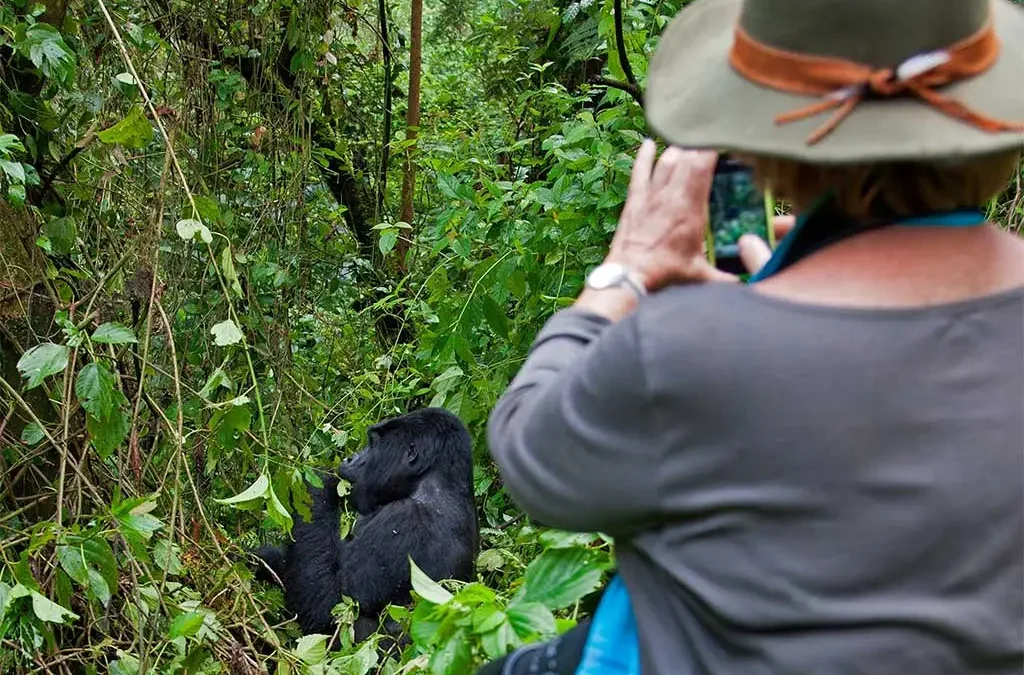
Booking your gorilla permit in advance, particularly during the peak tourist season in Uganda and Rwanda, is highly advisable for several compelling reasons. The peak season typically spans from June to September and December when the demand for gorilla safaris is at its zenith. Here’s why securing your gorilla permit ahead of time is a prudent decision:
Firstly, gorilla permits during the peak season are in high demand, and the supply is limited. Each gorilla trekking family allows a maximum of 8 permits, and for gorilla habituation experiences, it’s just 4 permits. Consequently, as the peak season approaches, these permits become scarcer, and you risk missing out on this incredible opportunity if you don’t plan ahead.
To avoid the nerve-wracking last-minute scramble for availability, it’s strongly recommended to reserve your gorilla permit at least 6 months to a year in advance. This proactive approach ensures that you secure your spot and relieves you from the stress of uncertain availability.
During the peak season, the competition for booking gorilla permit is fierce, and they are allocated on a first-come, first-served basis. This system was established to deter individuals who may not be committed to undertaking the gorilla trekking adventure. By reserving your permit early, you ensure that you are among the first in line and increase your chances of obtaining one.
Furthermore, obtaining a gorilla permit is just one part of the equation. You also need to arrange accommodation for the nights preceding your gorilla trekking or habituation experience. Since these safaris begin early in the morning, being at the briefing point on time is crucial. Failure to attend the briefing may lead to disqualification from the gorilla safari.
Staying far from the park or trekking area the night before your adventure can present challenges. Driving in the dark to reach the starting point can be risky due to obstacles like logs on the road, reduced visibility caused by mist, and slippery roads. Therefore, booking accommodation that is conveniently located for your gorilla safari is essential to ensure a smooth and safe experience.
In summary, booking your gorilla permit in advance during the peak season is a wise decision to secure your spot, avoid last-minute stress, and enhance your chances of enjoying this remarkable wildlife experience. Additionally, securing suitable accommodation nearby is essential for your convenience and safety during the gorilla trekking or habituation adventure.
How many gorilla trekking families are in Uganda and Rwanda?
Uganda and Rwanda are two East African countries renowned for their spectacular mountain gorilla trekking experiences. These countries offer a unique opportunity for travelers and wildlife enthusiasts to get up close and personal with one of the world’s most endangered and fascinating species, the mountain gorilla. Both nations have made significant efforts to protect and conserve these gentle giants, and they have established dedicated gorilla trekking families in their respective national parks.
In Uganda, visitors have the privilege of encountering these incredible creatures in two key locations: Bwindi Impenetrable National Park and Mgahinga National Park, both situated in the southwestern part of the country. In total, there are 19 gorilla trekking families living within these lush and biodiverse protected areas. These families are scattered across various zones within the parks, each offering a unique and memorable experience.
To ensure the sustainable management of gorilla tourism and minimize disturbance to the animals, Uganda has implemented a permit system. A total of 152 gorilla permits are made available for public booking each day, allowing a limited number of fortunate adventurers to embark on this unforgettable journey. These permits are further categorized according to the specific area within the parks that visitors wish to explore.
Bwindi Impenetrable National Park, often dubbed the “Impenetrable Forest” due to its dense vegetation, is home to several gorilla trekking families. The park is subdivided into multiple areas to facilitate the management of tourism activities. Travelers can choose to trek in the Buhoma area in the north, the Ruhija area in the east, or the Nkuringo and Rushaga areas in the south. Each of these regions offers a distinct gorilla trekking experience, characterized by varying landscapes, altitudes, and ecosystems.
In Rwanda, on the other hand, gorilla enthusiasts can visit the Volcanoes National Park, a part of the Virunga Massif that extends into neighboring countries. Rwanda’s conservation efforts have led to the thriving population of mountain gorillas within this park, making it one of the most sought-after destinations for gorilla trekking.
While Uganda boasts 19 gorilla trekking families, Rwanda has its own set of families, each with its own unique history, social dynamics, and charismatic individuals. The permits for gorilla trekking in Rwanda are also limited to ensure the protection of these magnificent creatures and the preservation of their habitat.
In summary, both Uganda and Rwanda offer incredible opportunities for gorilla trekking, with Uganda hosting 19 trekking families spread across Bwindi Impenetrable National Park and Mgahinga National Park, and Rwanda providing a remarkable experience in the Volcanoes National Park. These countries are at the forefront of mountain gorilla conservation and sustainable tourism, allowing fortunate visitors to witness these majestic creatures in their natural habitat while contributing to their protection.