
Why do Gorilla Safari in Mgahinga National Park
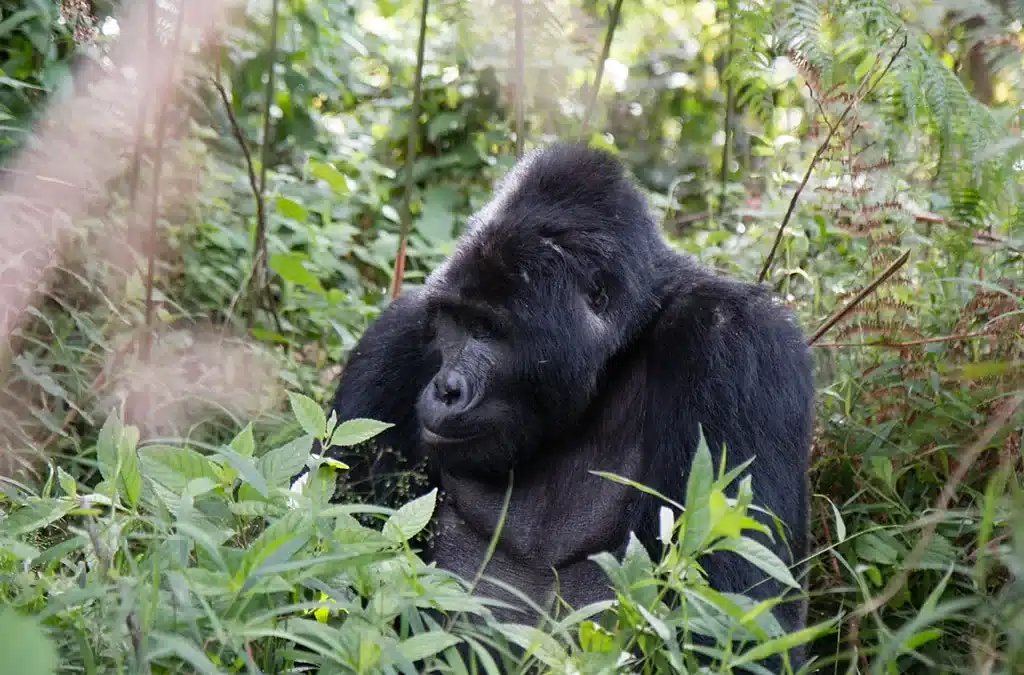
Gorilla Safari in Mgahinga National Park delivers an unforgettable encounter with endangered mountain gorillas in their misty natural forest home. Moreover, this compact park offers something truly special that larger parks simply cannot match for adventurous travelers. Indeed, you will experience intimate wildlife encounters away from the overwhelming crowds that dominate other popular gorilla destinations. Furthermore, the volcanic landscapes create a dramatic backdrop that makes every photograph look absolutely stunning and memorable.
Why Choose Mgahinga for Gorilla Tracking
Stepping into Mgahinga feels like entering a secret sanctuary where nature unfolds its most precious treasures before you. Additionally, the park’s smaller size means rangers know every trail, every family member and every hiding spot intimately. Consequently, the cool mountain air fills your lungs as you climb through bamboo forests toward your destination.
The Exclusive Nyakagezi Gorilla Family Experience
Only 1 habituated gorilla family calls Mgahinga home, therefore creating an exceptionally private and personal wildlife encounter. Specifically, the Nyakagezi family has become wonderfully comfortable around humans after years of careful habituation and training. As a result, trekkers can observe natural gorilla behaviors without the animals showing fear or aggressive defensive behaviors. Subsequently, you might watch infant gorillas tumble playfully while their mothers groom each other with gentle, deliberate movements.
The tracking experience typically proves easier here because the Nyakagezi family stays within relatively accessible forest areas. In contrast, families in denser forests often hide in thick vegetation that requires hours of difficult hiking. Therefore, visitors with moderate fitness levels can successfully complete the trek and enjoy their magical gorilla hour. Moreover, the trails wind through enchanting bamboo groves where sunlight filters through leaves creating magical dancing patterns.
Rare Golden Monkey Tracking Adventures
Besides gorillas, Mgahinga offers the unique opportunity to track rare golden monkeys found nowhere else in Uganda. These bright-furred primates leap acrobatically through bamboo forests, their golden coats glowing brilliantly in dappled forest sunlight. Furthermore, watching them feed on bamboo shoots provides fascinating insights into their specialized diet and survival strategies. Indeed, their playful antics and social interactions create unforgettable memories that complement your gorilla tracking experience perfectly.
Volcanic Landscapes and Hiking Opportunities
Three magnificent extinct volcanoes dominate Mgahinga’s skyline, offering adventurous hikers challenging climbs with spectacular panoramic summit views. Specifically, Mount Sabinyo, Mount Gahinga, and Mount Muhabura rise dramatically from the surrounding landscape like ancient guardians. Additionally, their perfectly conical shapes create postcard-worthy photographs that capture the park’s dramatic geological history and beauty. Meanwhile, hiking these volcanic peaks allows you to literally stand where three countries meet at one point.
The volcanic soil enriches the forest, consequently supporting incredibly diverse plant life that provides food for gorillas. Moreover, the steep slopes create varied microclimates where different species thrive at various elevations throughout the park. Therefore, every hiking trail reveals new botanical wonders, from giant lobelias to delicate orchids clinging to trees. Furthermore, the crisp mountain air carries the earthy scent of rich volcanic soil mixed with sweet floral fragrances.
Uncrowded Wildlife Encounters Guaranteed
Since Mgahinga receives fewer visitors than bigger parks, you will enjoy peaceful, undisturbed moments with gorillas and nature. Consequently, your gorilla encounter feels more personal and meaningful without dozens of other tourists jostling for positions. Indeed, the forest’s quietness allows you to hear every grunt, every leaf rustle, and every infant’s playful squeal. Subsequently, photographers capture clearer shots without other visitors’ heads constantly appearing in their carefully composed wildlife frames.
Cultural Immersion with the Batwa People
The Batwa trail experience connects visitors with indigenous forest people who lived harmoniously with gorillas for centuries. Specifically, Batwa guides demonstrate ancient hunting techniques, traditional medicine preparation, and sacred fire-making methods passed through generations. Furthermore, their songs echo hauntingly through the forest as they share stories of their ancestors’ lives. Meanwhile, you gain profound appreciation for how humans and wildlife once coexisted peacefully in these mountain forests.
This cultural journey adds meaningful depth to your safari, transforming it from simple wildlife viewing into holistic education. Moreover, supporting Batwa tourism directly helps this displaced community maintain their cultural identity and generate sustainable income. Therefore, visitors leave with enriched understanding of conservation’s human dimensions beyond just protecting animals and their habitats.
Bird Watching Paradise
Over 250 bird species inhabit Mgahinga’s diverse habitats, including 17 species found only in the Albertine Rift region. Consequently, bird enthusiasts can spot rare, colorful species while trekking through forests or relaxing near lodge gardens. Indeed, the melodious morning chorus creates a natural symphony that awakens all your senses to nature’s beauty. Furthermore, vibrant sunbirds flash like living jewels as they dart between flowers seeking sweet nectar for energy.
Convenient Access from Rwanda’s Capital
Mgahinga sits just 3 to 4 hours’ drive from Kigali, making it incredibly accessible for international visitors arriving there. Therefore, you can land in Rwanda’s modern airport and reach the park the same day without exhausting travel. Additionally, the scenic drive passes through rolling hills, terraced farms, and traditional villages showcasing authentic East African life. Meanwhile, good roads make the journey comfortable even during rainy seasons when other parks become difficult to access.
Better Permit Availability and Accommodation Options
Unlike popular parks where permits sell out months ahead, Mgahinga often has better last-minute availability for travelers. Consequently, spontaneous travelers and those with flexible schedules can secure permits more easily without extensive advance planning. Moreover, various accommodation options in Kisoro ranging from budget campsites to comfortable lodges suit different travelers’ preferences and budgets. Therefore, planning your Mgahinga safari becomes less stressful and more enjoyable than booking crowded alternative destinations.
Understanding the Nyakagezi Family
The Nyakagezi gorilla family includes approximately 11 members featuring 4 silverbacks, 2 adult females, plus juveniles and infants. Specifically, Silverback Mark now leads the family after inheriting leadership from his aging father Bugingo peacefully. Remarkably, elderly Bugingo, now around 54 years old, continues living within the group as respected elder. Additionally, female Cyizanye gave birth to a new infant in November 2025, adding precious new life. Historically, this nomadic family frequently crossed international borders into Rwanda and the Democratic Republic of Congo seeking food.
However, since 2012, they have remained permanently settled on Uganda’s side within Mgahinga’s protected forest boundaries. Consequently, visitors can reliably find them without worrying about cross-border movements that previously complicated tracking efforts significantly. Indeed, their stability makes planning and executing successful gorilla treks much more predictable for tourists and guides.
Gorilla Permit Costs for Mgahinga
Foreign non-residents pay $800 per person for gorilla trekking permits valid for 1 precious hour with gorillas. Meanwhile, foreign residents pay slightly less at $700, and other African visitors pay $500 for the experience. Furthermore, East African citizens enjoy significantly reduced rates of just 300,000 Ugandan Shillings for their gorilla encounter.
Only 8 permits become available daily because Mgahinga has just one habituated family compared to multiple families elsewhere. Therefore, booking 4 to 6 months ahead is strongly recommended, especially during peak seasons from June to September. Additionally, the December to February period also sees increased demand as dry weather creates optimal trekking conditions. The permit price includes park entrance fees, an experienced guide, armed security rangers, and conservation support contributions.
Visitors must be at least 15 years old to participate in gorilla trekking for safety and conservation reasons. You can book permits directly through Uganda Wildlife Authority‘s Kampala office or through reputable local tour operators. However, booking through established tour operators like Iconic Africa Safaris simplifies logistics by arranging transportation and accommodation simultaneously.
Best Time to Visit Mgahinga for Gorilla Trekking
The dry seasons from June through September and December through February offer the most comfortable trekking conditions available. During these months, forest trails remain drier, less muddy, and significantly safer for hiking through steep terrain. Consequently, visitors enjoy more pleasant experiences without constantly slipping on muddy paths or struggling through waterlogged vegetation. Moreover, clearer skies provide better photography lighting and stunning views of the surrounding volcanic peaks and valleys.
However, gorillas can be tracked year-round, and wet seasons offer their own unique advantages worth considering. Specifically, fewer tourists visit during rainy months, guaranteeing even more private and intimate gorilla family encounters. Additionally, the forest bursts with lush greenery, blooming flowers, and increased bird activity during wetter periods. Therefore, adventurous travelers willing to brave occasional rain showers experience nature at its most vibrant and alive.