
Why Children Under 15 Cannot Go Gorilla Trekking
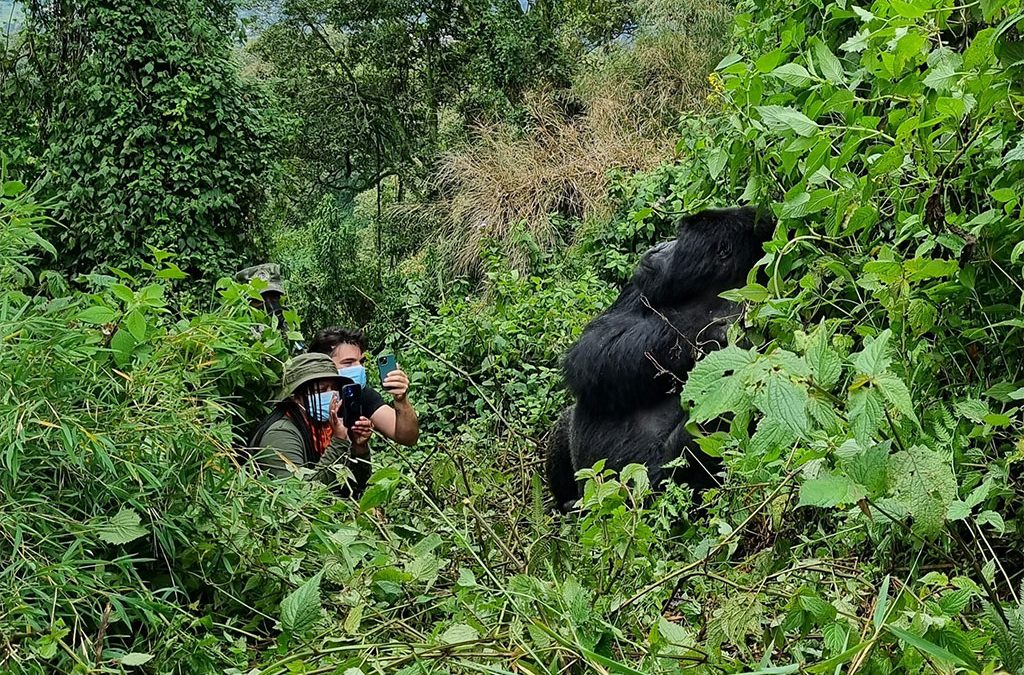
Why children under 15 years are restricted from Gorilla Trekking
Are you planning to travel with your family for an African safari adventure including mountain gorilla trekking experience? Then you need to know about gorilla trekking age limits. Most national parks in Uganda and Rwanda do not allow children under 15 years to participate in gorilla trekking activities. However, these young travelers can still enjoy other exciting safari experiences. Park authorities enforce this rule strictly to protect both children and the endangered mountain gorillas. Understanding these restrictions helps families plan better safari trips.
Health Risks Gorillas Face from Young Children
Mountain gorillas share over 98% of their DNA with humans. This similarity makes them extremely vulnerable to human diseases. Children often carry common illnesses like colds, flu, and respiratory infections. When young travelers get close to gorillas, they can easily pass these diseases to the animals.
Furthermore, children’s immune systems work differently than adults. They shed more viruses and bacteria through breathing, coughing, and sneezing. Even a simple cold can become deadly for mountain gorillas because their bodies cannot fight human diseases effectively. Therefore, keeping young children away from gorillas protects these endangered animals from potential health threats.
Safety Concerns During Gorilla Encounters
Young children often react unpredictably when they meet large animals. A silverback gorilla can weigh up to 400 pounds and stand over six feet tall. This massive size can frighten children, causing them to scream, cry, or run away suddenly. Such reactions can stress the gorillas and trigger aggressive behavior.
Moreover, children may not follow safety instructions properly during gorilla encounters. They might try to touch the animals, make loud noises, or move too quickly. These actions can provoke defensive responses from gorillas, putting everyone in the group at risk. Adult travelers can better control their emotions and follow guide instructions during these close wildlife encounters.
Physical Challenges of Gorilla Trekking
Gorilla trekking requires hiking through dense mountain forests with steep, muddy trails. These treks can last anywhere from one to eight hours, depending on where the gorilla families are located. Children under 15 may lack the physical strength and endurance needed for such demanding activities.
Additionally, the terrain includes slippery slopes, thick vegetation, and high altitude conditions. Travelers must climb over fallen trees, cross streams, and navigate through dense bamboo forests. Young children often struggle with these physical challenges, slowing down the entire group and potentially missing the gorilla encounter altogether.
Park Rules and Age Enforcement
Wildlife authorities in Uganda and Rwanda strictly enforce the 15-year minimum age requirement. These rules protect both visitors and mountain gorillas from unnecessary risks. Park rangers check identification documents before issuing trekking permits to ensure compliance with age restrictions.
However, Uganda sometimes grants special permission to children who are within a few months of turning 15. These exceptions require advance approval and special documentation. Rwanda maintains stricter enforcement with fewer exceptions to their age policy.
Exciting Activities for Children During Safari
Children can participate in many other safari activities while adults go gorilla trekking. Most lodges offer complimentary swimming pools where young travelers can relax and play safely. These facilities provide perfect entertainment options during trekking hours.
Nature walks around lodge areas allow children to explore forest edges safely. Professional guides lead these walks, teaching young visitors about local trees, birds, butterflies, and small animals. Children learn about African wildlife without the risks associated with gorilla encounters.
Cultural experiences provide excellent learning opportunities for young travelers. In Uganda, children can visit Batwa communities and learn about traditional forest life. Meanwhile, Rwanda offers Iby’iwacu cultural village visits where children discover local customs, traditional dances, and crafts.
Community visits create meaningful connections between young travelers and local people. Children can visit nearby schools, participate in basket weaving demonstrations, or learn about traditional farming methods. These activities provide educational value while keeping children engaged and entertained.
Planning Your Family Safari Adventure
Families planning gorilla trekking safaris should book separate activities for children under 15. Most tour operators offer combined packages that include both gorilla trekking for adults and child-friendly activities. This approach ensures everyone enjoys memorable safari experiences.
Game drives, boat cruises, and wildlife viewing activities welcome children of all ages. Young travelers can see elephants, lions, zebras, and many other African animals during these safer safari activities. These experiences often create lasting memories for children while adults enjoy their gorilla encounters.
Therefore, age restrictions should not prevent families from enjoying African safari adventures. With proper planning and understanding of these rules, families can create wonderful memories while respecting wildlife conservation efforts and ensuring everyone’s safety during their African journey.