
Where to hike Crater Lakes Uganda vs Rwanda
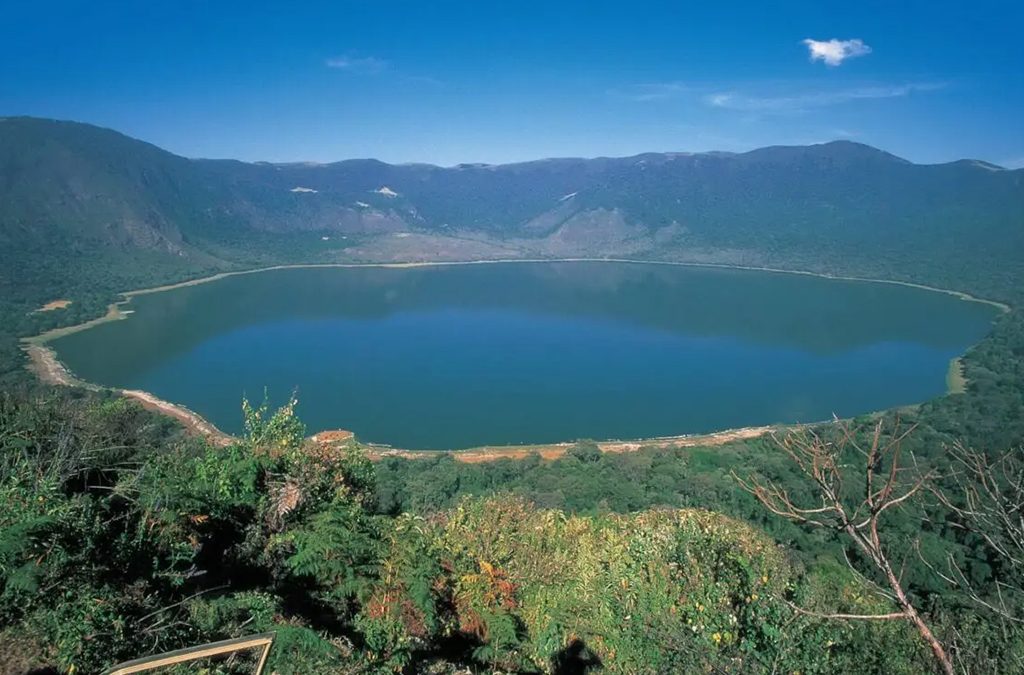
Hiking Crater Lakes in Uganda and Rwanda
East Africa offers landscapes that feel wild, ancient, and deeply alive, and nowhere is this more vivid than around the crater lakes of Uganda and Rwanda. These lakes sit inside old volcanic basins, shining like jewels among forests, farms, and rugged mountains. When you walk along their edges, you hear rustling leaves, distant bird calls, and soft waves touching the shore. Cool breezes move across ridges, carrying the scent of fresh earth and tropical flowers. Warm smiles from local people add a sense of welcome and calm. Because each lake has its own character, every step introduces a new shape, color, or sound. Hiking here gives you both gentle scenic routes and bold mountain climbs, so you can choose peaceful days or big adventures. This region invites you to slow down, look far, and feel close to nature in a rare and unforgettable way.
Crater Lakes Hiking in Uganda
Uganda offers one of the richest crater-lake regions in Africa, with trails that move through villages, banana gardens, and thick forest. The ground often feels soft under your boots, and birdsong seems to follow you from lake to lake. You never walk far before reaching another lookout point, another ridge, or another peaceful basin filled with deep blue water.
Fort Portal / Ndali–Kasenda Crater Field
The Ndali–Kasenda area near Fort Portal holds one of the densest clusters of crater lakes on the continent. The moment you arrive, you notice how the hills fold one over another, each hill hiding a quiet lake inside its bowl. Trails connect these lakes like beads on a necklace. You can walk for a few hours or spend a full day moving from one shimmering waterbody to the next.
As you climb the ridges, your view opens wide and reveals dozens of round blue and green circles shaped by ancient eruptions. The air often feels cool and fresh because the altitude gives relief from the midday heat. You may hear children laughing from nearby villages, and sometimes you meet farmers carrying food from their gardens. These simple encounters add warmth to the experience, reminding you that life around these lakes remains closely tied to nature.
Because the terrain changes slowly rather than sharply, this region feels ideal for travelers who want calm walks, flexible routes, and many stopping points for rest or photos. The scenery shifts gently, yet each lake seems unique, sometimes dark and deep, sometimes clear and light, always surrounded by lush vegetation.
Queen Elizabeth National Park – Katwe Craters
 Farther south, the Katwe Crater area offers a different mood. Here the land feels more open, and the wind often blows across the savanna plains. The old explosion craters rise above Queen Elizabeth National Park, giving you wide views of the plains, Lake George, Lake Edward, and even the distant Rwenzori Mountains.
Short hikes near the Katwe salt lake take you across sharp edges of volcanic rims. When you stand on these heights, you feel the space spread out in all directions. Elephants and buffalo sometimes graze in the distance, while birds circle over the warm ground. The paths are not long, but they deliver dramatic views and a strong sense of standing inside a landscape shaped by powerful forces.
Ugandan Side of the Virunga Volcanoes – Mount Muhabura
For travelers who want a tougher challenge, Mount Muhabura offers a steep climb toward a summit crater lake. The trail rises quickly, and the ground grows rocky and volcanic. You breathe harder as you move higher, yet the cool air keeps you steady. When you reach the summit, a round lake sits quietly in the center of the crater like a hidden treasure. Clouds drift past, and the horizon stretches across the Virunga range. However, this hike suits strong hikers who enjoy long uphill days rather than casual walkers who prefer gentle paths.
Crater Lakes Hiking in Rwanda
Rwanda’s crater lake hikes focus on tall volcanic peaks. The landscape feels more dramatic, and every climb gives you a sense of moving into high mountain country. The air turns colder as you ascend, and mist often wraps around the forested slopes. Because these hikes take place inside protected national parks, your journey also carries a sense of entering a preserved and powerful natural world.
Mount Bisoke – Volcanoes National Park
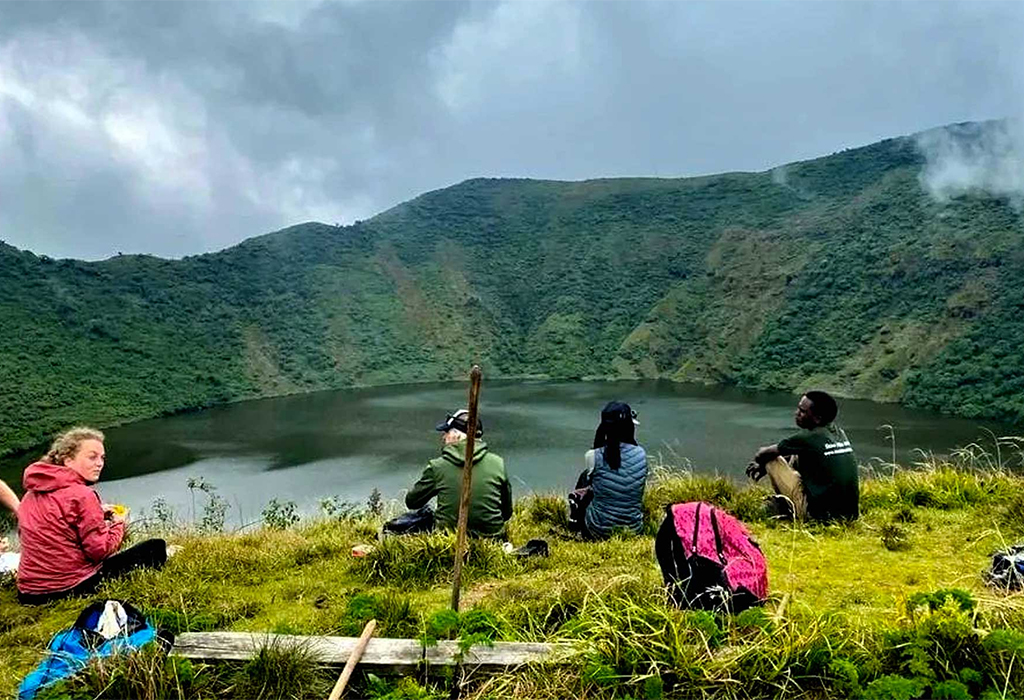 Mount Bisoke offers Rwanda’s most famous crater-lake hike. From the base of the volcano, the trail starts gently but soon points sharply upward. This climb tests your legs, yet the forest around you feels rich and alive. Bamboo stems knock softly in the wind, and sometimes fresh gorilla tracks cross the path, reminding you that these mountains shelter one of the world’s most iconic species.
As you climb higher, the forest thins, and the ground becomes volcanic and rugged. When you finally reach the summit at 3,711 meters, a huge crater lake rests quietly inside its round rim. The water has a deep emerald color that matches the cool mountain air. Peaks of other Virunga volcanoes tower around you, and on clear days you can see the green forests of Congo stretching beyond the border. The sense of standing above clouds makes the moment unforgettable. Though demanding, this hike rewards every step with pure mountain beauty.
Lake Ngezi – A Shorter Option on Bisoke’s Flank
Travelers who want a less intense hike can follow the trail to Lake Ngezi, a small crater lake on the flank of Mount Bisoke. The walk moves across gentle forest paths until the trees open around a quiet, round lake. The surface often stays still, reflecting the sky above. This hike gives you a sense of being on a volcano without needing to reach the summit, making it a good choice for travelers seeking a moderate adventure.
Uganda vs. Rwanda: Choosing the Best Crater Lake Experience
Uganda feels like the better choice for travelers who enjoy varied and scenic walking days. The Ndali–Kasenda crater field offers many routes that fit different timeframes and fitness levels. You can walk through peaceful villages in the morning, climb a ridge in the afternoon, and rest beside a lake before sunset. The easy logistics make planning simple, and the relaxed atmosphere encourages slow travel.
Rwanda, on the other hand, suits hikers who want one big volcanic climb with a dramatic summit reward. Mount Bisoke and Mount Muhabura give you direct access to the Virunga peaks, where high-altitude landscapes offer raw, powerful beauty. Because these hikes take place inside national parks, you follow set rules and walk with guides, creating a structured yet memorable adventure.
Both countries share extraordinary scenery but offer different styles of movement. Uganda invites gentle exploration. Rwanda invites bold ascents. Your choice depends on the type of journey you want your legs, lungs, and eyes to experience.
Safaris to Combine With Crater Lake Hiking
Crater lake hikes pair beautifully with wildlife safaris. The region allows you to combine peaceful walks with thrilling encounters in the forest and savanna. The contrast makes every day feel new and full of excitement.
Gorilla Trekking
 Both Uganda and Rwanda offer world-famous gorilla trekking. When you enter the dense forest, the air turns cooler, and the sounds grow quiet. Your feet move over soft earth until your guide signals that the gorillas are near. Seeing a gorilla family up close feels powerful and emotional. Their gentle movements and deep brown eyes create a moment that stays with you long after the trek ends.
Chimpanzee Tracking
 Uganda’s Kibale Forest and Rwanda’s Nyungwe Forest provide excellent chimp tracking. The forest rustles with energy as chimps call from tree to tree. When you finally spot them, they move fast, swinging through branches with impressive strength. Following them through the forest brings excitement and laughter with every quick leap they make.
Big Game Safaris
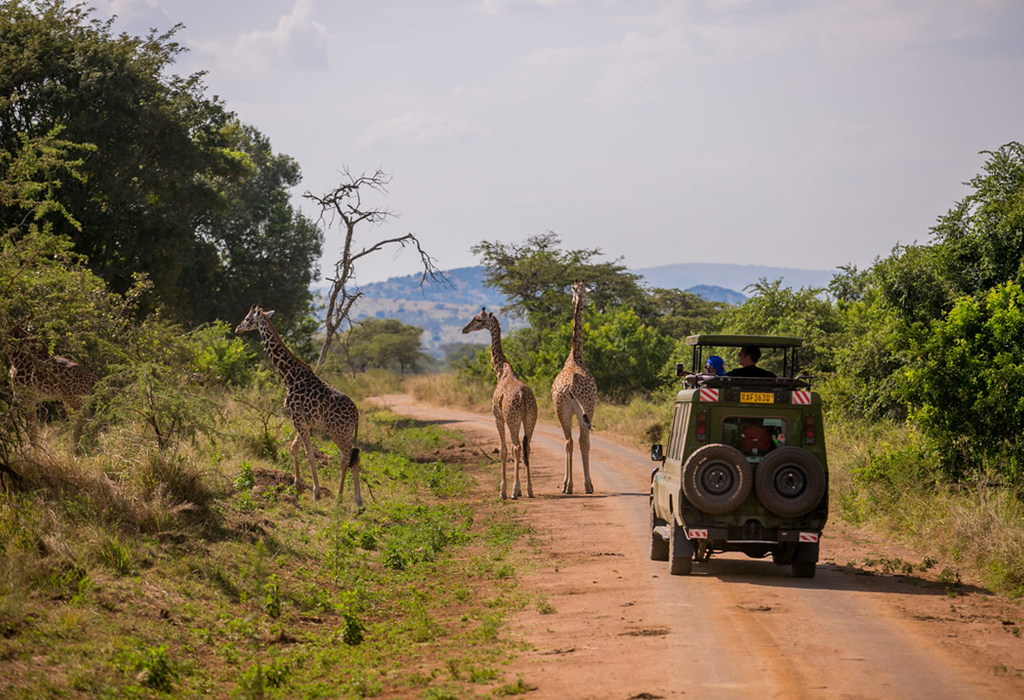 Uganda’s Murchison Falls and Queen Elizabeth National Parks, along with Rwanda’s Akagera National Park, offer classic big game viewing. Lions rest in golden grass, elephants march slowly across open plains, and hippos grunt in muddy rivers. Boat safaris on the Nile in Murchison deepen the experience as birds fly overhead and crocodiles warm themselves on the banks.
Birdwatching and Community Experiences
Both countries shine for bird lovers, with rare species in forests, lakes, and wetlands. Community tours also enrich your journey as you meet local families, learn about daily life, and enjoy fresh food grown on the hillsides near the crater lakes.
Creating a Complete East African Adventure
Combining crater lake hikes with gorilla trekking, chimp tracking, or big game safaris creates a journey full of color, energy, and emotion. One day you stand on a ridge above sparkling lakes. The next day you watch elephants cross the savanna at sunrise. Another day you enter a dark forest and meet mountain gorillas in complete silence.
Each activity adds a new layer to your experience. Together they create a trip that feels balanced, beautiful, and unforgettable—an adventure that stays alive in your memory long after you return home.