What is the cost of 1-Day Safari to Akagera National Park
1-Day Safari to Akagera National Park
1-Day Safari to Akagera National Park offers travelers an amazing wildlife adventure just hours from Rwanda’s capital city. You can explore Rwanda’s largest national park and see the famous Big Five animals in a single day trip. The safari costs approximately $515 per person when you book pickup from Kigali City. This price includes your transportation, park entrance fees, exciting game drives, boat cruise on Lake Ihema, and a delicious lunch.
Your journey begins early morning from Kigali and takes you through Rwanda’s beautiful rolling hills. The drive covers 105-110 kilometers and takes about 2.5 hours on well-maintained roads. Therefore, you can easily reach the park using regular vehicles, though 4WD cars work better inside the park. The scenic drive becomes part of your safari experience as you watch the countryside change from urban areas to wild landscapes.
Safari Cost and What’s Included
Your $515 safari package covers everything you need for a complete day trip. First, professional drivers pick you up from any location in Kigali City. Next, they transport you in comfortable safari vehicles equipped for wildlife viewing. The package also includes all park entrance fees, so you don’t worry about additional costs at the gate.
Moreover, you enjoy guided game drives with experienced rangers who know where animals gather. The boat cruise on Lake Ihema gives you different views of wildlife from the water. Finally, a tasty lunch helps you refuel during your adventure. However, drinks, tips, and personal items cost extra.
About Akagera National Park
Akagera National Park covers 1,122 square kilometers, making it Rwanda’s largest national park. Additionally, it protects Central Africa’s biggest wetland area. The park contains different environments including grasslands, forests, mountains, and swamps. These varied habitats support many different animals and birds.
The Kagera River flows along the park’s eastern border with Tanzania. This river feeds a complex system of lakes and papyrus swamps that cover over one-third of the park. Lake Ihema stands as the largest lake, while eleven other lakes create perfect homes for water animals. Furthermore, this wetland system ranks as Eastern-Central Africa’s largest protected water environment.
Getting to Akagera National Park
The journey from Kigali to Akagera takes you northeast toward Rwanda’s border with Tanzania. You travel on good roads that regular cars can handle easily. Nevertheless, safari companies use 4WD vehicles because they perform better on park roads.
During the drive, you see Rwanda’s famous thousand hills and rural villages. Small farms dot the landscape, and local people wave as you pass. The road climbs and dips through valleys, giving you great photo opportunities. As you approach the park, the landscape becomes wilder with more trees and fewer buildings.
Wildlife You’ll See in Akagera National Park
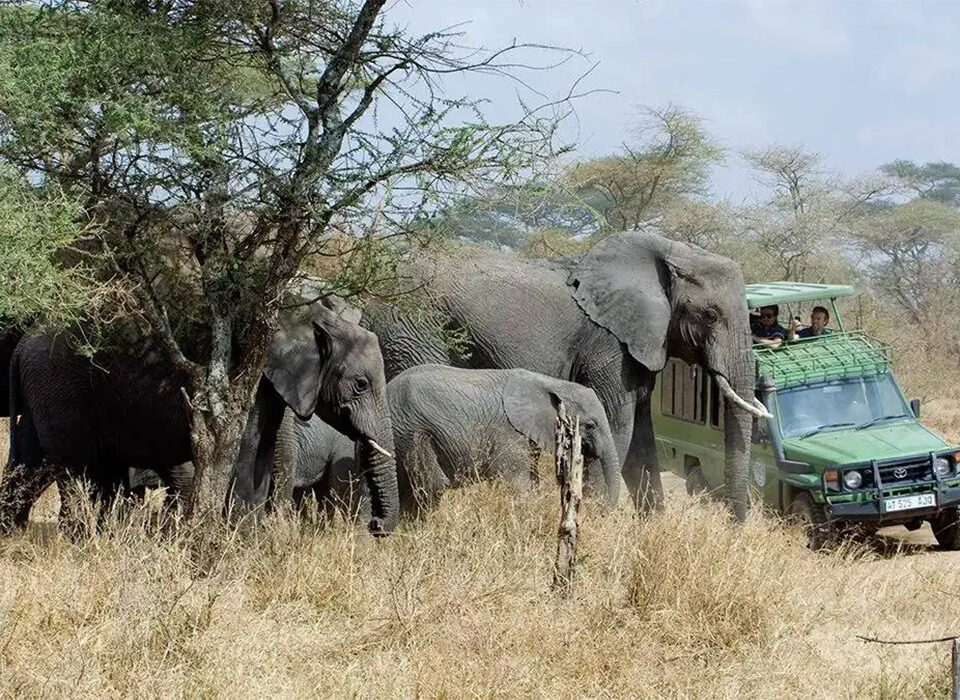
Akagera hosts an impressive collection of African wildlife. Most importantly, you can spot all Big Five animals: lions, leopards, elephants, buffalo, and rhinoceros. The park currently supports over 8,000 large mammals roaming its diverse landscapes.
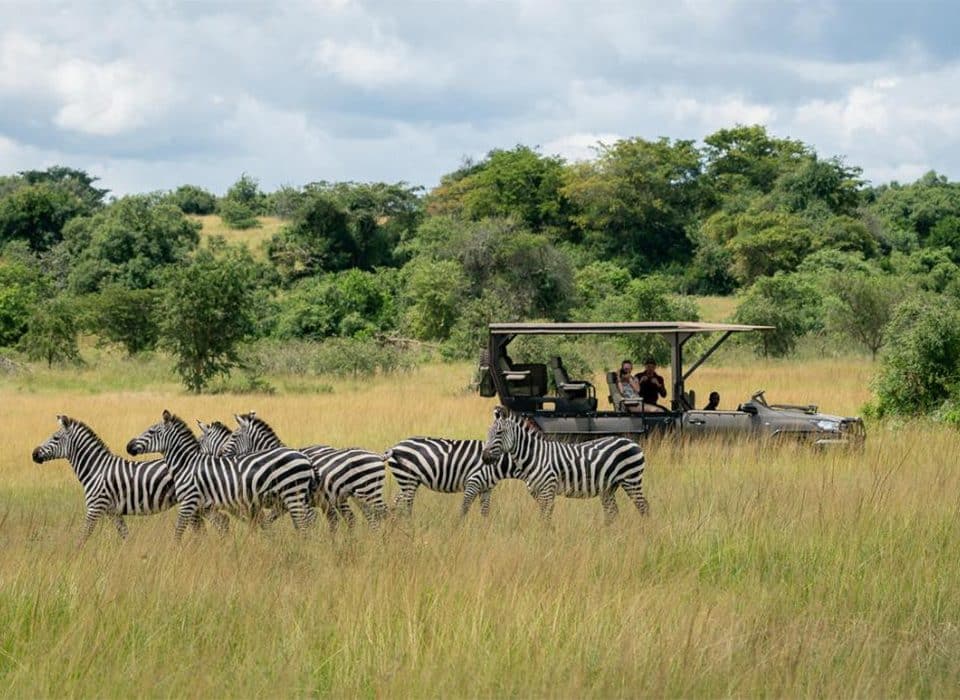
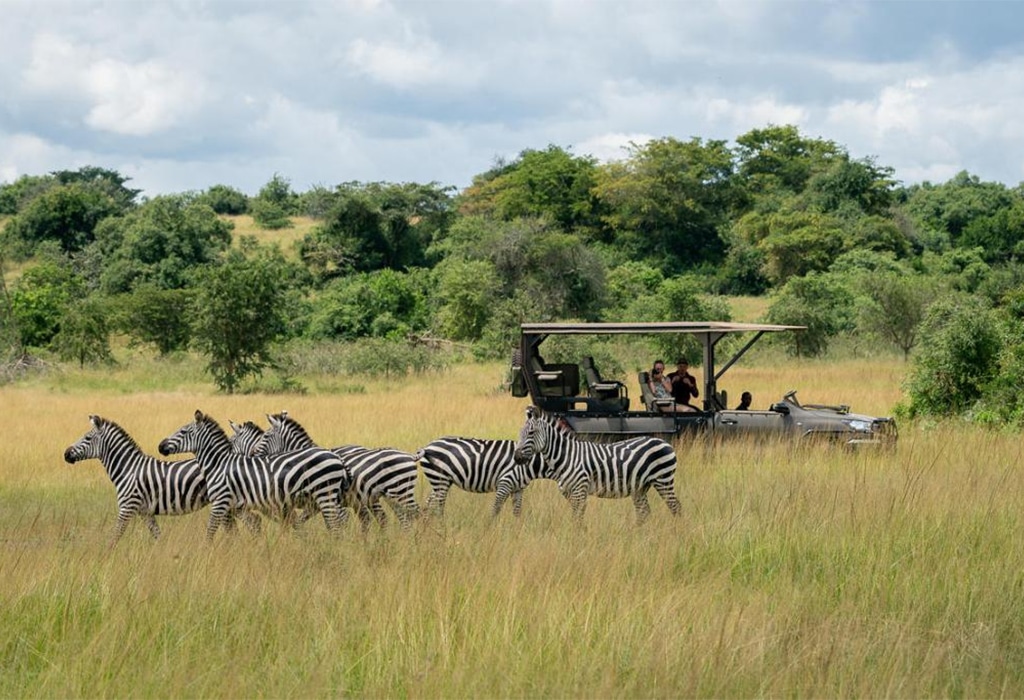
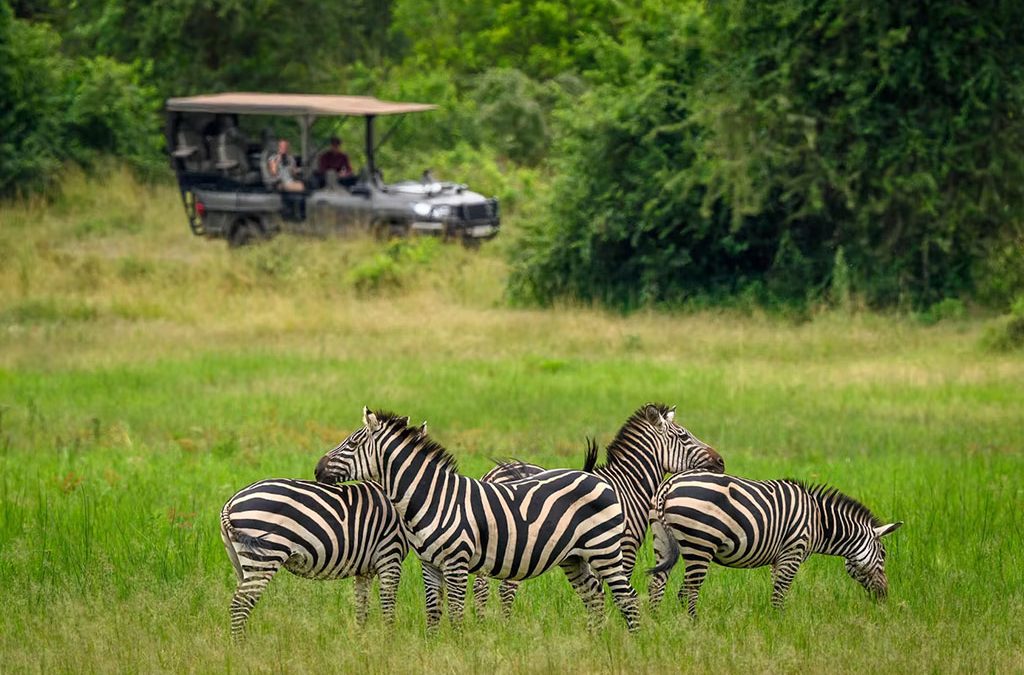
Zebras graze in large herds across the savannah plains. Meanwhile, giraffes stretch their long necks to eat acacia leaves. Waterbucks and impalas jump gracefully through the grasslands. Buffalo form huge herds that move together for protection.
Conservation efforts have brought great success to the park. Lion numbers have grown to 58 animals since their reintroduction in 2015. Similarly, 18 Eastern black rhinoceroses arrived from South Africa in 2017. These rhinos now roam the park under careful protection. White rhinos appear occasionally, while black rhinos remain rare but growing in number.
Main things to do in Akagera National Park
Game Drives – Your Main Adventure
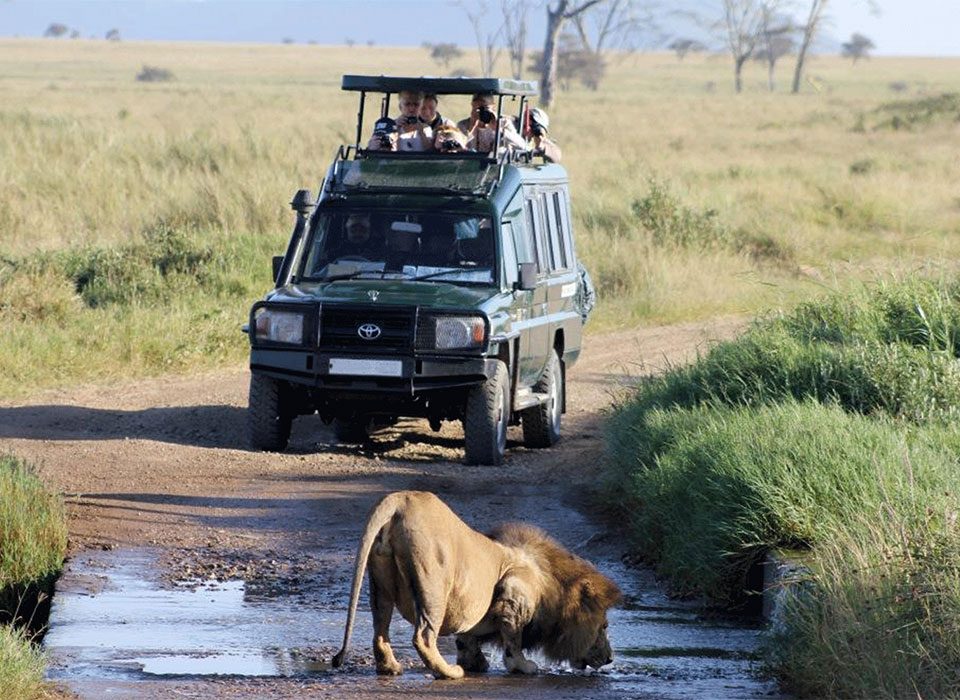
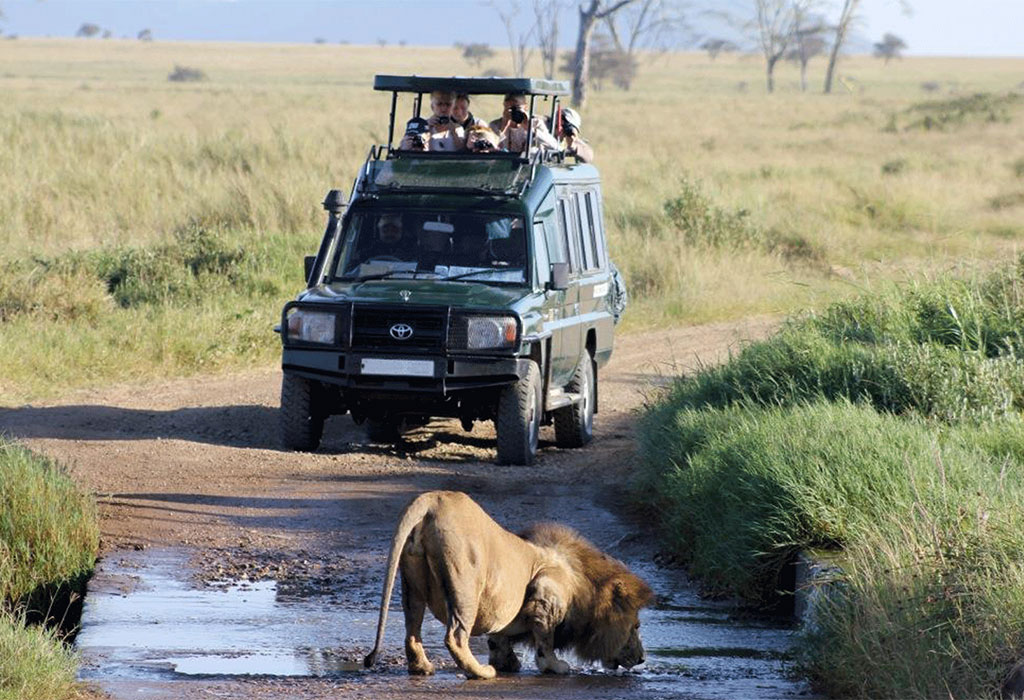
Game drives form the heart of your Akagera safari experience. Professional guide drive you through different park areas in open-top vehicles. These drives give you the best chances to see wildlife up close and take amazing photos.
Early morning drives work best because animals stay active in cooler temperatures. Lions often hunt during these hours, while elephants gather at water sources. Late afternoon drives also provide excellent viewing as animals prepare for evening activities.
Your guide knows where different animals like to spend time. They use radio contact with other guides to share wildlife sightings. This teamwork helps ensure you see as many animals as possible during your visit.
Boat Safari on Lake Ihema
The boat cruise on Lake Ihema adds a special water adventure to your safari day. This largest lake in the park stretches for miles and connects to smaller lakes through channels. The boat ride lasts about two hours and shows you wildlife from a completely different view.
Hippos spend most of their day in the water, and you’ll see many groups lounging in shallow areas. Crocodiles sun themselves on muddy banks or float quietly in the water. Fish eagles soar overhead and dive to catch fish right in front of your boat.
The rare shoebill stork lives in the papyrus swamps around the lake. These huge birds stand perfectly still while hunting for fish. Cormorants dive for fish while herons walk carefully through shallow water hunting for frogs.
Bird Watching Paradise
Akagera National Park attracts bird lovers from around the world. Over 500 bird species live in or visit the park throughout the year. Different habitats support different types of birds, from water birds to forest species.
The papyrus gonolek lives only in papyrus swamps and shows bright red and black colors. Red-faced barbets make loud calls from acacia trees. Various eagles, hawks, and owls hunt other birds and small mammals.
Migratory birds arrive during different seasons, adding even more species to spot. Your guide carries bird identification books to help you learn about different species you see.
Cultural Experiences
Local communities living around Akagera offer cultural activities that enrich your safari experience. These interactions help you understand Rwanda’s traditional way of life and support local families economically.
The Imigongo Art and Craft Center showcases a unique art form using cow dung and natural colors. Prince Kakira designed this center, and local women now run it as a cooperative business. They create geometric patterns on walls and craft items using traditional methods passed down through generations.
Traditional dance performances tell stories of Rwanda’s pastoral communities. Local artisans demonstrate how they make baskets, pottery, and other crafts using materials from the area. These cultural visits help preserve traditions while providing income for families.