
What are the best routes from Masindi District to Murchison Falls National Park?
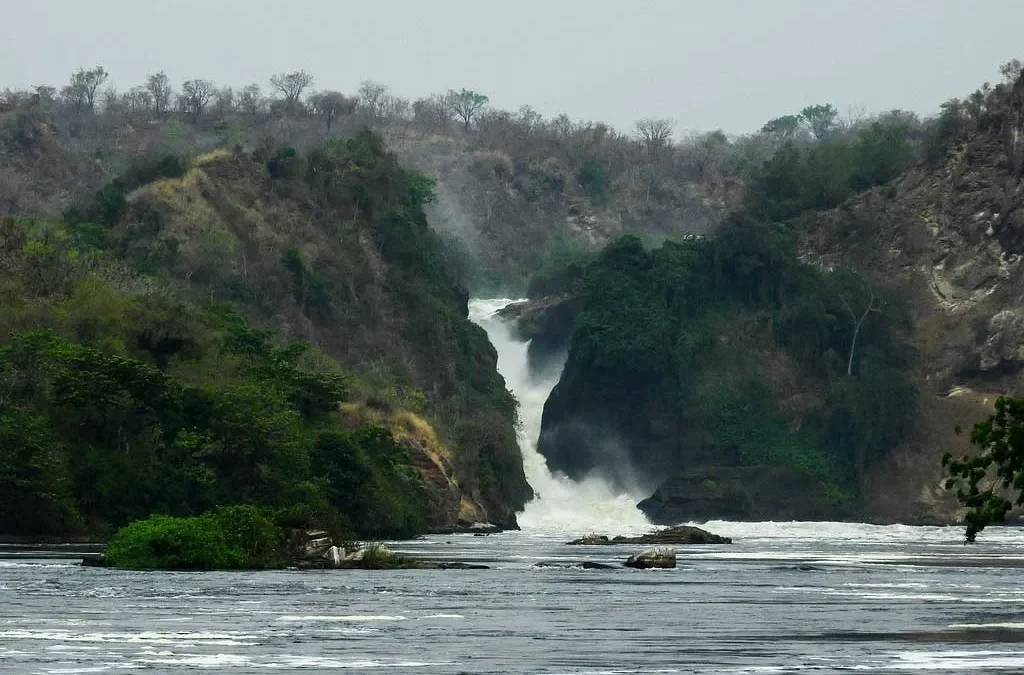
When planning a safari to Murchison Falls National Park from Masindi District, it’s important to pick the best route for an enjoyable adventure. The distance can vary depending on the road from Kampala to the park and the chosen entrance gate within the park. Considering these factors will make your journey smoother.
Southern Access through Masindi
Masindi is south of Murchison Falls National Park, making it a good entry point for those using the southern gate. The Kichimbanyobo gate is only 85 kilometers from Masindi Town, offering the shortest and most memorable safari experience.
Alternative Routes to Murchison Falls
Bugungu Gate
Another option is the Bugungu gate, accessible from Masindi. It’s the longest route to the park, about 135 kilometers more than the Kichumbanyobo gate route. Despite the distance, this path offers a scenic and interesting journey with various species and captivating features along the way.
Northern Routes
Tangi Gate
For visitors coming from northern Uganda, such as Kidepo or Gulu, the Tangi Gate is a good choice. Crossing the Nile through the Nile Murchison Falls Bridge, visitors reach the Paraa region, which provides stunning views of the park, especially if staying at places like Chobe Lodge.
Wankar Gate Path
Located in the northern section of the park, the Wankar Gate path can be accessed by driving a few kilometers from Purungo and branching off at Purongo, near the northern sector of Murchison Falls National Park (Chobe region).
Mubako Gate
Visitors can also enter the park through the Mubako gate on the northern side.
Convenient Access Points
The southern part of the main gates from Masindi town offers easy access to Murchison Falls National Park. Whether taking the shorter route or opting for the more adventurous paths, each journey promises unforgettable experiences and picturesque views of Uganda’s diverse landscapes.
Note
Always feel free to stop and appreciate interesting sights along the way, such as the Budongo forest reserve and the fascinating rift valley, enhancing the overall adventure.
Exploring Murchison Falls National Park: A Wildlife Adventure
Murchison Falls National Park is Uganda’s biggest park. Planning a Safari to Murchison Falls gives you an opportunity to see some amazing animals. The park sits in the northwest of Uganda and is cut in half by the Nile River, which is the longest river globally.
In Murchison Falls National Park, you can find four of Africa’s famous big animals. These are elephants, leopards, lions, and buffaloes. The river Nile is vital for the animals here, especially when it’s hot.
You might have heard of the “big five” animals, but Murchison Falls National Park only has four. Rhinos used to live here, but sadly, they disappeared because of poaching. In 2005, the Ziwa Rhino Sanctuary was set up nearby to bring back the rhinos. Visitors can now see them there.
Different parts of the park have different environments that support wildlife. There are savannah grasslands, river areas, wetlands, and acacia woodlands. These places help animals like elephants, leopards, lions, buffaloes, and rhinos thrive.
More than Just the Big Five
Murchison Falls National Park isn’t just about the big five. It’s home to over 75 types of mammals and more than 350 bird species. So, besides game drives to see the big animals, you can also enjoy birdwatching.
When you visit the park, you’ll see other animals such as reedbucks, Oribis, Ugandan kobs, warthogs, giraffes, hippos, Nile crocodiles, bush pigs, and more.
Best Time to Visit Murchison Falls National Park
You can visit Murchison Falls National Park in Uganda any time of the year, from January to December. However, the best times to go are from December to February and then June to October. During these months, the weather is dry and sunny, making it easier to explore the park and see wildlife. The dry season is particularly good because animals gather around water sources, making them easier to spot.
Dry Season in Murchison Falls National Park
The dry season in Murchison Falls National Park happens from December to February and then from June to September. During this time, there’s little rain and lots of sunshine, which is ideal for tourists. The park has a hot climate all year round, but during the dry season, it’s even hotter. December and January can be especially sunny, so it’s important to bring light clothes and plenty of water. This time of year is perfect for visiting because the weather is nice, and you can see lots of animals.
Rainy Season in Murchison Falls National Park
The rainy season in Murchison Falls National Park occurs from July to November and from March to late May. Even though it rains more during this time, the park is still beautiful with lush green vegetation. Sometimes, the rain doesn’t interfere with safaris, but roads can become muddy, so it’s important to be prepared. If you visit during the rainy season, you might not see as many animals because some of them hide, but it’s still possible to have a great experience. Just be ready for wet conditions, especially if you’re trekking for chimpanzees.
Tourism Seasons in Uganda
In Uganda, there are high and low seasons for tourism. The peak season is from June to October because the weather is dry, making activities like game drives and gorilla trekking more enjoyable. However, accommodation can be limited during this time, so it’s best to book in advance. The low season is from March to May and November when there’s more rain. During these months, accommodation prices may be lower, and there are fewer tourists, so it’s a good time to visit if you want to avoid crowds and save money.
Best Time for Wildlife in Uganda
The best times to see wildlife in Uganda are generally in December, January, February, June, July, August, and early September. During these months, the weather is dry, and animals are easier to spot near water sources. There’s little rain, so you can enjoy safaris without worrying about getting wet or sick. The heat in January and February can be intense, but it offers a great safari experience. Even during the wet season, which is from April to May, and October to November, there are still opportunities to see wildlife, especially for birdwatchers. Plus, there are fewer tourists, so you can enjoy the beauty of the park without the crowds. If you’re planning a safari to Murchison Falls National Park, consider these factors when booking your tour.