Uganda holds roughly half of the world’s remaining mountain gorillas. That single fact makes Uganda Gorilla Trekking Safaris one of the most meaningful wildlife experiences available anywhere on earth. These animals do not exist in captivity in any meaningful number. You cannot see them at a zoo. You can only see them by walking into their home, on their terms.
Beyond the gorillas themselves, Uganda offers thick rainforest, active volcanoes, warm and welcoming communities, and a far lower price tag than its closest competitor. Travelers who choose Uganda Gorilla Trekking Safaris often say the experience felt more raw and less staged than what friends described after visiting neighboring countries.
Trekking parks: Bwindi Impenetrable Forest and Mgahinga Gorilla National Park
Permit cost: 800 USD for Foreign Non-Residents, $700 for Foreign Residents, $500 for Africans outside East Africa Community and UGX300,000 East African Citizens (During Peak Season). Discounted rates for month of April, May and November ($600 for Foreign Non-Residents and $500 for Foreign Residents)
Best months: June through September, and December through February
Trek duration: Anywhere from 1 to 8 hours of walking, plus one hour with the gorillas
Fitness level: Moderate to challenging, depending on the gorilla family’s location that day
Your Uganda Gorilla Trekking Safaris promise exactly what discerning travelers seek: intimate, private, and flexible encounters with endangered mountain gorillas in Bwindi Impenetrable and Mgahinga National Parks, with itineraries that can be tailored from short 2–3 day trips to extended 10–17 day safaris combining chimpanzee tracking, Big Five game drives, cultural visits, and scenic landscapes
A typical African safari puts you in a vehicle, driving through open plains, watching lions and elephants from a comfortable seat. Uganda Gorilla Trekking Safaris flip that entire model. You leave the vehicle behind. You walk, often for hours, through dense forest, steep hills, and thick undergrowth, guided by trackers who have followed these gorilla families for years.
This is physical, sometimes muddy, and always unpredictable. Rangers radio ahead once trackers locate the gorilla group, and your walking pace adjusts based on how far the animals have moved that morning. No two treks are identical, which is exactly why returning visitors keep coming back for another round of Uganda Gorilla Trekking Safaris.
Once you find the gorillas, park rules allow exactly one hour in their presence. That hour moves differently than any other hour of your life. Some travelers describe it as meditative. Others say it felt like time simply stopped. Either way, this single hour is the emotional peak of nearly every trip built around Uganda Gorilla Trekking Safaris.
Bwindi Impenetrable Forest is a UNESCO World Heritage Site and the single most important location for Uganda Gorilla Trekking Safaris. This 331-square-kilometer forest in southwestern Uganda holds roughly 20 habituated gorilla families spread across four distinct trekking sectors. Its name is not an exaggeration. Vines, moss-covered trees, and steep ravines make this one of the densest forests in East Africa.
| Sector | Location | Terrain Difficulty | Best For | Nearest Town |
|---|---|---|---|---|
| Buhoma | North Bwindi | Easy to Moderate | First-timers, families | Kanungu |
| Ruhija | East Bwindi | Moderate to Hard | Combining with Queen Elizabeth NP | Ruhija village |
| Rushaga | South Bwindi | Moderate | Habituation experience, multiple families | Kisoro |
| Nkuringo | South Bwindi | Hard | Experienced hikers, scenic views | Kisoro |
Permits are the single biggest cost and the single biggest logistical hurdle in planning Uganda Gorilla Trekking Safaris. The Uganda Wildlife Authority controls the entire permit system, issuing a strictly limited number each day to protect the gorillas from overexposure to humans.
As of 2026, a standard gorilla permit for Bwindi or Mgahinga costs 800 USD for foreign non-residents, 700 USD for foreign residents living in Uganda, and a much lower rate for East African citizens. This fee covers your one hour with the gorillas, park entry, and a ranger guide, but it does not cover porters, lodging, meals, or transport.
Only eight people are allowed to visit each gorilla family per day. With around 20 families across Bwindi and one in Mgahinga, that creates a firm daily ceiling on available permits. During peak season, permits for popular sectors can sell out three to six months in advance, which surprises travelers who assume they can book Uganda Gorilla Trekking Safaris last minute.
| Permit Type | Price (2026) | Included | Group Size | Duration |
|---|---|---|---|---|
| Standard Gorilla Permit | 800 USD | Ranger guide, park entry, 1 hour with gorillas | 8 people | Half to full day trek |
| Gorilla Habituation Experience | 1,500 USD | Extended researcher-style access | 4 people | 4 hours with gorillas |
| East African Citizen Rate | Approx. 250,000 UGX | Same as standard | 8 people | Half to full day trek |
| Foreign Resident Rate | 700 USD | Same as standard | 8 people | Half to full day trek |
Booking a permit for Uganda Gorilla Trekking Safaris happens in one of three ways. You can buy directly through the Uganda Wildlife Authority (needs alot of patience), work through a registered tour operator such as Iconic Africa Safaris (take just 3-5 days to get your soft copy permit). Most travelers choose a tour operator because permits require full prepayment and precise passport details, and mistakes here can cause serious delays.
A deposit, sometimes the full amount, is required at booking. Refunds are rarely available if you cancel, though rescheduling is sometimes possible with enough notice. This strict policy exists because unsold permits represent lost conservation revenue that cannot be recovered once the date passes.
Uganda sits near the equator, so temperatures stay fairly stable year-round. What changes dramatically is rainfall, and rainfall is the single biggest factor affecting trail conditions during Uganda Gorilla Trekking Safaris.
June to September marks the long dry season, generally considered the best window for trekking. Trails are firmer, visibility is better, and this period lines up with school holidays in Europe and North America, making it the busiest booking window of the year.
December to February brings a shorter dry season, slightly less crowded than the mid-year peak, with pleasant weather and good trail conditions throughout most of Bwindi and Mgahinga.
March to May is the long rainy season, bringing the toughest hiking conditions of the year. Trails turn slippery and muddy, but this period also brings lower prices and thinner crowds for travelers willing to handle the mud.
October and November offer a shorter rainy spell, still workable for trekking, and often overlooked by travelers, meaning permits are easier to secure on short notice.
Rain can occur in any month in a rainforest environment, so no season guarantees a completely dry Uganda Gorilla Trekking Safaris experience. Packing for wet conditions always makes sense, regardless of when you travel.
Understanding the actual daily structure removes a lot of anxiety before your first attempt at Uganda Gorilla Trekking Safaris. Here is how a typical day unfolds.
You wake early, usually around 5:30 or 6:00 a.m., and eat a light breakfast at your lodge. By 7:00 a.m., you arrive at the park briefing point, where rangers assign trekking groups based on fitness level and check permits against passports. A short safety briefing follows, covering behavior rules around the gorillas.
Groups then depart in vehicles or on foot toward the trailhead matching their assigned gorilla family’s last known location. Walking begins shortly after, and this is where Uganda Gorilla Trekking Safaris become unpredictable. Some groups reach gorillas within 45 minutes. Others walk for six or seven hours through genuinely difficult terrain.
Once trackers confirm the gorillas are near, rangers ask you to leave backpacks and walking sticks behind, keeping only cameras. You approach slowly and quietly. The one-hour clock starts the moment your ranger confirms visual contact, not from when you first hear rustling in the bushes.
Maintain at least seven meters distance from the gorillas at all times, a rule designed to prevent disease transmission between humans and animals that share around 98 percent of our DNA.
Keep your voice low and avoid sudden movements, since loud noise or fast gestures can startle a silverback and trigger a defensive charge, which rangers are trained to manage calmly.
No flash photography is allowed, because sudden bright light can alarm the gorillas and disrupt their natural behavior during your visit.
Turn away if you need to cough or sneeze, covering your mouth fully, since respiratory illnesses are one of the greatest threats to gorilla populations today.
Never eat or drink while near the gorillas, and pack out every piece of trash you brought in, keeping the forest floor free of anything that does not belong there.
Uganda Gorilla Trekking Safaris carry a minimum age requirement of 15 years old, a rule set by the Uganda Wildlife Authority to protect both children and gorillas from unpredictable behavior during close encounters. There is no upper age limit, and travelers well into their seventies complete treks successfully every year.
Fitness matters more than age. Trails involve steep, uneven, sometimes muddy terrain at elevations between 1,160 and 2,607 meters. Altitude alone can leave unprepared travelers breathless within the first twenty minutes. Building basic cardiovascular fitness in the months before your trip genuinely improves your experience.
Hiring a porter is one of the smartest decisions available to anyone planning Uganda Gorilla Trekking Safaris. For roughly 15 to 20 USD, a local porter carries your bag, offers a steadying hand on difficult sections, and pulls you up muddy slopes when needed. Porters are almost entirely local community members, so this fee also directly supports the villages bordering the park.
Packing correctly changes a miserable trek into a manageable one. Below is a detailed list built from years of feedback collected from travelers who completed Uganda Gorilla Trekking Safaris in every season.
Waterproof hiking boots with ankle support are essential, since ankle-twisting terrain and muddy slopes are common throughout both Bwindi and Mgahinga, and regular sneakers simply cannot handle these conditions safely.
Gardening gloves protect your hands from stinging nettles and thorny vegetation along narrow forest trails, and experienced guides consider these one of the most underrated packing items for the trek.
Long trousers tucked into socks create a barrier against biting ants and nettles, reducing the number of uncomfortable stings you will experience during a multi-hour walk through dense undergrowth.
A rain jacket, even in dry season, because rainforest weather changes quickly and a sudden downpour can soak an unprepared hiker within minutes at higher elevations.
A daypack with water and snacks keeps your energy steady through what can become a genuinely long physical effort, especially on days when the gorilla family has moved far from the trailhead.
A walking stick, usually provided free at the park entrance, offers real stability on steep or slippery sections and is worth accepting even if you rarely use hiking poles at home.
A quality camera with a zoom lens captures better images than a phone in the low light common under a thick forest canopy, though phones still work fine for casual photos.
Insect repellent and sun protection guard against both mosquitoes at lower elevations and surprisingly strong equatorial sun during breaks in forest cover.
Where you sleep shapes your entire experience of Uganda Gorilla Trekking Safaris, since drive times to the trailhead vary enormously between properties. Options range from simple guesthouses to award-winning luxury lodges perched on forest ridges.
| Category | Price Range (per night) | Typical Features | Best Sector Access |
|---|---|---|---|
| Budget | 40–90 USD | Simple rooms, hot showers, meals included, solar power | Buhoma, Ruhija |
| Mid-Range | 150–350 USD | Private cottages, hot showers, good food | All sectors |
| Luxury | 500–1,200+ USD | Plunge pools, gourmet dining, forest views | Buhoma, Rushaga, Nkuringo |
Most international travelers fly into Entebbe International Airport near Kampala. From there, two main options exist for reaching Bwindi or Mgahinga, and choosing correctly saves significant time and stress.
Road transport takes roughly 8 to 10 hours from Entebbe to Bwindi, depending on the sector and road conditions, usually broken into two days with an overnight stop near Queen Elizabeth National Park to combine wildlife viewing along the way.
Domestic flights connect Entebbe or Kajjansi airstrip to small airstrips at Kihihi or Kisoro in about 1 to 1.5 hours, cutting travel time dramatically for travelers with limited vacation days.
Self-driving is technically possible but rarely recommended for first-time visitors, since Ugandan roads mix paved highways with rough, pothole-covered sections, especially in the final stretch approaching Bwindi. Most travelers hire a driver-guide through their tour operator, which also allows wildlife spotting along the drive.
Uganda’s tourism regions, including Bwindi and Mgahinga, maintain a strong safety record for visitors. Armed ranger escorts accompany every trekking group, both for gorilla protection and general security in remote forest areas. Serious incidents involving tourists remain extremely rare.
Health precautions matter more than crime concerns. Yellow fever vaccination is mandatory for entry into Uganda, and malaria prophylaxis is strongly recommended given the country’s tropical climate. Travel insurance covering medical evacuation is essential, since Bwindi’s remote location means the nearest advanced hospital care sits hours away.
Altitude and physical exertion pose a bigger practical risk than wildlife or crime for most travelers. Pacing yourself, staying hydrated, and being honest with rangers about your fitness level before assignment all reduce the chance of a difficult day turning genuinely dangerous.
Planning Uganda Gorilla Trekking Safaris follows a fairly predictable sequence once you understand the pieces involved.
Choose your travel dates, ideally 4 to 6 months ahead if targeting peak season months between June and September or December and February.
Book your permit through Iconic Africa Safaris, paying the required deposit or full amount upfront.
Confirm transportation, whether by road transfer or domestic flight, and build in buffer time in case of weather delays.
Get required vaccinations and travel insurance at least a month before departure, since yellow fever certification requires processing time.
Pack according to the checklist above, and reconfirm your booking with your operator roughly two weeks before travel.
This comparison gets asked constantly, and most websites dodge a direct answer because they only sell one country’s product. Here is the honest breakdown.
Rwanda charges 1,500 USD per gorilla permit, nearly double Uganda’s 800 USD rate. Rwanda’s trekking sector, Volcanoes National Park, sits close to Kigali, meaning shorter transfer times and easier logistics for travelers with limited days. Rwanda also markets itself as a more polished, luxury-oriented destination overall.
Uganda counters with lower costs across the board, not just permits but also accommodation and general daily expenses. Uganda also holds more habituated gorilla families across a larger forest area, spreading visitors more thinly and arguably creating a less crowded, more wild-feeling encounter. Many travelers who compare both find Uganda Gorilla Trekking Safaris deliver more value per dollar spent.
Terrain differs too. Bwindi’s dense, ancient forest creates a genuinely tougher, more physically demanding trek compared to Rwanda’s more open volcanic slopes. If raw adventure matters more to you than convenience, Uganda tends to win that comparison. If minimizing travel time and maximizing comfort matters most, Rwanda holds a real edge.
Every permit purchased for Uganda Gorilla Trekking Safaris funnels directly into conservation funding and community development programs. A portion of permit revenue supports the Uganda Wildlife Authority’s ranger patrols, anti-poaching operations, and veterinary monitoring of gorilla health.
A separate revenue-sharing program returns a percentage of park earnings to communities bordering Bwindi and Mgahinga, funding schools, clinics, and clean water projects. This model gives local villages a direct financial stake in protecting gorillas rather than viewing them as competition for land or resources.
Visiting responsibly matters here. Choosing operators who employ local guides, porters, and staff, and purchasing crafts directly from community cooperatives near the park, extends your positive impact well beyond the permit fee itself. Uganda Gorilla Trekking Safaris done thoughtfully create a genuine cycle of benefit between tourists, wildlife, and local residents.
Booking permits too late, then discovering their preferred dates are sold out months in advance, forces travelers into less convenient sectors or entirely different trip dates than originally planned.
Underestimating the physical difficulty, arriving without any hiking preparation, leads to genuinely miserable treks and sometimes travelers failing to complete the walk at all.
Skipping travel insurance, a decision that becomes painfully expensive if any medical issue or emergency evacuation becomes necessary in this remote region.
Packing the wrong clothing, especially cotton fabrics that stay wet all day once soaked, versus quick-dry synthetic layers that handle rainforest humidity far better.
Refusing a porter to save money, only to struggle badly on steep, muddy sections that a local porter navigates easily and could have helped you through comfortably.
Ignoring the ranger briefing, then behaving in ways around the gorillas that create unnecessary risk, such as raising a voice or making sudden movements during the encounter.
Not budgeting for tips, an expected part of Ugandan tourism culture, leaving guides, porters, and lodge staff feeling under-appreciated despite excellent service throughout the trip.
Travel during shoulder months, October or May, if budget matters more than guaranteed dry trails, since permit availability improves and lodge rates often drop noticeably.
Bring cash in small denominations, since remote lodges and local markets near Bwindi rarely accept cards, and ATMs are scarce outside major towns.
Arrive a day early before your trek date, avoiding same-day flight connections that could delay your arrival and jeopardize your permit slot if weather disrupts flights.
Few travelers fly all the way to Uganda for gorillas alone, and building a broader itinerary around Uganda Gorilla Trekking Safaris makes excellent use of the time and money already invested in reaching this part of the world.
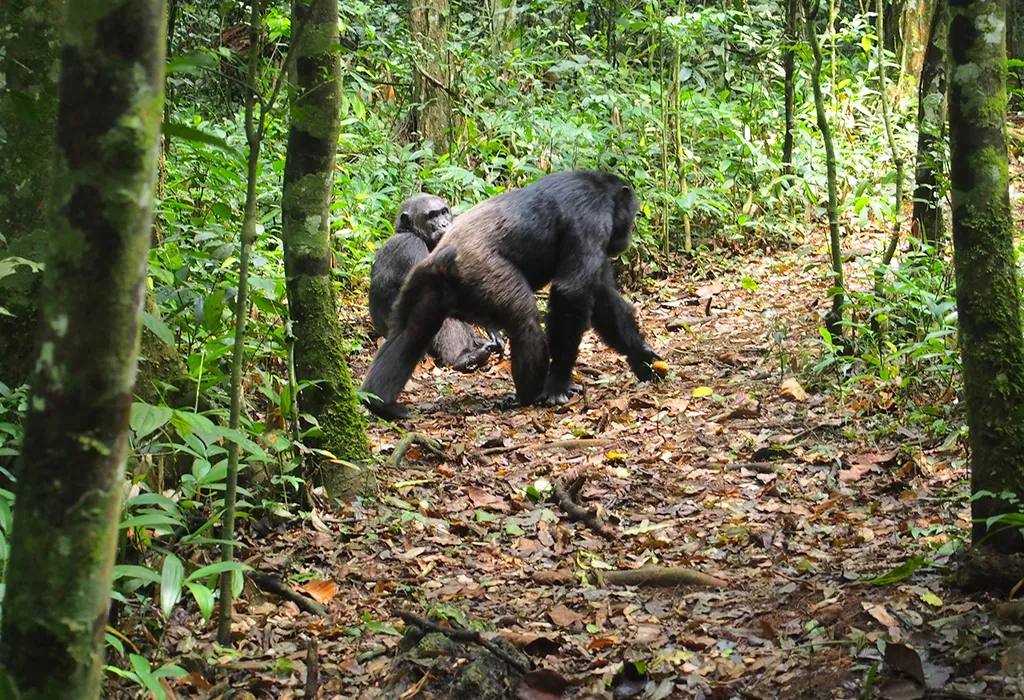
Chimpanzee tracking in Kibale Forest pairs naturally with gorilla trekking, since Kibale sits roughly four to five hours from Bwindi by road. Chimpanzees behave very differently from gorillas, moving quickly through the canopy rather than resting on the ground, giving travelers a genuinely different primate encounter within the same trip.
![]()
Queen Elizabeth National Park, already mentioned for its game drives and boat cruise, adds classic savannah wildlife including lions, elephants, buffalo, and hippos, all within a short drive of the main Bwindi sectors, making it the most popular add-on for travelers extending their Uganda Gorilla Trekking Safaris.
![]()
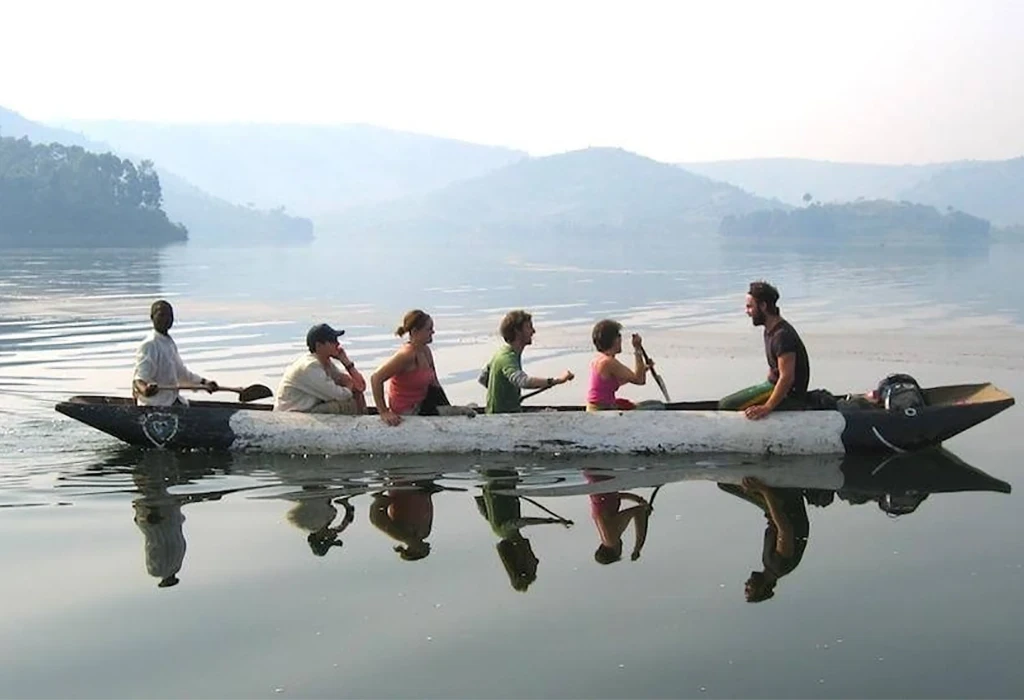
Lake Bunyonyi, sometimes called the Switzerland of Africa for its terraced hillsides and cool climate, offers a genuinely relaxing stop after the physical demands of trekking, with canoeing, swimming, and island-hopping available in a landscape free of dangerous wildlife.
![]()
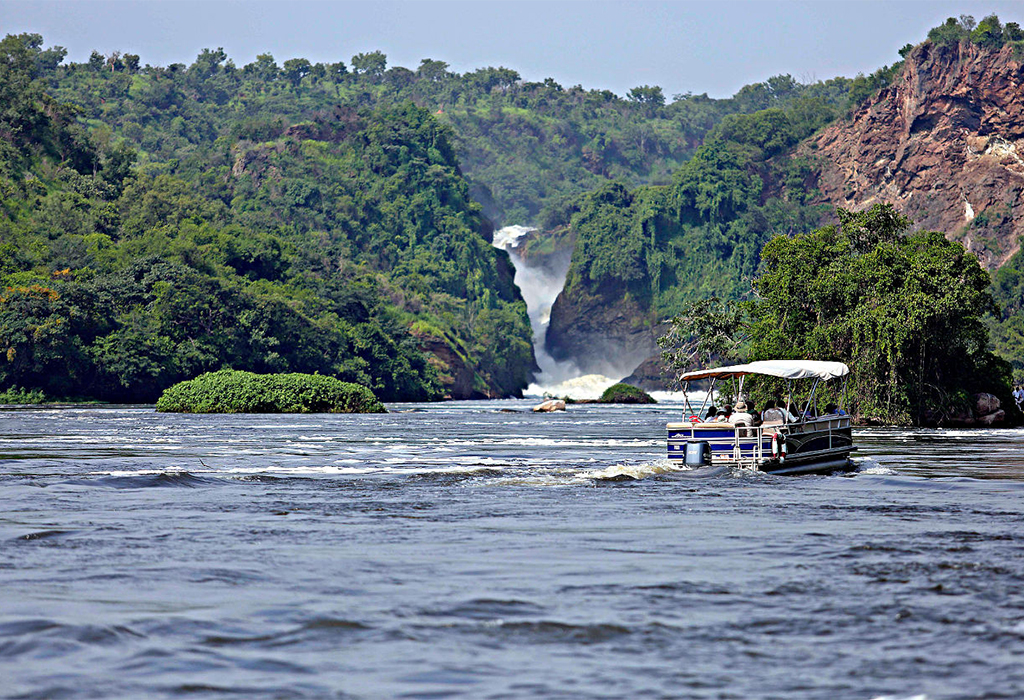
Murchison Falls National Park, further north, requires more travel time but rewards visitors with dramatic waterfalls, tree-climbing lions, and one of Uganda’s largest concentrations of wildlife, appealing to travelers building a longer two-week itinerary around their gorilla trek.
![]()
Building any of these additions around Uganda Gorilla Trekking Safaris transforms a single-purpose wildlife trip into a genuinely comprehensive Uganda adventure, and most tour operators can arrange seamless transitions between each location without requiring you to manage separate bookings yourself.
Deciding between a luxury and a budget approach to Uganda Gorilla Trekking Safaris comes down to honest priorities rather than simply how much money you have available. Both paths lead to the identical hour with the gorillas, since permit rules and park regulations apply equally regardless of where you sleep at night.
A budget-focused version of Uganda Gorilla Trekking Safaris suits travelers comfortable with simple rooms, shared transport, and fewer frills, typically spending well under 2,500 USD for a complete trip including flights within the region. This path still delivers the core experience without compromise on the trek itself.
A mid-range version of Uganda Gorilla Trekking Safaris adds private transport, better food, and more comfortable lodges, generally landing between 2,500 and 4,500 USD per person, representing the sweet spot most travelers ultimately choose after comparing their options carefully.
A luxury version of Uganda Gorilla Trekking Safaris can exceed 6,000 USD per person, adding private guides, top-tier lodges with plunge pools, and sometimes helicopter transfers between parks, appealing to travelers who want maximum comfort wrapped around their wildlife encounter.
Whichever budget tier you choose, remember that the permit fee, the physical trek, and the hour with the gorillas remain exactly the same experience at their core. Uganda Gorilla Trekking Safaris reward good planning far more than they reward simply spending more money.
Budget roughly 1,600 to 4,000 USD per person for a complete trip, including the 800 USD permit, mid-range accommodation, transport, meals, and tips, though luxury travelers can spend significantly more.
Moderate fitness is sufficient for most sectors, though Nkuringo and parts of Ruhija demand better cardiovascular conditioning due to steeper terrain and higher elevation gain.
The minimum age is 15 years old, a firm rule enforced by the Uganda Wildlife Authority across all sectors and all gorilla families without exception. Children who travel with adults and can’t trek, stay at the lodge for alternative activities.
Trekking continues in nearly all weather conditions, since gorillas remain active in rain, though trails become considerably more slippery and the pace naturally slows down.
Most nationalities require a visa, available either online in advance through Uganda’s e-visa system or on arrival at Entebbe International Airport for eligible countries.
4 to 6 months ahead is ideal for peak season dates, though shoulder season permits sometimes remain available with just a few weeks’ notice.
Uganda offers lower costs, more habituated families, and arguably wilder terrain, while Rwanda offers shorter transfers and more polished luxury infrastructure, so the better choice depends on your priorities.
The Uganda Wildlife Authority typically offers a free repeat permit if trackers fail to locate any gorilla family on your trekking day, though this outcome is genuinely rare.