
Uganda Gorilla Trekking in Peak Season
Uganda Gorilla Trekking in Peak Season: Costs, Permits & Booking Tips
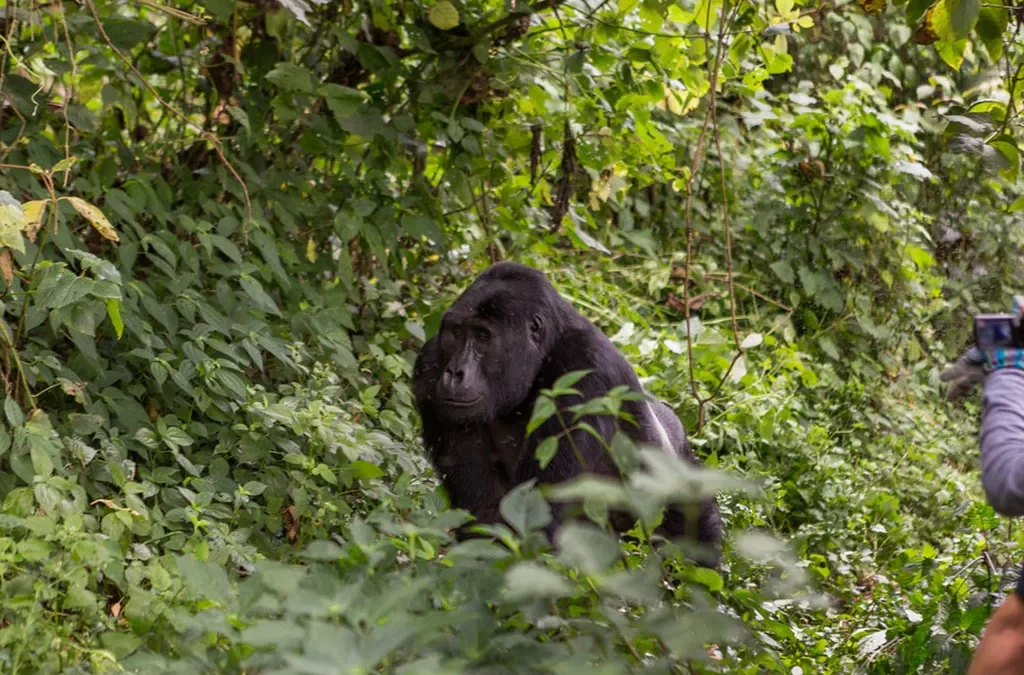
Uganda gorilla trekking in peak season in months of June, July, August and September peak season is one of the most rewarding wildlife experiences in East Africa, but it also requires careful planning. Demand for gorilla permits, accommodation and safari vehicles is higher during these busiest travel months, so travelers who want specific trekking dates and preferred lodges should plan ahead. The good news is that with the right route and booking strategy, a peak-season gorilla safari can still be well organized and comfortable.
The current standard gorilla trekking permit for foreign non-residents in Uganda is $800 per person, while discounted permits may be available during designated promotional periods. However, the permit is only one part of the total safari cost. Accommodation, transportation, meals, guide services, park-related costs and the number of people sharing the vehicle all influence the final price.
At Iconic Africa Safaris, we have handled Uganda gorilla safaris and understand that good planning involves much more than securing a gorilla permit. The trekking sector, accommodation location, arrival point, road route and activities before and after the trek all need to work together. This is especially important during peak season when availability can change quickly.
Uganda Gorilla Safari Packages (Customizable)
| Tour Package | Cost Per Person |
|---|---|
| 2 Day Luxury Bwindi Gorilla Safari through Kigali | Starting from $2,015 |
| 3 Day Uganda Gorilla Trekking Tour | Starting from $1,450 |
| 3 Day Gorilla Habituation Safari through Kigali | Starting from $2,450 |
| 3 Day Luxury Gorilla Trekking Tour Uganda | Starting from $2,315 |
| 4 Days Bwindi Double Gorilla Trekking Safari | Starting from $2,600 |
| 4 Day Gorilla and Golden Monkey Safari from Kigali | Starting from $1,860 |
| 5 Days Gorilla and Chimpanzee Trekking in Uganda | Starting from $2,260 |
| 5 Days Chimp and Gorilla Habituation in Uganda | Starting from $3,420 |
| 7-Day Uganda Gorilla and Game Adventure | Starting from $2,560 |
| 11 Days Uganda Gorilla Tracking & Wildlife Safari | Starting from $3,555 |
What Is Peak Season for Gorilla Trekking in Uganda?
Uganda’s peak gorilla trekking season generally coincides with the drier travel periods when many international travelers prefer to visit East Africa. June, July, August, September and parts of December and January are commonly considered high-demand periods, although travel patterns can vary from year to year.
The appeal of these months is easy to understand. Travelers often prefer the relatively drier conditions for trekking through Bwindi Impenetrable Forest and combining gorilla trekking with wildlife safaris. Queen Elizabeth National Park, Murchison Falls National Park and other destinations can also fit naturally into a longer Uganda itinerary during this period.
Peak season does not mean that gorilla trekking is impossible during other months. Uganda’s mountain gorillas can be visited throughout the year, and the forest remains a rainforest environment regardless of the season. The main difference is the level of travel demand and the way weather conditions can influence trekking and road travel.
Uganda Gorilla Trekking in June, July, August and September: A Month-by-Month Comparison
June, July, August and September are the core months of Uganda’s dry-season peak, and each has slightly different characteristics worth weighing when you choose your travel dates.
| Month | Weather & Trekking Conditions | Demand Level | Accommodation & Permit Availability | Booking Lead Time |
|---|---|---|---|---|
| June | Start of the dry season; trails firming up after the March–May rains | Rising demand as the peak season opens | Good availability early in the month, tightening toward the end | Book 3–6 months ahead for preferred sectors and lodges |
| July | Generally dry, cooler mornings; considered one of the most comfortable trekking months | High demand; a top month for international arrivals | Popular lodges and specific sectors can fill up | Book 4–9 months ahead, especially for family or group travel |
| August | Dry conditions continue; a favorite month for combining gorillas with wildlife safaris | Very high demand; often the busiest month of the year | Limited last-minute permit and lodge availability | Book 6–9 months ahead, particularly for Rushaga and Buhoma |
| September | Still within the dry season, though short rains can begin to build toward the end of the month | High demand, gradually easing compared to July/August | Availability improves slightly later in the month | Book 4–7 months ahead |
This comparison is a general guide rather than a fixed rule, since weather patterns and travel demand can shift from year to year. The consistent theme across all four months is that trekking conditions are favorable, but permits and preferred accommodation require earlier planning than in the quieter months of the year.
How Much Does Uganda Gorilla Trekking Cost in Peak Season?
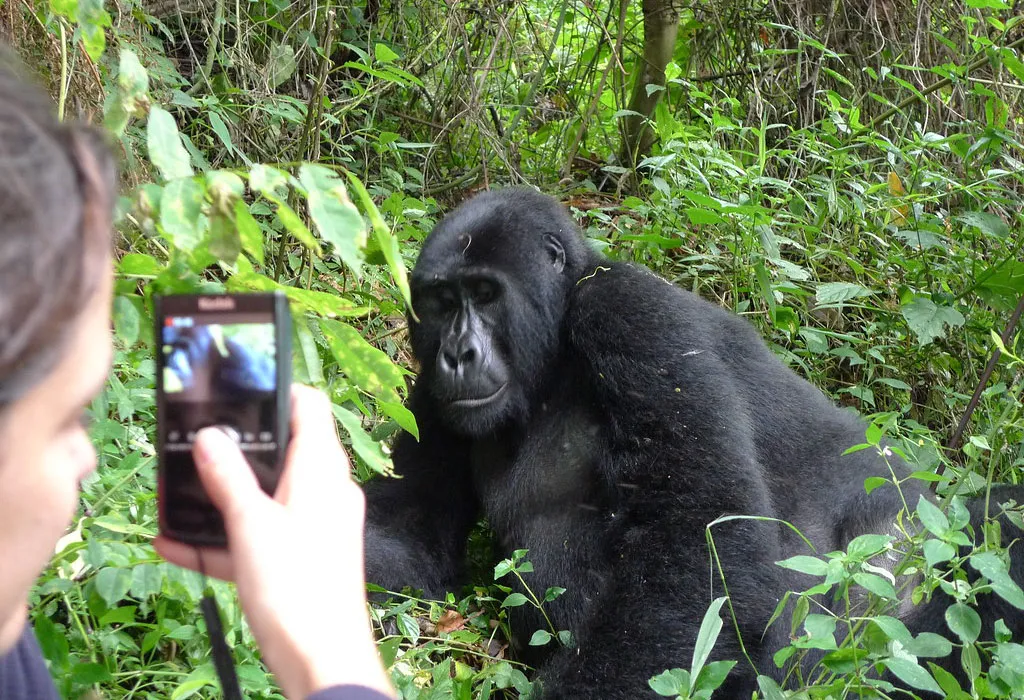
The cost of Uganda gorilla trekking in peak season depends on several components rather than the gorilla permit alone. Travelers should budget for the permit, accommodation, transportation, meals, guide services and other activities included in their itinerary.
For international travelers, the $800 gorilla trekking permit is currently the most important fixed cost. The permit gives you access to the gorilla trekking experience in Bwindi Impenetrable National Park or Mgahinga Gorilla National Park on your booked trekking date.
Your total safari price then depends heavily on the style of travel. A budget trip using simple accommodation and shared arrangements can cost considerably less than a private luxury safari with high-end accommodation and additional national park experiences.
Main costs to consider
- Gorilla permit: The permit is currently $800 for foreign non-residents under the standard rate.
- Accommodation: Prices vary significantly between budget, mid-range and luxury lodges.
- Transportation: A private 4×4 safari vehicle and professional driver-guide form a major part of many Uganda gorilla safari costs.
- Meals: Many safari packages include breakfast, lunch and dinner depending on the accommodation and itinerary.
- Additional activities: Game drives, boat trips, nature walks, cultural experiences and other activities increase the overall cost.
- Travel period: Peak-season demand can affect accommodation and other safari services even when the official gorilla permit price remains unchanged.
The most useful way to compare safari prices is therefore to look at what is included, rather than comparing headline prices alone.
How Much Is a Uganda Gorilla Trekking Permit in Peak Season?
Uganda also has different permit categories for other traveler classifications, and promotional rates may apply during specific periods. Because permit policies and promotional offers can change, travelers should confirm the applicable rate when making their booking.
A gorilla permit is not simply an entrance ticket. It secures your participation in a scheduled gorilla trekking experience and is one of the most important components of the safari booking.
During periods of high demand, the practical issue is often not only the price of the permit but availability for your preferred date.
Gorilla Trekking Permit Cost by Category
Uganda Wildlife Authority prices gorilla permits according to the visitor’s residency category. The table below summarizes the standard rates for a one-hour trekking permit, along with the higher-priced Gorilla Habituation Experience permit for those who want extended time with a gorilla family.
| Visitor Category | Standard Trekking Permit | Gorilla Habituation Permit |
|---|---|---|
| Foreign Non-Resident | USD 800 | USD 1,500 |
| Foreign Resident | USD 700 | USD 1,000 |
| Rest of Africa (non-EAC) | USD 500 | USD 1,000 |
| East African Citizen | UGX 300,000 (approx.) | UGX 750,000 (approx.) |
A limited number of discounted permits (around USD 600 for foreign non-residents and USD 500 for foreign residents) have also been introduced by UWA for low-demand months such as April, May and November. These discounted permits are not part of the June-to-September peak season and typically come with stricter conditions, such as no rescheduling and full payment at the time of booking.
Rates are set by Uganda Wildlife Authority and can change, so travelers should always confirm the current price and category rules before booking.
Why You Should Book a Peak-Season Gorilla Trek Early
One of the biggest mistakes first-time travelers make is treating the gorilla permit as something they can arrange shortly before arrival.
During peak travel periods, you may have a particular date in mind, a preferred Bwindi sector and a specific lodge. All three need to align. If your preferred permit date is unavailable, changing the date can also mean changing accommodation and parts of the wider safari route.
From our experience planning Uganda gorilla safaris, it is much easier to build a smooth itinerary when the trekking date is established early. We can then work around the permit when selecting accommodation, transportation and activities.
Early booking is especially useful if you:
- Have fixed international flight dates.
- Want to trek on a specific day.
- Prefer a particular Bwindi sector.
- Want a specific lodge.
- Are traveling as a family or larger group.
- Want to combine gorillas with Queen Elizabeth, Kibale, Murchison Falls or another destination.
- Need a private safari vehicle.
- Want to enter Uganda through Kigali and return through Rwanda.
- Are planning a luxury safari with limited preferred accommodation.
When Should You Book a Uganda Gorilla Safari for Peak Season?
There is no single booking deadline that works for every traveler. A solo traveler with flexible dates has more options than a family of six looking for specific accommodation during July.
As a practical approach, travelers with fixed peak-season dates should begin planning several months before travel. The earlier you start, the more choices you normally have for permits, lodges and routing.
The planning sequence should ideally be:
Choose your travel dates → check gorilla permit availability → select the trekking sector → confirm accommodation → build the wider safari route → arrange transport and other activities.
This order can prevent a common problem where travelers book an attractive lodge first and later discover that their gorilla permit is in a different sector.
Which Bwindi Sector Is Best for Peak-Season Gorilla Trekking?

Bwindi Impenetrable National Park is divided into several main gorilla trekking sectors, including Buhoma, Ruhija, Rushaga and Nkuringo.
There is no single sector that is automatically best for every traveler. The right choice depends on your permit availability, accommodation, route and the rest of your safari.
Buhoma
Buhoma sits on the northern edge of Bwindi and is the park’s original and most established trekking sector, with a long track record of hosting gorilla tourism. It generally offers good road access from Entebbe and Kampala, along with a wide range of accommodation options from budget to luxury. Buhoma works particularly well for travelers who want a well-developed base with reliable infrastructure, and it pairs naturally with a longer northern-route itinerary that includes Queen Elizabeth National Park or Kibale Forest before or after the trek.
Ruhija
Ruhija occupies the high, eastern side of Bwindi and is often chosen as a convenient link between the forest and destinations further east or north, such as Queen Elizabeth National Park. Sitting at a higher altitude, it tends to be cooler than other sectors, which some travelers find more comfortable for the trek. Ruhija generally has fewer lodges than Buhoma or Rushaga, so accommodation should be confirmed early. It suits travelers building a route that flows through southwestern Uganda rather than backtracking to a single entry point.
Rushaga
Rushaga, in southern Bwindi, has grown into one of the park’s busiest and most flexible sectors, home to several habituated gorilla families and Uganda’s Gorilla Habituation Experience, which allows visitors up to four hours with a semi-habituated family rather than the standard one-hour visit. Its location makes it a practical choice for travelers entering Uganda from Kigali, since the drive from the Rwanda border is comparatively short. Rushaga generally offers more permit availability than the northern sectors, which can be useful when peak-season dates are tight.
Nkuringo
Nkuringo lies in the far south of Bwindi and is known for its dramatic, mountainous terrain and sweeping views over the forest. Treks here can be more physically demanding than in other sectors, since gorilla families in this area often range across steeper terrain. Nkuringo appeals to travelers seeking a quieter, more scenic setting away from the busier northern sectors, and it connects naturally with nearby Lake Mutanda or Lake Bunyonyi, as well as with a Kigali-based route through southwestern Uganda.
The most important lesson is to choose the trekking sector together with the route, rather than treating the sector as an isolated decision.
Uganda Gorilla Trekking From Kigali in Peak Season
For some travelers, Kigali is a convenient starting point for a Uganda gorilla safari, particularly when the itinerary focuses on southern Bwindi or Mgahinga.
The journey involves crossing from Rwanda into Uganda through an approved border crossing before continuing to the trekking area. Depending on the sector and route, travelers may use the Cyanika or Katuna/Gatuna border routes.
One advantage of starting in Kigali is that travelers can avoid the longer overland journey from Entebbe when their safari is focused on southwestern Uganda. The exact travel time depends on the border crossing, road conditions, destination and stopovers.
We normally consider the starting point together with the gorilla sector before finalizing the itinerary. This helps avoid unnecessary driving and makes the safari more comfortable.
Uganda Gorilla Trekking From Entebbe
Entebbe remains an important gateway for Uganda gorilla safaris. Travelers arriving at Entebbe International Airport can begin their safari from the airport or nearby accommodation before traveling west toward southwestern Uganda.
An Entebbe-based itinerary is particularly useful when gorilla trekking is part of a longer Uganda safari.
For example, travelers can combine:
- Entebbe and Kampala.
- Ziwa Rhino Sanctuary where appropriate.
- Kibale Forest for chimpanzee trekking.
- Queen Elizabeth National Park.
- Bwindi Impenetrable National Park.
- Lake Bunyonyi.
- Mgahinga Gorilla National Park.
- Murchison Falls National Park on a longer northern route.
The main consideration is travel time. The overland journey from Entebbe to Bwindi is considerably longer than many routes from Kigali, so the itinerary should allow enough time for road travel rather than trying to squeeze the entire safari into a very short schedule.
How We Plan Peak-Season Gorilla Safaris
Planning a gorilla safari is not simply a matter of adding a permit to a hotel reservation. We first look at the traveler’s available dates, arrival point, preferred accommodation level and other destinations they want to visit.
We then consider which gorilla trekking sector fits the route best. This is particularly important in Bwindi because the forest is large and the trekking sectors are geographically separated. Staying close to the correct sector can make the morning of the trek much easier.
After the trekking date and sector are established, accommodation can be selected around the route. We also consider the driving distance before and after the trek, especially when travelers are combining gorillas with wildlife activities.
For private safaris, the 4×4 vehicle and driver-guide become an important part of the experience. A good route should allow enough time for the driver-guide to manage road travel, planned stops and changes that can occur during a safari.
This practical route planning is one reason we advise travelers not to build their entire Uganda safari around accommodation photographs or online prices alone.
Is Peak Season the Best Time to See Gorillas?
Peak season is popular because many travelers prefer the generally drier conditions for trekking and road travel. However, it does not mean that the gorillas are better during peak season.
Mountain gorillas live in Bwindi and Mgahinga throughout the year. Trekking remains possible during the wetter months, and some travelers deliberately choose lower-demand periods because of potentially lower safari costs and greater flexibility.
The best time depends on your priorities.
- If your main concern is weather and easier general travel conditions, peak-season months can be attractive.
- If your main concern is lower overall safari cost and greater flexibility, the quieter seasons may deserve consideration.
- If your priority is simply seeing mountain gorillas, the experience can be rewarding throughout the year.
Does Peak Season Make Gorilla Permits More Expensive?
Not necessarily. The official gorilla permit price is separate from the seasonal demand for accommodation, vehicles and other safari services. A peak travel period can therefore make the overall safari more expensive without necessarily changing the standard permit price.
This distinction is important when comparing Uganda gorilla safari prices online. Two companies may advertise different prices even though both include the same gorilla permit.
The difference could come from accommodation category, number of nights, vehicle type, number of travelers, meals, activities or the route being used.
Always check the inclusions before deciding that one package is cheaper.
How Many Days Do You Need for a Uganda Gorilla Safari?
A gorilla trekking trip can be organized in as little as a few days, but the ideal duration depends on where you start and what else you want to experience.
A short trip can focus almost entirely on gorilla trekking. Longer safaris allow you to combine the forest with wildlife and cultural experiences.
Popular combinations include:
- Gorilla trekking and Queen Elizabeth National Park.
- Gorillas and chimpanzee trekking.
- Gorillas and Lake Bunyonyi.
- Gorillas and Mgahinga.
- Gorillas and Murchison Falls.
- Uganda gorillas combined with Rwanda.
- Uganda gorillas followed by a Kenya or Tanzania safari.
For travelers flying into Entebbe, adding additional destinations can make the long journey to southwestern Uganda more worthwhile.
What Is Included in a Uganda Gorilla Safari?
Inclusions vary between safari companies and accommodation categories, so travelers should read the quotation carefully.
A typical private Uganda gorilla safari may include:
- Gorilla trekking permit.
- Private 4×4 safari vehicle.
- Professional driver-guide.
- Accommodation.
- Meals according to the itinerary.
- Bottled drinking water.
- Airport transfers.
- Park entry fees for included activities.
- Game drives or boat trips where listed.
- Border assistance where applicable.
- Safari planning and support.
International flights, visas, travel insurance, personal purchases and other exclusions should be checked before payment.
What to Pack for Gorilla Trekking in Uganda
Packing correctly can make the trek much more comfortable. Bwindi is a rainforest environment, so even during a generally dry travel period, rain can occur.
Essential items include:
- Waterproof hiking boots with good grip.
- Long trousers.
- Long-sleeved shirt.
- Lightweight waterproof jacket.
- Warm layer for cool mornings.
- Gardening or trekking gloves.
- Long socks.
- Gaiters.
- Small waterproof backpack.
- Reusable water bottle.
- Insect repellent.
- Sunscreen.
- Hat or cap.
- Camera and spare batteries.
- Walking stick where needed.
- Personal medication.
- Face mask, according to current park and health guidance.
Avoid carrying unnecessary heavy luggage during the trek. Porters are available and can be especially helpful when the terrain becomes steep or muddy.
What Is the Gorilla Trekking Experience Like?
The trekking day normally begins early in the morning at the relevant park headquarters. After registration and briefing, visitors are assigned to trekking groups and receive information about the day’s activity. The trek itself can vary considerably. Gorilla families move through their natural forest habitat, meaning there is no guaranteed walking distance or fixed amount of time before the group reaches them.
Once the gorillas are located, visitors spend the permitted viewing period observing them from the required distance under the guidance of trained trackers and park staff. After the viewing experience, the group returns through the forest to the park headquarters. The physical difficulty can range from relatively manageable to strenuous depending on the location of the gorilla family, terrain, weather and individual fitness.
Gorilla Trekking Rules and Responsible Travel
Mountain gorillas are critically important to Uganda’s conservation and tourism economy, so visitors must follow the rules provided by Uganda Wildlife Authority and the trekking team.
Travelers should maintain the required distance from gorillas, follow the guide’s instructions, avoid feeding or touching the animals and never leave personal waste in the forest.
If you are feeling unwell before the trek, inform the relevant staff. Gorilla tourism is carefully managed because humans can transmit illnesses to gorillas.
Responsible trekking protects the animals while also supporting the communities and conservation work surrounding Bwindi and Mgahinga.
How Fit Do You Need to Be for Gorilla Trekking?
You do not necessarily need to be an experienced mountaineer, but you should be prepared for walking on uneven and sometimes steep forest terrain.
Trekking conditions can change quickly. Some days involve relatively easy walking, while others may require several hours of climbing through dense vegetation.
Travelers who have concerns about mobility or fitness should discuss this during the planning stage. Depending on the circumstances, the trekking sector, accommodation and available assistance can be considered when building the itinerary.
Porters can also provide valuable assistance with backpacks and difficult sections of the trail.
Frequently Asked Questions
How much does a Uganda gorilla trekking permit cost in peak season?
The standard gorilla trekking permit for foreign non-residents is $800 per person, regardless of season. Peak season does not change the official permit price, though it does affect how quickly permits and preferred accommodation get booked up.
When is peak season for Uganda gorilla trekking?
Peak season generally covers June, July, August, September, and parts of December and January, when drier conditions make trekking and road travel easier. Gorilla trekking is possible year-round, but these months see the highest demand for permits and lodges.
How far in advance should I book a peak-season gorilla trek?
Most travelers should start planning 4 to 9 months ahead for June through September, especially if you want a specific date, a particular Bwindi sector, or a specific lodge. Family and larger group bookings generally need more lead time.
Which Bwindi sector should I choose?
There is no single best sector for everyone. Buhoma suits travelers wanting established infrastructure and northern routing, Ruhija works well linking to Queen Elizabeth National Park, Rushaga offers strong availability and access from Kigali, and Nkuringo suits travelers wanting a quieter, more scenic setting.
Is gorilla trekking physically difficult?
Trekking difficulty varies by day and depends on where the gorilla family is located. Some treks involve a relatively short, easy walk, while others require several hours on steep, uneven forest terrain. Reasonable fitness helps, and porters are available to assist with bags and difficult sections.
Is there an age limit for gorilla trekking?
Uganda Wildlife Authority requires trekkers to be at least 15 years old. There is no upper age limit, but travelers with health or mobility concerns should discuss this during planning so the itinerary can be adjusted accordingly.
What happens if it rains during peak season?
Bwindi is a rainforest, so rain can occur even during the drier months. Treks generally proceed as scheduled unless park authorities advise otherwise, which is why waterproof clothing and footwear are essential regardless of when you travel.
Does the price of a gorilla safari include more than the permit?
Yes. A full safari price typically also covers accommodation, a private 4×4 vehicle, a driver-guide, meals, and any additional activities such as game drives or chimpanzee trekking. Always compare what is included rather than comparing headline prices alone.
Can I combine gorilla trekking with other destinations?
Yes. Popular combinations include Queen Elizabeth National Park, Kibale Forest for chimpanzee trekking, Murchison Falls National Park, Lake Bunyonyi, Mgahinga Gorilla National Park, and cross-border extensions into Rwanda.
Get in Touch with Iconic Africa Safaris
If you are planning a peak-season gorilla trek in June, July, August or September, our team can help you secure the right permit dates, choose the best Bwindi sector for your route, and build a comfortable itinerary around it. There are three easy ways to reach us:
- Booking form: Fill out our online booking form and one of our safari consultants will get back to you with tailored options and availability.
- Email: Write to us directly at info@iconicafricasafaris.com with your travel dates, group size and any destinations you would like to combine with gorilla trekking.
- WhatsApp: Click the WhatsApp icon in the bottom right-hand corner of your screen to chat with our team in real time about permits, pricing and itinerary planning.
We recommend reaching out in 4-6 months for peak-season travel, since gorilla permits and preferred lodges are limited and tend to book up well in advance.