
Top Things to See in Meru National Park
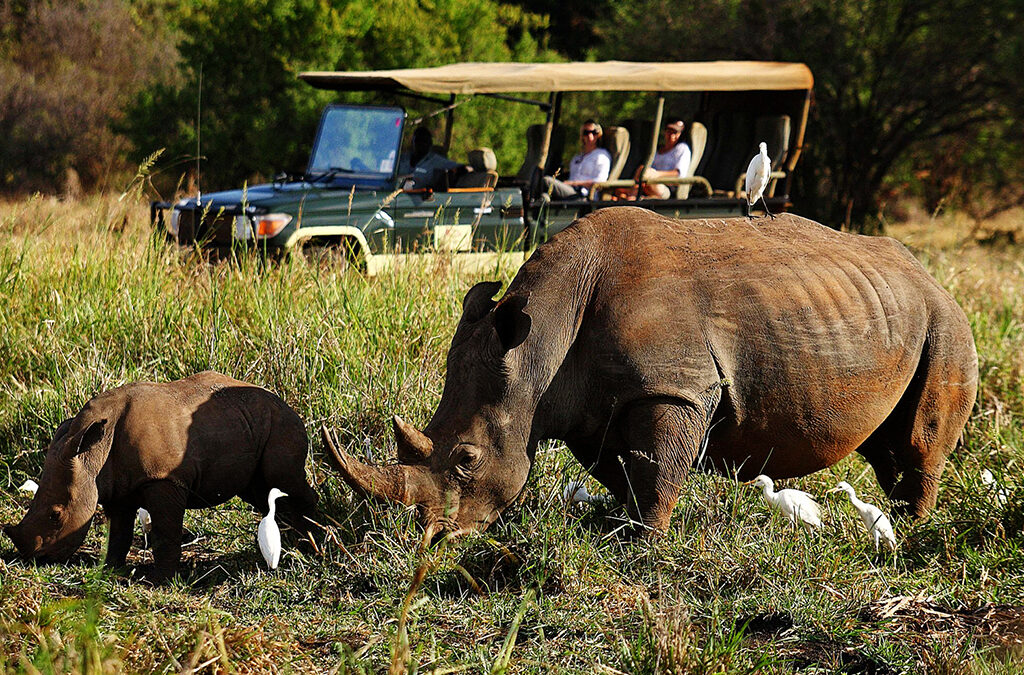
Meru National Park, located in central Kenya, is a hidden gem known for its diverse landscapes, abundant wildlife, and the story of Elsa the lioness. It boasts a rhino sanctuary, rivers like the Tana River, and is home to various animals including lions, elephants, leopards, and over 400 bird species. Despite being less crowded than other parks, it offers a fulfilling and safe safari experience. The park offers visitors amazing chances to see rare black and white rhinos in their protected sanctuary area. Tourists also discover the famous “Born Free” story locations where Joy and George Adamson raised Elsa the lioness decades ago. Wild elephants roam freely across the vast savannahs while lions hunt in the early morning and evening hours. More than 300 bird species make their homes along the park’s three major rivers and woodland areas. Adventure seekers find excellent hiking trails and peaceful camping spots throughout this diverse landscape in eastern Kenya.
Wildlife Highlights
The Famous Rhino Sanctuary
Meru National Park protects both black and white rhinos in a specially fenced sanctuary that covers large areas. Rangers monitor these endangered animals closely and visitors often see them grazing peacefully during morning game drives. The sanctuary provides safe habitat where rhino numbers slowly increase each year through careful breeding programs. Black rhinos prefer thick bush areas while white rhinos choose open grasslands for their daily feeding activities. Photography enthusiasts capture amazing shots of these massive animals against beautiful mountain backdrops throughout the year.
Big Five Animal Encounters
Elephants gather in large herds near water sources and create spectacular viewing opportunities for park visitors daily. Lions rest under acacia trees during hot afternoons then hunt actively when temperatures drop in the evenings. Leopards hide in riverine forests and rocky outcrops but skilled guides know their favorite resting spots. Buffalo herds move across open plains and drink at rivers where tourists watch them from safe distances. These powerful animals create some of the most exciting wildlife moments that visitors remember for years.
Other Amazing Animals
Giraffes stretch their long necks to reach high acacia leaves while zebras graze on short grass nearby. Several antelope species including the rare lesser kudu live in thick bush areas throughout the park. Cheetahs hunt on open plains where they use their incredible speed to catch gazelles and other prey. Hippos spend daylight hours in deep river pools then come onto land after sunset to feed. Crocodiles bask on riverbanks and hunt fish in the flowing waters of all three major rivers.
Bird Watching Paradise
Over 300 bird species live in Meru’s diverse habitats from open grasslands to thick riverine forests year-round. Colorful bee-eaters catch insects in mid-air while Red-necked falcons hunt small mammals from high perches. Weaver birds build intricate nests that hang from acacia branches over rivers and permanent water sources. Water birds including herons and kingfishers fish in shallow areas where hippos create muddy feeding grounds. Early morning walks reveal the greatest variety of bird species when they are most active.
Historical and Scenic Attractions
Elsa’s Kopje Viewpoint
This rocky hill overlooks the exact location where George Adamson established his famous lion camp many decades ago. Visitors climb to the top for amazing views across the Tana River and surrounding wilderness areas. The kopje provides perfect sunset viewing spots where tourists gather each evening with cameras and cold drinks. Historical markers explain how the Adamson family lived here while raising Elsa and other orphaned lions. Morning visits often reveal lions resting in the shade of rocks where Elsa once played as a cub.
Adamson’s Falls Adventure
The 50-meter high waterfall crashes down rocky cliffs creating misty spray that supports lush green vegetation below. Hiking trails lead visitors through thick forest to viewing platforms where they see the falls up close. Joy and George Adamson often brought their lions here for fresh water during the dry seasons. The pool at the bottom attracts many animals including elephants that come to drink and bathe regularly. Photographers love the dramatic lighting that filters through the forest canopy onto the cascading water throughout the day.
Elsa’s Final Resting Place
Elsa the lioness lies buried under a simple stone marker surrounded by native trees and flowering plants. Visitors from around the world come to pay respects to this famous lion who inspired books and movies. The grave site sits peacefully near the Tana River where Elsa learned to hunt and live wild. Fresh flowers often appear on the grave left by tourists who remember her amazing life story. This quiet spot provides a perfect place for reflection about wildlife conservation and human-animal relationships.
River Systems and Water Life
Three major rivers flow through Meru National Park providing year-round water for countless animals and birds. The Tana River forms the southern boundary and supports large hippo populations in its deep pools. Bisanadi River winds through central areas where elephants come to drink during the hottest parts of each day. Rojerwero River flows through northern sections and attracts lions and leopards that hunt along its banks. All three rivers support crocodiles that grow to impressive sizes in the fish-rich waters.
Activities and Adventures
Game Drive Experiences
Early morning game drives offer the best chances to see predators hunting when temperatures stay cool. Professional guides know animal movement patterns and take visitors to the most productive viewing areas each day. Afternoon drives focus on areas near water where animals gather to drink and socialize peacefully. Night drives reveal nocturnal animals including bush babies and various owl species that hide during daylight hours. Private vehicle options allow families to explore at their own pace while guided tours provide expert knowledge.
Bird Watching
Guided walking tours help visitors identify the many bird species that live in different park habitats throughout the year. Self-guided exploration allows serious bird watchers to spend hours in productive areas without time pressure. River walks reveal water birds while forest trails provide chances to see colorful species that prefer thick cover. Early morning hours offer the best bird activity when most species sing and feed actively. Binoculars and field guides help visitors identify and learn about the amazing variety of bird life.
Cultural Experiences
Local communities perform traditional dances and demonstrate crafts that have been passed down through many generations. Visitors learn about traditional hunting methods and how local people lived alongside wildlife for centuries. Cultural centers display artifacts and explain how modern conservation efforts include community participation and benefits. Traditional storytelling sessions share legends about animals and the natural world from local perspectives. These cultural activities help visitors understand the human history of this important wildlife area.
Outdoor Adventures
Hiking trails lead through different habitats from open grasslands to thick riverine forests with varying difficulty levels. Camping sites provide basic facilities where visitors sleep under star-filled skies while listening to animal sounds. Walking safaris with armed guides offer close-up wildlife viewing experiences for adventurous visitors seeking authentic encounters. Fishing opportunities exist in all three rivers where visitors catch various species using traditional methods and equipment. These outdoor activities create lasting memories of Africa’s incredible natural beauty and wildlife diversity.