
Top Places to Encounter Primates in Uganda
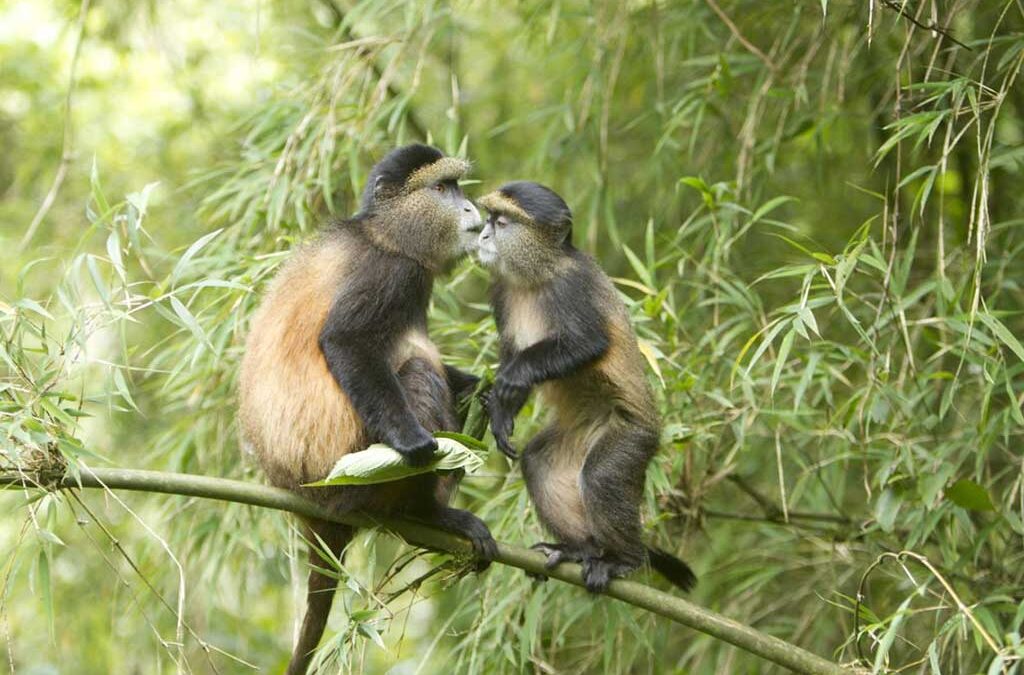
Top places to encounter primates in Uganda include Bwindi Impenetrable National Park, Mgahinga Gorilla National Park, Kibale National Park, and Semuliki National Reserve. These parks host many primates. You can see rare mountain gorillas, chimpanzees, and baboons. Additionally, you’ll find red-tailed monkeys, blue monkeys, golden monkeys, and L’hoest monkeys. Uganda’s national parks offer great opportunities for observing these incredible animals. Bwindi and Mgahinga are famous for gorilla trekking. Kibale allows chimpanzee trekking. Semuliki gives you a chance to spot different monkey species. Visiting these parks offers a unique opportunity to see primates up close in their natural habitat.
Bwindi Impenetrable National Park: Gorilla Trekking
Bwindi Impenetrable National Park is one of the most visited places in Uganda. It sits in the southwestern part of the country and is famous for its large population of Mountain gorillas. Bwindi is home to half of the world’s Mountain gorillas. The park has four sectors for gorilla trekking, making it one of only three parks in the world where you can go gorilla trekking.
On January 17, 2024, five new gorilla families joined the park, further increasing the number of gorillas. Bwindi is divided into four sectors where tourists can trek gorillas: Rushaga, Buhoma, Nkuringo, and Ruhija.
Rushaga Sector: Located in the southern part of the park, this sector is famous for offering gorilla habituation. Gorilla habituation is a special process where gorillas learn to get used to human presence. The new gorilla families in Rushaga include the Rwigi and Tindatine families. Other well-known families here are the Nshongi, Mishaya, Bweza, Kungye, Busingye, Muyambi, and Habinyanja families. Visitors can stay at Bwindi Jungle Lodge, Four Gorillas Lodge, or Rushaga Gorilla Safari Lodge.
Buhoma Sector: This sector lies in the northern part of Bwindi. It is home to the Bunyindo, Rushegura, Katwe, and Mubare gorilla families. Accommodation options here include Buhoma Community Rest Camp, Buhoma Lodge, and Bwindi Lodge.
Nkuringo Sector: Situated in the southern part of Bwindi, the Nkuringo sector is another popular spot for trekking. It is home to the Nkuringo, Christmas, and Bushaho gorilla families. Tourists can stay at Nkuringo Bwindi Gorilla Lodge or Virunga Campsite.
Ruhija Sector: Ruhija is in the northeastern part of Bwindi. This sector is mainly used for research, but visitors can still go gorilla trekking. The gorilla families here include Kyaguliro, Bitukura, and Oruzongo.
Mgahinga National Park: Gorilla and Golden Monkey Trekking
Mgahinga National Park is part of the Virunga Range. It is located in the southwestern part of Uganda and is home to one habituated gorilla family, the Nyakagezi family. This park is one of only two places in Uganda where you can go for gorilla trekking. Mgahinga offers trekking throughout the year, though the dry season is the best time to visit because the trails are less slippery.
Mgahinga is also famous for golden monkey trekking. Golden monkeys are an endangered species, and Mgahinga is home to one of their largest populations. These monkeys are easy to recognize because of their golden fur. Golden monkeys are playful and live in groups of up to 100 individuals. The trekking experience in Mgahinga is less strenuous compared to gorilla trekking and lasts about three hours.
For golden monkey trekking, you need to buy a permit. The cost is as follows:
- Foreign non-residents: $100
- Foreign residents: $100
- EAC citizens: UGX 100,000
Golden monkey trekking can be done year-round, but the dry season is the best time. During the dry season, the trails are easier to use. Mgahinga also offers golden monkey habituation, where tourists can spend more time observing and studying these monkeys in their natural habitat.
Kibale National Park: Chimpanzee Trekking and Habituation
Kibale National Park is considered the best place for chimpanzee trekking in Uganda and East Africa. The park is home to over 1,500 chimpanzees and has three habituated chimpanzee communities. Two of these communities are open for trekking, while the third is reserved for research.
Besides chimpanzees, Kibale is also home to over 13 different species of primates. These include L’hoest monkeys, red colobus monkeys, mangabeys, olive baboons, and blue monkeys.
Chimpanzee trekking in Kibale is done twice a day, in the morning and afternoon. To participate in this activity, you need to buy a chimpanzee trekking permit. The costs are:
- Foreign non-residents: $250
- Foreign residents: $200
- EAC citizens: UGX 180,000
Kibale National Park also offers chimpanzee habituation, which allows you to spend more time with the chimpanzees and observe their behavior closely.
The cost of the chimpanzee habituation permit is:
- Foreign non-residents: $300
- Foreign residents: $250
- EAC citizens: UGX 250,000
Kyambura Gorge: Chimpanzee Trekking
Kyambura Gorge is located in Queen Elizabeth National Park, and it is often called the “Valley of Apes.” The gorge is 16 kilometers long and is surrounded by thick forests. This area is home to a small population of chimpanzees, with about 30 individuals.
In addition to chimpanzees, Kyambura Gorge is home to other primate species like red-tailed monkeys, baboons, black and white colobus monkeys, vervet monkeys, and olive baboons.
The trek in Kyambura Gorge is less popular compared to other chimpanzee trekking destinations in Uganda. However, it allows you to combine chimpanzee trekking with a game drive in Queen Elizabeth National Park. The cost of a chimpanzee trekking permit in Kyambura Gorge is:
- Foreign non-residents: $100
- Foreign residents: $80
- EAC citizens: UGX 50,000
Kalinzu Forest: Chimpanzee Trekking
Kalinzu Forest is located near Queen Elizabeth National Park. It is the second-best destination in Uganda for chimpanzee trekking, after Kibale. Kalinzu is home to more than 300 chimpanzees, 70 of which are habituated. The chances of spotting chimpanzees here are very high, at 90%.
You can do chimpanzee trekking in Kalinzu in both the morning and afternoon. The trekking experience here is less crowded compared to Kibale and Kyambura Gorge. The cost of chimpanzee trekking permits in Kalinzu is:
- Foreign non-residents: $130
- Foreign residents: $65
- EAC citizens: $65
Budongo Forest and Kaniyo Pabidi Forest: Chimpanzee Trekking
Budongo Forest is located in Murchison Falls National Park, and it is another great destination for chimpanzee trekking. Although the forest is not as large as others, it is home to chimpanzees and several other primate species, including baboons, blue monkeys, and red-tailed monkeys.
You can do chimpanzee trekking in Budongo Forest in both the morning and afternoon. The best time to trek is during the dry season. The cost of chimpanzee trekking permits in Budongo Forest is:
- Foreign non-residents: $230
- Foreign residents: $120
- EAC citizens: $85