
Solo vs. Group Chimpanzee Trekking in Uganda
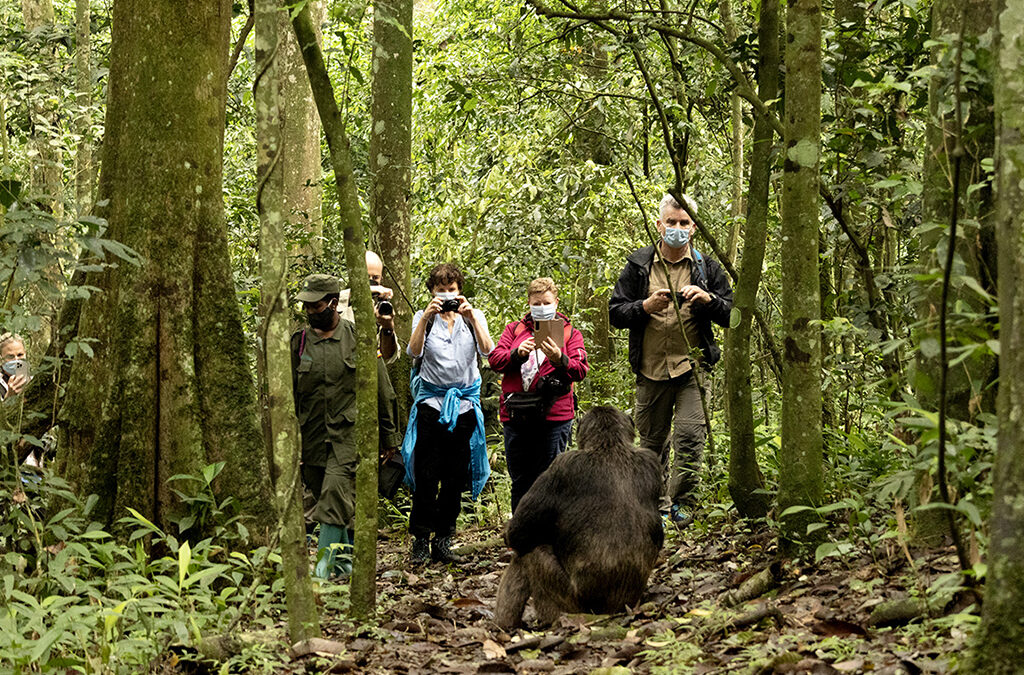
Are you planning to visit Uganda for chimpanzee trekking and you wish to know whether you should travel a lone or in the group for the best experience?. Both options provide chances to see chimps in their natural habitat. However, each choice comes with advantages and disadvantages. Solo trekking allows personal exploration, while group trekking offers shared experiences.
Uganda has top chimpanzee trekking destinations, including Kibale National Park, Budongo Forest and Kyambura Gorge. These forests host large chimp populations, making sightings likely. Choosing between solo Vs group Chimpanzee Trekking in Uganda depends on budget, comfort and adventure preferences. This guide compares both options, highlighting key factors such as cost, safety, and overall experience.
Solo Chimpanzee Trekking
Greater Flexibility
Solo trekking allows full control of the schedule. You decide when to start and how fast to move. No one slows you down or rushes you through the experience. Guides focus entirely on you, making it easier to ask questions. They also adapt the trek based on your fitness level.
More Personal Connection with Nature
Walking alone through Uganda’s forests feels peaceful. You connect deeply with the surroundings without distractions. The sounds of birds, rustling leaves, and distant chimp calls become more noticeable. Without other voices, you fully absorb the atmosphere. The experience becomes more immersive and rewarding.
Easier Photography Opportunities
Photographers benefit from solo trekking. Without a group, you take time to set up shots. No one blocks your view or rushes you. Guides help position you for the best angles. Capturing detailed images of chimps and the forest becomes easier. This makes solo trekking ideal for photography lovers.
Increased Costs
Trekking alone costs more. Groups share fees, reducing the price per person. A private trek means covering all costs alone. Permit prices remain the same, but transport fees increase. Budget-conscious travelers find group trekking more affordable.
Higher Safety Risks
Solo trekking carries more risks. If an emergency occurs, no group members assist. Guides provide safety, but numbers offer extra security. In case of injury or illness, a group provides immediate help. Solo trekkers must stay cautious and follow the guide’s instructions.
Group Chimpanzee Trekking
Shared Experience
Trekking with others creates a social adventure. You share excitement, discoveries, and memorable moments. Friends, family, or even strangers add to the fun. Conversations make the trek more enjoyable and engaging. Laughter and shared experiences enhance the journey.
Cost Sharing
Groups split expenses. Shared transport fees and other costs lower the overall price. This makes group trekking budget-friendly. Travelers looking for an affordable option prefer trekking with others.
Increased Safety
Larger groups offer better safety. If something happens, fellow trekkers provide assistance. Guides also have more support handling unexpected situations. Wild animals avoid big groups, reducing risks. This makes group trekking ideal for safety-conscious travelers.
Less Flexibility
Group treks follow a fixed schedule. Everyone must move at the same pace. Faster walkers slow down for others. Photographers wait for non-photographers to finish viewing. Individual preferences take a backseat to group needs.
Noisy Environment
Larger groups create noise. Talking, movement, and excitement might disturb wildlife. Chimps sometimes can move away before everyone sees them. Solo trekkers enjoy quieter encounters while group trekkers enjoy less intimate moments.