
Self-Drive Safari to Mgahinga via Kabale
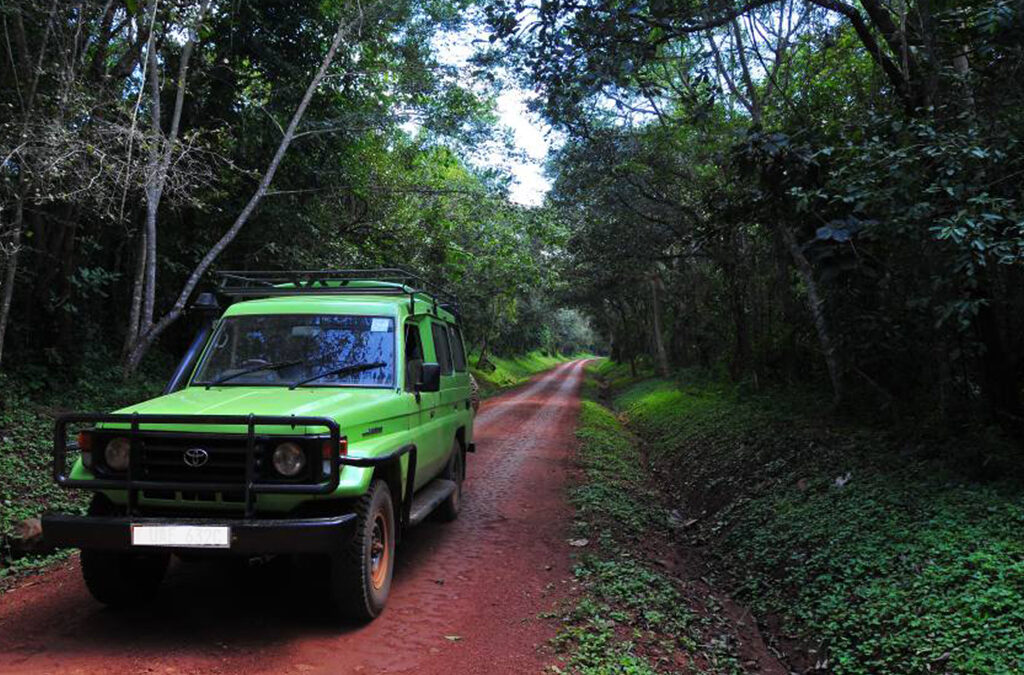
Are you planning a self-drive gorilla safari to Mgahinga Gorilla National Park through Kabale? This adventure takes you through Uganda’s stunning mountain landscapes where you will meet endangered mountain gorillas. The journey from Kabale to Mgahinga offers scenic views through the beautiful Kigezi highlands region. You will drive through winding mountain roads that showcase Uganda’s natural beauty at every turn. The trip requires careful planning because of the challenging terrain and weather conditions you might face. Most travelers need a reliable 4WD vehicle to handle the rough mountain roads safely. The experience rewards you with close encounters with one of the world’s most amazing wildlife species.
Route Planning and Journey Details
From Kabale to Kisoro
The first part of your journey covers approximately 80 kilometers from Kabale to Kisoro town. This section typically takes about two hours of driving time under normal road conditions. The road winds through mountainous terrain that offers breathtaking views of the surrounding hills and valleys. You will pass through small villages and farming communities that dot the landscape throughout this route. The road surface varies from good tarmac sections to rougher patches that require careful driving. Local traffic includes bicycles, motorcycles and pedestrians, so you must drive with extra caution. Weather conditions greatly affect road conditions, especially during the rainy seasons when surfaces become slippery.
Kisoro to Mgahinga National Park
From Kisoro town, you have another 14 kilometers to reach Ntebeko, the park’s main entrance gate. This final stretch takes approximately 30 minutes of steady driving through increasingly rural areas. The road leads through agricultural lands where local farmers grow crops on terraced hillsides. You will notice the landscape becoming more forested as you approach the park boundaries. This section of road sometimes experiences maintenance issues, so drive slowly and watch for potholes. The entrance gate marks the beginning of your gorilla trekking adventure in Mgahinga National Park.
Vehicle Requirements and Recommendations
Choosing the Right Vehicle
A 4WD vehicle becomes essential for this journey because of the challenging mountain terrain ahead. The steep gradients and rough road surfaces require good ground clearance and reliable traction control. Front-wheel drive vehicles struggle on these roads, especially when weather conditions deteriorate during rainy periods. Your vehicle should have good brakes because you will encounter many steep descents along the route. Check your tires before departure since sharp rocks and rough surfaces will test their durability. A spare tire and basic repair tools become necessary items for this mountain journey.
Vehicle Preparation
Fuel your vehicle completely before leaving Kabale since fuel stations become scarce near the park. Check all fluid levels including engine oil, brake fluid and coolant before starting your journey. Your vehicle’s battery should be in good condition because mountain driving puts extra strain on electrical systems. Pack emergency supplies including water, food and warm clothing in case of unexpected delays. Carry a first aid kit and basic tools for minor repairs that might become necessary. Local mechanics are available in Kisoro, but services become limited once you enter the park area.
Road Conditions and Safety Considerations
Understanding Road Challenges
Mountain roads in this region present several challenges that require careful attention and planning. Steep gradients test your vehicle’s engine and braking systems throughout the entire journey to Mgahinga. Sharp curves appear frequently along the route, so maintain moderate speeds and stay alert. Road surfaces vary from good tarmac to rough gravel sections that demand careful navigation. During rainy seasons, roads become slippery and visibility drops significantly due to fog and mist. Landslides occasionally block roads after heavy rains, so check local conditions before traveling.
Weather Impact on Driving
Uganda’s rainy seasons run from March to May and September to November each year. During these periods, road conditions deteriorate rapidly and driving becomes more challenging and dangerous. Fog often covers mountain roads in early morning and late evening hours throughout the year. Plan your driving times to avoid these low-visibility periods whenever possible for maximum safety. Dry seasons offer better driving conditions, but dust clouds sometimes reduce visibility behind other vehicles. Always carry rain gear and warm clothing since mountain weather changes quickly and unexpectedly.
Gorilla Trekking Experience
Permit Requirements and Costs
Gorilla trekking permits are mandatory for all visitors and must be purchased before your visit. The park limits daily visitors to just eight people per gorilla family to protect these endangered animals. Permit costs vary depending on your nationality: Foreign-Non Residents visitors pay $800, Foreign-Non Residents visitors pay $700, African residents outside East Africa pay $500, and East Africa citizens pay UGX 300,000. You should book permits well in advance through Uganda Wildlife Authority (UWA) or Tour Operator in this case Iconic Africa Safaris, since demand often exceeds availability, especially during peak seasons. Iconic Africa Safaris helps travelers secure permits and plan their entire gorilla trekking experience professionally.
The Nyakagezi Gorilla Family
Mgahinga National Park hosts the Nyakagezi gorilla family, the only habituated group available for tourist visits. This family consists of several adults and young gorillas that have become accustomed to human presence. The family moves freely through the park’s dense bamboo forests and volcanic slopes throughout the day. Trackers monitor the gorillas daily and radio their location to guides before trekking groups begin. The family’s movements determine how long your trek will take and which routes you follow. Meeting these magnificent creatures in their natural habitat creates memories that last a lifetime.
Trekking Duration and Difficulty
Your gorilla trek typically lasts between two to six hours depending on where the family travels. The difficulty level varies from moderate to challenging based on terrain and weather conditions encountered. You will hike through thick bamboo forests, steep volcanic slopes and sometimes muddy trails during your search. Physical fitness helps, but most reasonably healthy people complete the trek with determination and proper preparation. Guides provide walking sticks and assistance when needed throughout the journey to find the gorillas. The reward of spending one hour with mountain gorillas makes every challenging step worthwhile.
Accommodation and Logistics
Lodging Options Near Mgahinga
Several accommodation options serve visitors to Mgahinga National Park, ranging from budget-friendly guesthouses to luxury lodges. Most lodges are located in Kisoro town or near the park entrance for convenient access. Budget travelers find clean, comfortable rooms in local guesthouses that offer basic amenities and meals. Mid-range lodges provide better facilities including hot water, WiFi and restaurant services for guests. Luxury options offer premium accommodations with stunning views of the Virunga Mountains and exceptional service. Book accommodation in advance since options become limited during peak tourist seasons.
Essential Services and Supplies
Stock up on essential supplies in Kabale or Kisoro since options become very limited near the park. Fuel stations are available in both towns, but none exist within the park boundaries. Banking services and ATMs are available in Kisoro for last-minute cash needs before your trek. Medical facilities include basic clinics in Kisoro, but serious emergencies require evacuation to larger towns. Pack all necessary medications since pharmacies near the park carry limited supplies and brands. Internet connectivity remains spotty in the area, so inform family and friends about communication limitations.
Planning Your Visit
Best Times to Visit
Dry seasons from June to September and December to February offer the best conditions for gorilla trekking. Road conditions improve significantly during these periods, making self-drive adventures safer and more enjoyable. Wildlife viewing becomes easier when trails are drier and visibility improves in the forests. However, these peak periods also mean higher accommodation costs and more crowded conditions at popular lodges. Rainy seasons offer lower prices and fewer crowds but present challenges with road conditions and trek difficulty. Plan according to your priorities regarding weather, costs and crowd levels for optimal experience.
Working with Iconic Africa Safaris
Iconic Africa Safaris provides professional guidance and support for your self-drive gorilla safari to Mgahinga. Their experienced team helps secure gorilla permits, arrange accommodation and provide detailed route information. They offer vehicle rental services with properly maintained 4WD vehicles suitable for mountain terrain. Local guides from Iconic Africa Safaris know the roads well and provide valuable safety tips. Their support includes emergency assistance and local contacts throughout your journey for peace of mind. Professional tour operators like Iconic Africa Safaris make complex logistics simple and ensure memorable experiences.
Park Rules and Wildlife Respect
Gorilla Interaction Guidelines
Maintain a minimum distance of seven meters from gorillas at all times during your encounter. This distance protects both you and the gorillas from disease transmission and stress-related behavior. Follow your guide’s instructions completely since they understand gorilla behavior and safety protocols best. Avoid direct eye contact with gorillas since they interpret this as threatening behavior. Keep voices low and movements slow to avoid startling or agitating the gorilla family. Photography is allowed, but flash photography is strictly prohibited to protect the gorillas’ sensitive eyes.
Park Conservation Rules
Speed limits within the park protect wildlife and prevent accidents on narrow mountain roads. Stay on designated roads and trails to minimize environmental impact and avoid disturbing wildlife habitats. Littering carries heavy fines since plastic waste threatens wildlife and degrades the natural environment. Smoking is prohibited throughout the park to prevent forest fires and protect air quality. Feeding wildlife is strictly forbidden since it disrupts natural behavior patterns and creates dangerous situations. Respect these rules to help preserve Mgahinga’s unique ecosystem for future generations of visitors.