
Safari in Burundi: 15 Best Safari Experiences to Discover
Safari in Burundi: 15 Best Safari Experiences to Discover
A Safari in Burundi is much more than a search for wild animals on dusty tracks. This small country in East Africa holds wetlands, open savannas, misty forests, tall waterfalls and a vast lake. You can watch hippos at sunrise, hear royal drums at noon and enjoy a golden sunset by the water. Below you will find fifteen of the best experiences to include in your own trip plan.
Burundi receives fewer visitors than many of its neighbors, and that quiet atmosphere is part of its charm. Roads are calm, villages are welcoming and nature always feels very close to every traveler on the journey. A Safari in Burundi can blend national parks, birdwatching, rivers, hills and local culture into one memorable trip.
This guide follows a simple plan so that you can build your own route with confidence. First come 15 experiences, followed by practical advice on timing, costs, packing, safety, local culture and sample itineraries. Each section explains what you can see, why it matters and how to fit it into your plan.
1. Explore Rusizi National Park
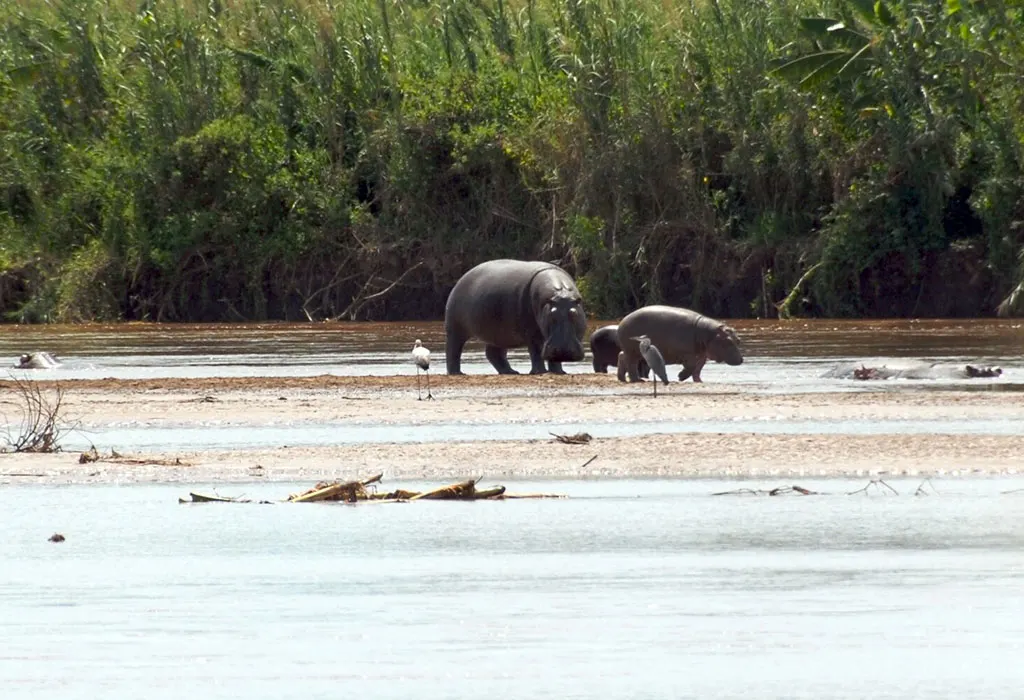
Close to Bujumbura, Rusizi National Park is one of the easiest places to begin a Safari in Burundi. The park protects wetlands around the Ruzizi River and the northern end of Lake Tanganyika, creating an important habitat for hippos, crocodiles and numerous waterbirds. The landscape is relatively flat and compact, making it possible to enjoy a rewarding visit without spending an entire day on the road.
An early morning excursion is particularly enjoyable when the temperatures are cooler and birds are active around the waterways. Depending on conditions, you may see:
- Hippos resting or feeding near the water.
- Nile crocodiles basking along the riverbanks.
- Herons, egrets, kingfishers and other wetland birds.
- Fishermen and local communities going about their daily activities.
The park can easily be combined with a visit to Bujumbura or the shores of Lake Tanganyika. Carry binoculars, drinking water, sun protection and a camera, and always follow your guide’s instructions around wildlife. For travelers arriving in Burundi for the first time, Rusizi provides an easy introduction to the country’s natural environment before longer journeys into the interior.
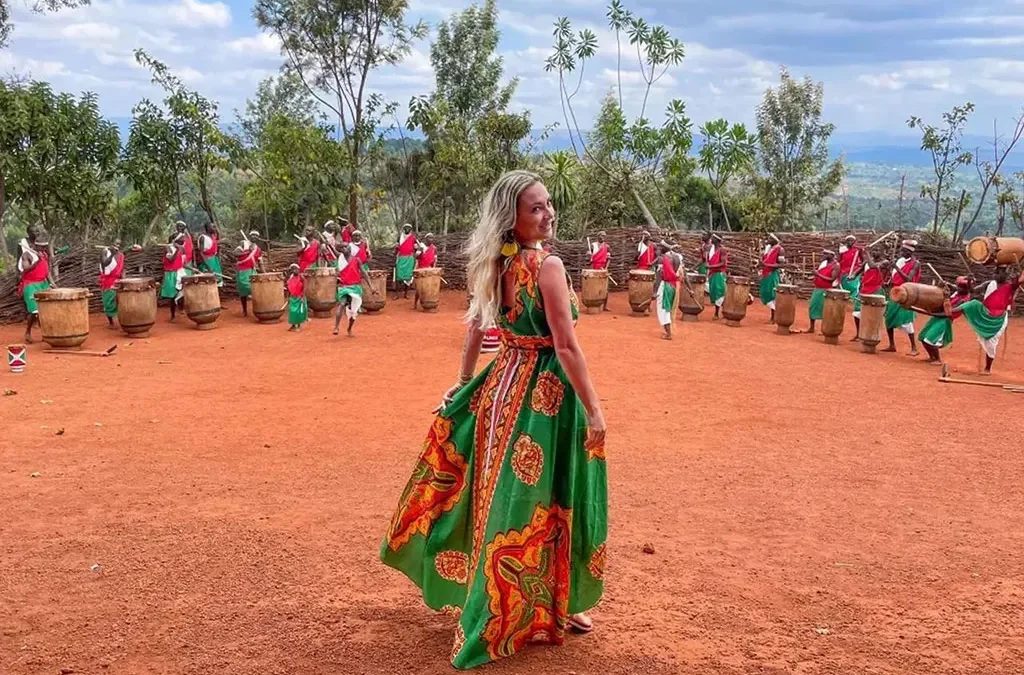
2. Experience the Gishora Royal Drums

Few cultural experiences capture Burundi’s identity as vividly as the Gishora Royal Drums. Located near Gitega, Gishora is closely associated with the country’s historic royal drum tradition. The powerful performances combine rhythm, movement and ceremony, creating an experience that is very different from conventional sightseeing.
The drums once held an important position within the royal court and were treated with deep respect. Today, performances provide an opportunity for visitors to learn about this important part of Burundian heritage while supporting the people who continue the tradition.
During your visit, take time to appreciate:
- The remarkable coordination between the drummers.
- The different rhythms produced during the performance.
- The ceremonial significance of the royal drums.
- The history behind Burundi’s former monarchy.
- Traditional dancing and the atmosphere surrounding the performance.
Gishora works particularly well alongside a visit to Gitega and the National Museum. Arrive with an open mind, ask your guide about the meaning of the performance and request permission before taking close-up photographs. For many travelers, the experience becomes one of the cultural highlights of their Safari in Burundi.
3. Discover Ruvubu National Park
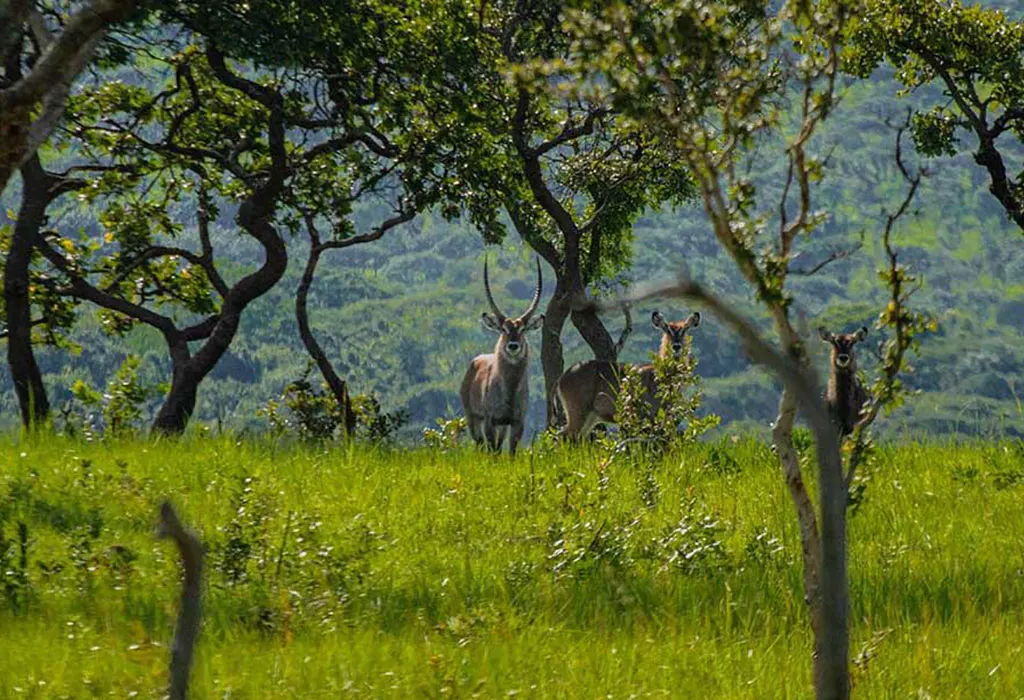
For travelers looking for a more traditional wildlife experience, Ruvubu National Park is one of the most important places to include. Located in northeastern Burundi, the park follows the Ruvubu River and protects extensive savanna, woodland, wetlands and riverine habitats.
The park is considerably farther from Bujumbura than Rusizi, so reaching it requires more time and careful planning. The journey, however, is part of the experience. Roads pass through rural landscapes, farming communities and rolling hills before reaching the more remote surroundings of the park.
Wildlife sightings can include:
- Hippopotamuses around the river.
- Crocodiles in suitable waterways.
- Buffalo and various antelope species.
- Monkeys and other smaller mammals.
- A wide selection of birds.
An early start is worthwhile, particularly during warmer periods when animals become less active during the middle of the day. Because facilities can be limited, travel with sufficient drinking water, snacks, sun protection and other essentials.
If your schedule allows, spending a night near the park makes the experience less rushed. Rather than treating Ruvubu as a long day trip, you can enjoy the journey, settle into the surrounding countryside and return for an early wildlife outing the following morning.
4. Visit Karera Waterfalls
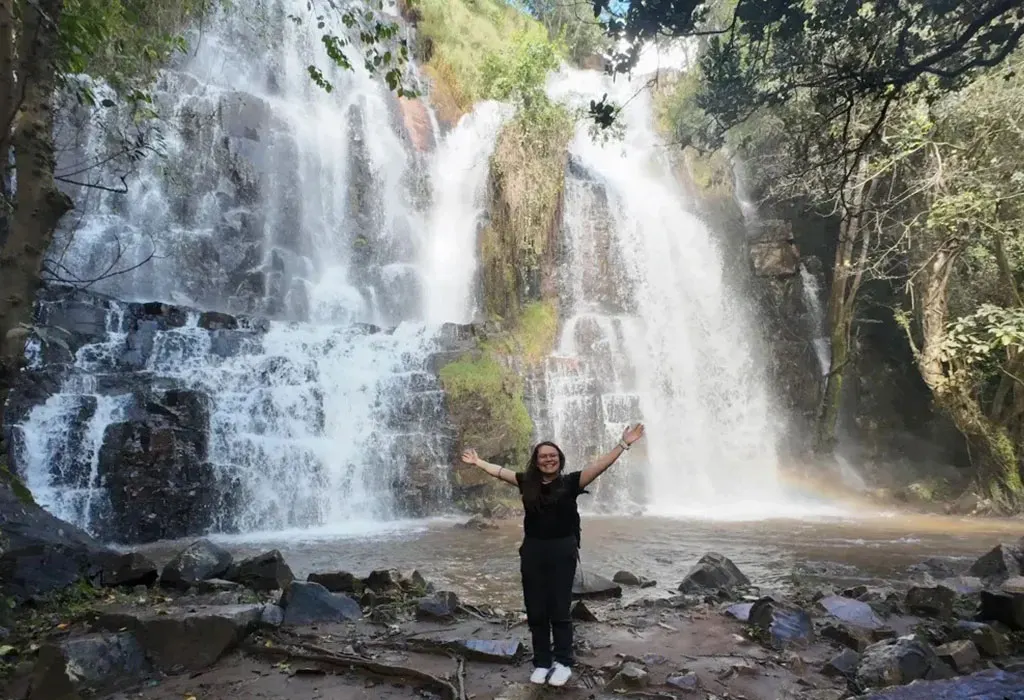
The Karera Waterfalls are among Burundi’s most attractive natural attractions. Located in Rutana Province, the waterfalls descend through a series of green landscapes and rocky ledges, creating several cascades surrounded by vegetation.
The scenery changes with the seasons, but the area is particularly impressive when there has been sufficient rainfall and the waterfalls are flowing strongly. The surrounding hills also make the journey worthwhile, especially for travelers who enjoy photography and scenic landscapes.
During a visit, you can:
- Walk between different viewpoints around the waterfalls.
- Photograph the cascades and surrounding hills.
- Enjoy a picnic in a suitable area.
- Combine the waterfalls with the nearby Nyakazu Fault.
- Spend time exploring the countryside around Rutana.
Good footwear is important because paths and rocks can become slippery. Stay away from unstable edges and follow local guidance, particularly after heavy rain.
Karera is best included as part of a southern Burundi route rather than as an isolated attraction. Combined with Nyakazu Fault, Rutovu, Bururi and other highland destinations, it can form one of the most scenic sections of a Safari in Burundi.
5. Walk Through Kibira National Park
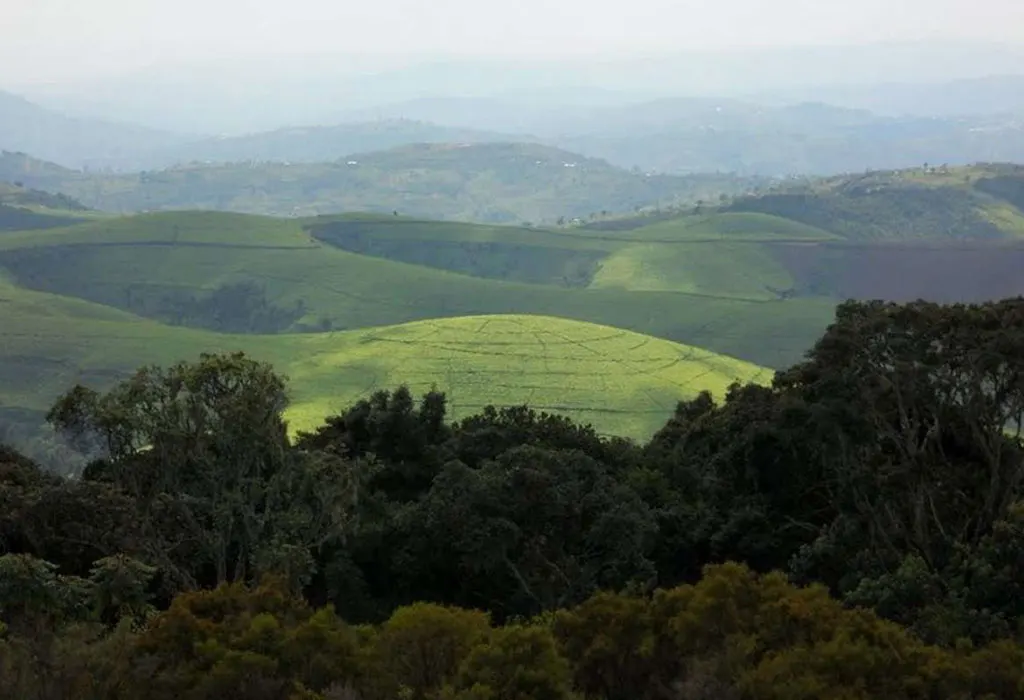
If you enjoy forests, hiking and birdwatching, Kibira National Park offers a completely different atmosphere from Burundi’s wetlands and savannas. Located in the northwest, the park protects a large area of montane rainforest and forms part of the wider forest ecosystem that extends toward Rwanda’s Nyungwe Forest.
Inside the forest, tall trees, ferns, vines and thick vegetation create a cool and often misty environment. Monkeys and forest birds live among the trees, although wildlife can be difficult to spot because of the dense vegetation.
A forest excursion is more rewarding when you:
- Walk with an experienced local guide.
- Move quietly through the forest.
- Carry binoculars for birdwatching.
- Wear sturdy shoes and long trousers.
- Bring a light rain jacket.
- Allow plenty of time rather than rushing along the trails.
Kibira is also important beyond tourism. Its forests protect water sources and provide habitat for wildlife while supporting the wider ecological health of the region.
The nearby tea-growing areas provide an excellent opportunity to combine forest scenery with a visit to Burundi’s highland plantations. This makes Kibira a particularly rewarding stop for travelers who want more than conventional wildlife viewing.
6. Explore the Nyakazu Fault
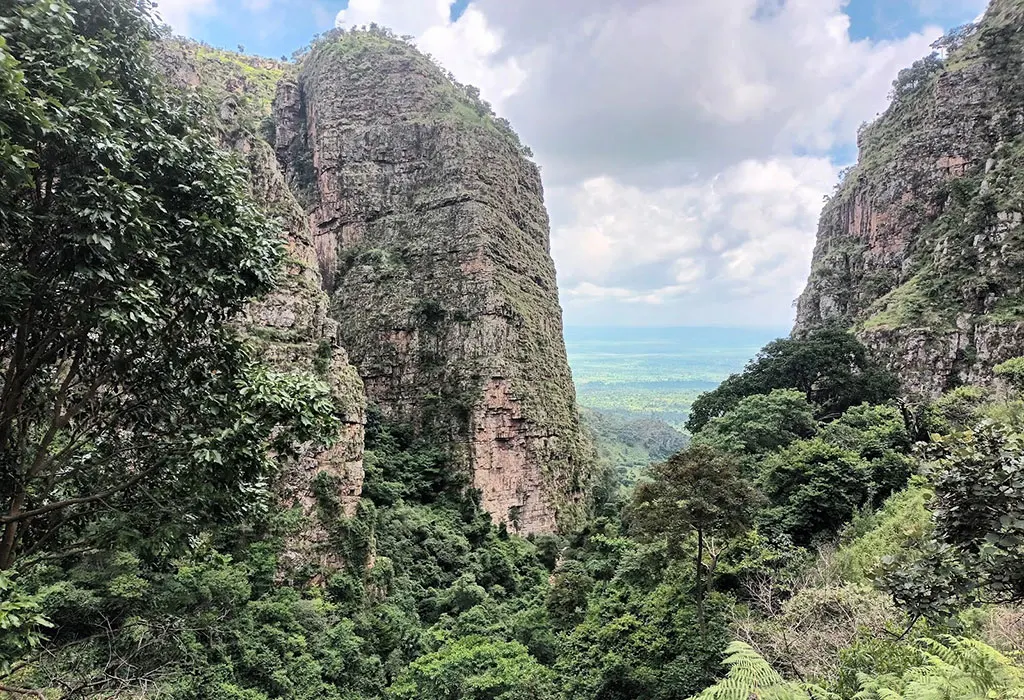
The Nyakazu Fault, also known as the German Fault, is one of the more unusual landscapes to encounter in southern Burundi. The geological formation reveals a dramatic break in the terrain, with exposed rock and steep slopes overlooking the surrounding countryside.
Its location near Karera Waterfalls makes it easy to combine the two attractions during the same excursion. After exploring the waterfalls, you can continue to the fault and spend time taking in the expansive views.
The area is particularly attractive to photographers because of the contrast between exposed rock, green hills and changing light across the landscape.
When visiting, take care around steep sections and avoid approaching unstable edges simply for a photograph. A local guide can also explain the geological and historical significance of the area.
Although the Nyakazu Fault is not a traditional safari attraction, it adds variety to a Safari in Burundi and demonstrates how diverse the country’s landscapes can be.
7. Relax at Lake Tanganyika
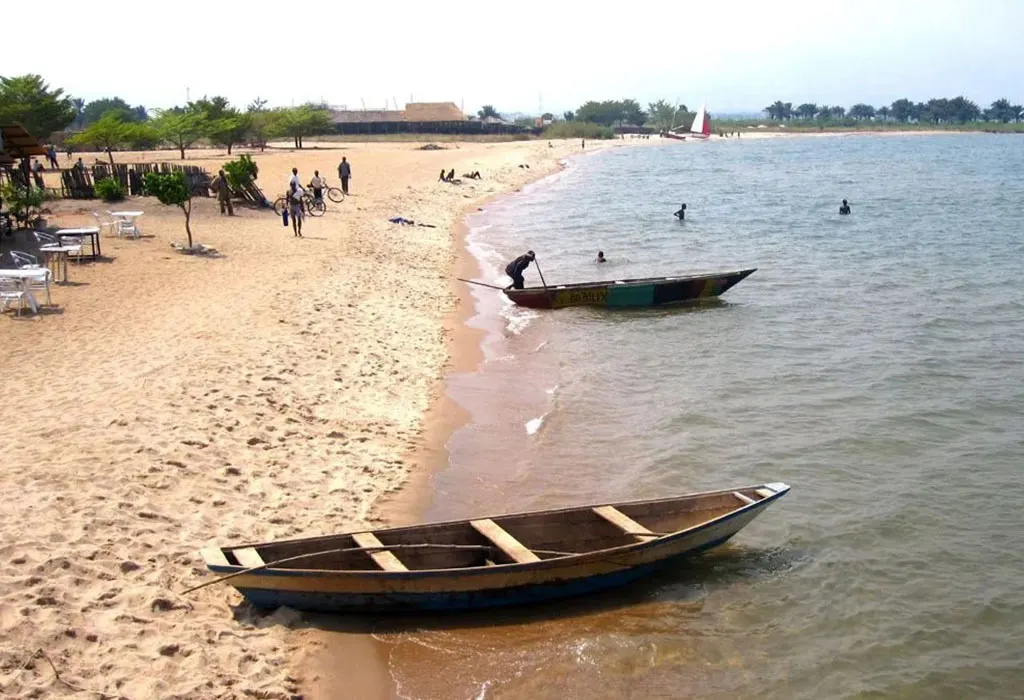
After days of exploring forests, parks and highland roads, Lake Tanganyika provides an ideal place to slow down. Burundi occupies a northern section of the lake, with beaches and lakeside communities stretching around the Bujumbura area and farther south.
The lake is famous for its immense size and depth, but its appeal to travelers is much simpler: beautiful scenery, warm weather, fishing communities, beaches and spectacular sunsets.
Depending on your interests, you can:
- Relax on a lakeside beach.
- Take a boat excursion.
- Enjoy freshly prepared lake fish.
- Walk along the shoreline.
- Watch fishermen returning with their catch.
- Photograph the mountains and water at sunrise or sunset.
Swimming should only be done where local authorities, hotel staff or guides consider conditions suitable. Water conditions can vary, and visitors should not assume that every section of the lake is safe for swimming.
Lake Tanganyika is also an important source of food and income for communities around the shoreline. Spending time with local people and learning about fishing and lakeside life adds another dimension to the experience.
8. Take a Bujumbura City Tour

Bujumbura is the natural starting point for many journeys through Burundi. Set beside Lake Tanganyika, the city combines lakeside scenery, markets, restaurants, busy streets and everyday urban life.
A city tour gives you time to settle into the country before heading toward the national parks and highlands. It can also be a pleasant way to finish your trip before departure.
A few worthwhile stops and activities include:
- Exploring local markets with a guide.
- Trying traditional Burundian food.
- Visiting craft shops and local businesses.
- Spending time along the lakeshore.
- Photographing the city’s streets and surrounding landscapes.
Markets are particularly interesting because they provide a glimpse into everyday life rather than a staged tourist experience. Carry small amounts of local currency when shopping, ask prices politely and avoid displaying valuable items unnecessarily.
Bujumbura does not need to be rushed. Give yourself time to enjoy a meal, speak with your guide and watch life unfold around the city. Its lakeside setting makes it a comfortable introduction to a Safari in Burundi.
9. See the Stanley Monument

Near Mugere, south of Bujumbura, the Stanley Monument commemorates the historic meeting between explorers Henry Morton Stanley and David Livingstone in the Lake Tanganyika region.
The monument itself is relatively simple, so the real value of the visit comes from understanding the history surrounding it. Your guide can explain the explorers’ journey, their time around Lake Tanganyika and the wider history of European exploration in the region.
The site works well as a short stop during a journey along the lakeshore. It does not require a large amount of time, making it easy to combine with other attractions in the area.
When discussing the history of exploration, it is useful to consider both the historical records and local perspectives. Listening to your Burundian guide can provide context that a monument alone cannot offer.
For travelers interested in history, the Stanley Monument adds an important historical layer to an otherwise nature-focused Safari in Burundi.
10. Visit Gitega and Its Cultural Sites
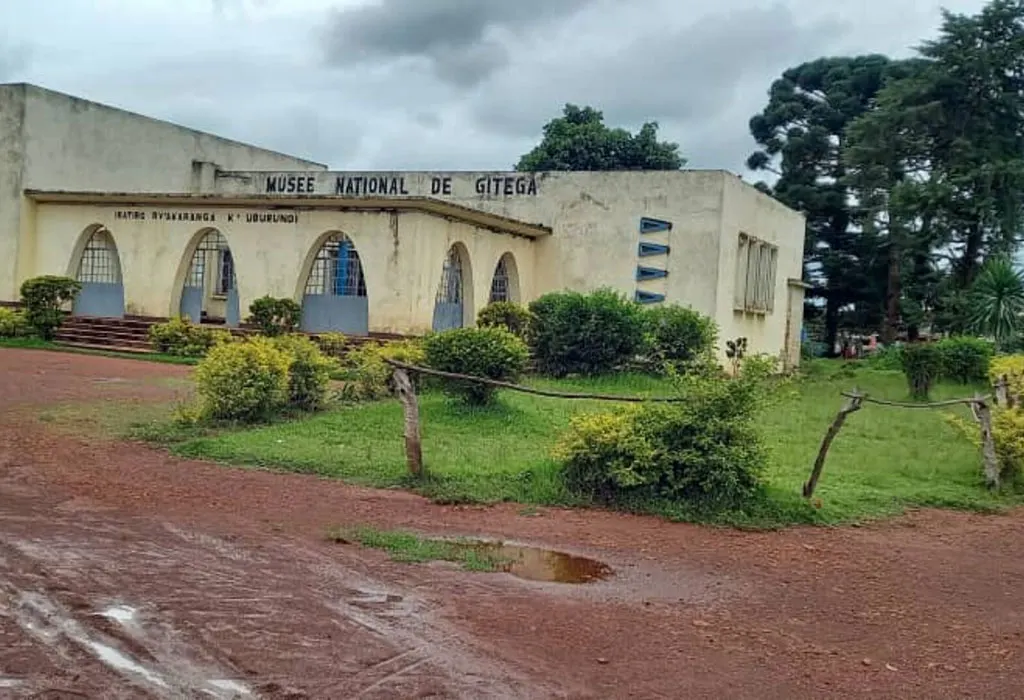
Gitega National Museum
Gitega, Burundi’s political capital and former royal capital, sits among the country’s central highlands. The city has a quieter atmosphere than Bujumbura and offers several opportunities to learn about Burundi’s history, culture and traditional way of life.
The Gitega National Museum is an important stop for understanding the country’s cultural heritage. Traditional objects, crafts and historical displays provide useful context before or after visiting other cultural attractions.
A day in Gitega can include:
- Visiting the National Museum.
- Exploring local markets.
- Learning about Burundi’s royal history.
- Visiting Gishora and experiencing the royal drums.
- Enjoying traditional food in the city.
Gitega also makes a useful overnight stop when traveling between different regions of Burundi. Rather than passing through quickly, staying a night gives you time to experience the city’s slower rhythm.
For travelers interested in combining wildlife with history and culture, Gitega is one of the most valuable additions to a Safari in Burundi.
11. Explore Teza Tea Plantations
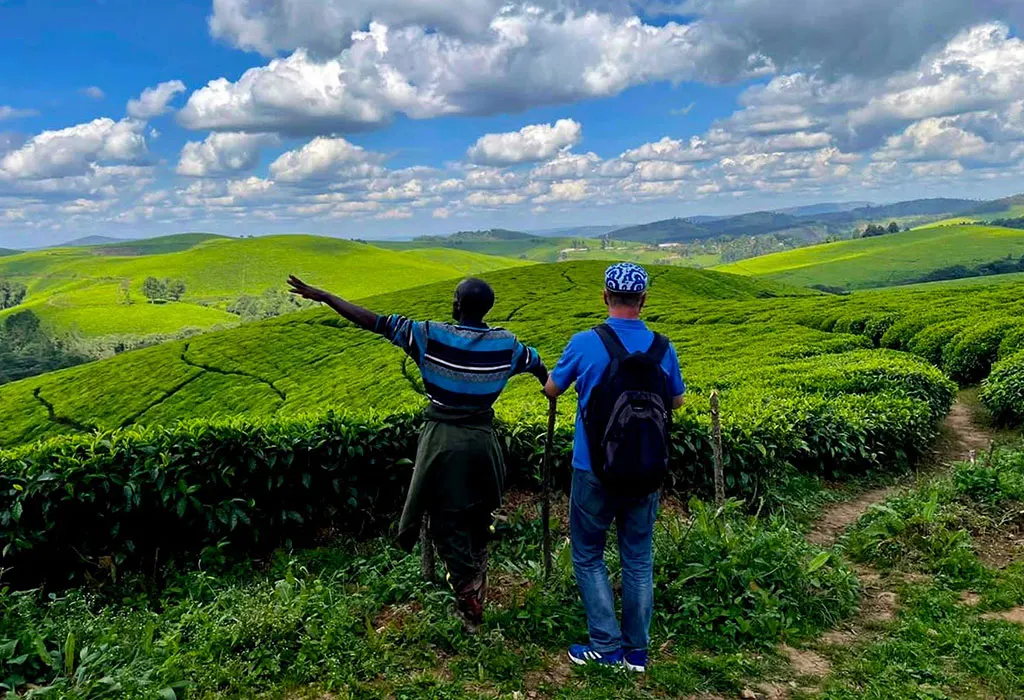
The highlands around Teza are known for their tea plantations, where neat rows of tea bushes cover the slopes around the northern forest region. The cool climate and misty hills create scenery that feels remarkably different from the warm shores of Lake Tanganyika.
A visit to Teza can be especially enjoyable for travelers interested in agriculture and local livelihoods. You can see tea pickers working among the bushes, learn how the crop is produced and enjoy the striking contrast between cultivated slopes and nearby forest.
Consider combining Teza with:
- Kibira National Park.
- Kayanza.
- Local tea-growing communities.
- Scenic viewpoints across the northern highlands.
Early mornings are particularly atmospheric when mist hangs above the plantations. Temperatures can also be noticeably cooler than around Bujumbura, so carry a light jacket.
Tea is an important agricultural product for Burundi, and learning about its production provides a useful perspective on the country’s economy and rural communities. For many travelers, the peaceful scenery makes Teza one of the most relaxing stops on a Safari in Burundi.
12. Go Birdwatching at Lake Rwihinda
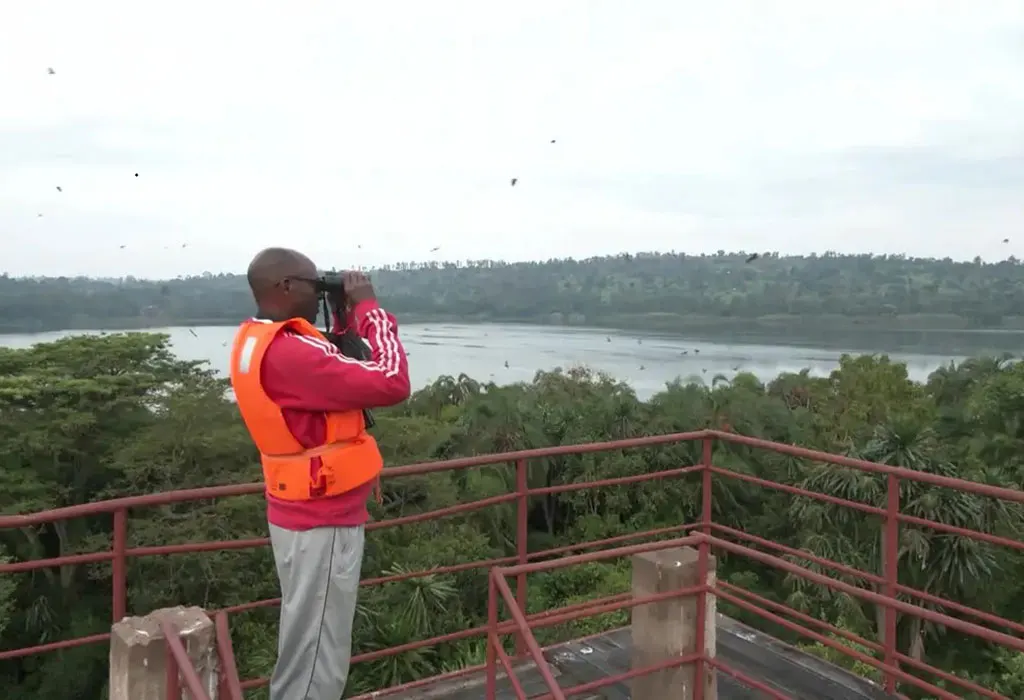
Known for its birdlife, Lake Rwihinda in northern Burundi is a rewarding destination for travelers who enjoy quiet nature experiences. The lake and surrounding wetlands provide habitat for numerous waterbirds, making it an appealing stop for photographers and birdwatchers.
Early morning is generally the best period to explore. The air is cooler, birds are more active and the surface of the lake can be beautifully calm.
A local guide can help identify species that you might otherwise overlook, particularly when birds are hidden among reeds or moving through distant vegetation.
Bring:
- Binoculars.
- A camera with a suitable zoom lens.
- Comfortable walking shoes.
- Sun protection.
- Drinking water.
- A notebook if you enjoy keeping a bird list.
You do not need to rush here. Birdwatching rewards patience, and sitting quietly for a few minutes can reveal far more than walking quickly from one viewpoint to another.
For travelers who enjoy nature at a slower pace, Lake Rwihinda provides a peaceful and memorable part of a Safari in Burundi.
13. Explore Kigwena Nature Landscapes
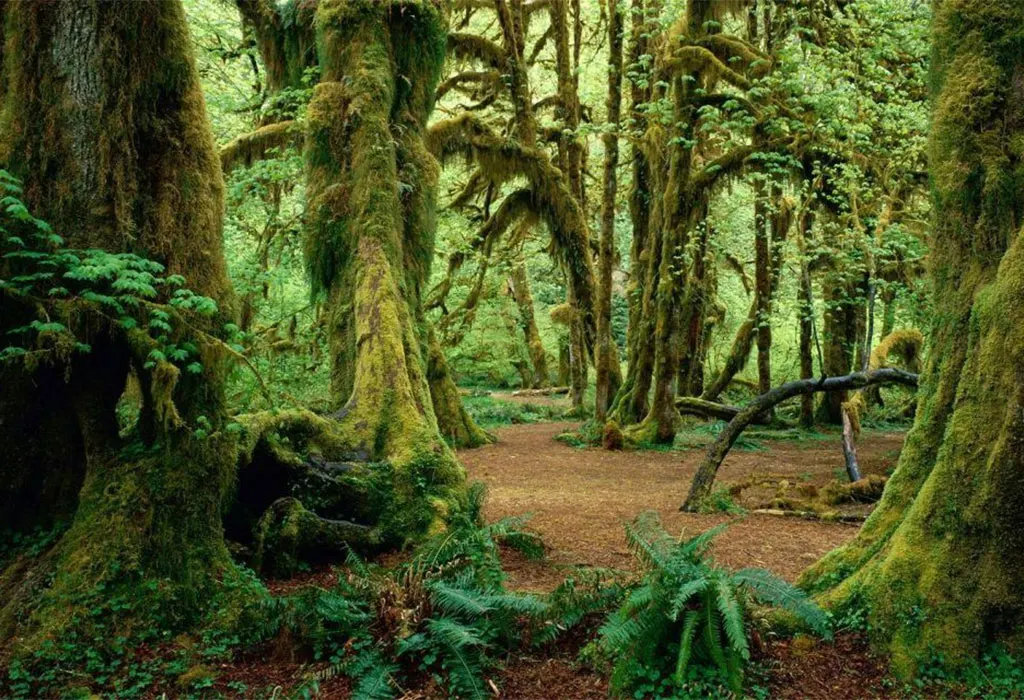
Near Rumonge on the southern shores of Lake Tanganyika, Kigwena offers an opportunity to experience lowland forest and lakeside landscapes within the same journey. Its warmer and more humid environment creates a noticeable contrast with the cooler mountain forests of Kibira and Bururi.
Forest trails provide opportunities to observe birds, monkeys and native vegetation, although sightings can never be guaranteed. The experience is more about walking through the forest and appreciating its atmosphere than following a fixed wildlife checklist.
Because this part of Burundi receives fewer visitors, the surroundings can feel especially peaceful. Take your time, travel with local guidance and carry sufficient water and snacks when exploring rural areas.
Kigwena works particularly well for travelers who want to slow down after several days of driving. Combined with Rumonge and Lake Tanganyika, it adds a relaxed southern dimension to a Safari in Burundi.
14. Discover Bururi’s Highland Forests
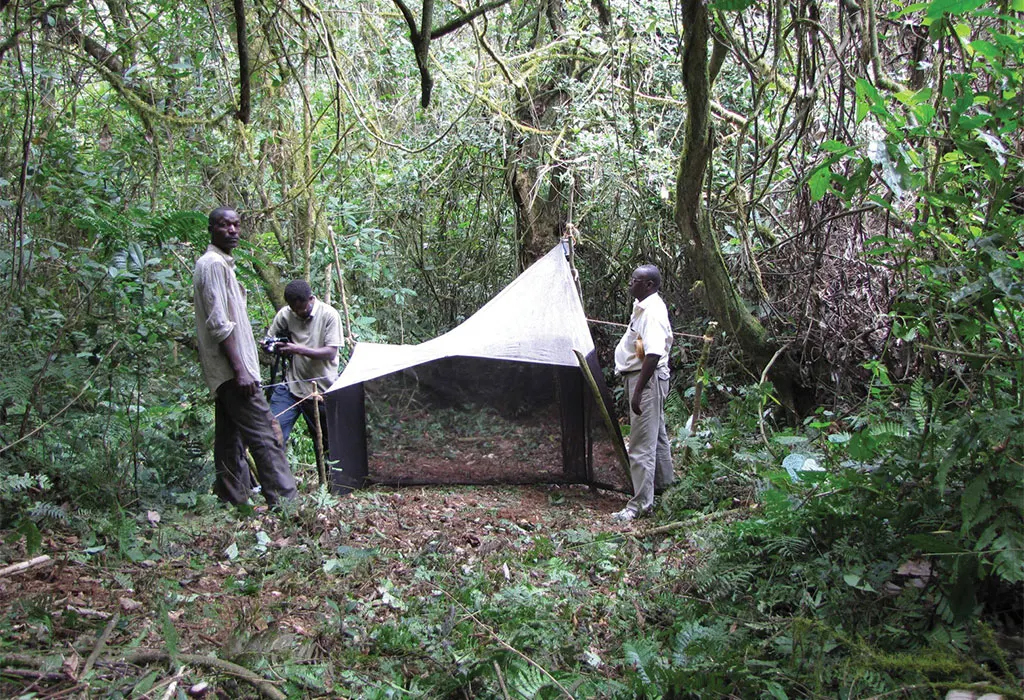
The town of Bururi sits among the southern highlands and provides access to one of Burundi’s important remaining areas of natural mountain forest. The cooler climate, tall vegetation and peaceful surroundings make it a welcome change from the warmer lakeshore.
Walking through the forest is less about large wildlife and more about appreciating the smaller details of the ecosystem. Birds, insects, plants and occasional monkey sightings can keep nature lovers interested throughout the walk.
Bururi can also be incorporated into a wider southern circuit linking:
- Rumonge.
- Kigwena.
- Matana.
- Rutovu.
- Karera Waterfalls.
Carry a warm layer because temperatures can drop in the evening. If you prefer quiet destinations away from busy tourist routes, Bururi can be particularly rewarding.
The area demonstrates that a Safari in Burundi does not have to revolve entirely around large mammals. Forests, landscapes and peaceful walking experiences can be just as memorable.
15. Enjoy Mount Heha and the Highlands
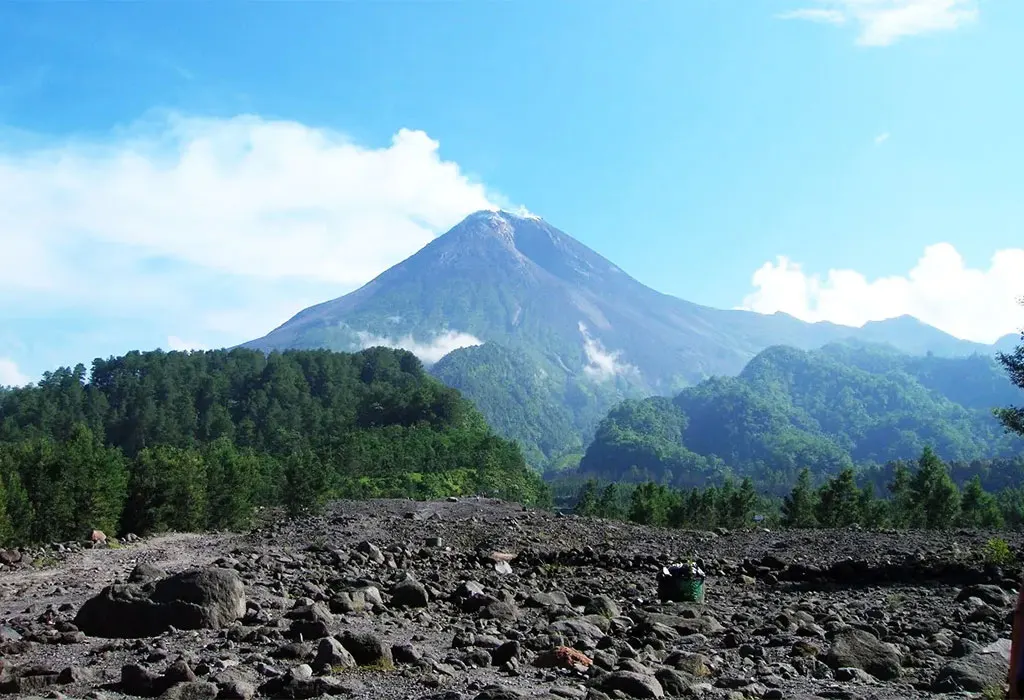
At approximately 2,700 metres above sea level, Mount Heha is the highest mountain in Burundi and one of the country’s most interesting destinations for hikers and outdoor travelers.
The higher elevations offer cooler temperatures, fresh air and wide views across the surrounding countryside. Far below, cultivated hills, valleys and rural settlements create a patchwork of landscapes that looks very different from the flat wetlands around Rusizi.
Before heading into the highlands:
- Check the weather forecast and local conditions.
- Wear sturdy hiking shoes with good grip.
- Carry sufficient drinking water.
- Bring a warm layer and rain protection.
- Start early to make the most of the cooler conditions.
- Use a local guide familiar with the route.
The mountain does not need to be approached as a race to the summit. The surrounding highlands are equally rewarding for photographers and travelers who simply want to experience rural landscapes away from the main roads.
For active travelers, adding Mount Heha creates a strong hiking element within a wider Safari in Burundi, complementing wildlife viewing, cultural encounters and time beside Lake Tanganyika.
Best Time for a Safari in Burundi
The best time for a Safari in Burundi is usually the dry season, with easier roads and clearer views. Two main dry periods occur each year, from June to September and from December to February. During these dry months, parks are simpler to explore and many animals gather near rivers and permanent water. Many travelers also find that rain-free days make walking in the forests and highlands far more comfortable and safe.
Each season has its own strengths, so it helps to match your travel dates to your favorite activities:
- Dry months from June to September suit wildlife viewing, long drives and highland hiking with clear skies.
- The short dry spell from December to February works well for beach days and city sightseeing.
- Rainy months from March to May bring lush green scenery but also slower and muddier roads.
- Showers in October and November can improve birdwatching, although you should expect delays and flexible plans.
Weather can change from one region to another, because Burundi has lakeshore plains and cool mountain areas. Bujumbura is usually much warmer, while the highlands around Kibira and Bururi feel noticeably cooler and fresher. Ask your tour operator about the current road and park conditions before you finalize your travel dates. Flexible travelers can enjoy a rewarding trip in almost any season of the year with the right planning.
How Much Does a Safari in Burundi Cost?
The cost of a Safari in Burundi ranges from $250 to $350 per person per day but the net cost depends on your trip length, your route and your travel style. Short city and lake trips are usually cheaper than long journeys to Ruvubu or the south. Prices also change with the season, the number of travelers and the type of accommodation you choose. Because rates change often, always request a clear written quote from a trusted and experienced local operator.
Most safari budgets are built from the same few parts, so it helps to understand each one:
- A driver or guide, who handles the route, explains the sights and keeps your journey safe.
- Vehicle hire and fuel, which rise quickly on longer routes through the hills and the quiet countryside.
- Park fees and local entrance charges, which vary by site and should be confirmed in advance.
- Accommodation and meals, which can range from simple family guesthouses to comfortable and well-equipped lakeside hotels.
- Small extras such as tips, crafts, bottled water and snacks for the long road ahead each day.
Traveling with friends or family usually lowers the cost per person, because vehicle and guide expenses are shared. Combining nearby attractions into one well-planned route also saves a great deal of fuel, effort and time. Ask exactly what is included in the price, so that you avoid any unpleasant surprises later on. A clear plan and an honest conversation with your tour operator make the budgeting process much simpler.
Getting to Burundi and Moving Around
Most international visitors arrive by air, usually flying into Melchior Ndadaye International Airport located near the city of Bujumbura. From there, a private vehicle with a driver is the easiest and most comfortable way to travel between attractions. Public minibuses connect many towns, but they can be crowded and are harder to use with luggage. Roads between major towns are generally easier, while rural tracks may need patience and a sturdy vehicle.
Entry rules, visas and health requirements can change, so check official sources before you book your flights. Many travelers also ask their local tour operator for help with permits, park visits and other arrangements. Carry copies of your passport and travel documents, and keep the originals in a safe place. Good preparation lets you relax and enjoy the safari with a calm mind from the very first day.
Staying Safe and Healthy
Most travelers enjoy a peaceful trip, but sensible preparation is always a wise idea in any country you visit. Check the latest travel advice from your own government and ask trusted local contacts about current conditions. Travel with a trusted guide, especially when visiting remote parks, border areas or places that you do not know. Share your travel plans with family or friends so that someone at home always knows where you are.
A few simple health and safety habits can protect you and make the journey far more comfortable:
- Speak with a travel doctor well before departure about vaccines, malaria prevention and other health advice.
- Use insect repellent in the evening and sleep under a net where the accommodation provides one.
- Drink bottled or treated water, and wash your hands carefully before meals during long days spent outside.
- Buy travel insurance that covers medical care, emergency evacuation and trip delays before you leave your home country.
What to Pack for a Safari in Burundi
Packing well makes a Safari in Burundi more comfortable, because the country has warm lakeshores and cool highlands. Light clothes in neutral colors work well during the day, while a warm layer helps in the evenings. Comfortable walking shoes are very important for exploring forests, waterfalls, rocky viewpoints and the village paths. A small daypack keeps your essentials close without making you feel too heavy or tired on long walks.
Your bag does not need to be large, but these useful items deserve a place in it:
- A rain jacket, a hat and sunscreen, which prepare you for sudden showers and strong sunshine.
- Binoculars and a camera, which help you enjoy birds, landscapes and distant animals in the parks.
- A power bank and a reusable water bottle, since some rural areas have very limited electricity and services.
- Insect repellent, basic medicines and a small first aid kit for minor problems on the road.
Local Culture and Etiquette
Burundians are widely known for their warmth, their politeness and a deep respect for friendly greetings. Take a moment to say hello properly before you ask a question or begin any kind of conversation. Learning a few simple words of Kirundi or French will bring warm and friendly smiles almost everywhere you go. English is less widely spoken in the countryside, so a guide who can translate is very helpful.
Simple good manners will earn you respect and make every encounter feel more genuine and relaxed:
- Greet people with a smile and a handshake, and use polite phrases when you speak with elders.
- Dress modestly in villages and towns, covering shoulders and knees when visiting community or religious places.
- Ask before taking photographs of local people, and accept a refusal graciously without arguing, insisting or feeling upset.
- Avoid sensitive political topics with new acquaintances, and focus instead on food, nature, music and shared interests.
Sample Itineraries for a Safari in Burundi
These sample routes can help you shape a Safari in Burundi that matches your time and interests. Each plan can be changed to suit your own pace, your budget and the season of your visit. Ask your tour operator to adjust the order of stops so that driving times stay comfortable. Treat these sample plans as friendly starting points rather than strict schedules that you must follow exactly.
3 Days: Lake and Culture
- Day 1: tour Bujumbura, visit the Stanley Monument and end with a golden sunset over Lake Tanganyika.
- Day 2: explore Rusizi National Park and the Ruzizi River, then enjoy lunch by the lake shore.
- Day 3: drive to Gitega, visit the museum and finish with the Gishora Royal Drums performance.
5 Days: Parks and Highlands
- Day 1and 2 : relax in Bujumbura, visit local markets and spend time at Rusizi National Park.
- Day 3: travel to Gitega, tour the museum and enjoy the royal drums at nearby Gishora.
- Day 4: spend the full day at Ruvubu National Park looking for hippos, antelope and many birds.
- Day 5: return through green hills and village markets, stopping often for photographs and fresh fruit.
7 Days: South and North
- Day 1: arrive in Bujumbura, enjoy a short city tour and relax beside Lake Tanganyika that evening.
- Day 2 and 3: travel south through Bururi to Rutovu, then continue to Rutana for the waterfalls.
- Day 4: visit Karera Waterfalls and the Nyakazu Fault, then drive on toward Gitega for the night.
- Day 5: enjoy Gishora and the Gitega museum, then continue north toward the cool Kibira highlands.
- Day 6: walk in Kibira, visit the Teza tea fields and enjoy the scenery of the northern hills.
- Day 7: return to Bujumbura, shop for crafts and finish with a final sunset by the lake.
Responsible Travel Tips
Responsible travel helps ensure that a Safari in Burundi benefits both the visitors and the local communities. Choose local guides, family-run guesthouses and small restaurants whenever you can, because this spreads income more fairly. Buy crafts directly from the artists, and pay fair prices without pushing too hard during any negotiations. This approach keeps much more of your money inside the local communities that warmly welcome you each day.
Small daily choices can protect both nature and culture, so try to follow these simple and helpful principles:
- Carry out all rubbish, including plastic bottles, and never leave waste near rivers, forests or villages.
- Keep a respectful distance from wild animals, and never feed them or make sudden loud noises near them.
- Stay on the marked paths in forests and wetlands to protect fragile plants and nesting birds nearby.
- Ask permission before entering any private land, and always follow local advice at community and cultural sites.
Ready to Book Your Safari in Burundi with Iconic Africa Safaris?
Iconic Africa Safaris offers you three simple, reliable ways to secure your next unforgettable Burundi adventure today. Simply complete our quick online booking form to start planning your dream safari experience right away. Our friendly team also welcomes direct emails at info@iconicafricasafaris.com to discuss your specific travel plans and preferences. For WhatsApp messages and calls, tap the green WhatsApp icon in your screen’s bottom right corner anytime.
Our driver-guides are the trip managers guests trust most — trained professionals, some former park rangers, all skilled interpreters of wildlife and culture. They stay with travellers from the first airport pickup to the final wave-off, keeping each day running smoothly and safely.
Frequently Asked Questions about Safari in Burundi
Is a Safari in Burundi different from other African safaris?
Yes, it is quieter, calmer and far more varied than many of the more popular safari routes. Instead of only game drives, you can enjoy wetlands, forests, waterfalls, lake views and living culture. There are far fewer crowds, so the experience feels calm, personal and much closer to local life. Travelers who enjoy variety, privacy and a true sense of discovery will often find it especially rewarding.
What animals can I see in Burundi?
You may see hippos, crocodiles, antelope, monkeys and a wide range of colorful bird species in the wetlands. Ruvubu and Rusizi National Parks are the best places for wildlife, especially in the early morning. Kibira is better for forest birds and monkeys, while Lake Rwihinda is excellent for quiet birdwatching. Sightings are never guaranteed, so patience and a good local guide always make a very big difference.
How many days do I need?
Three days is enough for a short and pleasant taste of Bujumbura, Rusizi National Park and Gitega. Five days lets you add a full day at Ruvubu National Park without rushing across the country. Seven days or more allows you to explore both the southern hills and the northern highlands comfortably. Longer trips usually feel better because distances are modest, but roads in the hills can be slow.
Do I need a guide?
A local guide or experienced driver is strongly recommended for most routes, especially in remote areas or the hills. They know the roads, understand the park rules and can translate when you meet local people along the way. Good guides also share personal stories and local knowledge that you will never find in any printed brochure. This knowledge turns a simple outing into a much deeper, safer and more meaningful experience for every visitor.
Can I combine culture with wildlife?
Yes, and this combination of culture and wildlife is one of the best parts of a trip here. Many travelers pair their park visits with Gishora’s royal drums, Gitega’s museum and busy local markets. A balanced plan keeps every single day interesting and avoids the tiredness that comes with long game drives. Mixing nature and culture on one trip also supports a wider range of local communities and small businesses.
Final Thoughts
A Safari in Burundi is full of pleasant surprises, and each day can feel completely different from the last. You can see wildlife in the parks, walk in cool forests, stand beside waterfalls and listen to royal drums. Because the country is small, many of these experiences can fit comfortably into one single and memorable journey. Choose the places that match your interests, travel slowly and enjoy a safari that feels peaceful, personal and different.
With careful planning, kind manners and an open mind, your trip will reward you in many ways. Start with the experiences that excite you most, then add other stops as your time and budget allow. Ask your tour operator for the latest advice, and keep your plans flexible in case conditions change. Burundi is ready to welcome you, and the journey may become one of your best travel memories.