
Rwanda Tea Plantation Tours and Experiences
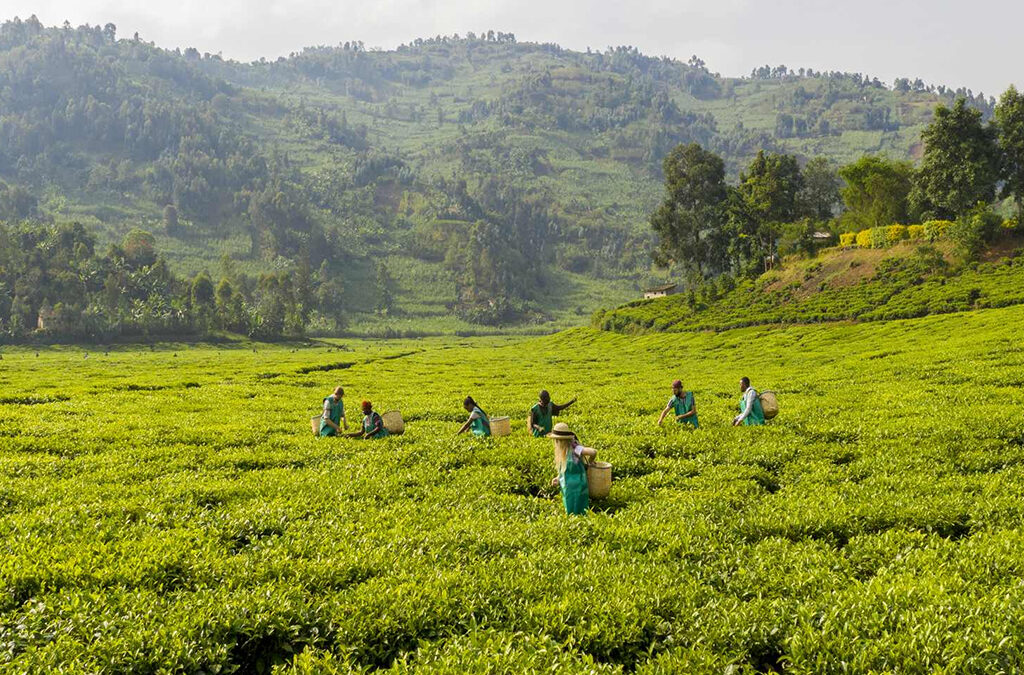
Rwanda is renowned for its breathtaking landscapes and rich agricultural heritage and tea plantation is among the most captivating attractions for tourists. Visitors often combine tea plantation tours with other unique experiences, such as wildlife trekking, particularly in Nyungwe National Park, which is home to beautiful colobus monkeys. Among the most famous tea plantations in the country are the Gisakura Tea Fields, Gisovu Tea Estate, and Pfunda Tea Estate. Each offers its own charm and a unique opportunity to connect with the land, the local communities, and Rwanda’s rich tea-growing history.
Gisakura Tea Plantation – A Scenic Retreat After Colobus Monkey Trekking
Hugging the rippling hills on the western fringes of Nyungwe National Park, the Gisakura Tea Plantation is one of Rwanda’s most famous and scenic tea plantations. Tourists often visit Gisakura after disembarking from their trekking adventures in Nyungwe, where they’ve had the chance to spot the striking colobus monkeys that inhabit the park.
Gisakura is set against a backdrop of rolling hills covered in lush green tea bushes, creating a stunning view that seems to merge seamlessly with the forests of Nyungwe. The experience here is not just about admiring the views; visitors can also explore the plantation, interact with tea workers, and learn about the entire tea-growing process. From planting to harvesting and processing, the tour offers a hands-on experience that connects tourists with the rhythms of the local agricultural life. It’s a refreshing and enriching experience that also promotes sustainable tourism by offering a peek into the lives of the local tea farming communities.
Gisovu Tea Plantation – Northern Beauty Near Nyungwe
Another gem in Rwanda’s tea industry is the Gisovu Tea Plantation, located at the northern gate of Nyungwe National Park. This plantation offers a different but equally spectacular view of endless rows of tea bushes set against the backdrop of lush forests. Visitors to Gisovu are treated to stunning panoramas, where the verdant green tea fields stretch as far as the eye can see, and the nearby forests provide a magnificent contrast.
The tour here, much like at Gisakura, offers visitors the chance to engage with the local workers and learn about the nuances of tea cultivation. Gisovu’s high altitude and fertile soils contribute to the production of some of Rwanda’s best teas. After a tour of the fields, many visitors say they leave with a deeper understanding of the dedication and skill required to produce world-class tea. As with Gisakura, the experience often ends with a tea-tasting session, allowing visitors to enjoy the fresh, rich aroma of Rwandan tea in its most authentic setting.
A Rich History of Tea Growing in Rwanda
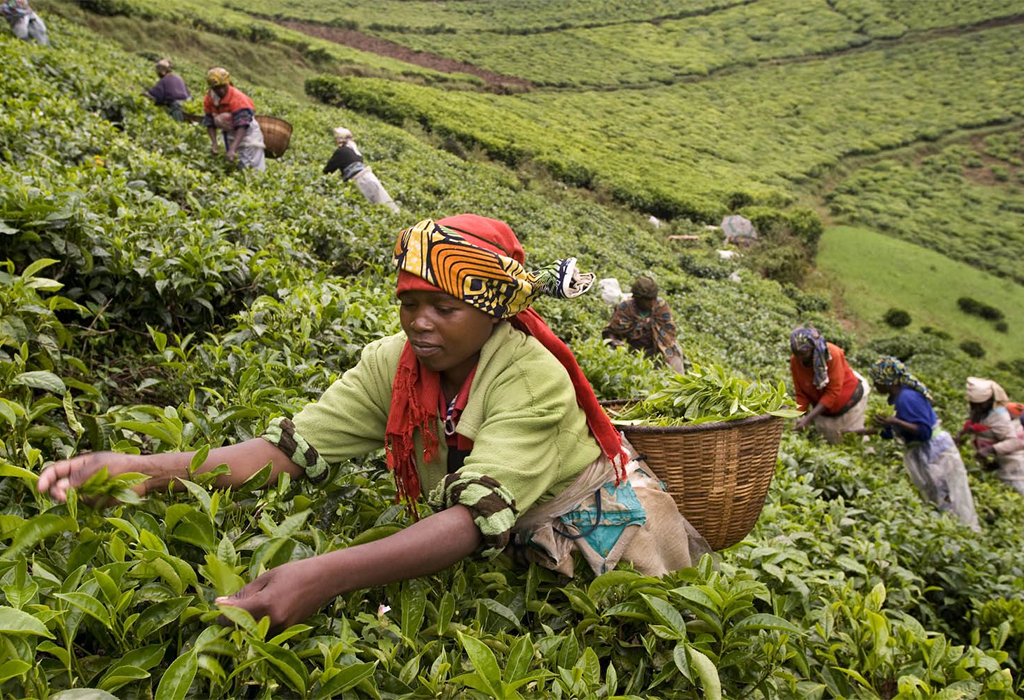 Tea growing in Rwanda has a long and storied history. The country’s journey into tea production began in 1952, and over the decades, tea has grown to become one of Rwanda’s most important exports. The country’s high altitudes, fertile volcanic soils, and ideal climate make it perfect for tea cultivation. Tea is typically grown on hillsides at altitudes ranging from 1,900 to 2,500 meters, as well as in well-drained marshlands at altitudes between 1,550 and 1,800 meters.
Rwanda’s teas are highly regarded on the international market, known for their high quality and distinctive taste. This reputation is partly due to the unique conditions in which Rwandan tea is grown. The Pfunda Tea Estate, for instance, is situated at the base of the majestic Virunga Volcanoes, where the rich volcanic soil plays a key role in producing some of the finest teas in the world.
Pfunda Tea Estate – Rwanda’s Largest and Most Renowned
Located just 9 kilometres from the bustling town of Gisenyi, the Pfunda Tea Estate is Rwanda’s largest and most renowned tea plantation. The estate stretches over hundreds of hectares, and depending on the season, visitors can observe farmers hard at work planting, tending, or harvesting tea leaves.
Pfunda offers tourists an immersive experience. Visitors can join the farmers in the fields, learning firsthand about the different stages of tea production—from planting to harvesting and processing. The experience is educational, but it’s also a unique way to engage with the local community and appreciate the effort behind every cup of Rwandan tea.
At the end of the tour, guests are invited to participate in a tea-tasting session. Here, they can sample freshly brewed Rwandan tea, prepared in the very environment where it was grown. This tasting experience is often considered the highlight of the visit, as visitors get to savour the full flavour and rich aroma of one of the world’s best teas, while surrounded by the natural beauty that contributes to its production.
Conclusion
Rwanda’s tea plantation tours are much more than just visits to agricultural fields; they are an opportunity to connect with local communities, understand the intricacies of tea production, and experience the breathtaking beauty of the country’s landscapes. Whether at Gisakura, Gisovu, or Pfunda, visitors leave with not just a newfound appreciation for tea, but also a deeper understanding of Rwanda’s rich cultural and natural heritage.