
Epic Rwanda Gorillas and Zanzibar Beach: How to plan it Right

A Rwanda Gorillas & Zanzibar Beach Holiday sounds like two separate trips stitched together, but it’s really one seamless adventure. One week you’re standing three feet from a 400-pound silverback gorilla in a misty Rwandan forest, and the next week you’re floating in warm, turquoise water off a Zanzibar beach with a cold drink in hand. That’s not a fantasy. It’s a real trip that hundreds of travelers book every year, and it might be the smartest way to see East Africa.
A Rwanda gorillas and Zanzibar beach holiday pairs two completely different kinds of magic. Rwanda gives you dense, green mountains, rare wildlife, and one of the most humbling animal encounters on the planet. Zanzibar gives you white sand, spice-scented air, and a slow, easy rhythm that helps your body and brain recover from the trek. Together, they make a trip that feels complete instead of one-dimensional.
This guide walks you through everything: when to go, what the gorilla permits actually cost in 2026, how to get from Kigali to Zanzibar without wasting a travel day, where to stay in both places, what to pack, and how much the whole thing realistically costs. We’ll also answer the questions people search for most, from visa rules to whether kids can come along. By the end, you’ll have a clear, workable plan instead of forty open browser tabs.
Why a Rwanda Gorillas and Zanzibar Beach Holiday Works So Well
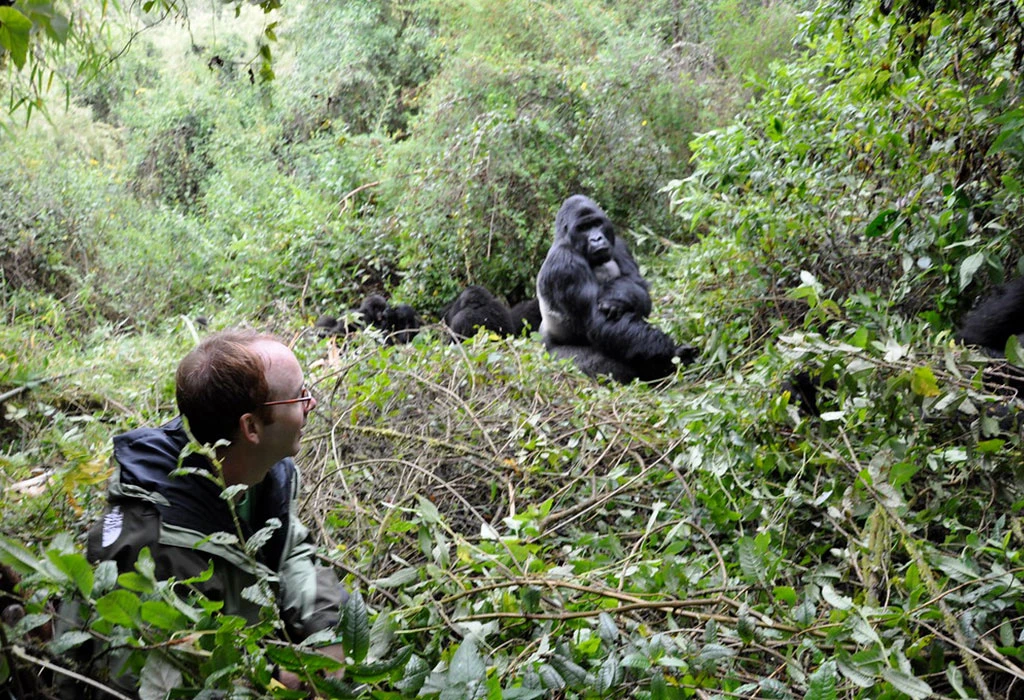
Most travelers don’t think to combine mountain gorillas with a tropical beach. That’s exactly why this trip feels so fresh. Rwanda and Tanzania sit close enough together that you can fly between them in under three hours, yet the two destinations feel like they belong to different worlds.
Gorilla trekking is physically demanding and emotionally intense. You wake before dawn, hike through cold, wet forest, and spend one unforgettable hour watching a gorilla family go about its day. It’s a bucket-list moment, but it’s also tiring. Your legs are sore, your clothes are muddy, and your nervous system has been running on adrenaline.
That’s where Zanzibar comes in. After a few days of trekking and high-altitude hiking in Rwanda’s Volcanoes National Park, a Zanzibar beach holiday gives your body a chance to reset. You trade hiking boots for flip-flops, cold mountain mornings for warm ocean breezes, and packed itineraries for long, unhurried days by the water.
A few more reasons this combination keeps growing in popularity:
- The flight connection is short. Kigali to Zanzibar takes roughly 2 to 3 hours depending on the route, which is shorter than many domestic US flights.
- The seasons often line up. Rwanda’s dry seasons overlap nicely with Zanzibar’s best beach weather, so you’re not fighting the calendar.
- It suits couples, solo travelers, and families differently. Honeymooners get an adventure and a romantic beach finish. Solo travelers get a challenge followed by a relaxed reward. Families with older kids get variety without a single day of boredom.
- It spreads your money across two economies that rely heavily on tourism. Both Rwanda’s conservation programs and Zanzibar’s coastal communities depend on travelers like you.
Insider tip: Book your gorilla trek for the first half of your trip, not the second. Trekking is tiring, and you’ll appreciate a beach recovery period far more after the hike than before it.
Quick Trip Snapshot for Rwanda Gorillas and Zanzibar Beach
Before we go deep into logistics, here’s a fast overview of what a typical Rwanda gorillas and Zanzibar beach holiday looks like.
| Category | Details |
|---|---|
| Trip length | 7 to 12 days is ideal (4–5 days Rwanda, 4–6 days Zanzibar) |
| Best months | June–September and December–February |
| Gorilla permit (foreign non-resident) | USD 1,500 per person, per trek |
| Flight time, Kigali to Zanzibar | Roughly 2–3 hours (direct or one short stop) |
| Visa needed | Rwanda e-visa or visa on arrival; Tanzania e-visa (covers Zanzibar) |
| Estimated total budget | USD 3,500–8,000+ per person, depending on lodge tier |
| Good for | Couples, honeymooners, solo travelers, families with teens |
Best Time to Go: Matching Rwanda’s Dry Season with Zanzibar’s Weather

Timing makes or breaks this trip, so let’s get specific. Rwanda has two dry seasons: the long dry season from June through September, and a shorter one from December through February. Trekking during these windows means firmer trails, easier hiking, and a lower chance of a soaked, muddy climb through the Virunga foothills.
Zanzibar’s weather calendar is a little different. The island stays warm year-round, but it has two rainy periods: the long rains from March to May, and shorter rains in November. June through October is Zanzibar’s driest, sunniest stretch, with lower humidity and calmer seas. December through February is also excellent, though it’s busier and prices climb around the holidays.
Here’s the sweet spot: if you travel in June, July, August, September, or from December through February, both halves of your Rwanda gorillas and Zanzibar beach holiday hit good weather at the same time. That overlap is exactly why those months are the most booked, so plan early.
A few seasonal notes worth knowing:
- June to September is peak gorilla season in Rwanda. Permits sell out fast, sometimes a year ahead for July and August specifically.
- November brings Zanzibar’s short rains, which are usually brief afternoon showers rather than all-day downpours, so it’s still a workable shoulder-season option if you want lower prices.
- March to May is Rwanda’s rainiest stretch. Trekking is still possible (gorillas don’t disappear in the rain), but trails get slippery and gaiters become essential.
- Low season discount: Rwanda offers a 30 percent gorilla permit discount, bringing the cost to about USD 1,050, if you visit during the November–May low season and combine your trip with at least two nights across Akagera and Nyungwe National Parks.
Insider tip: If your dates are flexible, aim for the first half of June or the first half of September. You get dry-season trekking conditions without the absolute peak crowds and peak pricing of July and August.
Getting There: Flights and Routing Between Kigali and Zanzibar
One of the best things about a Rwanda gorillas and Zanzibar beach holiday is how painless the connection between the two destinations actually is. You’re not looking at a 20-hour slog through three continents. Here’s how it typically works.
Most international travelers fly into Kigali International Airport (KGL) in Rwanda first. From Kigali, it’s about a 2 to 2.5-hour drive north to Musanze, the gateway town for Volcanoes National Park, where the gorilla trekking happens.
After your trek, you’ll head back to Kigali and catch a flight to Zanzibar’s Abeid Amani Karume International Airport (ZNZ). Depending on the carrier and season, this route is either a direct flight or includes one short stop, usually in Dar es Salaam or Nairobi. Total travel time, door to door, is usually somewhere between 3 and 6 hours including layovers, which is very manageable for a mid-trip transfer.
A few practical booking tips:
- Book Kigali–Zanzibar as a separate ticket if needed. Not every regional airline appears on the big search engines, so check regional carriers directly if a route looks limited.
- Leave a buffer day. Don’t schedule your gorilla trek the same day as your flight south. Treks can run long depending on where the gorilla family is located, and you don’t want to sprint to the airport in muddy boots.
- Pack layers for the transition. You’ll go from cool mountain mornings (sometimes in the low 50s Fahrenheit) to tropical island heat in the same afternoon.
- Confirm baggage allowances. Regional flights within East Africa sometimes have stricter weight limits than international long-haul flights, so double-check before you overpack.
Part One: Gorilla Trekking in Rwanda’s Volcanoes National Park
This is the heart of the trip for most travelers, so let’s cover it thoroughly. Gorilla trekking in Rwanda happens exclusively in Volcanoes National Park, part of the larger Virunga Massif that stretches across Rwanda, Uganda, and the Democratic Republic of Congo. Rwanda’s side is widely considered the most accessible and comfortable place in the world to see mountain gorillas.
What a Trek Day Actually Looks Like
Your day starts early, usually with a briefing at park headquarters around 7:00 a.m. Rangers assign small groups (a maximum of eight visitors) to one of the park’s habituated gorilla families based on fitness level and which families are more or less active that morning.
From there, you hike. Trek times vary wildly depending on where the gorillas are that day, anywhere from 30 minutes to 5 hours through forest, farmland, and volcanic slopes. The altitude and terrain make it a genuine workout, even for fit travelers.
Once trackers locate the gorilla family, you leave your walking sticks and extra gear with a porter and approach on foot. You get exactly one hour with the gorillas. That hour goes by fast. Watching a silverback move through the undergrowth just a few meters away, or seeing juveniles wrestle and play, is the kind of moment people describe as life-changing.
Booking Your Trek
Permits are managed by the Rwanda Development Board (RDB) and can be booked directly through their portal or, more commonly, through a licensed tour operator who handles the paperwork for you. Because daily permits are limited to roughly 112 (14 habituated families, 8 visitors each), booking early is not optional if you want peak-season dates like July or August.
Gorilla Permit Costs and How to Book
Permit pricing surprises a lot of first-time visitors, so let’s be direct about it. As of current, Rwanda’s gorilla permit costs USD 1,500 per person, per trek, for foreign non-residents. That single hour with the gorillas is expensive, and it’s meant to be. Rwanda runs a deliberate high-value, low-volume tourism model. A significant share of that fee funds ranger salaries, anti-poaching patrols, veterinary care for the gorillas, and community programs, including schools and health clinics, around the park boundary.
| Visitor Category | 2026 Permit Price (USD) |
|---|---|
| Foreign non-resident | $1,500 per person |
| Foreign resident in Africa | $500 per person |
| East African Community citizen / Rwandan national | $200 per person |
| Low-season discount (Nov–May, with 2+ nights at other parks) | $1,050 per person |
A few important notes:
- The standard rate applies year-round during peak months. From June through October, the full USD 1,500 rate applies to all categories, including otherwise-discounted ones.
- Minimum age is 15. Younger children cannot join the trek, which matters for family planning. Young children stay at the lodge for alternative activities while adults trek.
- Trek duration ranges from 2 to 5 hours, including the walk in, the hour with the gorillas, and the walk back, so build a flexible schedule around trek day.
- Book far ahead (4-6 months) for June through September. Those months routinely sell out many months in advance.
Insider tip: If your budget is tight, consider trekking during the November–May low season instead of chasing the July–August peak. You’ll pay less, deal with smaller crowds, and the forest is genuinely beautiful in the mist, even if trails are a bit muddier.
Where to Stay Near Volcanoes National Park
Accommodation near the park ranges from simple guesthouses to some of the most talked-about luxury lodges in Africa. Musanze town offers budget and mid-range options close to the park entrance, which works well if you’re watching costs. For travelers who want a splurge, several high-end lodges sit right at the base of the volcanoes, with views of the peaks from your bed and fireplaces to warm up after a chilly trek.
- Budget/mid-range: Guesthouses and smaller lodges in Musanze town, typically $60–150 per night, offer easy access to the park headquarters. Budget Lodges or hotels you can choose from include: Best View Hotel, Kinigi Guest House, Hotel Muhabura, Fatima Hotel, Amahoro Guest House, La Palme Hotel. Mid-Range Lodges include: Le Bambou Gorilla Lodge, Mountain Gorilla View Lodge, Da Vinci Gorilla Lodge, Tiloreza Volcanoes Ecolodge, Five Volcanoes Boutique Hotel, Ingagi Lodge
- Luxury lodges: Properties set directly against the Virunga foothills offer private cottages, volcano views, and full-service spas, often starting around $600–1,500+ per night. They include: Wilderness Bisate Lodge, Singita Kwitonda Lodge, One&Only Gorilla’s Nest, Virunga Lodge, Amakoro Songa Lodge, Amarembo by Touch Down
What to Pack for Gorilla Trekking
Packing right makes a real difference on trek day. The forest floor is uneven, often muddy, and stinging nettles are common along the trail.
- Waterproof hiking boots with solid ankle support — this is not the trail for sneakers.
- Long sleeves and long pants, ideally tucked into socks or gaiters, to protect against nettles and insects.
- Gardening gloves to grip vines and branches without getting stung.
- A rain jacket, even in dry season, since mountain weather changes fast.
- A daypack for water, snacks, and your camera, small enough to carry comfortably for hours.
- A power bank since charging opportunities are limited once you leave the lodge.
Insider tip: Hire a local porter for around $10–20. It’s a small cost that puts money directly into the local community, and it’s genuinely helpful for the steeper, muddier sections of the trail.
Part Two: Your Zanzibar Beach Holiday
Once your legs have earned a rest, it’s time for the second half of your Rwanda gorillas and Zanzibar beach holiday. Zanzibar is an archipelago off the coast of Tanzania, made up of Unguja (the main island most people mean when they say “Zanzibar”) and smaller islands like Pemba. The water here is the kind of turquoise that looks edited even when it isn’t, and the pace of life slows down almost the moment you land.
Best Beaches and Areas to Stay in Zanzibar
Zanzibar isn’t one uniform beach experience. Each coastal area has its own personality, so picking the right base matters.
- Nungwi (north tip): Lively, with strong nightlife, good swimming at all tide levels, and plenty of restaurants. Great for travelers who want some buzz alongside their beach days.
- Kendwa (just south of Nungwi): Quieter than Nungwi but still has swimmable water at low tide, plus a famous full moon beach party scene once a month.
- Paje (east coast): The go-to spot for kitesurfers, with strong, reliable wind and a laid-back backpacker-meets-boutique vibe.
- Jambiani (southeast coast): Slower and more traditional, with seaweed farms visible at low tide and a strong sense of local culture.
- Stone Town (west coast, UNESCO site): Not a beach base exactly, but essential for history, food, and culture. Many travelers spend one or two nights here before heading to the coast.
Insider tip: If you want swimmable water regardless of tide, choose Nungwi or Kendwa. Much of Zanzibar’s east coast has dramatic tidal shifts, and the ocean can retreat hundreds of meters at low tide, leaving you looking at sandbars instead of swimming water for part of the day.
Things to Do in Zanzibar Beyond the Beach
A Zanzibar beach holiday isn’t only about lying on sand, though there’s nothing wrong with that either. The island rewards travelers who get out and explore a little.
- Stone Town walking tour: Wander narrow alleyways, carved wooden doors, and bustling markets. Visit the old fort and the Forodhani Gardens night food market for grilled seafood and Zanzibari street snacks.
- Spice tour: Zanzibar earned the nickname “Spice Island” for good reason. Guided farm tours let you smell, touch, and taste cloves, cinnamon, vanilla, and nutmeg growing right in front of you.
- Dhow sunset cruise: A traditional wooden sailboat ride at sunset is one of the most photographed experiences on the island, and it’s just as good in person.
- Prison Island (Changuu): A short boat ride from Stone Town, home to giant Aldabra tortoises and decent snorkeling.
- Jozani Forest: The best place to see rare red colobus monkeys in their natural habitat, found almost nowhere else on Earth.
- Snorkeling and diving: Mnemba Atoll, off the northeast coast, is one of East Africa’s top snorkeling and diving spots, with vibrant coral and frequent dolphin sightings.
Insider tip: Do the spice tour and Stone Town on the same day, ideally your arrival or departure day in that area, so you don’t sacrifice a full beach day later in the trip.
Visa, Health, and Entry Requirements for Both Countries
This is the part travelers most often get wrong, so read it carefully. Rwanda and Tanzania (which governs Zanzibar) have separate visa systems, and there’s an important yellow fever wrinkle specific to this exact itinerary.
Rwanda entry:
- Most nationalities can apply for an e-visa online before arrival or get a visa on arrival at Kigali airport.
- Many African Union nationals and East African Community citizens enter visa-free or with simplified rules.
Tanzania and Zanzibar entry:
- Zanzibar is a semi-autonomous region of Tanzania, but it is not a separate country for visa purposes. Your Tanzanian visa covers both the mainland and Zanzibar.
- Most travelers pay around USD 50 for a single-entry tourist e-visa; US citizens typically need a multiple-entry visa priced around USD 100.
- Since October 2024, Zanzibar requires all non-resident visitors to buy mandatory travel insurance (about USD 44 for adults, half price for children ages 3–17) through the official Visit Zanzibar portal. Your regular travel insurance does not satisfy this requirement, so budget for it separately.
The yellow fever detail that matters most for this itinerary: Rwanda is on the list of countries with risk of yellow fever transmission. If you fly from Rwanda into Tanzania or Zanzibar, immigration officers can require proof of yellow fever vaccination, since you’re arriving from a country on that list. This is different from flying to Zanzibar directly from Europe or North America, where a certificate usually isn’t required. Because a Rwanda gorillas and Zanzibar beach holiday routes you straight from Kigali to Zanzibar, get the yellow fever vaccine (a single dose is considered valid for life under current WHO guidance) and carry your certificate, sometimes called the “Yellow Card,” with you.
Insider tip: Keep digital photos of your passport, visas, vaccination certificate, and Zanzibar insurance confirmation on your phone. If paperwork gets lost or damaged, having backups saves serious hassle at immigration.
Sample 10-Day Rwanda and Zanzibar Beach Itinerary
Here’s a realistic, well-paced itinerary that balances trekking, travel days, and beach time.
- Day 1: Arrive in Kigali, settle in, explore the Kigali Genocide Memorial and local markets.
- Day 2: Drive to Musanze (about 2.5 hours), check into your lodge, rest and prep gear.
- Day 3: Gorilla trekking day in Volcanoes National Park. Return to lodge, celebrate with dinner.
- Day 4: Optional second activity: golden monkey trekking or a visit to the twin lakes region, then relax at the lodge.
- Day 5: Drive back to Kigali, fly to Zanzibar (or overnight in Kigali if your flight is early the next morning).
- Day 6: Arrive in Zanzibar, transfer to your beach base (Nungwi, Kendwa, or Paje), settle in and swim.
- Day 7: Full beach day: swimming, snorkeling, or simply doing nothing at all.
- Day 8: Stone Town and spice tour day trip.
- Day 9: Dhow sunset cruise, or a snorkeling excursion to Mnemba Atoll.
- Day 10: Final beach morning, departure flight home.
This structure gives you three focused gorilla-and-culture days in Rwanda and five relaxed days in Zanzibar, which most travelers find is the right ratio. Add two or three extra days if you want to include Nyungwe Forest’s canopy walk or a longer stretch on the coast.
Budgeting Your Rwanda Gorillas and Zanzibar Beach Holiday
Costs vary enormously based on lodge tier, but here’s a realistic range for a 10-day trip for one person, excluding international flights to Africa.
| Expense | Budget Estimate | Luxury Estimate |
|---|---|---|
| Gorilla permit | $1,500 | $1,500 |
| Rwanda lodging (3 nights) | $180–450 | $1,800–4,500 |
| Zanzibar lodging (5 nights) | $250–600 | $1,500–4,000+ |
| Domestic flight (Kigali–Zanzibar) | $250–450 | $250–450 |
| Visas, insurance, misc. fees | $150–200 | $150–200 |
| Activities and food | $300–500 | $800–1,500 |
| Estimated total | $2,600–3,700 | $6,000–12,000+ |
Insider tip: The gorilla permit is a fixed cost no matter your travel style, so if you’re trying to save money, trim it from your accommodation and activity choices instead. A comfortable mid-range guesthouse near Musanze and a simple beach bungalow in Jambiani can shave thousands off your total without sacrificing the core experience.
Travel Tips from Frequent East Africa Travelers
A few extra pieces of advice that don’t fit neatly into other sections but genuinely change how smoothly your trip goes:
- Bring more cash than you think you’ll need. ATMs exist in Kigali and Zanzibar’s main towns, but they can be unreliable, and many gorilla-trekking-area lodges prefer cash tips in US dollars for guides and porters.
- Don’t rush your last Zanzibar day. Build in a buffer before your international flight home. Domestic connections in East Africa occasionally run late, and you don’t want your dream trip to end with a missed flight.
- Respect local dress codes in Stone Town and rural Zanzibar. Covering shoulders and knees, especially away from resort areas, goes a long way toward positive interactions with locals.
- Get travel insurance that covers high-altitude trekking and medical evacuation. Gorilla trekking happens at elevation, sometimes above 8,000 feet, and standard travel policies don’t always include evacuation coverage for remote areas.
Frequently Asked Questions
How many days do I need for a Rwanda gorillas and Zanzibar beach holiday?
Ten days is a comfortable minimum: about four to five days in Rwanda for trekking and travel, and four to six days in Zanzibar for the beach portion. Shorter trips are possible in seven days, but they feel rushed, especially around the Kigali-to-Zanzibar flight connection.
Is it hard to combine gorilla trekking with a beach vacation?
Not really. The two destinations are close enough that the flight between them takes just a few hours, and plenty of tour operators build combined itineraries specifically for this route. The main planning task is booking your gorilla permit early, since it determines everything else.
How much does gorilla trekking Permit in Rwanda cost?
A standard gorilla permit for foreign non-residents costs USD 1,500 per person for one trek. Foreign residents in Africa pay around USD 500, and Rwandan nationals or East African Community citizens pay around USD 200. A low-season discount of roughly 30 percent is available from November through May if you also visit two other Rwandan parks.
Do I need a yellow fever vaccine for this Rwanda Gorillas and Zanzibar Beach Safari?
Yes, in most cases. Rwanda is a yellow fever risk country, so if you fly from Kigali directly to Zanzibar, Tanzanian immigration can require proof of vaccination. Get the vaccine at least 10 days before travel and carry your certificate.
What is the best time of year for a Rwanda gorillas and Zanzibar beach holiday?
June through September and December through February work best, since both Rwanda’s dry season and Zanzibar’s clearer, calmer weather overlap during these windows.
Can children go on this Rwanda Gorillas and Zanzibar Beach trip?
Children under 15 cannot join gorilla treks due to Rwanda Development Board age rules, but they’re welcome for the Zanzibar beach portion. Families with kids under 15 are advised to book alternative activities for them while they go trekking.
Do I need separate visas for Rwanda Gorillas and Zanzibar Beach Safari?
Yes. Rwanda has its own e-visa or visa-on-arrival system, and Tanzania (which governs Zanzibar) requires its own separate e-visa. There is no shared regional visa that covers both countries for most nationalities.
Is Zanzibar safe for tourists?
Zanzibar is generally considered safe for tourists, with millions of visitors passing through each year without incident. As with most destinations, avoid isolated beaches after dark, keep valuables secured, and stay aware of your surroundings in crowded market areas.
Booking Your Rwanda Gorillas and Zanzibar Beach Holiday
Ready to lock in your Rwanda Gorillas and Zanzibar Beach Holiday? Iconic Africa Safaris handles every detail so you can focus on the moment. Reach the team through the booking form, by email at info@iconicafricasafaris.com, or via the WhatsApp button in the bottom right corner of your screen for an instant reply. Share your preferred travel dates and trip length, and a local consultant will craft a personalized, fully costed itinerary around your wishes.
The team arranges permits, lodge bookings, domestic flights, and 4×4 Land Cruiser transfers from your lodge straight to the trekking point. All that’s left for you to do is show up, lace up your boots, and step into the forest for one of the most extraordinary wildlife encounters on the planet.