
Rwanda Chimpanzee Trekking Safaris
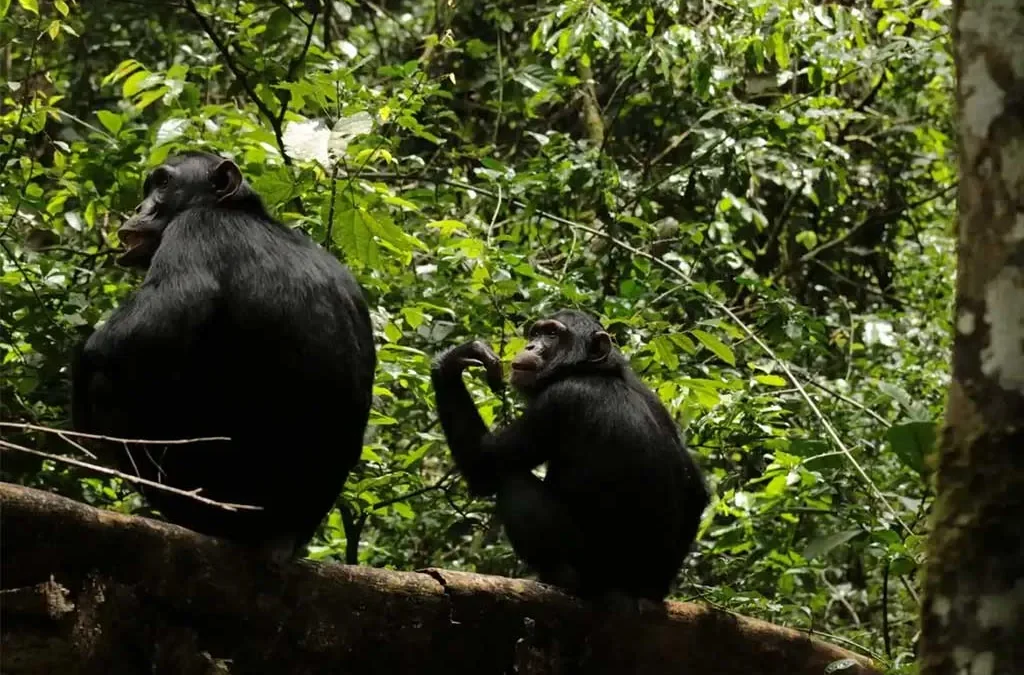
Rwanda is an excellent destination for chimpanzee trekking safaris, offering unique opportunities to observe and interact with these fascinating primates in their natural habitat. While Rwanda is best known for its mountain gorillas, the country also has several locations where you can track and encounter chimpanzees.
Here are a few popular chimpanzee trekking destinations in Rwanda:
Nyungwe Forest National Park:
Located in southwestern Rwanda, Nyungwe Forest is a vast protected area known for its rich biodiversity. It is home to a significant population of chimpanzees, estimated to be around 500 individuals. Chimpanzee trekking expeditions in Nyungwe Forest typically involve hiking through dense forest trails, guided by experienced trackers who are skilled at locating the chimps.
Gishwati-Mukura National Park:
Situated in the northwest of Rwanda, Gishwati-Mukura National Park is a relatively new park that was established to protect the last remaining fragments of montane rainforest in the region. The park is home to a small but growing population of chimpanzees, and visitors have the opportunity to participate in guided treks to observe and learn about these primates.
When planning a chimpanzee trekking safari in Rwanda, it is important to book your permits ($90 for foreign non-residents and $60 for foreign residents) in advance and adhere to the park’s regulations to ensure the well-being of the chimpanzees and the conservation of their habitat. It is also recommended to hire a local guide or join an organized tour to enhance your experience and ensure your safety during the trek.
Additionally, Rwanda offers other attractions and activities that you can combine with your chimpanzee trekking safari, such as gorilla trekking in Volcanoes National Park, exploring the vibrant city of Kigali, or visiting the beautiful Lake Kivu.
Remember to check the current guidelines and regulations in Rwanda, as they may vary, especially considering the ongoing COVID-19 pandemic. It is always best to consult with us or any other travel agency for the most up-to-date information and assistance in planning your safari.
Best Time for Chimpanzee Tracking in Rwanda
The best time for chimpanzee tracking in Rwanda is during the dry seasons, which are generally from June to September and December to February. During these months, the weather is generally more favorable, with less rainfall and drier trails, making it easier to navigate through the forests. Chimpanzee tracking can be a challenging activity, as it involves trekking through dense vegetation and rugged terrain. The dry seasons offer better conditions for hiking, with reduced chances of encountering slippery paths or impassable trails due to heavy rain. Moreover, during the dry seasons, chimpanzees tend to stay in lower altitudes and are more active, making them easier to locate and observe. They are often found in areas with a higher concentration of fruiting trees, which provide an abundant food source for them.
However, it’s important to note that chimpanzee tracking in Rwanda can be done throughout the year, and the primates can be encountered at any time. Rwanda’s tropical climate means that rain can occur at any time, even during the dry seasons. Therefore, it’s advisable to be prepared for rain and carry appropriate gear such as raincoats or ponchos. If you’re planning a chimpanzee tracking safari in Rwanda, it’s recommended to check with local authorities or tour operator such as Iconic Africa Safaris Ltd for the most up-to-date information on weather conditions and chimpanzee movements in the specific park you intend to visit.