
Photography Hotspots in Bwindi Beyond the Gorillas
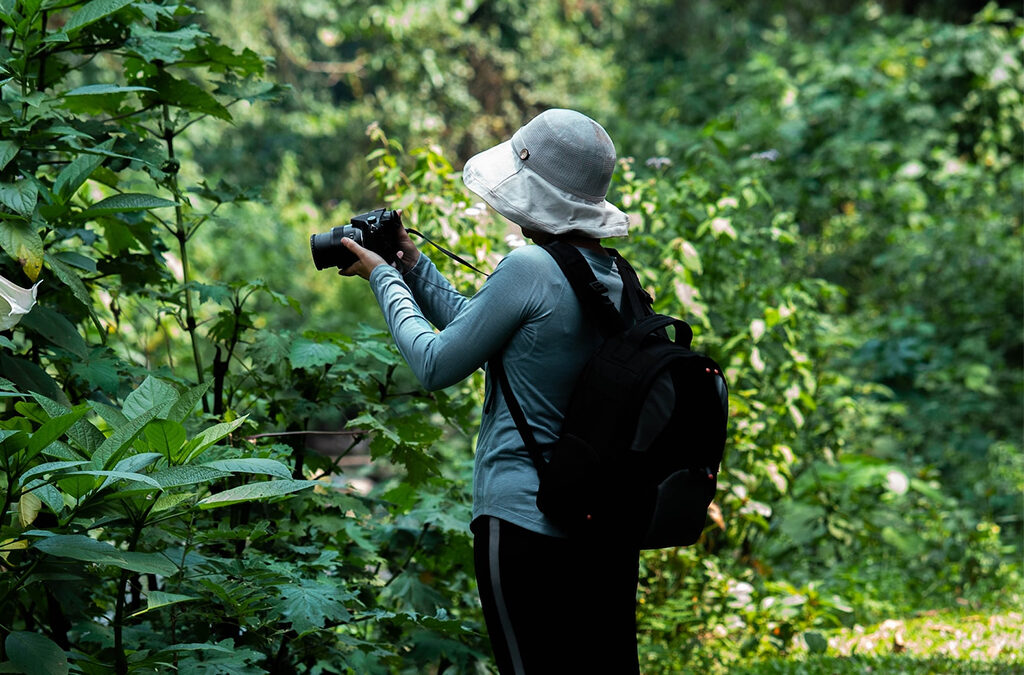
Bwindi Impenetrable Forest National Park offers photographers amazing chances to capture stunning landscapes and wildlife beyond its famous mountain gorilla trekking. The park’s dense forest creates unique photography spots with diverse ecosystems and vibrant local culture providing endless shooting opportunities. Photographers discover breathtaking vistas while exploring nature trails that wind through ancient forests filled with colorful birds and playful primates. The misty mornings and dramatic waterfalls add magical elements to every photo session in this remarkable Ugandan wilderness destination.
Nature Walks and Hiking Trails
Munyaga River Trail
This trail gives photographers perfect chances to spot various primates including black-and-white colobus monkeys in their natural forest habitat. Wildlife photographers love this location because animals appear frequently along the riverbanks during early morning and late afternoon hours. The trail offers excellent lighting conditions for capturing detailed shots of monkeys swinging through the canopy above. Forest birds also gather near the water source making this spot ideal for nature photography enthusiasts seeking diverse wildlife subjects.
Rushura Hill Trail
Photographers who climb this trail enjoy panoramic views of the dense forest canopy stretching toward distant mountain ranges. The elevated position provides sweeping landscape shots that showcase the park’s incredible biodiversity and natural beauty. Early morning hikers capture stunning sunrise photos while the Virunga Mountains create dramatic backdrops for wide-angle landscape photography. The trail also offers multiple viewpoints where photographers compose shots featuring rolling hills and pristine lakes below.
Nteko Ridge Community Walk
This scenic hiking route allows photographers to capture both natural forest beauty and authentic cultural interactions with local communities. The trail winds through villages where photographers respectfully document traditional ways of life while surrounded by lush green landscapes. Community members often welcome visitors and share stories that add meaningful context to cultural photography projects. The walk combines stunning forest scenery with genuine human connections that create powerful photographic narratives.
The Forest Environment
Bwindi’s Dense Greenery
The ancient forest provides photographers with rich textures and vibrant colors that create stunning backdrops for both wildlife and landscape photography. Sunlight filters through the thick canopy creating natural spotlights that highlight subjects against the dark forest floor. The varied vegetation offers endless composition possibilities from towering trees to delicate ferns growing in shadowy understory areas. Photographers find fresh perspectives around every corner as they explore different sections of this biodiverse forest ecosystem.
Waterfall Photography
Several waterfalls throughout the park offer photographers dynamic subjects with flowing water creating visual interest and natural movement. The cascading water provides excellent opportunities for long exposure shots that blur the moving water while keeping surrounding rocks sharp. Photographers often visit these locations during different times of day to capture varying light conditions and water flow patterns. The misty spray from waterfalls also creates atmospheric effects that add depth and mood to nature photographs.
Misty Morning Atmosphere
Cool morning temperatures create ethereal mist that rises from the forest floor providing photographers with magical lighting conditions. The soft diffused light during these early hours eliminates harsh shadows and creates even illumination perfect for forest photography. Photographers who wake early capture mysterious scenes where trees emerge from fog creating dreamlike compositions. The mist also adds layers of depth to landscape photos making distant objects appear softer and more atmospheric.
Wildlife Photography Opportunities
Primate Encounters
While mountain gorillas attract most visitors photographers also encounter chimpanzees and various monkey species during forest treks and nature walks. These primate subjects offer exciting photography challenges as they move quickly through the trees requiring fast shutter speeds. Black-and-white colobus monkeys provide striking contrast against green foliage while their playful behavior creates dynamic action shots. Patient photographers often observe primate families and capture intimate behavioral moments that tell compelling wildlife stories.
Bird Photography
Bwindi hosts over 400 bird species making it a paradise for photographers who specialize in avian subjects and colorful tropical birds. Early morning hours offer the best opportunities when birds actively feed and sing throughout the forest canopy above. Photographers need telephoto lenses to capture detailed shots of small colorful birds that flit quickly between branches and leaves. The diverse bird population includes both endemic species and migratory visitors providing variety for nature photography portfolios.
Cultural Photography
Batwa Community Experiences
The Batwa people share their traditional forest knowledge with visitors while photographers respectfully document their ancient culture and survival skills. These indigenous forest dwellers demonstrate traditional hunting techniques and medicinal plant gathering methods that make compelling photographic subjects. Photographers always ask permission before taking portraits and respect cultural boundaries while documenting this unique way of life. The Batwa community members often welcome respectful photographers who show genuine interest in learning about their forest heritage.
Photography Tips and Techniques
Equipment Recommendations
Wide aperture settings help photographers blur busy forest backgrounds while keeping wildlife subjects sharp and clearly defined in portraits. Telephoto lenses with focal lengths between 70-200mm allow photographers to capture intimate wildlife shots without disturbing animals. Photographers should bring extra batteries because cold morning temperatures drain power quickly from camera equipment in forest environments. Weather protection for camera gear becomes essential during rainy seasons when sudden downpours occur throughout the day.
Respectful Photography Practices
Photographers must maintain safe distances from all wildlife while following guide instructions to ensure both human and animal safety. Cultural photography requires permission from community members and sensitivity to local customs and traditional beliefs about image-making. Professional photographers always respect park rules and wildlife protection guidelines while pursuing their creative vision in natural settings.