
Night Game Drive Experience in Nairobi National Park
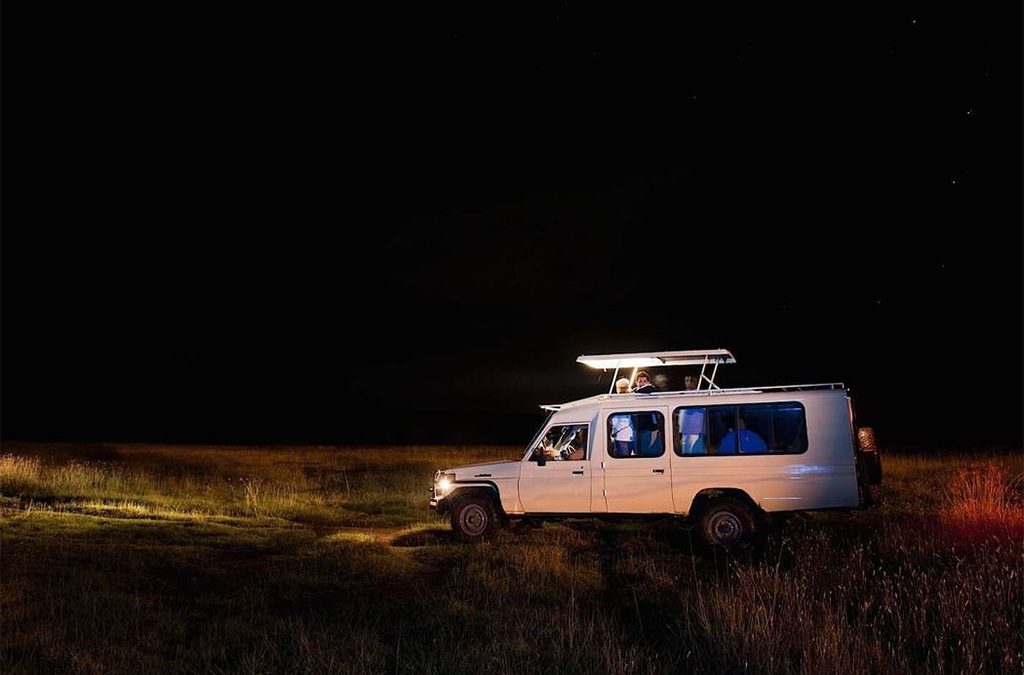
Night Game Drive Experience in Nairobi National Park
A night game drive in Nairobi National Park offers a rare chance to explore the wild after dark and feel the excitement of Africa’s nocturnal world. As daylight fades and cool air settles on the plains, the park shifts into a new rhythm. Shadows grow longer, sounds grow sharper, and animals begin their nightly routines. Lions rise from their resting spots, small creatures jump through the bushes, and the stars shine above the open landscape. Because only two vehicles can enter the park each night, you must book at least seven days in advance. This limit keeps the experience quiet, intimate, and full of natural magic that unfolds slowly across the moonlit savannah.
Nairobi National Park: The World’s Only Wildlife Capital
Nairobi National Park stands just 7 kilometers from the city center, yet it feels like another world once you enter its wide plains. You ride past open grasslands, riverine forests, and stands of acacia trees, all set against the dramatic silhouette of Nairobi’s tall buildings. This contrast creates a feeling of wonder as wildlife moves freely with the city skyline glowing behind them. The park is Kenya’s oldest and remains one of the most important conservation spaces in the country. Rangers protect both natural habitats and the wildlife that depends on them, especially endangered species such as the black rhino.
The park hosts four of the Big Five animals: lion, leopard, rhino, and buffalo. You will not find elephants inside, but the nearby David Sheldrick Wildlife Trust cares for orphaned calves and offers an inspiring visit during the day. Beyond the big mammals, you may see giraffes feeding calmly, cheetahs scanning the plains, hyenas trotting through the grass, and hippos resting in the water. More than 400 bird species fill the skies, including large ostriches that move proudly across the open land. Every corner of the park reveals something new and highlights the rich ecology that thrives so close to the city.
Why Night Drives Feel So Different
As evening approaches, the warmth of the day disappears and the landscape slowly transforms. The gentle breeze carries new scents, and the dim light creates a mysterious atmosphere. Animals that rested through the heat begin to stir. Lions stretch, leopards descend from trees, and hyenas call out across the plains. Up to 70 percent of the park’s wildlife becomes active at night, turning the dark hours into a time of movement, hunting, and feeding.
Your safari guide drives the 4×4 Jeep with steady focus, using experience to spot activity in the surrounding bush. You may see eyes glowing in the spotlight’s red filter or shapes shifting between the trees. Every sound seems clearer at night, from the deep roar of a lion to the soft rustle of unseen creatures. The feeling of stepping into this hidden world brings a unique thrill. Wrapped in a warm blanket with a thermos beside you, you experience both calm and excitement as the darkness settles across the land.
Preparing for Your Night Game Drive
Most night drives begin between 7 p.m. and 9 p.m. and last about two hours, making them an ideal extension of your daytime safari. Many travelers enjoy a relaxing dinner or a sundowner drink before starting the night adventure. As the final orange glow fades from the sky, you climb into the vehicle ready for a different side of the park. Even near the equator, temperatures can drop sharply after sunset, so warm clothing, a cozy blanket, and a thermos become very useful. Insect repellent also helps, since night brings out many small but persistent insects.
Carrying a camera enhances the experience, as night scenes can be unforgettable. However, because the animals remain sensitive to bright light, guides avoid strong beams and use filtered spotlights. Flash photography is not allowed, so it helps to know your camera settings. While you prepare your gear, your guide explains the route, the expected wildlife behavior, and the importance of staying quiet. The soft conversations, faint moonlight, and peaceful stillness set the tone for the experience ahead.
What You May See During the Night
The variety of wildlife active at night adds great excitement to the drive. Once the last light disappears, bird calls change and the bush comes alive. You may watch a pride of lions walking together in a strong formation, each step guided by instinct and cooperation. Leopards become more visible as they hunt in silence or watch from branches above. Buffalo move slowly across open areas, while rhinos graze carefully, their heavy shapes glowing under the moonlight.
You might also encounter a different group of smaller animals that rarely appear during the day. Bushbabies leap from branch to branch with surprising speed. Aardvarks wander slowly as they search for food. Porcupines shuffle through the bushes. Civets and genets, both small and cat-like, move with quiet curiosity. Even tiny elephant shrews rush across the paths with fast, light steps. These creatures add charm and mystery to the night, showing how much life exists beyond the major predators.
Simple Tips for Night Photography
Night photography in the wild brings its own challenges, but modern digital cameras make it more accessible. Because natural light at night is limited, you must adjust your camera to capture more detail. Setting the ISO to 1600 or higher increases sensitivity. Opening the lens aperture to between f/4.0 and f/2.8 allows more light to enter. Slowing the shutter speed to about 1/40 of a second helps gather clearer images, especially when the animal remains still. Most importantly, the flash must stay off to avoid disturbing wildlife.
Although the images may appear darker at first, photo-editing software can brighten them and reduce red-eye later. The goal is to record the moment rather than produce perfect studio-quality pictures. Even a softly lit shot of a leopard’s face or a lion walking under the stars can become a treasured memory. The challenge of capturing these scenes adds to the adventure and gives you a deeper appreciation for the night environment.